
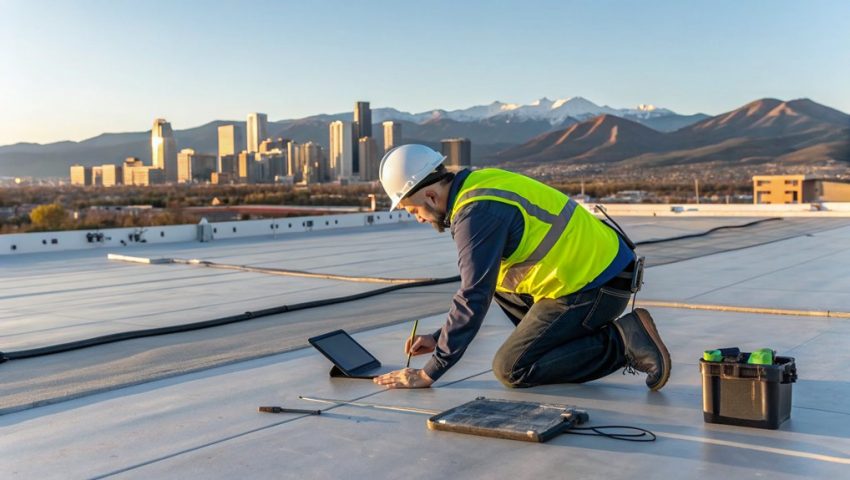
Quick Take: Maintaining valid commercial roof warranties requires Arvada contractors and property managers to implement consistent maintenance documentation, regular inspections, and adherence to manufacturer guidelines.
Maintaining a valid commercial roof warranty can be challenging, especially with the strict maintenance and documentation requirements set by manufacturers. In Arvada, contractors and property managers often struggle to track inspections and repairs, which can easily result in unintended warranty lapses. Even minor oversights—like missed maintenance or unauthorized modifications—can void crucial protections for such a major investment.
This guide outlines practical ways to keep warranties intact, from scheduling biannual inspections and using certified contractors to keeping detailed digital maintenance records. Following these steps helps property owners detect issues early—particularly after severe weather—and ensure repairs meet warranty standards, protecting both coverage and the roof’s long-term performance.
Key Takeaways
- Schedule and document inspections twice a year—in spring and fall—and after severe weather events to meet warranty requirements.
- Ensure all installations, repairs, and modifications are performed by manufacturer-certified contractors to maintain warranty coverage.
- Keep detailed digital records of inspections, maintenance, repairs, and contractor certifications for easy reference.
- Address maintenance issues promptly, since neglecting repairs or allowing ponding water can void the warranty.
- Regularly review warranty terms to understand specific exclusions and the conditions for transferring coverage during ownership changes.
Understanding Commercial Roof Warranty Types in Arvada
Key Insight: Navigating commercial roof warranties in Arvada requires understanding distinct coverage types, their durations, and how contractor credentials and roofing materials influence protection quality and property value.
For commercial property owners in Arvada, comprehending the nuances of roof warranties is essential to safeguard long-term investments and ensure operational continuity. Different warranty types—ranging from material-only to comprehensive labor and material coverage—play a pivotal role in minimizing unforeseen expenses and enhancing asset longevity. That’s why selecting a warranty aligned with both installation standards and roofing system specifications is critical for sustained protection. To further support this, working with a local roofing expert can provide invaluable insights into the most suitable warranty options available.
Warranty terms are influenced by multiple factors, including roof membrane materials, contractor certifications, and even roof color, which can affect heat reflectivity and warranty eligibility. Additionally, a thorough understanding of roof lifespan can help property managers anticipate maintenance needs and warranty claims effectively. Understanding warranty transferability during property ownership changes can significantly boost resale value and buyer confidence. These considerations underscore the strategic importance of informed decision-making in commercial roofing management. Additionally, ensuring compliance with local building codes is vital for maintaining warranty validity and avoiding potential issues.
Key considerations to maximize warranty benefits include:
- Material-only warranties typically cover manufacturing defects for 10-30 years but exclude labor and installation errors.
- Labor and material limited warranties extend coverage to workmanship, usually conditional on certified contractor installation and maintenance compliance.
- No Dollar Limit (NDL) warranties offer the most robust protection with unlimited coverage for up to 30 years, available exclusively through GAF GoldElite or PlatinumElite contractors.
- Roof membrane types impact warranty length and terms; for example, TPO roofing systems generally have 20-year warranties, whereas PVC membranes often provide standard 25-year coverage.
- Roof color and reflective properties can qualify a system for extended warranty periods due to reduced thermal stress and energy savings.
- Warranty transfer provisions enhance property marketability by allowing new owners to inherit remaining warranty protection, preserving asset value.
Choosing the right commercial roof warranty in Arvada is a strategic investment decision that merges technical understanding with long-term business goals. Property owners who prioritize certified contractor installation and carefully evaluate warranty terms will mitigate risks and optimize asset performance. Moving forward, embracing warranty education empowers owners to confidently protect their commercial properties against evolving environmental and operational challenges.
Key Differences Between Manufacturer and Workmanship Warranties
Understanding the nuances between manufacturer and workmanship warranties is essential for property owners seeking durable roofing solutions. Manufacturer warranties primarily protect against inherent material defects such as membrane blistering, chemical breakdown, or premature aging. These warranties offer reassurance that roofing components meet stringent quality standards set by the manufacturer. Additionally, many roofing companies utilize high-quality materials to enhance the longevity of their installations.
Workmanship warranties complement material guarantees by addressing installation-related issues, including poor adhesion, improper sealing, or substandard workmanship techniques. Some extended warranty packages integrate both material and labor coverage, providing holistic protection that often remains valid through ownership transfers, enhancing long-term asset value and risk mitigation.
Key considerations highlighting the distinctions and benefits include:
- Material Integrity Assurance: Manufacturer warranties focus exclusively on product performance and manufacturing flaws.
- Installation Quality Coverage: Workmanship warranties safeguard against failures stemming from installer errors or negligence.
- Combined Warranty Options: Integrated warranties deliver dual-layer protection, reducing potential dispute complexities.
- Transferability: Extended warranties often allow seamless transfer to new property owners, increasing resale appeal.
- Duration Variability: Manufacturer and workmanship warranties can differ in length, affecting long-term coverage planning.
Recognizing the complementary roles of manufacturer and workmanship warranties empowers building owners to make informed decisions that safeguard their investments. Opting for combined or extended warranty solutions can significantly reduce unforeseen repair costs and downtime. That’s why aligning warranty choices with your roofing system’s lifespan and maintenance strategy ensures optimal protection and peace of mind. Take proactive steps now to evaluate warranty terms carefully and consult roofing professionals to maximize your property’s durability and value. Additionally, continuous education ensures that roofing professionals stay updated on best practices and warranty requirements.
Material vs. Labor Coverage
Key Insight: Understanding the distinct roles of material and labor warranties is essential for safeguarding your commercial roofing investment, ensuring both product reliability and installation integrity over time.
Navigating commercial roof warranties requires a clear grasp of the differences between material warranties, which cover manufacturing defects, and workmanship warranties, which protect against installation errors. Property owners can make informed decisions that align with their risk management strategies, securing long-term performance and reducing unexpected repair costs. These warranties influence maintenance planning, resale value, and overall asset protection by clarifying coverage scopes and limitations.
Combining these warranties through a system or No Dollar Limit (NDL) guarantees elevated protection by integrating product quality with certified installation standards. This holistic approach minimizes warranty disputes and maximizes financial security, especially when contractors meet certification requirements. That’s why understanding warranty transfer provisions and contractor credentials is critical for maintaining valid coverage during property ownership changes.
For a comprehensive warranty strategy, consider these key aspects:
- Material warranties focus on roofing component defects, typically lasting 10–30 years, varying by product specifications and environmental factors.
- Workmanship warranties cover installation quality and labor issues, generally ranging from 1 to 5 years, addressing improper techniques or contractor errors.
- System warranties combine material and workmanship protections to offer integrated coverage, reducing gaps and enhancing reliability.
- No Dollar Limit (NDL) warranties provide the broadest financial protection by removing repair cost caps but require certified installers and regular maintenance.
- Warranty transferability is crucial for maintaining coverage during property sales, necessitating adherence to specific transfer conditions and documentation.
- Certified contractors ensure compliance with warranty terms, supporting both installation quality and long-term roof performance.
Extended Protection Options
Quick Take: Extended roofing protection significantly boosts your investment’s durability and value by combining comprehensive material and workmanship warranties, including options that cover roof aging, color retention, and ownership transfers.
As a result of evolving roofing technologies and increased environmental stressors, relying solely on basic warranties leaves property owners exposed to unforeseen costs and premature roof deterioration. Extended protection plans offer a strategic advantage by bundling manufacturer-backed material guarantees with skilled workmanship coverage, often spanning 10 to 35 years. These enhanced warranties provide peace of mind, ensuring your roofing system withstands wear while maintaining aesthetic and functional integrity.
Extended warranties adapt to the dynamic nature of property ownership and maintenance needs. That’s why many plans include no-dollar-limit coverage, which reimburses repairs fully regardless of roof age, and premium options that safeguard roof color fidelity against fading. Seamless warranty transfers empower investment property stakeholders to retain value through ownership changes, while mandated inspections and certified repairs uphold coverage validity and long-term roof performance.
Key features that maximize extended warranty benefits include:
- No-dollar-limit warranties that eliminate payout caps tied to roof depreciation.
- Coverage extensions for color retention, preventing unsightly fading and preserving curb appeal.
- Transferability clauses allowing warranty continuity when the property changes hands.
- Manufacturer-mandated inspection schedules to proactively detect issues and maintain compliance.
- Certified contractor requirements ensuring repairs meet strict workmanship standards and proper documentation.
- Integration with maintenance protocols to optimize roof lifespan and reduce unexpected expenses.
Required Maintenance Schedules That Preserve Warranty Coverage
Key Insight: Maintaining commercial roof warranties requires diligent adherence to scheduled preventative maintenance and thorough documentation. This proactive approach safeguards warranty validity and ensures long-term roof performance.
As a result of stringent manufacturer requirements, commercial roof warranties demand routine inspections, typically biannual, to identify potential issues before they escalate. These regular checkups help detect early signs of wear, moisture intrusion, or structural compromise, preserving the roof’s integrity. Systematic maintenance integrates seamlessly with facility management protocols, supporting overall asset longevity and cost efficiency. Consistent upkeep aligns with warranty conditions, preventing coverage denial due to neglect or undocumented repairs.
That’s why detailed record-keeping is essential for warranty compliance and claim substantiation. Strong maintenance schedules include key practices such as
- Documenting comprehensive inspection reports with photographic evidence.
- Scheduling preventative repairs promptly to mitigate damage progression.
- Utilizing certified roofing professionals to meet manufacturer standards.
- Tracking material warranties and installation dates for reference.
- Maintaining clear communication logs between facility managers and contractors.
Preventative Inspection Timelines
Bottom Line: A structured preventative inspection timeline is essential for maximizing commercial roof longevity and ensuring warranty validity through consistent, expert maintenance.
A well-planned inspection schedule is the cornerstone of effective commercial roof maintenance and compliance with manufacturer warranty requirements. Typically, biannual inspections are strategically conducted in spring and fall to evaluate seasonal wear, detect early deterioration, and ready the roofing system for forthcoming weather challenges. These assessments verify critical components like roof ventilation systems and ice dam prevention measures are fully operational, which mitigates risks related to moisture buildup and structural damage.
Robust maintenance protocols extend beyond routine seasonal checks by incorporating inspections after severe weather events, even when damage is not immediately apparent. Monthly drainage upkeep prevents water pooling that could compromise membrane integrity and accelerate material degradation. Property managers must maintain meticulous records of all inspection activities, substantiating continuous upkeep to warranty providers and enhancing the credibility of any future claims.
Expert preventative inspection timelines integrate multiple key practices to optimize roof performance and warranty compliance:
- Bi-annual inspections timed in spring and fall align with seasonal transitions to identify weather-induced stressors.
- Verification of roof ventilation and ice dam prevention systems reduces moisture-related risks and structural compromise.
- Mandatory post-storm inspections uncover hidden damage that could escalate if left untreated.
- Monthly drainage system maintenance prevents standing water accumulation and membrane deterioration.
- Detailed documentation of inspection findings and maintenance actions supports warranty claims and regulatory compliance.
- Early detection of minor defects through scheduled inspections mitigates costly repairs and extends roof lifespan.
Adopting a disciplined, chronological maintenance approach empowers facility managers to proactively safeguard roof integrity and warranty coverage. That’s why integrating these inspection timelines into your commercial roofing strategy is not just best practice but a critical investment in risk management and asset preservation. As you move forward, prioritize consistent, expert-led inspections and detailed record-keeping to ensure your roof remains resilient against environmental challenges and manufacturer requirements alike.
Document Everything Properly
Quick Take: Thorough, systematic documentation is essential to maintain commercial roof warranties, ensuring compliance and protecting coverage against potential claim denials.
Consistent and detailed record-keeping forms the backbone of effective commercial roof warranty management. even minor lapses in documentation can jeopardize warranty validity, as manufacturers increasingly require precise evidence of maintenance adherence and repair history. That’s why property managers must prioritize comprehensive documentation strategies that encompass all inspection and maintenance activities, safeguarding long-term asset value and reducing liability risks.
This approach extends beyond simple record filing; it involves integrating visual proof, contractor certifications, and descriptive reports that collectively demonstrate compliance with warranty terms. Maintaining centralized, organized repositories of these documents facilitates swift, accurate warranty claim submissions, optimizing the likelihood of approval and reinforcing accountability throughout the roof’s lifecycle.
Effective documentation hinges on maintaining a detailed and accessible record system that includes:
- Biannual inspection reports outlining roof condition, findings, and corrective maintenance actions completed.
- Photographic evidence captured before and after repairs to visually verify work quality and warranty compliance.
- Detailed contractor certifications and invoices confirming professional service and adherence to manufacturer standards.
- Comprehensive maintenance logs tracking all routine upkeep, material replacements, and emergency interventions.
- Centralized digital storage ensures easy retrieval and long-term preservation of warranty-related documents.
- Clear descriptions of repair scopes and materials used to validate that all work meets warranty requirements.
A disciplined documentation mindset transforms warranty management from a reactive burden into a proactive asset preservation strategy. Property managers and facility teams can confidently navigate warranty complexities, mitigate risks, and extend roof lifespan with data-driven transparency. By embedding thorough, verifiable records into routine operations, stakeholders empower themselves to maximize warranty benefits and maintain resilient commercial roofing investments.
Documentation Practices for Warranty Compliance
Key Insight: Maintaining comprehensive and precise documentation is essential for ensuring warranty compliance in commercial roofing, protecting your investment, and streamlining claim processes.
Thorough record-keeping for roof coating applications and drainage system inspections serves as critical evidence of adherence to manufacturer requirements. This detailed documentation not only supports warranty validity but also facilitates proactive maintenance, reducing costly repairs and extending roof lifespan. Digital record management enhances accessibility, organization, and retrieval of vital compliance data during warranty claims or audits.
Integrating visual proof such as timestamped photographs alongside detailed logs of maintenance activities—including dates, responsible personnel, and specific interventions—adds an indispensable layer of verification. That’s why property managers and commercial owners benefit from adopting structured documentation systems that categorize records by warranty stipulations, inspection frequency, and maintenance type, ensuring regulatory alignment and operational transparency.
Effective documentation practices encompass key elements that reinforce warranty compliance and operational excellence:
- Scheduled Biannual Inspections: Documenting routine checks, especially post-extreme weather, to verify roof integrity and drainage effectiveness.
- Detailed Maintenance Logs: Recording precise dates, personnel credentials, and performed actions to demonstrate consistent upkeep.
- Digital Organization Systems: Leveraging cloud-based platforms to categorize and securely store warranty-related documents for quick retrieval.
- Visual Evidence Capture: Utilizing timestamped photographs and videos to provide undeniable proof of roof condition before and after maintenance.
- Compliance with Manufacturer Specifications: Ensuring all records reflect adherence to manufacturer guidelines regarding coating applications and drainage maintenance.
Cultivating meticulous documentation habits becomes a strategic asset that safeguards warranty claims and elevates property management standards. It empowers stakeholders to act decisively and confidently when addressing roofing performance issues. By prioritizing systematic compliance verification, commercial property owners position themselves to maximize warranty benefits and mitigate risks effectively.
Common Warranty Exclusions Every Property Manager Should Know
Key Insight: Commercial roof warranties often exclude critical scenarios like severe weather and improper maintenance, leaving property managers exposed to costly repairs and liability. Understanding these limitations and supplementing coverage is essential for comprehensive risk management.
Property managers must recognize that standard commercial roof warranties do not cover all damage types, especially those stemming from natural disasters or neglect. Weather events such as hurricanes, tornadoes, and high-velocity winds commonly exceed warranty thresholds, creating gaps in protection that can lead to significant financial exposure. That’s why staying informed about warranty clauses and their practical implications is crucial for effective facility oversight.
Warranty exclusions extend beyond environmental factors to include maintenance-related oversights and unauthorized modifications. Failure to adhere to prescribed inspection schedules, improper debris removal, or installation of unapproved equipment like solar panels can void warranties entirely. This nuanced understanding helps property managers proactively mitigate risks and avoid unexpected liabilities.
Critical warranty exclusions to consider include:
- Acts of God, such as hurricanes, tornadoes, lightning strikes, and wind speeds above manufacturer limits (typically 55-72 MPH).
- Interior damage caused by roof leaks affecting walls, ceilings, HVAC systems, and installed equipment.
- Unauthorized installations, including solar panels or gutter systems lacking manufacturer approval.
- Failure to perform required routine maintenance like debris cleaning, coating reapplication, and timely inspections.
- Ponding water remaining on roof surfaces post-rainfall, which can accelerate deterioration and negate coverage.
Selecting Certified Contractors for Warranty-Compliant Repairs
Key Insight: Selecting certified contractors is essential for ensuring roof repairs comply with warranty terms, safeguarding long-term roofing performance and coverage. Verifying credentials through manufacturer-specific certifications and technical documentation optimizes warranty validity and protects property investments.
Property managers must prioritize contractor certification to maintain warranty integrity and avoid costly exclusions. Engaging installers familiar with manufacturer protocols and specialized commercial roofing systems enhances repair quality, durability, and aesthetic consistency. That’s why understanding certification nuances, such as Malarkey or equivalent credentials, is critical to preserving material warranties and ensuring authorized repair processes.
Validating contractor expertise involves a multifaceted approach that includes
- Confirming manufacturer-specific certifications relevant to the roofing system and materials.
- Reviewing portfolios showcasing technical proficiency and adherence to installation standards.
- Assessing familiarity with color preservation techniques to maintain visual uniformity.
- Ensuring contractors follow precise repair authorization workflows, including pre-approval for complex repairs.
- Verifying comprehensive documentation practices that support warranty claims and future inspections.
Partnering exclusively with certified contractors empowers property managers to navigate warranty requirements confidently while optimizing repair outcomes. This strategic approach not only mitigates risk but also streamlines warranty claims through meticulous documentation and adherence to manufacturer guidelines. Embracing thorough contractor vetting fosters durable roof performance and reinforces asset value, making it an indispensable component of warranty-compliant maintenance programs.
Weather-Related Considerations for Arvada Commercial Roofs
Quick Take: Arvada’s commercial roofs face unique climate stressors like heavy snow, hail, and UV radiation that make proactive, climate-specific maintenance essential to preserving warranty coverage and roof longevity.
Arvada’s intense seasonal weather patterns demand vigilant roof management to mitigate water intrusion risks and material deterioration. Freeze-thaw cycles and temperature swings accelerate membrane wear and seam failures, challenging warranty compliance. That’s why integrating regular inspections and tailored upkeep protocols is critical for commercial property managers aiming to safeguard investments while navigating Front Range environmental extremes.
Arvada’s exposure to severe hailstorms and high-altitude UV rays requires strategic material selection and documented damage assessments to support insurance and warranty claims. A comprehensive roof care strategy includes impact-resistant membranes and proactive storm readiness, ensuring resilient roofing systems under fluctuating weather conditions.
Key regional considerations for maintaining commercial roof warranties include:
- Snow and Rain Load Management: Frequent inspections prevent water pooling and ice dam formation that can void warranties.
- Hail Impact Resistance: Using reinforced materials and maintaining detailed damage records supports valid storm-related claims.
- Thermal Expansion and Contraction: Addressing material fatigue through flexible membranes and seam reinforcement mitigates structural stress.
- UV Exposure Protection: Applying UV-resistant coatings slows degradation, extending membrane lifespan in high-altitude sunlight.
- Freeze-Thaw Cycle Mitigation: Regular maintenance counters freeze-thaw-induced cracking and moisture infiltration risks.
Embracing a climate-adaptive roof maintenance mindset empowers property managers to uphold warranty conditions despite Arvada’s demanding environment. By prioritizing preventive care and storm preparedness, they transform regional weather challenges into manageable risks. This approach not only maximizes roof durability but also enhances long-term asset value in Colorado’s Front Range market.
Extending Roof Lifespan Through Preventative Maintenance
Key Insight: Preventative maintenance is essential for maximizing the lifespan and performance of commercial roofing systems, ensuring warranty compliance, and protecting your investment against environmental wear and tear. By integrating tailored upkeep strategies, property managers can significantly delay costly repairs and failures.
Proactive roof care is not just a maintenance routine but a strategic asset management practice that aligns with manufacturer requirements and local climate challenges. Neglecting preventative measures accelerates membrane degradation, leading to premature roof failure and increased operational disruptions. That’s why customized maintenance plans that consider roof type, weather patterns, and warranty conditions are critical for sustaining optimal roof functionality and financial efficiency.
Effective preventative maintenance encompasses several key elements that collectively enhance roof durability and performance:
- Biannual professional inspections ensure early detection of potential issues and maintain warranty validity.
- Regular debris removal and drainage system cleaning prevent water accumulation and membrane deterioration.
- Installation of walk pads in high-traffic zones protects roofing membranes from physical damage while enabling safe equipment access.
- Application of advanced protective coatings shields the roof from UV radiation and harsh weather fluctuations, especially pertinent in variable climates like Arvada.
- Comprehensive documentation of all maintenance activities supports transparency and claim processes if warranty repairs become necessary.
Adopting a strategic, data-driven approach to roof maintenance transforms your roof from a reactive liability into a proactive asset. This mindset shift empowers property managers to extend roof service life, optimize repair budgets, and ensure uninterrupted building operations. Moving forward, leveraging expert guidance and consistent upkeep will safeguard your commercial roofing investment against both predictable wear and unforeseen challenges.
How Roof Modifications Impact Your Warranty Coverage
Key Insight: Properly managing roof modifications is essential to preserving warranty coverage and ensuring long-term roof durability, requiring proactive manufacturer communication and thorough documentation.
As a result of roof alterations, such as installing solar panels or modifying HVAC systems, warranty terms can change significantly and may even become void without explicit manufacturer consent. Factors like shifts in building use or environmental conditions necessitate reassessing warranty scope to align with new moisture and humidity profiles. That’s why understanding warranty stipulations tied to structural and mechanical roof changes is crucial for property managers aiming to protect their investment and avoid costly coverage gaps.
Maintaining a comprehensive, verifiable record of all roof modifications supports warranty compliance and smooth claims processing. Engaging only certified contractors authorized by the manufacturer ensures all changes meet technical standards and preserve roof system integrity. This proactive approach minimizes risk and supports the roof’s service life by preventing undocumented or unauthorized alterations.
Strong compliance with warranty protocols demands attention to these critical factors:
- Obtaining and retaining written manufacturer approvals before initiating any roof modification.
- Utilizing only manufacturer-certified contractors for all alteration and repair work.
- Documenting all changes thoroughly, including detailed repair logs and contractor credentials.
- Reassessing warranty terms promptly after changes in building occupancy or environmental exposure.
- Recognizing common warranty-voiding modifications such as structural changes, solar panel installation, and HVAC additions.
- Tracking environmental impacts like humidity shifts that influence roof material performance and warranty applicability.
Taking a strategic, detail-oriented approach to roof modifications empowers property owners to maintain robust warranty coverage and optimize roof longevity. By prioritizing manufacturer collaboration and meticulous record-keeping, stakeholders safeguard against unexpected denials and reinforce their roof system’s resilience. This mindset shift from reactive to proactive warranty management helps secure asset value and minimizes future operational disruptions.
Implementing a Cost-Effective Roof Warranty Management System
Quick Take: Centralizing roof warranty documentation and automating maintenance schedules are essential strategies for preserving commercial roofing warranties and mitigating costly disputes.
A comprehensive, centralized documentation system is fundamental for commercial property owners aiming to safeguard roof warranties. By consolidating maintenance logs, inspection records, and compliance certificates, stakeholders gain seamless visibility into warranty prerequisites and upkeep history. Such an organized repository empowers data-driven decisions, reduces administrative overhead, and strengthens compliance adherence, which is critical for long-term coverage.
Leveraging automated inspection scheduling software drives timely maintenance completion, preventing lapses that might void warranties. Assigning clear responsibility to specific team members or contractors establishes accountability and streamlines communication pathways. This proactive approach mitigates risk, preserves asset value, and ensures roofing systems remain protected under warranty terms.
Effective warranty management hinges on strategic operational practices that include
- Centralized digital archives integrating all warranty-related documents for quick retrieval and audit readiness.
- Automated reminders and scheduling tools that align maintenance activities with manufacturer and insurer requirements.
- Role-specific accountability frameworks designating precise warranty preservation duties to personnel or vendors.
- Detailed maintenance tracking enabling transparent reporting and early detection of potential coverage breaches.
- Compliance monitoring systems that verify adherence to local building codes and warranty stipulations.
- Digital audit trails that provide incontrovertible evidence during warranty claims or dispute resolution.
A disciplined, technology-enabled warranty management system transforms routine roof maintenance into a strategic asset protection mechanism. Commercial property owners reduce the risk of costly warranty denials and extend the service life of roofing investments. That’s why prioritizing centralized documentation and automation not only safeguards coverage but also enhances operational efficiency and peace of mind in managing high-value commercial roofing assets.
Warranty Maintenance Documentation System
Key Insight: Effective warranty maintenance documentation is essential for safeguarding commercial roofing assets, leveraging cloud platforms, IoT integration, and automated workflows to optimize lifecycle management and compliance.
Adopting a comprehensive warranty maintenance documentation system transforms how commercial roofing investments are protected and managed. Cloud-based solutions centralize warranty records, inspection data, and service histories, eliminating the risk of lost paperwork while enabling seamless access for facility managers across multiple sites. Integrating these platforms with advanced GIS mapping and facility management software enhances spatial analysis, allowing property managers to visualize warranty statuses and maintenance priorities in real time.
Modern systems incorporate cutting-edge technologies such as drone-enabled inspections and IoT sensor networks to deliver high-resolution roof condition assessments without physical disruption. Automated alerts and real-time dashboards reduce human error and ensure timely adherence to manufacturer guidelines, streamlining warranty validation during claims or audits. These innovations have proven to reduce maintenance costs by up to 25% and extend roof longevity by aligning operational workflows closely with warranty requirements.
Key benefits of a digital warranty maintenance system include:
- Centralized cloud storage enabling instant access to warranty documentation and inspection reports.
- Integration with facility management software and GIS tools for spatial warranty condition visualization.
- Utilization of drone inspections for detailed, non-invasive roof assessments enhancing quality control.
- Automated maintenance scheduling and notification systems ensuring compliance with manufacturer specifications.
- Real-time data dashboards minimizing manual entry errors and supporting audit-ready warranty validation.
- IoT sensor integration providing predictive analytics to proactively reduce repair costs and prolong roof life.
Embracing a technologically advanced warranty maintenance system shifts the paradigm from reactive repairs to proactive asset stewardship. That’s why property managers focused on maximizing roof performance and minimizing lifecycle costs should prioritize digital documentation strategies. By leveraging integrated platforms and smart technologies, stakeholders can confidently navigate warranty complexities, ensure compliance, and safeguard their commercial roofing investments for years to come.
Automated Inspection Scheduling
Key Insight: Automated inspection scheduling streamlines warranty compliance for commercial roofing by minimizing errors, optimizing resources, and enhancing data accuracy. This technology empowers contractors and property managers to maintain consistent, proactive oversight across multiple properties, safeguarding warranty validity and reducing operational burdens.
Automated scheduling systems eliminate human error and prevent double bookings by aligning inspections precisely with warranty timelines, ensuring critical maintenance is never missed. These platforms integrate effortlessly with digital calendars and communication channels, delivering personalized reminders that enhance accountability and timeliness. This synchronization fosters a disciplined inspection regimen that aligns with manufacturer mandates and contractual obligations.
Automated scheduling optimizes resource deployment by strategically timing drone inspections and field personnel availability, reducing labor costs and administrative workload. Digital reporting tools capture real-time inspection data, creating a seamless audit trail indispensable for warranty validation and future claims. When coupled with AI-driven analytics, these systems proactively identify potential issues, enabling preemptive maintenance that preserves warranty coverage and extends roof lifespan.
Key advantages of automated inspection scheduling include:
- Enhanced accuracy by eliminating manual entry errors and scheduling conflicts.
- Seamless integration with digital calendars, email, and SMS reminders for increased compliance.
- Intelligent resource allocation that schedules inspections during optimal weather and operational windows.
- Immediate digital documentation that builds a continuous, verifiable audit trail.
- AI-powered predictive analytics identifying early signs of roof damage or deterioration.
- Scalable management across multiple commercial properties, ensuring portfolio-wide warranty adherence.
That’s why embracing automated inspection scheduling transforms warranty management from a reactive chore into a strategic advantage. By leveraging AI and seamless digital workflows, contractors and property managers can shift focus from administrative tasks to proactive maintenance planning. This mindset accelerates risk mitigation, lowers operational costs, and ultimately preserves asset value. Moving forward, adopting such intelligent scheduling solutions is essential for maintaining a competitive advantage and maximizing warranty benefits across all commercial roofing portfolios.
Assign Preservation Responsibilities
Quick Take: Clearly defining preservation responsibilities is essential for robust roof warranty management, ensuring accountability, compliance, and seamless coordination between property teams and certified contractors.
Establishing defined roles and responsibilities in roof preservation strategies is a critical step toward safeguarding warranty validity and optimizing maintenance workflows. Ambiguous task assignments can lead to overlooked inspections or unauthorized repairs that jeopardize warranty claims and increase liability risks. That’s why a structured approach that delineates who manages inspections, documentation, and communication with manufacturers significantly enhances operational clarity and claim readiness.
Integrating these roles within facility management plans ensures that only licensed roofing professionals perform critical repairs, aligning with warranty terms and regulatory standards. This not only mitigates the chance of voided warranties but also streamlines defect resolution by empowering a knowledgeable manager to make informed decisions on maintenance priorities and vendor coordination.
Strong preservation frameworks depend on strategic role assignment and accountability, including:
- Defining inspection duties among qualified personnel to maintain consistent roof condition monitoring.
- Assigning documentation responsibilities to ensure accurate, up-to-date records supporting warranty claims.
- Designating liaison roles for direct communication with manufacturers and insurance providers.
- Mandating use of certified roofing contractors for repairs to prevent warranty invalidation.
- Authorizing a dedicated warranty manager empowered to oversee defect assessment and remediation.
- Providing comprehensive training programs to familiarize all stakeholders with warranty terms and maintenance protocols.
Embracing a systematic responsibility allocation fosters a proactive maintenance culture that protects your investment and maximizes warranty benefits. Organizations can confidently navigate warranty claims with thorough documentation and expert handling, reducing costly disputes and downtime. Moving forward, prioritizing clear accountability and professional standards ensures your roof preservation strategy remains resilient, compliant, and aligned with evolving industry best practices.
In Summary
Proper maintenance and authorized modifications are essential to keep commercial roof warranties valid over time. Property managers in Arvada should maintain thorough records and follow scheduled upkeep routines tailored to local climate challenges. Understanding warranty terms and exclusions specific to Colorado’s weather can prevent costly voids and ensure long-term coverage. Peak to Peak Roofing, the premier roofing company in Denver and Colorado, specializes in guiding clients through these warranty requirements effectively.
Peak to Peak Roofing offers expert consultation and maintenance services to help property managers protect their roof investments and uphold warranty conditions. Our professional team provides tailored solutions that extend roof lifespans while minimizing risks of warranty invalidation. By partnering with Peak to Peak Roofing, clients gain access to reliable support for documentation, inspections, and repairs. This proactive approach guarantees sustained roof performance and maximizes property value in the competitive Arvada market.