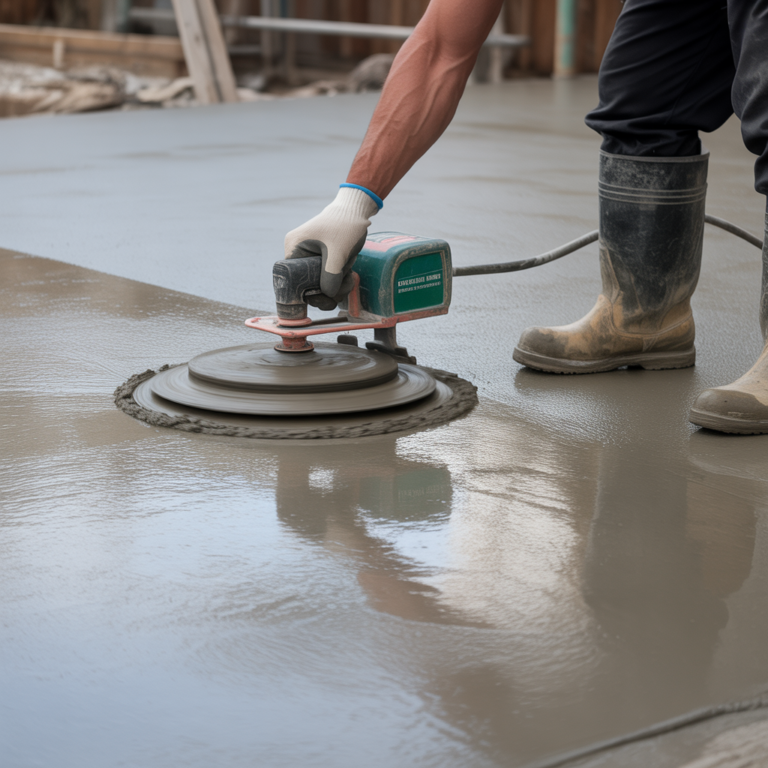
Understanding Concrete Work Essentials

Most homeowners don’t realize that successful concrete projects depend on understanding soil conditions, climate factors, and structural requirements before work begins. That’s why every project starts with a thorough site assessment. This prevents costly mistakes and ensures your concrete investment performs beautifully for decades.

What Smart Property Owners Know Before Starting

  • Site Preparation Matters: Proper soil compaction now prevents settling and cracks down the road.
  • Climate Timing Counts: Temperature plays a role in how well materials cure and how long results last.
  • Reinforcement Strategy: Where you position the steel directly affects how much weight the structure can handle and how well it performs over time.

Getting a handle on these basics puts you in a better position when planning your concrete work. Soil conditions matter. Reinforcement choices matter. Understanding what your property actually needs and why those details affect how long the work lasts keeps you from guessing. A straightforward explanation of the process means you know what’s happening at each step and can make decisions that fit your situation.

Key Benefits for Property Owners

Owner Advantages: It creates safer surfaces that reduce liability risks, cuts down on ongoing repair costs, and adds measurable value to your property that lasts for years.

How Quality Concrete Work Elevates Your Property Value

  • Curb Appeal Transformation: Fresh concrete changes how your property looks from the street. It creates a clean, updated impression that catches the eye of people driving by or considering your home.
  • Lower Maintenance Costs: When concrete goes in right, it needs very little attention for decades. Compare that to other materials that demand regular repairs, sealing, or replacement, and the difference adds up fast.
  • Enhanced Safety Standards: Level surfaces get rid of trip hazards that worry families with young kids or older relatives visiting. Smooth concrete means fewer liability concerns when you’re hosting gatherings or just going about daily routines in your outdoor space.
  • Energy Efficiency Gains: Reflective surfaces bounce heat away instead of soaking it in, which helps keep nearby spaces cooler when temperatures climb during summer.

Quality concrete work adds real value when you’re ready to sell or refinance. Appraisers recognize well-executed installations, and buyers notice the difference between professional craftsmanship and shortcuts that show wear early.

Concrete Services Across the Front Range

Concrete services reach homes and businesses across the Front Range corridor. Coverage runs south to Castle Rock and Monument, north up to Fort Collins and Loveland, and east through Aurora and Brighton.

Crews handle concrete work throughout the Front Range, covering Denver, Colorado Springs, Fort Collins, Aurora, Lakewood, Boulder, Thornton, and nearby communities. Working across this region means they can respond quickly when you need them while keeping the same quality standards no matter where the job is.

Peak To Peak Roofing & Exteriors, LLC handles concrete work throughout Fort Collins, Denver, Colorado Springs, Aurora, Boulder, Lakewood, and Thornton, serving property owners across the Front Range and northern Colorado communities.

Frequently Asked Questions

Peak To Peak Roofing & Exteriors, LLC provides comprehensive concrete solutions, including decorative stamped patios, custom walkways, foundation repairs, retaining walls, and outdoor living spaces. Our team handles both residential and commercial projects, from small repair work to large-scale installations. Peak To Peak Roofing & Exteriors, LLC combines structural expertise with aesthetic design to create durable, attractive concrete features that enhance property value and curb appeal.

Comparing concrete contractor quotes requires looking beyond the bottom-line price. A comprehensive quote should detail the scope of work, including site preparation, excavation depth, base material specifications, concrete thickness, reinforcement methods, and finishing techniques. Pay attention to the concrete mix design and PSI rating, as these directly impact durability and longevity. 

The quote should also clarify who handles permits, whether cleanup is included, and what warranty or guarantee covers the work. Contractors who provide vague estimates or refuse to put details in writing often cut corners during installation, leading to premature cracking, settling, or surface deterioration.

Request multiple detailed quotes and ask contractors to explain any significant price differences. Lower bids might exclude essential steps like proper grading or adequate base preparation. Verify that each contractor carries liability insurance and workers’ compensation coverage, and ask for references from recent projects similar to yours. A thorough quote from a reputable contractor protects your investment and ensures quality results.

Quick Answer: Professional concrete contractors assess site conditions before starting work and have protocols for addressing soil instability, poor drainage, or underground obstacles that emerge during excavation, adjusting the project scope accordingly.

Discovering unexpected subsurface problems during concrete installation is more common than property owners realize. Experienced contractors know that what lies beneath the surface can make or break a concrete project’s longevity. 

When excavation reveals soft soil, hidden utilities, inadequate drainage, or other complications, skilled professionals must quickly evaluate the situation and determine the best corrective approach. The way a contractor responds to these surprises often separates quality workmanship from rushed jobs that fail prematurely.

Common Subsurface Challenges and Professional Solutions

  • Unstable or Soft Soil Conditions: Contractors may need to excavate deeper than planned, removing unsuitable material and replacing it with compacted gravel or engineered fill to create a stable base that prevents settling and cracking over time.
  • Poor Drainage or Standing Water: When water accumulation becomes apparent, professionals install French drains, adjust grading, or add drainage pipes beneath the concrete to redirect moisture away from the structure and prevent future erosion.
  • Hidden Utilities or Debris: Encountering unmarked pipes, cables, or buried construction waste requires careful removal or rerouting, with contractors coordinating with utility companies when necessary to ensure safe installation without damaging existing infrastructure.
  • Expansive Clay or Frost-Susceptible Soils: In problematic soil types, contractors may recommend deeper footings, reinforced mesh, or specialized base materials that accommodate ground movement without transferring stress to the concrete surface.

Reputable concrete contractors communicate immediately when subsurface issues arise, explaining the problem, proposed solution, and any cost implications before proceeding. This transparency protects both the property owner’s investment and the contractor’s reputation. While discovering these challenges can delay completion, addressing them properly ensures the concrete installation performs as intended for decades rather than requiring costly repairs within just a few years.


Pouring new concrete over damaged or settling slabs creates structural problems that compromise longevity. The existing surface may continue shifting, causing cracks to transfer upward through fresh material. Proper removal allows contractors to address underlying soil compaction, install correct base materials, and ensure adequate drainage systems that prevent future deterioration and costly repairs down the road.

Concrete work for residential properties almost always requires building permits and scheduled inspections from local municipalities. The permit process verifies that your project meets zoning regulations, setback requirements, and structural codes specific to your area. 

Contractors pull permits before starting work, which involves submitting detailed plans showing dimensions, thickness specifications, reinforcement details, and drainage considerations. Inspections occur at critical stages: after excavation and base preparation, during rebar placement before pouring, and once the concrete has cured. Skipping permits creates serious liability issues and can complicate future property sales, refinancing, or insurance claims when unpermitted work is discovered.

Working with licensed contractors ensures proper permit handling and inspection coordination without homeowners managing bureaucratic details themselves. Permitted projects provide documentation proving work meets building codes, protecting property values and avoiding costly removal orders. Always verify that your contractor includes permit fees in project estimates and schedules inspections appropriately throughout construction phases.

Quick Answer: Homeowners should inquire about warranty coverage, material specifications, site preparation methods, and payment schedules. Understanding these details protects your investment and ensures clear expectations throughout the project.

Signing a concrete contract without asking the right questions can lead to costly misunderstandings and disappointing results. Smart homeowners take time to clarify important details before committing to any agreement. 

The conversation you have with potential contractors reveals their professionalism, expertise, and willingness to stand behind their work. Asking pointed questions about materials, processes, and guarantees helps you identify which professionals will deliver quality results and which ones might cut corners.

Essential Questions That Reveal Contractor Quality

  • Warranty Details: Ask what specific warranty covers the finished work and how long it lasts. Reputable contractors offer written guarantees that address cracking, settling, and surface deterioration, while also explaining what actions might void coverage.
  • Site Preparation Protocol: Inquire about excavation depth, base material type, and compaction methods they’ll use. Proper groundwork prevents future settling and cracking, so contractors should provide detailed explanations of their preparation standards.
  • Payment Structure: Clarify the deposit amount, progress payment schedule, and final payment terms. Avoid contractors demanding full payment upfront, as legitimate professionals structure payments around project milestones and completion.
  • Project Timeline Contingencies: Discuss how weather delays, material shortages, or unexpected site conditions affect the schedule and costs. Transparent contractors address potential complications upfront rather than surprising you with change orders later.

The willingness of contractors to answer detailed questions directly correlates with their reliability and craftsmanship. Professionals who provide thorough, confident responses demonstrate their expertise and commitment to customer satisfaction. Document all answers and promises in writing as part of your contract to ensure accountability throughout the project.

Peak To Peak Roofing & Exteriors, LLC evaluates several factors when specifying concrete depth, including the intended use of the surface, soil conditions, and expected load requirements. 

Residential walkways need less thickness than driveways that support vehicles. Peak To Peak Roofing & Exteriors, LLC also considers local freeze-thaw cycles and drainage patterns to prevent cracking and ensure longevity of the concrete installation.

Professional concrete contractors finish their work with a curing process that requires careful monitoring for several days after the pour. During this critical period, contractors often return to apply curing compounds, mist the surface with water, or adjust protective coverings to prevent premature drying and cracking. 

Many contractors also perform a final inspection once the concrete reaches initial strength, checking for surface imperfections, proper drainage flow, and joint integrity. Some service providers include sealing as part of their installation package, applying protective coatings that guard against moisture penetration, staining, and surface deterioration. This post-installation phase separates experienced contractors from those who simply pour and leave.

Reputable contractors provide detailed care instructions covering the first month after installation, including when homeowners can safely walk on new surfaces, how to clean without causing damage, and when to schedule future sealing treatments. Understanding these maintenance protocols helps property owners protect their investment and ensures the concrete performs as expected for decades.