Verify PPRBD permit requirements
We confirm the project scope triggers permit thresholds, submit applications to the Pikes Peak Regional Building Department, and track approval timelines before scheduling tear-off.


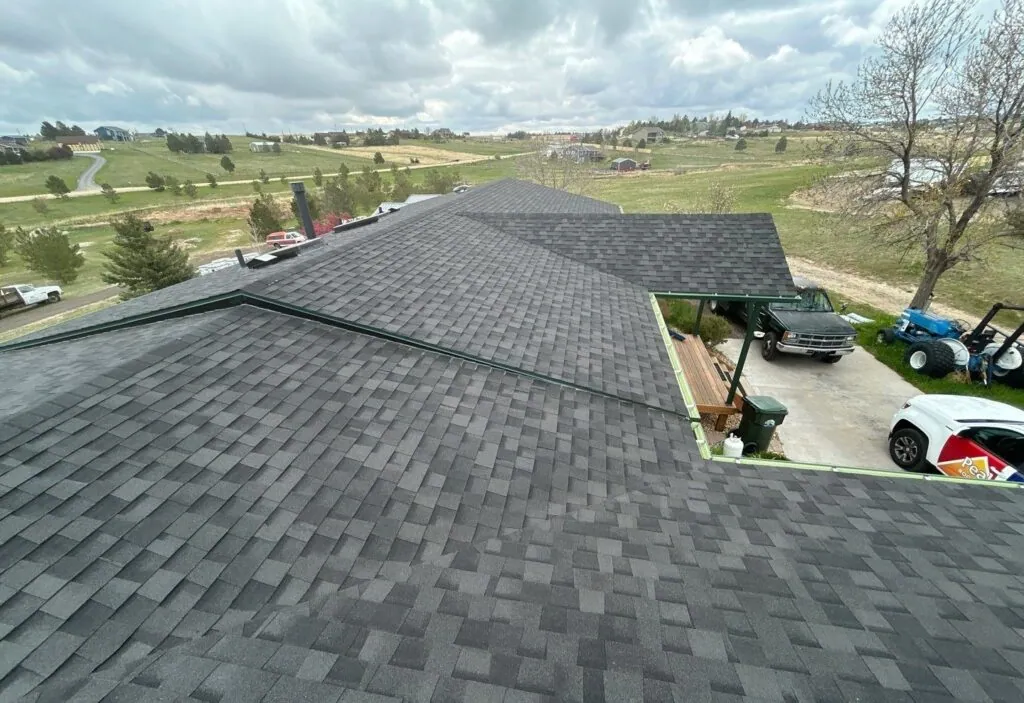
Peak To Peak Roofing installs Class 4 impact-resistant systems across Colorado Springs, meeting PPRBD permit requirements and 130 mph wind standards. Every roof replacement includes code-compliant ice barrier installation, balanced attic ventilation, and full inspection documentation, and Peak to Peak Roofing Colorado Springs supports the insurance claim from first photo to closeout.
Certified, Accredited, And Reviewed






These reference points come from PPRBD requirements, the IRC, and the manufacturer standards our crews follow. Confirm current requirements with the building department before budgeting.
| Code or standard factor | Requirement or threshold | Why it matters |
|---|---|---|
| Permit authority | Pikes Peak Regional Building Department | Handles applications, code review, and final inspection across the region. |
| Wind-speed standard | 130 mph design wind speed | Sets six-nail patterns and high-wind starter strip requirements. |
| Wind rating classification | ASTM D7158 Class H | Rated for 150 mph three-second gusts on qualifying systems. |
| Impact resistance | UL 2218 Class 4 | Reduces hail damage and supports El Paso County premium discounts. |
| Ice barrier coverage | 24 inches inside the wall line | Required at eaves and valleys, with stricter assemblies above 7,000 feet. |
| Drip edge sequencing | IRC R905.2.8.5 | Under eave underlayment, over rake underlayment, verified at inspection. |
| Attic ventilation ratio | 1:150, or 1:300 when balanced | Balanced intake and exhaust reduce ice dams and thermal cycling damage. |
Standards cited: IRC R905.2.8.5, ASTM D7158, UL 2218. Confirm current PPRBD permit fees and adopted amendments before budgeting.
The Front Range hail corridor and 6,000-foot elevation create a punishing environment for roofing materials. Most architectural shingles fail within 12 years here unless they carry UL 2218 Class 4 impact resistance and proper UV inhibitors. We've replaced dozens of roofs where homeowners chose standard three-tab shingles to save upfront cost, only to face complete replacement after a single storm and a hail damage claim. Housing stock varies by decade across the city: older Westside and Old Colorado City homes often carry plank decking with wider gaps that change how ice barrier and drip edge get detailed, while newer Banning Lewis Ranch and Wolf Ranch subdivisions use OSB decking and engineered trusses that handle ventilation differently. Confirm your deck type and build year with us before assuming a one-size spec applies.
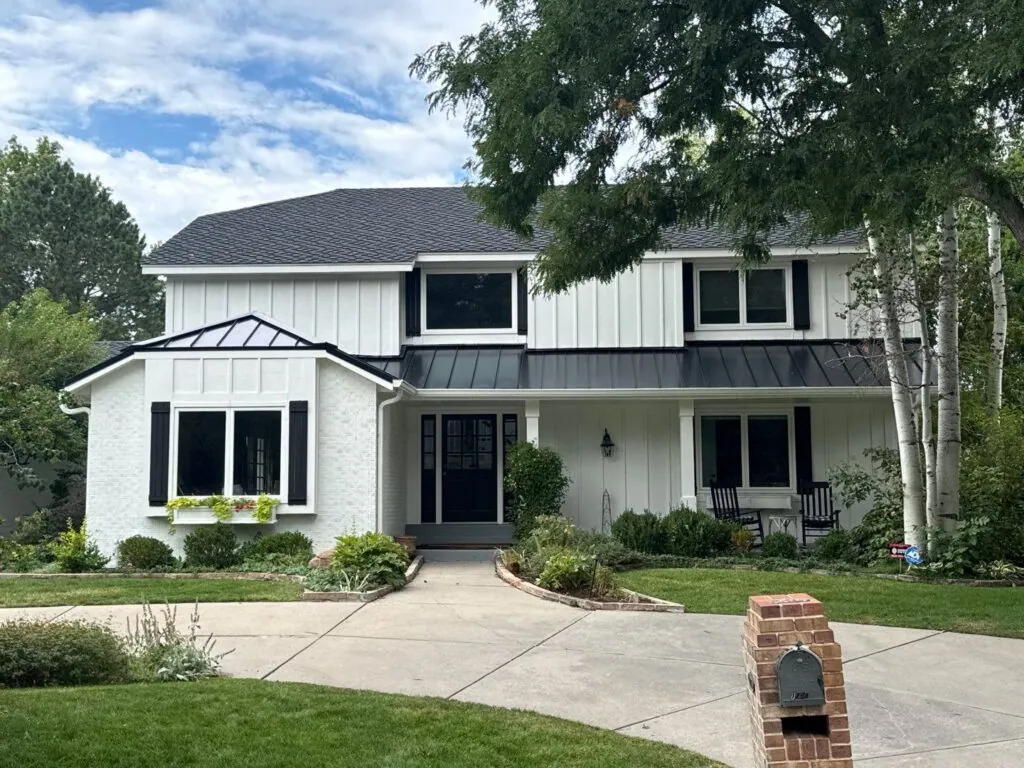
Homeowners here need a contractor who understands PPRBD inspection protocols, can document hail damage for insurance claims without waiving deductibles, and installs systems that survive the next windstorm. Peak To Peak Roofing delivers permit-to-closeout service with transparent pricing, manufacturer-backed warranties, and experience across asphalt and metal roofs.
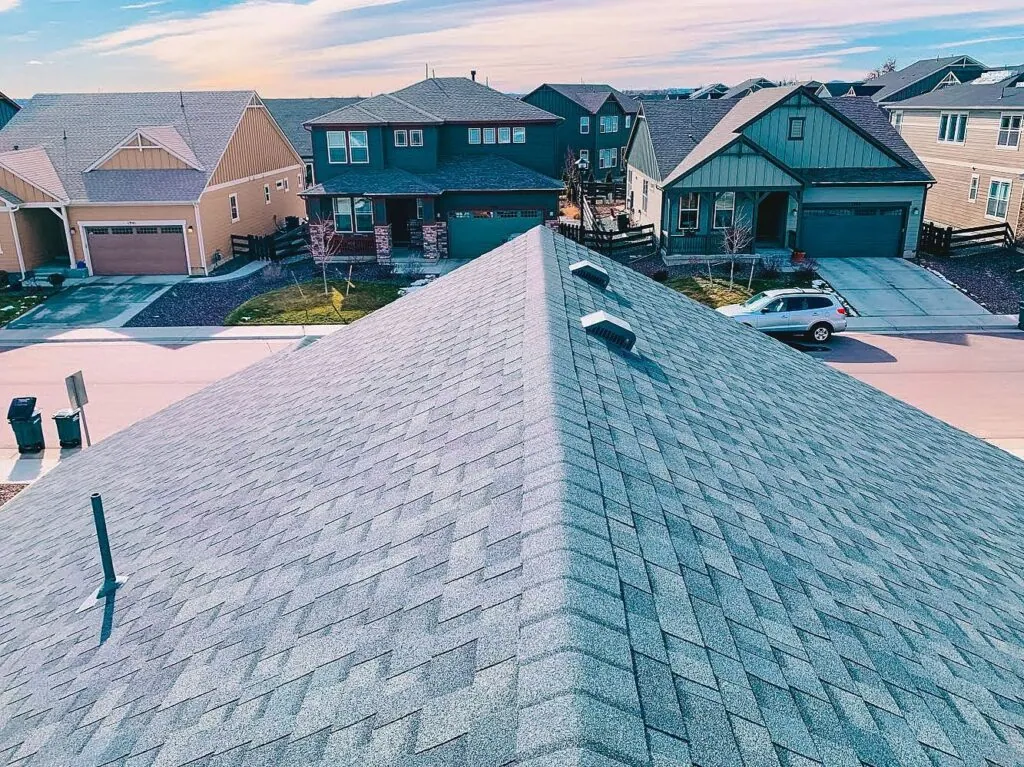
Every Colorado Springs project runs the same permit-to-closeout path, from PPRBD application through final inspection, whether the work is a [roof leak repair](/roof-leak-repair/) or a full tear-off.
We confirm the project scope triggers permit thresholds, submit applications to the Pikes Peak Regional Building Department, and track approval timelines before scheduling tear-off.
Drip edge goes under eave underlayment and over rake underlayment per IRC R905.2.8.5, and ice barrier extends 24 inches inside the wall line above 7,000 feet.
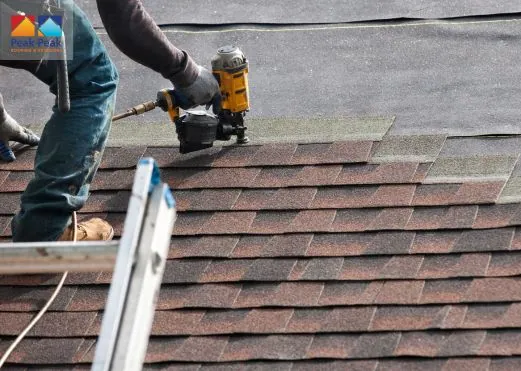
The PPRBD inspector verifies fastener patterns, flashing sequencing, and ventilation NFA ratios before closeout. We provide as-built documentation and warranty registration packets.
Most contractors install ice barrier because code requires it, but few explain why the 24-inch interior extension matters or what happens when you skip the primer on porous decking. Properties above 7,000 feet must use either two layers of cemented underlayment or self-adhered polymer-modified bitumen, and ventilation ratios shift from 1:150 to 1:300 net free area when intake and exhaust are balanced. Homes near Cheyenne Mountain, Broadmoor, and the Ute Pass foothills commonly sit above that elevation line, while lower-lying Powers Corridor and east-side subdivisions fall under the standard eave coverage. We check the property's elevation against PPRBD's adopted amendments rather than assuming a citywide rule.
Elevation verification: We confirm property elevation using USGS data before specifying ice barrier coverage.
Self-adhered membrane: Grace Ice & Water Shield or equivalent applied at eaves, valleys, and penetrations.
Ventilation calculation: Ridge and soffit vent net free area balanced to prevent moisture accumulation and thermal bridging.
For Mary Jo, we confirmed her existing roof already met ventilation code and discouraged unnecessary eyebrow vents that tend to leak in wind-driven rain. The honest answer saved her money and avoided creating new failure points, even though it meant walking away from additional work. A roofing inspection is where those calls get made.
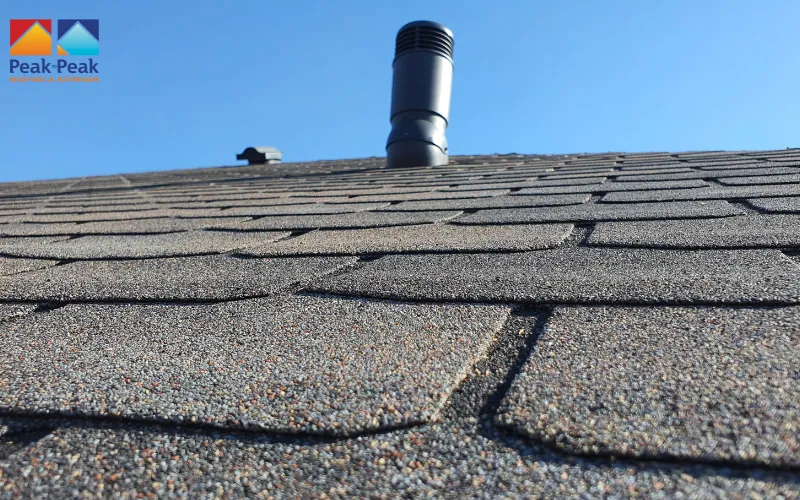
You notice dark streaks running down from the ridge, or you find granules collecting in your gutters after every rainstorm. Maybe you see lifted shingle tabs after a windstorm, or water stains spreading across your ceiling. These symptoms point to specific failure modes that worsen quickly in Colorado Springs weather.
Peak To Peak Roofing serves homeowners throughout Colorado Springs and the surrounding Front Range communities. Our crews regularly work in Briargate, Rockrimmon, and the northern growth corridor, as well as properties along the Palmer Divide and in Fountain, alongside our Denver roofing work and the rest of the areas we serve.
We coordinate permit applications and inspection schedules with PPRBD timelines, so projects in city limits and unincorporated county areas follow the correct approval path. Northern neighborhoods near Monument face longer wind exposure, while properties on the east side see more hail frequency, so we adjust fastening patterns and material specs accordingly.
Local climate hazards, municipal permitting details, and engineered roofing systems across the Colorado Springs area.
Location & Neighborhoods
Target ZIP Codes
Local Landmarks & Housing Styles
Codes & Inspection Rules
Regional Weather & Roofing Systems
Location & Neighborhoods
Target ZIP Codes
Local Landmarks & Housing Styles
Codes & Inspection Rules
Regional Weather & Roofing Systems
Location & Neighborhoods
Target ZIP Codes
Local Landmarks & Housing Styles
Codes & Inspection Rules
Regional Weather & Roofing Systems
Location & Neighborhoods
Target ZIP Codes
Local Landmarks & Housing Styles
Codes & Inspection Rules
Regional Weather & Roofing Systems
Dispatched Directly From Our Denver Headquarters
Located at 4155 E Jewell Ave #1100, Denver, CO 80222. Our licensed inspectors provide zero-cost storm damage assessments and full Xactimate insurance support across every Colorado Springs ZIP code.
Same crews, same permit process, dispatched across the Front Range.
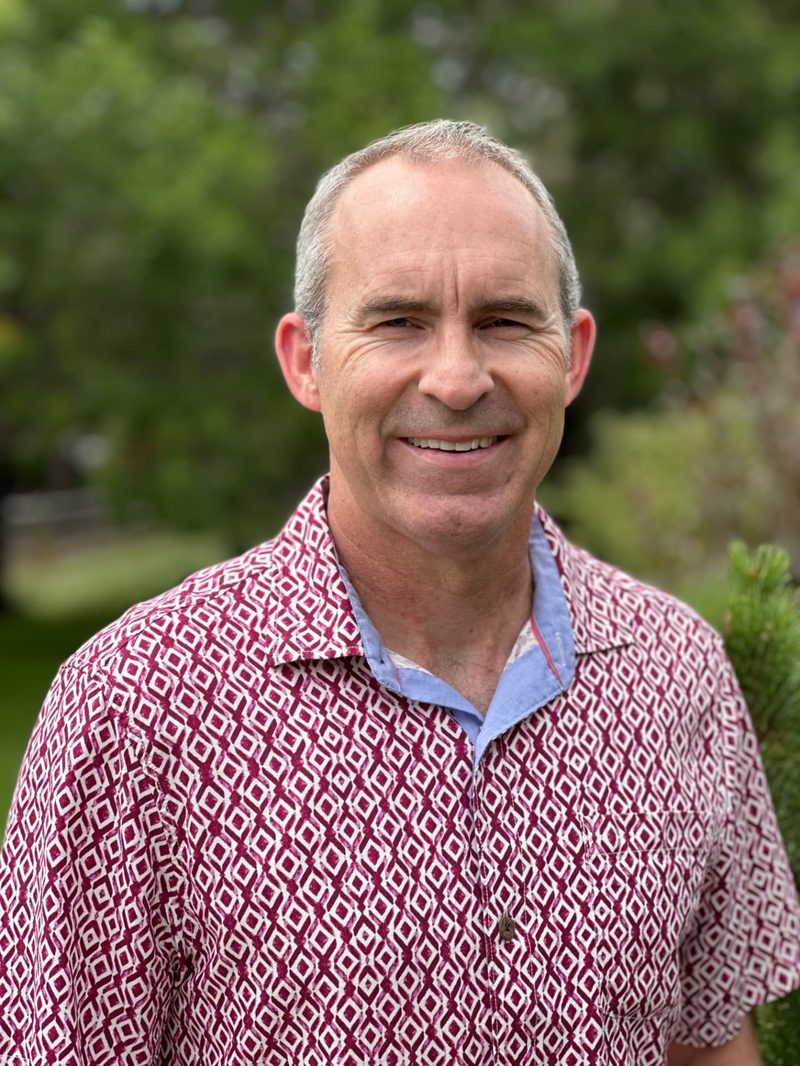
JJ Hedden
Founder & Owner
Meet The Owner
JJ Hedden founded Peak to Peak Roofing & Exteriors so Colorado Springs property owners would have a roofer who is still reachable after the truck pulls away. He came up through inspections, claims and installations, so the standards our crews work to are the ones he set on roofs himself.
He still reads the inspection photos, checks ventilation and flashing before a scope goes out, and meets adjusters on the complicated claims. In Colorado Springs that matters, because the same storm can total one roof and leave the one next door fine.
Whether you need hail damage documentation for an insurance claim, a permit-ready replacement estimate, or emergency leak repair, Peak To Peak Roofing provides transparent pricing and code-compliant installations.




4.9/5 from happy homeowners
● Inspectors Available Today in Colorado Springs
Plus, get a free upgraded underlayment on any full replacement.
"Peak to Peak was great, they helped me with a repair on my roof. Helped me to extend the life of my roof."
- Luke Howard
Free inspection, same day answers