Clips and Fasteners
Clips that let panels move with temperature, or screws installed to the correct depth with sound washers.

Metal roofing is a long-term choice that comes in more forms than most people expect: standing seam, exposed-fastener panels and stone-coated steel, each with different looks, costs and details. Peak To Peak Roofing in Denver installs residential metal roofing and helps you compare panel types, finishes and accessories so the roof fits the house and how long you plan to stay.
Certified, Accredited, And Reviewed




Metal is not one product. The difference between a panel that lasts fifty years and one that leaks in fifteen is usually where the fasteners go and how thick the steel is.
| Panel type | How it fastens | Common steel gauge | Hail and snow behavior | Best fit |
|---|---|---|---|---|
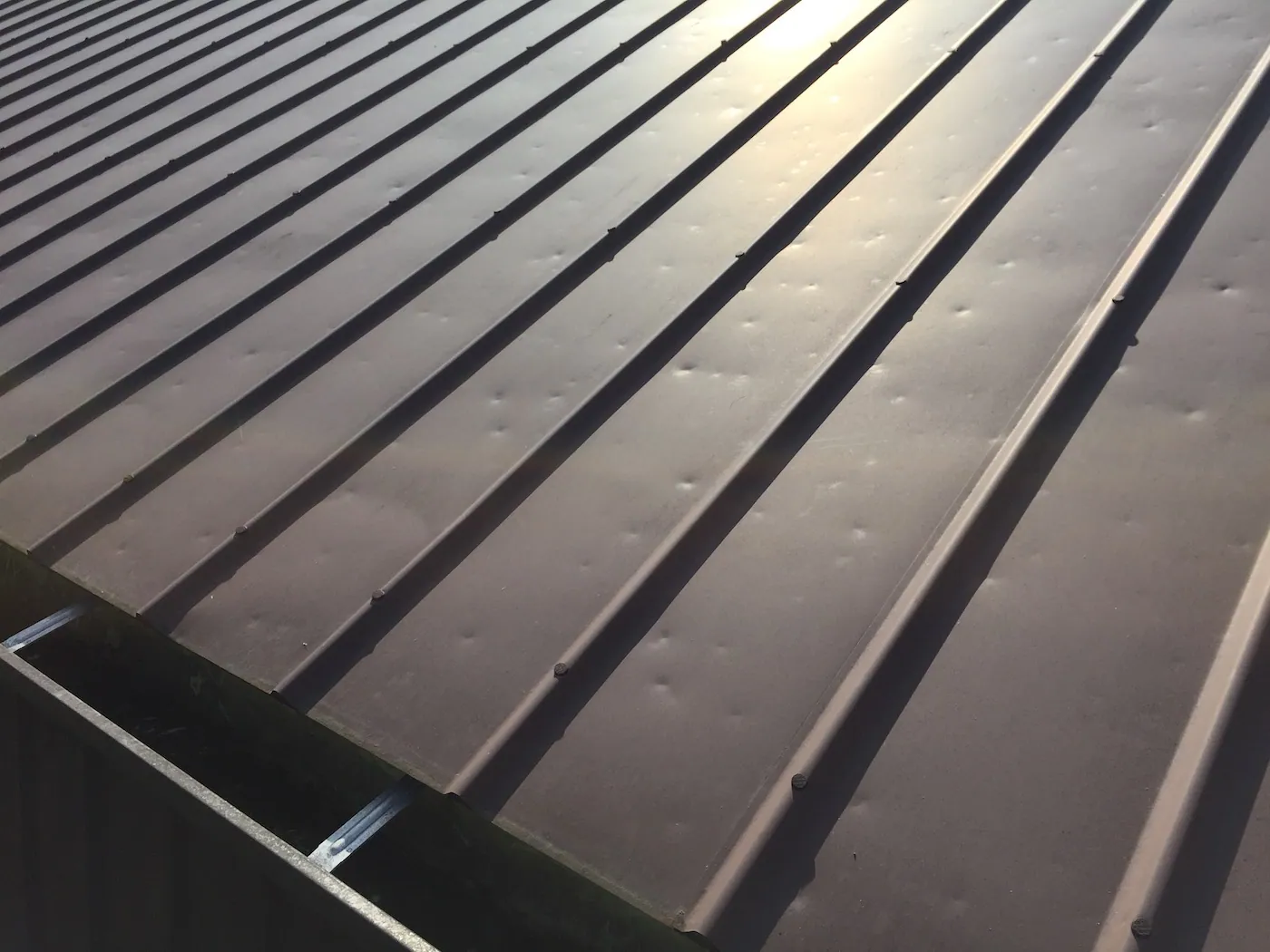
| Standing seam | Concealed clips. No fasteners penetrate the weather surface. | 24 or 26 gauge (24 is thicker) | Sheds snow well. Can show cosmetic denting from large hail, though function is usually unaffected. | Long term residential and architectural commercial roofs. |
| Exposed fastener, also called R panel or Ag panel | Screws driven through the panel face into washers. | 26 or 29 gauge | Sheds snow well. Washers degrade over time and become the leak point. | Barns, shops and budget conscious low slope to steep slope applications. |
| Stone coated steel | Interlocking panels on battens or direct to deck. | 26 gauge with stone chip surface | The stone layer hides minor denting. Many products carry a UL 2218 Class 4 impact rating. | Homes where hail cosmetics matter and a tile or shake look is wanted. |
| Corrugated | Exposed fasteners through the ribs or valleys. | 26 or 29 gauge | Lightweight, dents more readily than heavier gauge panels. | Utility structures and accessory buildings. |
| Aluminum standing seam | Concealed clips, same as steel standing seam. | 0.032 or 0.040 in thickness | Will not rust, but is softer than steel and dents more easily under hail. | Coastal or high corrosion settings. Less common inland in Colorado. |
Gauge numbers run backward: a lower number means thicker metal, so 24 gauge is heavier than 29 gauge. Minimum slopes follow International Residential Code R905.10 for metal roof panels, generally one half unit in 12 for standing seam with sealed laps and three units in 12 for lapped, nonsoldered seam panels. Impact ratings reference UL 2218. Confirm specific ratings on the manufacturer product data sheet for the panel selected.
"Metal roof" covers several very different systems. These are the ones most often used on homes. Each type has a different price point, look and maintenance routine, so the right one depends on the house and how long you plan to stay.
Panel type drives appearance, cost and maintenance more than any other choice.
Metal costs more up front than shingles. These are the reasons owners decide it is worth it. The trade-off is cost. Metal makes the most sense for owners who plan to stay long enough to benefit from its life span.
Peak to Peak holds an A+ rating with the Better Business Bureau, is an Owens Corning Platinum Preferred Contractor, and has a 4.9-star average across 415 Google reviews.

Most metal roof problems come from the details, not the panels. These are the parts to ask about. These details are also where installation experience shows. Good panels can still leak if the trim and flashing are rushed.
Clips that let panels move with temperature, or screws installed to the correct depth with sound washers.
A high-temperature underlayment suited to metal, since panels can get much hotter than shingles.
Ridge, eave, rake and wall trim formed to fit, where most leaks on metal roofs start.
Placed above doors, walkways and lower roofs where sliding snow could cause damage or injury.
Two metal roofs that look alike can perform very differently depending on thickness and coating. Thicker metal and better finishes cost more, so compare these alongside the warranty terms.
Gauge: Lower numbers mean thicker metal. Thicker panels resist denting and oil-canning better but cost more.
Metal: Coated steel is the most common choice for homes. Aluminum resists corrosion but dents more easily.
Finish: High-performance paint systems, such as PVDF finishes, hold color and resist chalking longer than basic paints.
Hail rating: Some panels carry impact ratings. Even rated panels can dent cosmetically, so ask how your insurer treats cosmetic damage.
Ask for the product data sheet and warranty for the exact panel, gauge and finish being quoted.

Moving from shingles to metal changes a few things beyond the look of the house. Many owners say the biggest adjustment is snow sliding off all at once, which is why snow guard placement matters.
Keeping a few spare panels and trim pieces after installation makes future repairs easier, since colors and profiles change over time.

Peak To Peak Roofing serves homeowners throughout Denver and surrounding areas, providing metal roofing repair, replacement, and insurance claim support directly at their properties. The service area covers Denver, Aurora, Littleton, and Castle Pines, accessible via I-25, I-70, and C-470, and serving communities including Cherry Creek, Highlands, Central Park, and Greenwood Village. Technicians respond quickly to requests throughout the area, offering convenient scheduling that works around customers' availability in Denver and beyond.
Peak To Peak Roofing offers flexible scheduling throughout Denver and surrounding areas, with prompt response times and appointments arranged directly at your property.
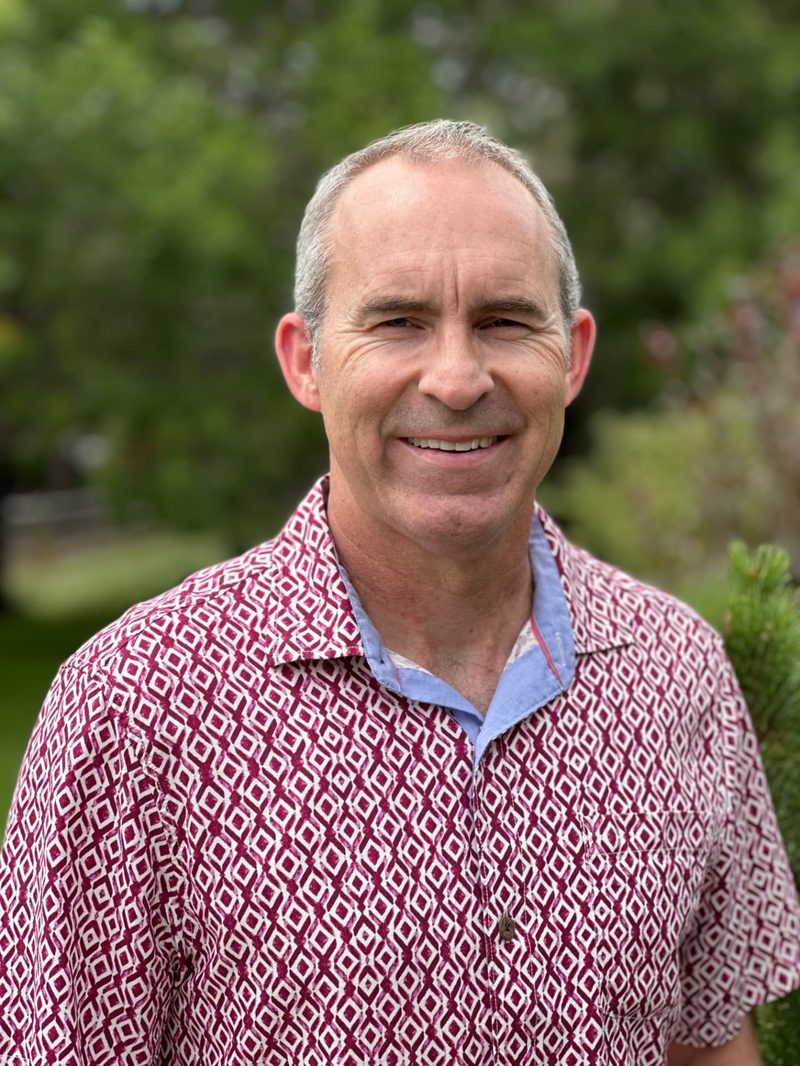
JJ Hedden
Founder & Owner
Meet The Owner
JJ Hedden founded Peak to Peak Roofing & Exteriors so Front Range property owners would have a roofer who is still reachable after the truck pulls away. He came up through inspections, claims and installations, so the standards our crews work to are the ones he set on roofs himself.
Metal is unforgiving, so he sets the details before a panel is ordered: panel profile, fastener pattern, expansion, and the flashing and pitch transitions that decide whether a Front Range metal roof stays tight for decades.
Standing seam, exposed fastener, and metal accent roofing engineered for hail, wind uplift, and decades of Front Range sun.




4.9/5 from happy homeowners
● Metal Roof Consults Available This Week
Panel profile, gauge, finish, and warranty options priced side by side.
"Peak to Peak was great, they helped me with a repair on my roof. Helped me to extend the life of my roof."
- Luke Howard
Free inspection, same day answers