
How Can We Help You On Your Roofing Needs?
A fence is more than just a boundary—it’s an essential part of your home’s character and functionality. At Peak to Peak Roofing, we’re experts in crafting custom fencing solutions that bring together style, privacy, and security. Whether you’re looking to enhance your curb appeal, secure your property, or define outdoor spaces, our custom fences are designed to exceed expectations.
Proudly serving Denver Metro and the surrounding areas, we create fences that stand out for their quality and attention to detail. Don’t wait—transform your property with a custom fence that’s built to last and designed to impress.



A custom fence isn’t just functional—it’s a statement piece that defines your outdoor spaces while enhancing their value. At Peak to Peak Roofing, we design fences that perfectly match your style and serve your unique needs.
Here’s why a custom fence is a must-have:
From sleek modern designs to classic wooden styles, we’ll help you choose a fence that complements your home’s architecture and enhances its overall value.
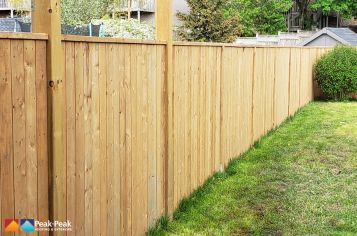
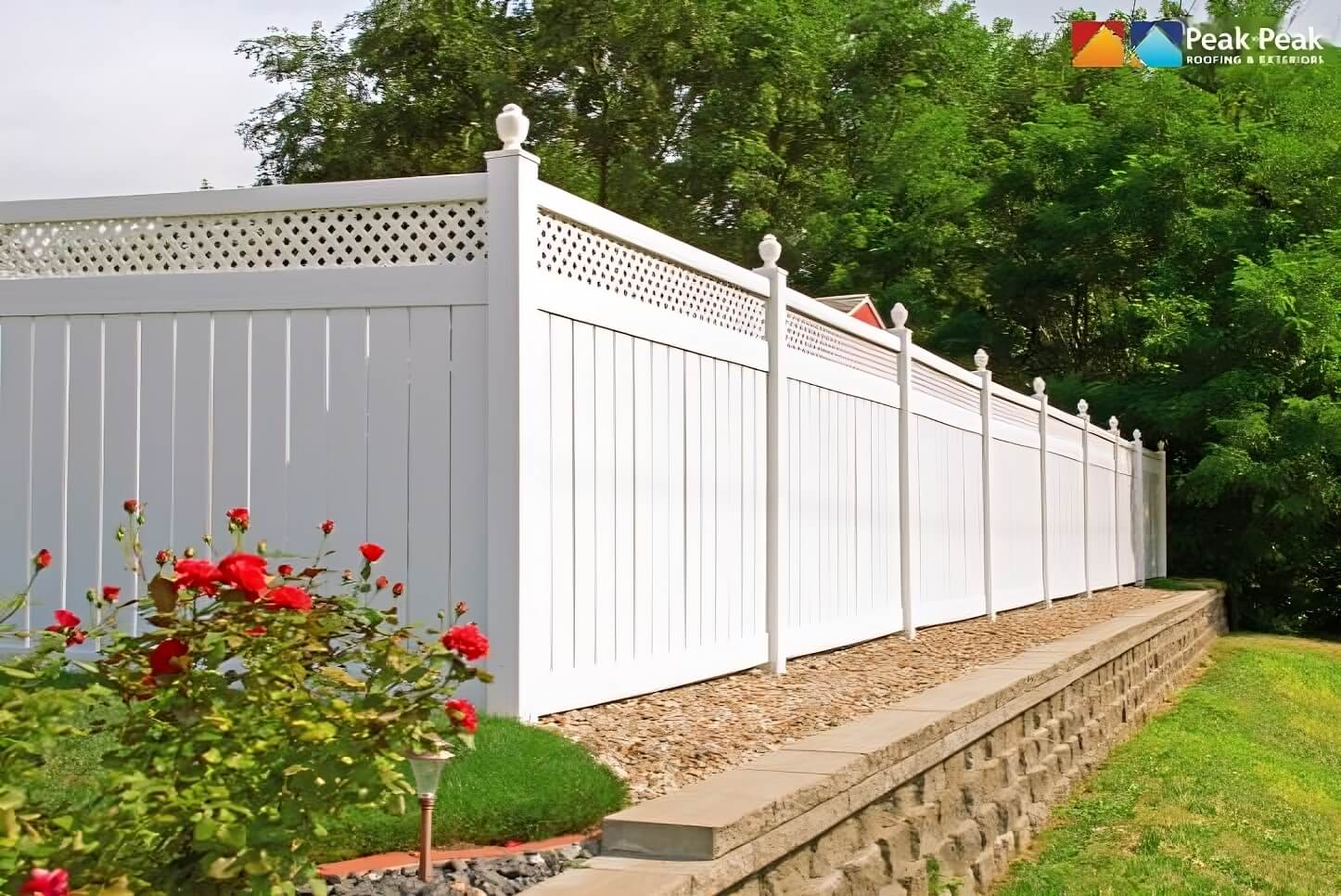
Fences in Colorado face unique challenges, from heavy snowfall to intense sun exposure. That’s why we build custom fences with durability and functionality in mind.
Act now to secure a fence that's as strong as it is stunning.
From pressure-treated wood to high-quality vinyl and metal, we use materials that can handle Colorado's climate.
Every fence is custom-built to match your property's layout and your aesthetic preferences.
Our team takes pride in attention to detail, ensuring every fence we build is flawless.
Choose materials that require minimal upkeep, giving you peace of mind for years to come.
Act now to secure a fence that’s as strong as it is stunning.
A fence isn’t just about creating a boundary—it’s about enhancing your home’s functionality and value. Here’s how a custom fence makes a difference:
At Peak to Peak Roofing, we understand the importance of balancing aesthetics with functionality. Let us help you create a fence that serves its purpose beautifully.
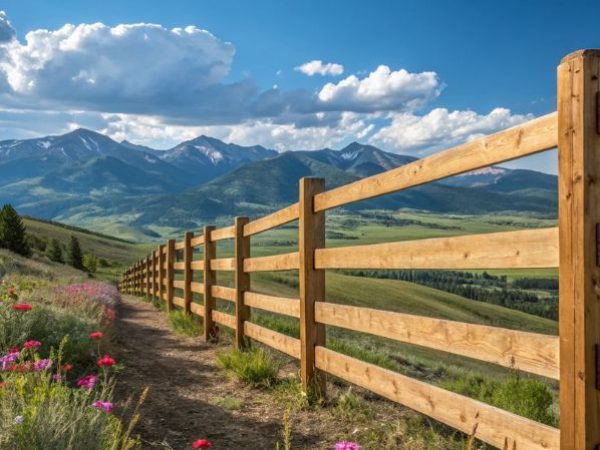
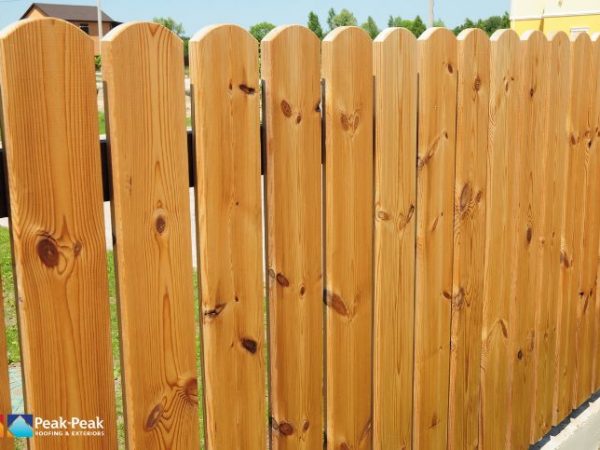
Your fence should be more than functional—it should make a statement. Here are some of the latest fencing trends we can bring to your property:
Let’s start creating a fence that reflects your vision and adds a unique touch to your property.
Looking for reliable fence contractors near you? Peak to Peak Roofing proudly serves Denver Metro and surrounding areas, offering expert custom fencing solutions that blend style, security, and functionality.
Our Custom Fencing Services Include:
We build fences that fit your property and your needs. Contact us today for your free estimate and see why we’re Colorado’s trusted fencing experts.
A custom fence is more than an upgrade—it’s an investment in your home’s security, style, and value. With Peak to Peak Roofing’s custom fencing services, you can enjoy peace of mind and a beautiful outdoor space.
Click below to schedule your free estimate and start building the fence of your dreams today!
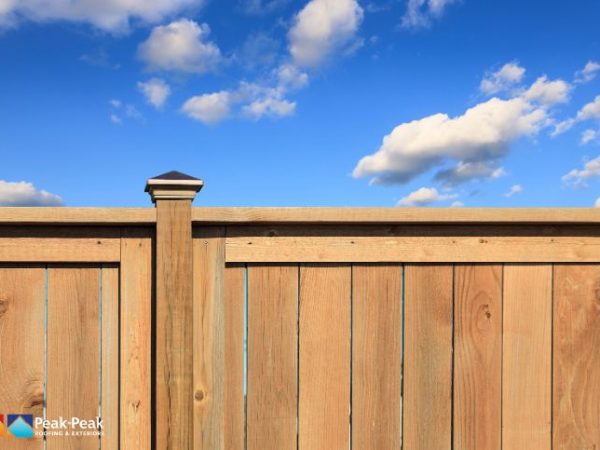
A custom fence is the best solution for property owners looking to enhance their home with a structure that is uniquely theirs. Unlike pre-made fences, which can feel generic and require adjustments to fit, a custom fence is designed specifically for your property. This means you can select the type of fence, materials, height, and features that align perfectly with your aesthetic and functional needs. Whether you need a privacy fence for seclusion or a decorative design for curb appeal, a custom option ensures your fence fits beautifully and works effectively.
At Peak to Peak Roofing, we collaborate with you to design and install a quality fence that balances style and practicality. Whether you’re drawn to the timeless beauty of a wood fence or the low-maintenance durability of a vinyl fence, we’re here to guide you through the process. Working with local fence companies like ours guarantees that your fence is tailored to Colorado’s unique conditions and built to last.
When you choose Peak to Peak Roofing, you’re partnering with one of the best fence companies in the region. We prioritize your vision and deliver fences that transform your property into a secure, stylish, and functional space. Contact us today to explore the possibilities for your new fence.
Choosing the best fence materials for your property in Colorado is essential to ensure durability, longevity, and visual appeal. The state’s weather, which includes heavy snow, high winds, and intense sun, demands materials that can handle these extremes. Pressure-treated wood is a favorite among property owners for its natural charm and classic aesthetic. However, wood fences require regular maintenance to prevent weather-related wear. Vinyl fences are an excellent choice for a low-maintenance option. They resist warping, cracking, and fading, making them a reliable and long-lasting solution.
At Peak to Peak Roofing, we pride ourselves on being one of the best fence companies for material selection and installation. We consider your specific needs, whether you’re prioritizing budget, style, or long-term performance. Whether you need a sleek vinyl fence or a rustic wood design, our team ensures that your new fence not only looks great but also meets the demands of Colorado’s climate.
By partnering with local fence companies like ours, you gain access to quality materials and expert advice. Let our team help you choose the perfect solution to build a fence around your property that adds beauty, privacy, and value.
The timeline for installing a custom fence depends on various factors, including the size of your property, the type of fence you choose, and any specific design features. On average, most residential fence projects can be completed within a few weeks, but larger or more intricate designs may take additional time.
At Peak to Peak Roofing, we are committed to providing property owners with transparency and efficiency. During your free consultation, our expert fence contractors will provide a personalized timeline that accounts for every detail of your project. Whether you need a privacy fence for your backyard or a decorative fence around your garden, our team ensures a smooth and stress-free installation process.
As one of the best local fence companies in Colorado, we take pride in our attention to detail and quality workmanship. Our professional team manages everything from planning to installation, ensuring that your new fence is both durable and stylish. Let us show you why we’re trusted by homeowners across the Denver Metro area to deliver the best fence solutions.
Investing in a custom fence is one of the smartest choices a property owner can make. A custom fence offers benefits beyond aesthetics—it enhances privacy, improves security, and adds significant value to your home. Unlike pre-made options, a custom fence allows you to choose the materials, design, and features that best suit your property and personal style.
At Peak to Peak Roofing, we design and install fences that elevate your property while meeting your specific needs. Whether you’re considering a privacy fence for a peaceful outdoor retreat, a durable vinyl fence for low maintenance or a decorative wood fence to complement your landscaping, we ensure the finished product reflects your vision.
Local property owners trust us to deliver quality fence solutions that stand the test of time. As one of the best fence companies in Colorado, we combine expert craftsmanship with premium materials to create fences that enhance your outdoor living space and provide lasting satisfaction. Whether you need a new fence or an upgrade to an existing one, contact us today to see why custom fencing is a worthwhile investment for your home.
Our company has a proven track record of installing and maintaining hundreds of roofs with a strong focus on reliability and exceptional craftsmanship. Our ultimate goal is to go above and beyond our customers’ expectations. We would be honored to earn your trust and be your go-to roofing contractor.