Full Roof Replacement
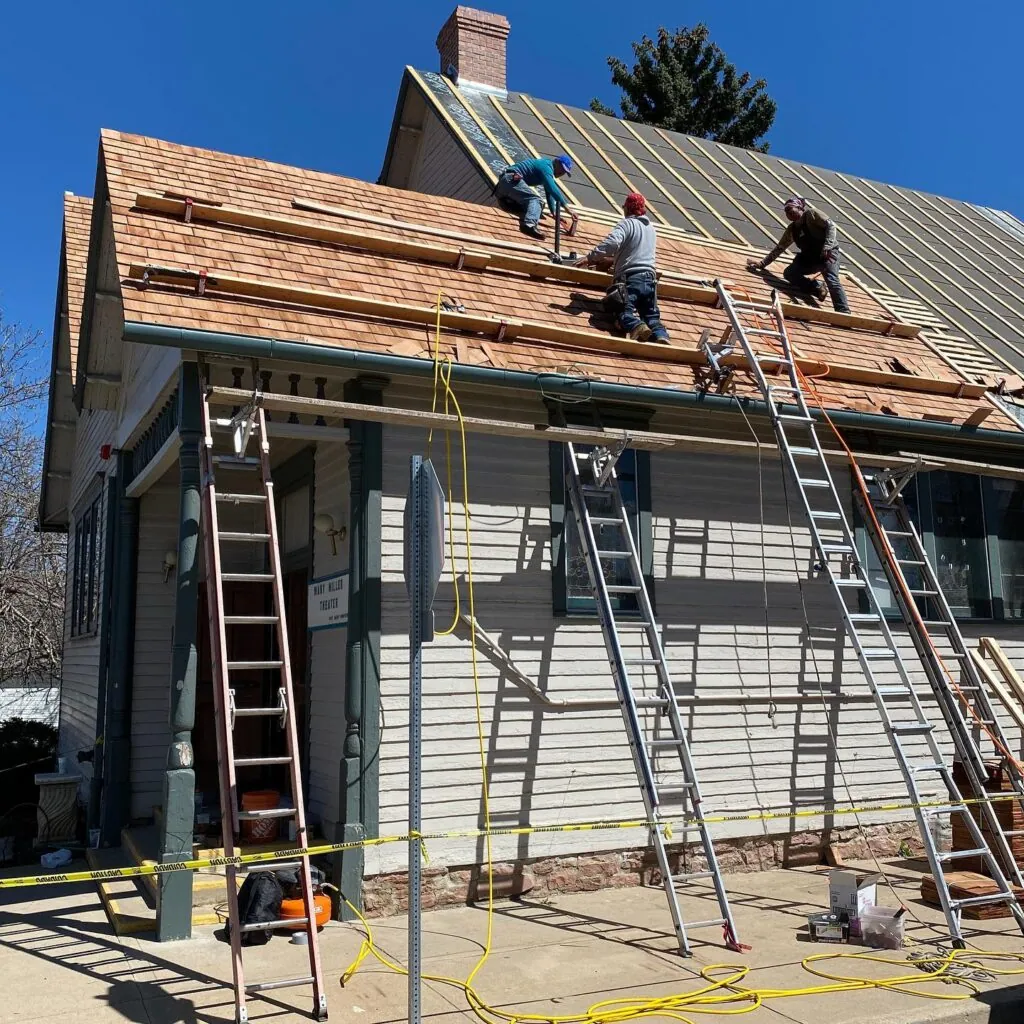
Tear-off to the deck, replacement of soft or damaged sheathing, new underlayment and ice barrier, new flashing, balanced ventilation and the roofing product you chose.


Most roof damage in Denver comes from hail impact and ice dam formation at the eaves, where water backs up under shingles during freeze-thaw cycles that repeat dozens of times each winter. Peak To Peak Roofing provides residential roof repair, full roof replacement, and insurance claim support in Denver using impact-rated materials and eave protection that extends past the warm wall line. The process includes permit coordination and adjuster documentation, which matters because most insurance claims get delayed or reduced when scope photos and code references are missing.
Certified, Accredited, And Reviewed






A house roof is an assembly of layers, not just shingles. Each row follows one component of that system and where to learn more about it.

Field guidance informed by the roofing standards and service approach of JJ Hedden, owner of Peak to Peak Roofing & Exteriors. About JJ
JJ Hedden's field tipJJ Hedden's field tipJJ Hedden's field tipJJ Hedden's field tipJJ Hedden's field tipJJ Hedden's field tipJJ Hedden's field tip| Fan-out question | Related entity | JJ Hedden's field tip |
|---|---|---|
| How do I know if the decking under my shingles is sound? | Roof deck (plywood, OSB or plank sheathing) | Deck condition is confirmed only after tear-off, so ask how soft boards will be photographed and priced. It is a core line item in any full residential roof replacement scope. |
| What goes under the shingles at eaves and valleys? | Synthetic underlayment and ice and water barrier | Self-adhered ice barrier belongs at eaves, valleys and penetrations per the adopted code and manufacturer instructions. Confirm placement in writing before work starts. |
| Why does my roof leak at the chimney or a wall? | Step flashing, counterflashing and pipe boots | Most house leaks start at a detail, not mid-slope. Our residential roof leak repair at flashing and vents focuses on those tie-ins first. |
| Why do I get ice dams or a hot attic? | Attic intake and exhaust ventilation | Balanced soffit intake and ridge exhaust control heat and moisture, and insulation keeps warm air off the deck. Pair the roof with attic insulation and air sealing upgrades. |
| Should I choose impact-rated shingles or metal? | Class 4 shingles vs. standing seam metal | Compare impact rating, wind rating and weight on each product's data sheet. For long service life, review standing seam metal roofing for homes. |
| Did hail actually bruise my shingles? | Shingle impact damage and granule loss | Dented vents and gutters are clues, but shingle bruising needs a hands-on check. Start with a residential hail damage roof assessment. |
| How should I maintain a new roof? | Post-install upkeep and warranty registration | Keep valleys and gutters clear, trim overhanging limbs and keep your warranty paperwork. An annual residential roof inspection catches lifted shingles and boot cracks early. |
General guidance only. Requirements vary by jurisdiction and manufacturer, so confirm specifics for your home and product.
On a house, the field of shingles is rarely the first thing to fail. Water usually finds its way in at transitions: step flashing where a roof meets a sidewall, counterflashing around a brick chimney, pipe vent boots that crack under sun exposure, and open or closed valleys that carry the most water on the roof. Skylight curbs and dormer cheek walls are close behind.
That is why a residential roof inspection should trace a stain back to the detail that let water in, not just patch the shingle above it. If you are seeing water now, our roof leak repair service for Denver-area homes focuses on finding that entry point before anything is sealed.
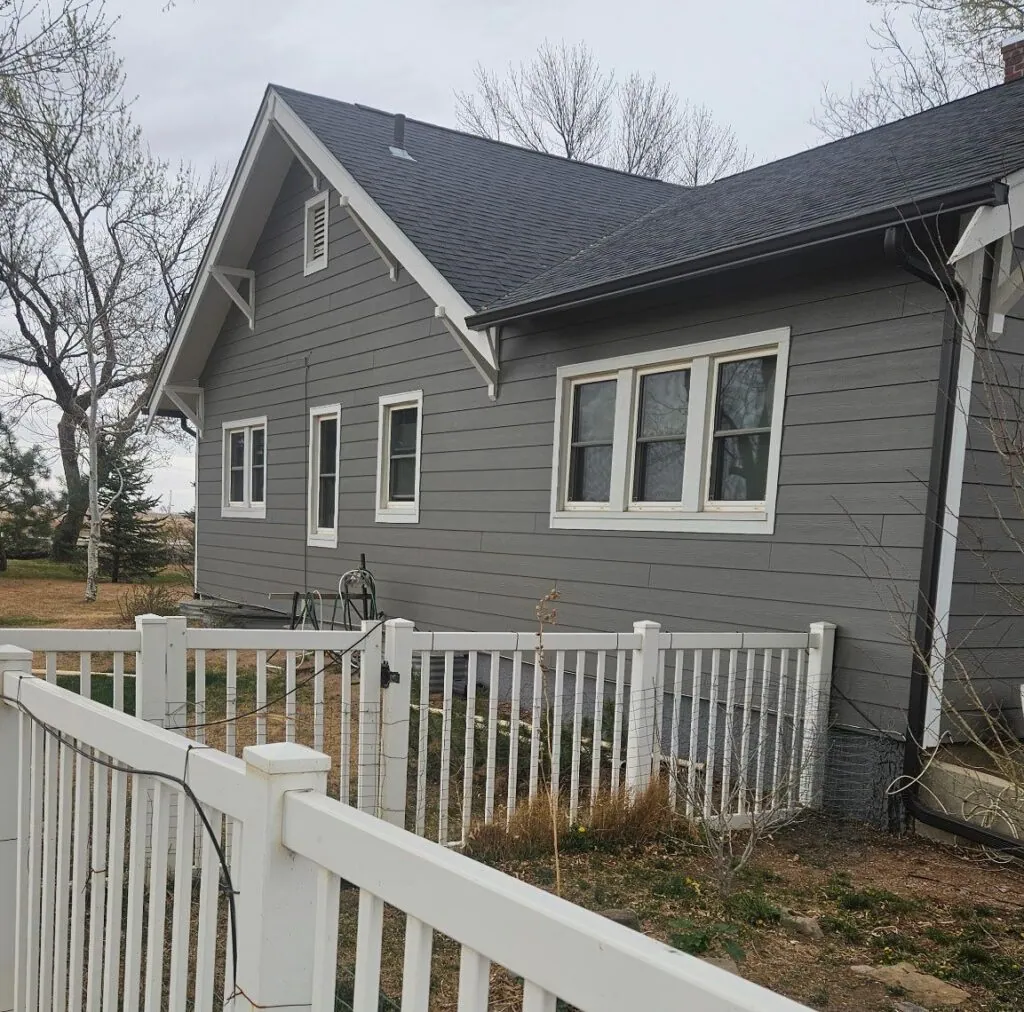
A residential roof is an assembly. The rafters or trusses carry the roof deck, usually plywood or OSB sheathing on newer homes and plank boards on many older ones. Over the deck goes underlayment, with self-adhered ice barrier at eaves and valleys, then drip edge, starter strip, the shingles or metal panels, and finally ridge cap and ventilation components.
Each layer protects the one beneath it, and each depends on the others. A strong Class 4 shingle cannot make up for a soft deck or missing ice barrier, and an unvented attic shortens the life of every layer above it. When a full roof replacement on your home is on the table, ask how each layer will be inspected and documented, not just which shingle is going on.
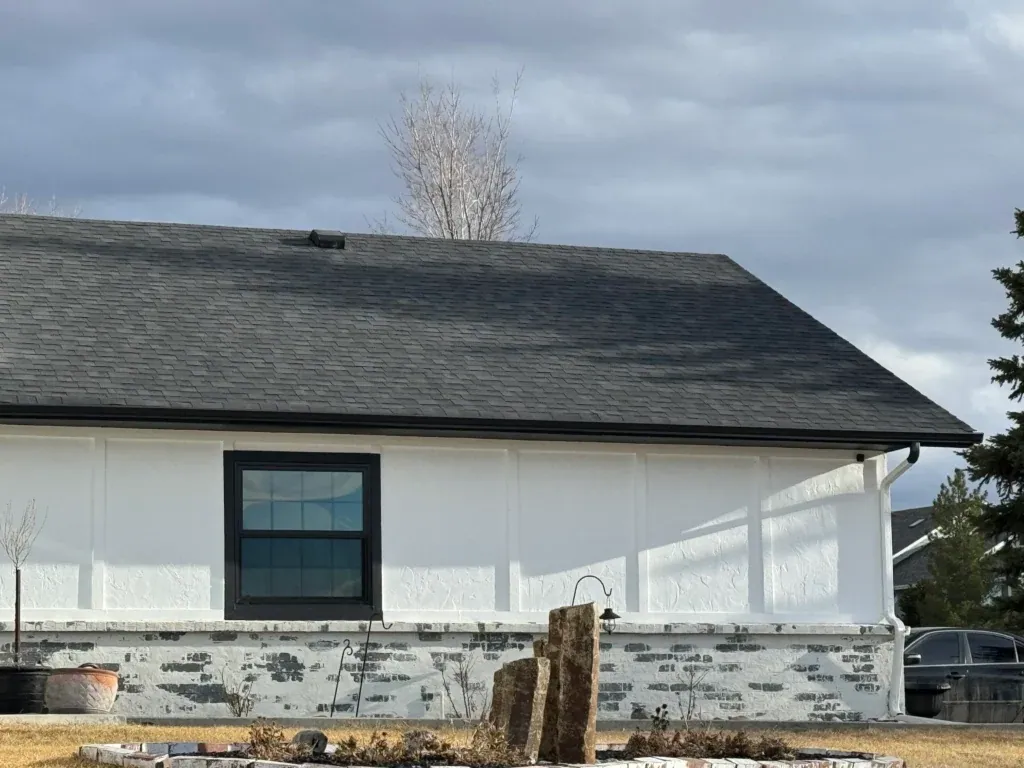
Different symptoms point to different services. A single active drip usually calls for a targeted repair. Granules in the gutters, dented soft metals or a recent hailstorm call for a documented inspection first. Widespread aging, curling, or repeated leaks in different areas start pointing toward replacement. Hail damage that may be covered by your policy brings in storm claim documentation and adjuster support.
Some homes also need work beyond the shingles: attic insulation and ventilation corrections, gutters that carry water away from the fascia, or siding repairs where the roof meets the wall. Matching the service to the actual symptom keeps you from paying for work your house does not need.
Tear-off to the deck, replacement of soft or damaged sheathing, new underlayment and ice barrier, new flashing, balanced ventilation and the roofing product you chose.
Bruised shingles, dented vents and damaged gutters documented with photos, then repaired or replaced to match the rest of the house.
Plank decks with gaps, delaminated OSB and water-stained plywood are found during tear-off and replaced so fasteners hold properly.
Step flashing at walls, counterflashing at chimneys, pipe boots and valley details rebuilt where most house leaks begin.
Soffit intake and ridge or roof exhaust sized for the attic, so heat and moisture leave instead of aging shingles and causing frost.
Impact-rated shingles, standing seam metal or a different color and profile, compared on data sheets before you commit.
Every home starts in a different place, so pick the page that matches what you are dealing with today. If you are handling a building instead of a house, our commercial roofing services cover flat and low slope systems across the metro.
A documented walk of every slope with photos of granule loss, flashing gaps and soft metal hits so you know the real condition before spending anything.
Learn moreTest square documentation and impact mapping across Denver neighborhoods, built to hold up when an adjuster questions whether the damage is storm related.
Learn moreTargeted leak tracing and flashing correction that stops water at the source instead of covering the stain and waiting for the next melt cycle.
Learn moreFull tear-off and installation with impact-rated shingles, balanced ventilation and permit coordination handled from application through final inspection.
Learn moreXactimate scoping, code references and adjuster meetings so your claim reflects the full replacement scope rather than a partial slope repair.
Learn moreStanding seam and metal accent systems for Colorado homes that want hail resistance and a service life measured in decades, not shingle cycles.
Learn moreMost of what makes a residential roof last is invisible once the job is done. Nail placement and count follow the manufacturer's instructions, because wind ratings only apply when shingles are fastened to spec. Starter strip runs along eaves and rakes, ice barrier laps correctly into valleys, and step flashing is installed piece by piece rather than bent as one long strip.
Ventilation is the other half. Balanced soffit intake and ridge or roof exhaust, sized for the attic, help control heat and moisture that age shingles and cause condensation. If your attic is undersized on airflow or insulation, pairing the roof with attic insulation and ventilation upgrades addresses the cause rather than the symptom.
Fastening: Nail count and placement follow the shingle maker's instructions, since wind ratings depend on it.
Edges: Drip edge and starter strip at eaves and rakes keep wind and water from getting under the first course.
Valleys and walls: Ice barrier laps into valleys, and step flashing goes in piece by piece at each course along a wall.
Airflow: Intake and exhaust are balanced, and different exhaust types are not mixed on one attic.
When Rose needed a leak repaired and damaged tile replaced, we documented rotting wood and walked through the estimate before scheduling the fix. For Denver Calvary, we replaced a church building section using the same inspection-first approach that surfaces hidden deck damage before covering it.
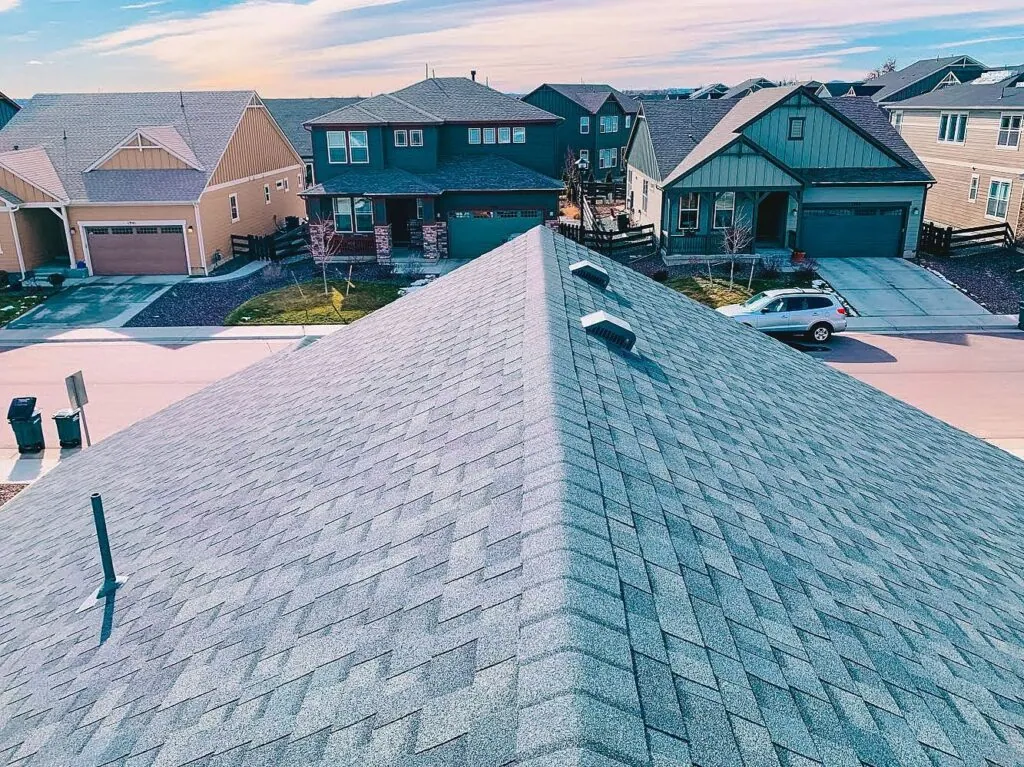
A residential roofing project generally moves through the same stages: an inspection with photos, a written scope that lists each layer and detail, material and color selection, any HOA approval, the permit required by your local building department, tear-off and deck evaluation, installation, required inspections, and a final walkthrough.
The stages that most often slow a project are approvals and weather windows, not the installation itself. Keep the closeout photos, permit records and warranty registration together, since they matter when you sell the home or file a future claim. A professional roof inspection with photo documentation is the usual first step.
Peak to Peak Roofing in Denver serves homeowners throughout Denver and surrounding areas, providing residential roof repair, replacement, and insurance claim support directly at their properties. The service area covers Denver, Aurora, Littleton, and Castle Pines, accessible via I-25, I-70, C-470, and E-470, and serving communities including Cherry Creek, Highlands, Park Hill, Central Park, and Greenwood Village. Technicians respond quickly to requests throughout the area, offering convenient scheduling that works around customers' availability in Denver and beyond.
Peak To Peak Roofing offers flexible scheduling throughout Denver and the surrounding areas, with appointments available directly at your location when hail damage or leaks require immediate attention.
JJ Hedden
Founder & Owner
Meet The Owner
JJ Hedden founded Peak to Peak Roofing & Exteriors so Front Range homeowners would have a residential roofer who is still reachable after the truck pulls away. He came up through inspections, claims and installations, so the standards our crews hold on your home are the ones he set on roofs himself.
He still reads the inspection photos and meets adjusters on the complicated claims. When the honest answer is that your roof has years left, that is the answer you get instead of a replacement quote.
Shingle, tile, and metal roofing installed to IRC code with a documented scope. Start with a free residential roof inspection. Zero cost, zero pressure.




4.9/5 from happy homeowners
● Residential Inspectors Available Today
Plus a free upgraded underlayment on any full residential replacement.
"Peak to Peak was great, they helped me with a repair on my roof. Helped me to extend the life of my roof."
- Luke Howard
Free inspection, same day answers