Low-Slope Membrane Roofing Services
Our trained specialists deliver code-compliant TPO, EPDM, and PVC installations using FM-approved assemblies and proper drainage design to prevent ponding failures across Denver's commercial properties.


Commercial roofs in Denver fail most often at seams, penetrations, and drainage points, the areas where installation speed conflicts with long-term performance under hail and snow load. Peak To Peak Roofing in Denver handles commercial roofing projects across Denver, Aurora, and Boulder using system-specific protocols for TPO, EPDM, and metal assemblies that address those high-stress zones before leaks develop. The company's 4.9-star rating across 415 reviews reflects completed projects since 2008, and free estimates include a written scope so facility managers can budget without surprises. Building types we work on span tilt-up concrete warehouses, strip retail centers, mid-rise offices, garden-style apartment communities, and restaurant pad sites, each with its own rooftop equipment load and lease structure that shapes the right system.
Certified, Accredited, And Reviewed





Most flat roofs in Denver are one of four membranes. They are not interchangeable. Chemistry, thickness and how the roof gets used should drive the choice, not just price per square foot.
| Membrane | What it is | Common thickness | Typical service life | Reflectivity | Best fit |
|---|---|---|---|---|---|
| TPO | Thermoplastic polyolefin, hot air welded seams. | 45, 60 or 80 mil | Manufacturers commonly warrant 15 to 30 years depending on thickness and system. | White surface, high solar reflectance. | Most Front Range low slope buildings. Cool roof performance plus welded seams. |
| EPDM | Synthetic rubber, seams bonded with tape or adhesive. | 45, 60 or 90 mil | Long field record, commonly warranted 15 to 30 years. | Usually black. White EPDM exists but is less common. | Buildings where flexibility in cold weather and simple detailing matter. |
| PVC | Polyvinyl chloride, hot air welded seams. | 50, 60 or 80 mil | Commonly warranted 15 to 30 years. | White surface, high reflectance. | Restaurants and facilities with grease, oil or chemical exhaust. PVC resists those better than TPO. |
| Modified bitumen | Asphalt sheets reinforced with polyester or fiberglass, torch, mop or self adhered. | Two or three ply systems | Commonly warranted 10 to 20 years. | Granulated surface, low unless coated. | High traffic roofs and buildings wanting redundant plies. |
Material standards: ASTM D6878 for TPO, ASTM D4637 for EPDM, ASTM D4434 for PVC, and ASTM D6162, D6163 or D6164 for modified bitumen sheets depending on reinforcement. Service life figures reflect published manufacturer warranty ranges, not guarantees. Actual life depends on thickness, attachment, drainage, foot traffic and maintenance. Roof replacement in Colorado must also meet the adopted International Energy Conservation Code insulation requirements.
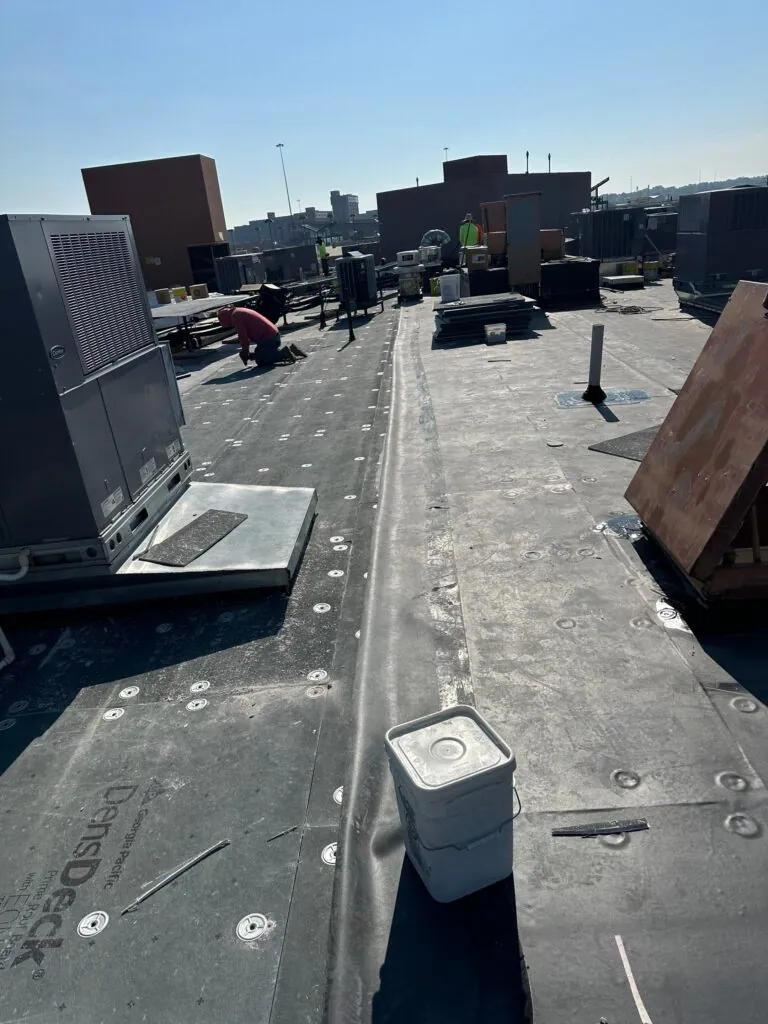
Callbacks stem from skipping the diagnostic steps that reveal hidden conditions. Moisture surveys, deck verification, drainage correction, and post-install QA catch the failures that surface two seasons later when the warranty claim gets denied for improper substrate preparation.
Commercial property owners in Denver look for verified performance and industry standing before committing to a roofing contractor. Peak To Peak Roofing maintains an A+ rating with the BBB, national association memberships, and a 4.9-star rating across 415 Google reviews.
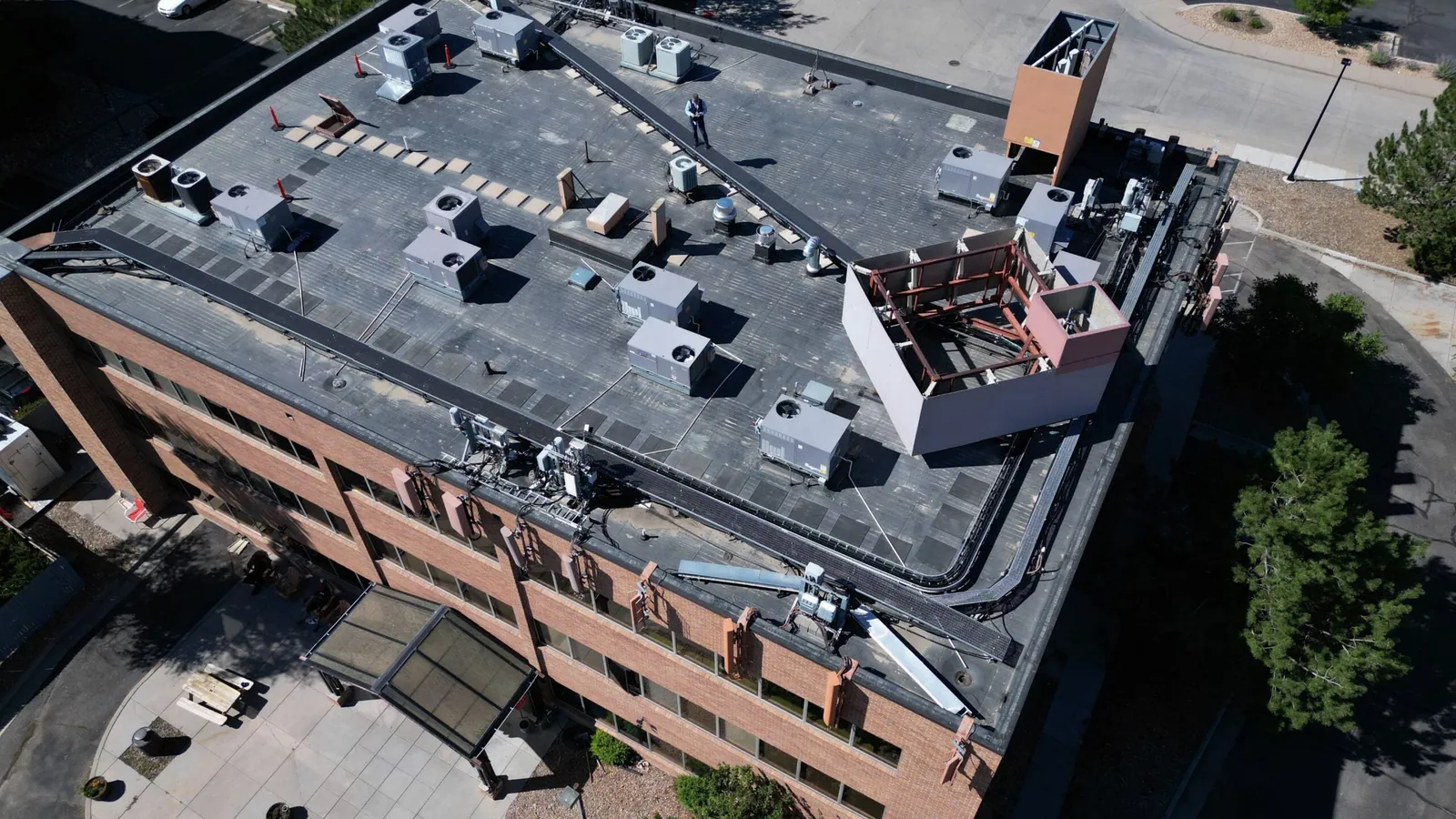
For Kim, we pulled together warranty documentation mid-transaction when lending required proof of completion across all ten condo buildings. When Ryan needed a commercial replacement, we walked through his specific situation before recommending a system, because most portfolio decisions hinge on occupancy constraints and phasing logistics that never appear in a standard proposal. Triple net leases often assign roof responsibility to the tenant while a capital reserve study assigns it to the owner, and knowing which applies before scoping the work avoids disputes over who pays.
Our trained specialists deliver code-compliant TPO, EPDM, and PVC installations using FM-approved assemblies and proper drainage design to prevent ponding failures across Denver's commercial properties.
We provide immediate emergency leak response services and temporary protection using infrared moisture surveys and targeted core sampling to identify hidden saturation before it compromises inventory or operations.
Our experienced teams extend service life through silicone and acrylic coating systems that meet Denver Energy Code cool roof requirements, often paired with a commercial roof maintenance program to sustain performance while eliminating the disruption of full tear-offs.
We manage phased roof replacements across multiple locations using consistent material specifications and coordinated scheduling to minimize tenant impact while maintaining budget predictability for facility managers.
Most commercial property owners discover they need a new roof the same way: a leak appears, the estimate arrives, and suddenly they are managing a project they did not plan for. The process from first call to final inspection typically spans four to eight weeks, with costs ranging from $8 to $14.50 per square foot for mid-tier membrane systems across Denver's commercial market.
Initial Assessment and Scope Definition: Infrared moisture surveys reveal hidden damage.
Engineering and Code Compliance Review: Denver Energy Code R-value calculations drive insulation.
Material Selection and Warranty Architecture: TPO versus EPDM decisions affect twenty-year performance.
Installation Execution and Quality Verification: Seam probing and pull tests validate workmanship.
For Everett, we brought in an experienced engineer to verify the grading improvements and metal capping details before installation began, eliminating the guesswork that derails most commercial projects. Businesses that skip the engineering review during scope definition pay for it twice: once during the rushed fix mid-project, again when the warranty claim gets denied.
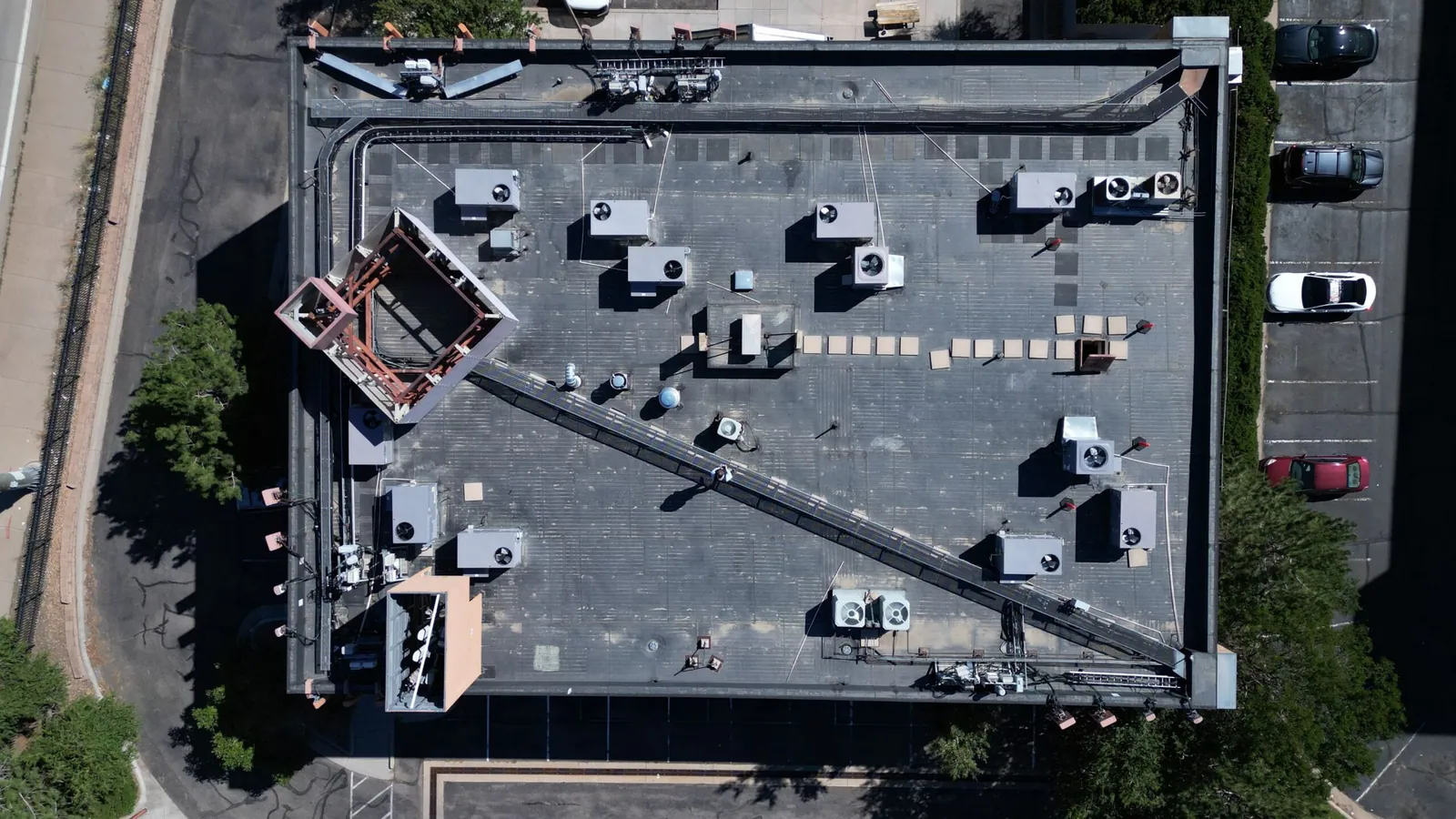
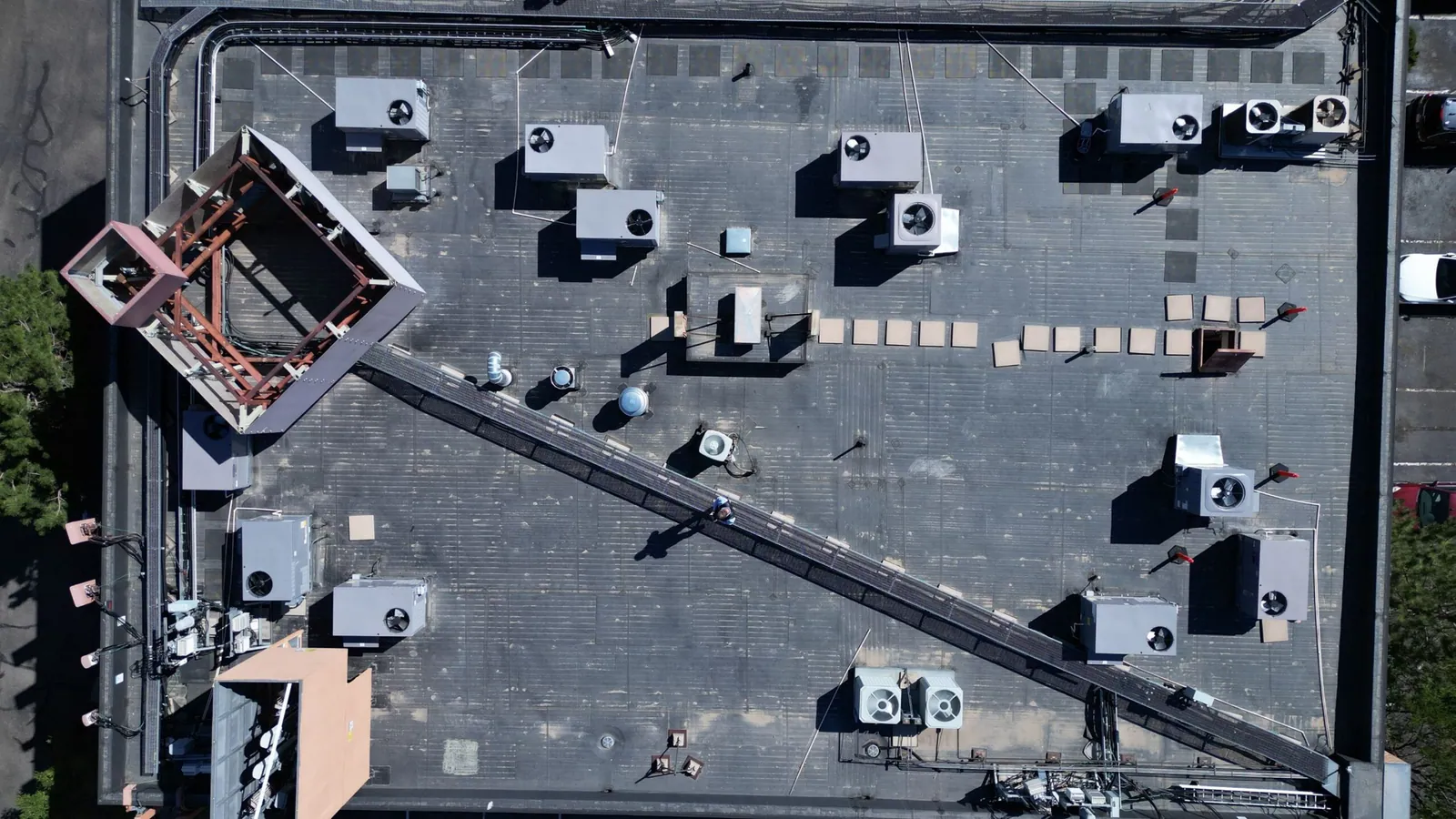
Most facility managers ask about material lifespan and warranty length, but the questions that determine long-term cost are deck condition, attachment method, and whether the assembly meets FM wind uplift and hail standards for Denver's exposure. The roof that costs less now often costs more within five years.
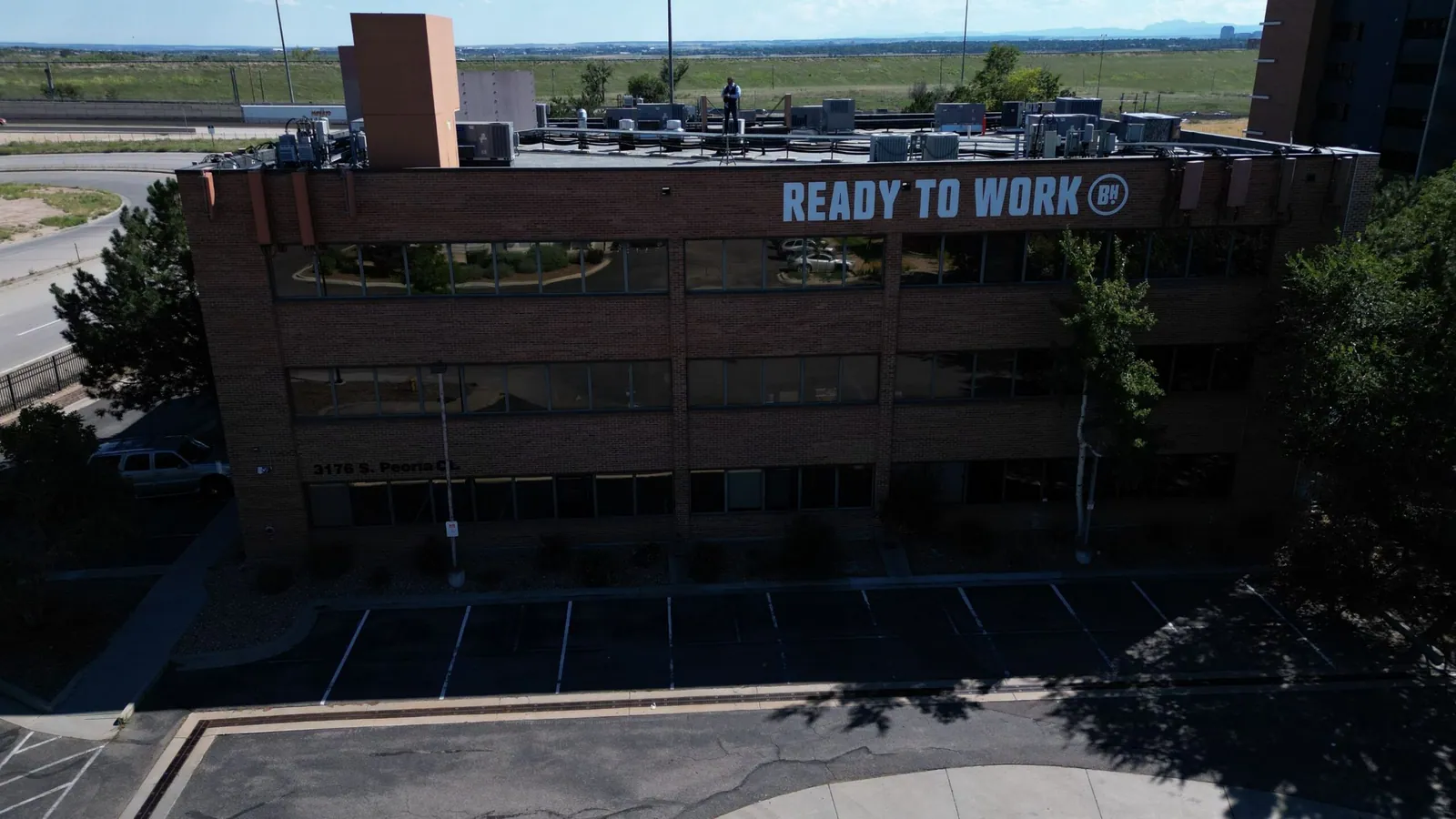
Peak To Peak Roofing serves commercial property owners throughout Denver and the surrounding areas, providing roofing services directly at their facilities. The service area covers Denver, Aurora, Littleton, and Castle Pines, accessible via I-25, I-70, E-470, and C-470, serving communities including Cherry Creek, Highlands, LoDo, Central Park, and DTC. Crews respond quickly to requests throughout the metro area, offering convenient scheduling that works around business operations and minimizes tenant disruption. Permits for commercial reroofing in Denver route through the Denver Building Department's plan review process, and surrounding jurisdictions like Aurora and Boulder run separate permitting and inspection schedules that affect project timing.
Peak To Peak Roofing offers flexible scheduling throughout Denver and surrounding communities, with emergency response available directly at your commercial property when weather damage strikes. Property owners who also need work done at home can rely on the same crews for residential roofing services.
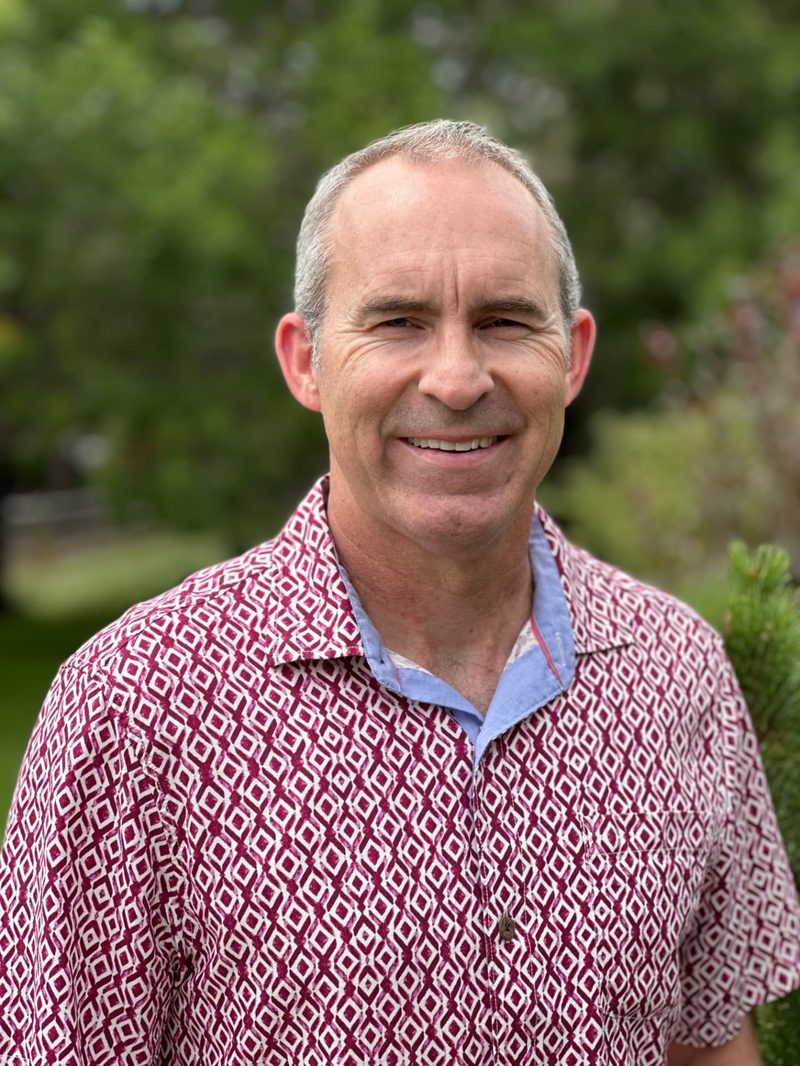
JJ Hedden
Founder & Owner
Meet The Owner
JJ Hedden founded Peak to Peak Roofing & Exteriors so Front Range property owners would have a roofer who is still reachable after the truck pulls away. He came up through inspections, claims and installations, so the standards our crews work to are the ones he set on roofs himself.
On commercial work he stays close to the details that cost building owners money later: seam and membrane quality, drainage and ponding, curb and penetration flashing, and a schedule that keeps the tenants working while the crew is on the roof.
TPO, EPDM, modified bitumen, restoration, and maintenance for Denver metro facilities, scheduled around your operations instead of interrupting them.




4.9/5 from happy homeowners
● Commercial Surveys Available This Week
Core samples, moisture scan findings, and a documented condition report.
"Peak to Peak was great, they helped me with a repair on my roof. Helped me to extend the life of my roof."
- Luke Howard
Free inspection, same day answers