Solar Panel Installers

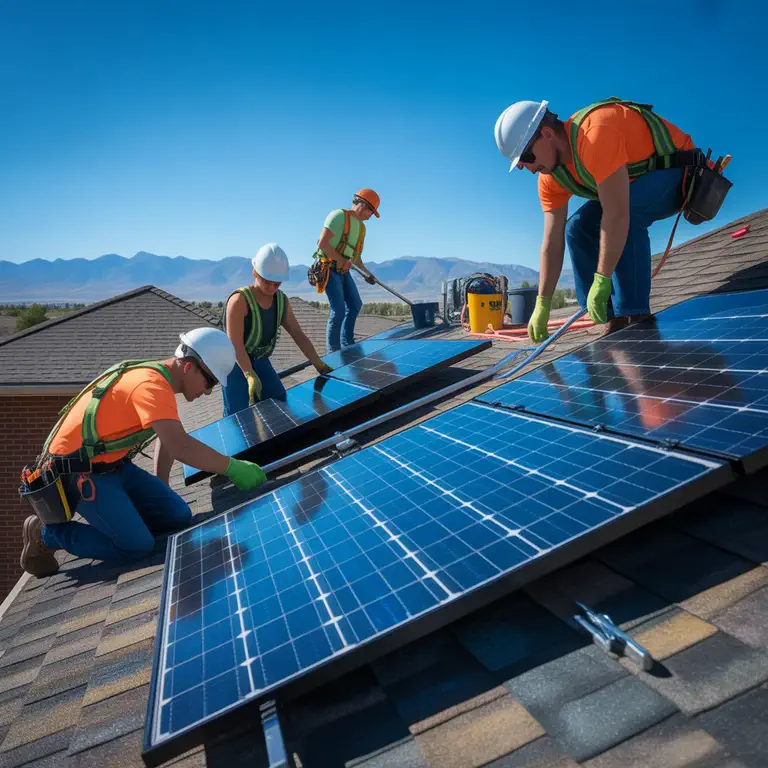
Quick Summary: Picture cutting your energy costs while your home’s value climbs and you make a real environmental impact. Peak To Peak Roofing & Exteriors turns your roof into an asset that generates income for decades through solar panels installed by professionals who know roofing systems inside and out alongside modern solar technology.

Get a Free Inspection

Fill-in the form & request your free roof inspection.

  • This field is for validation purposes and should be left unchanged.
  • This field is hidden when viewing the form

Our Certifications & Accreditations

What Our Clients Say

We have installed and serviced hundreds of roofs, building our reputation on honesty and quality. We strive to exceed the expectations of our customers and want to be your roofing contractor for life.

Key Benefits of Residential Solar Panel Systems

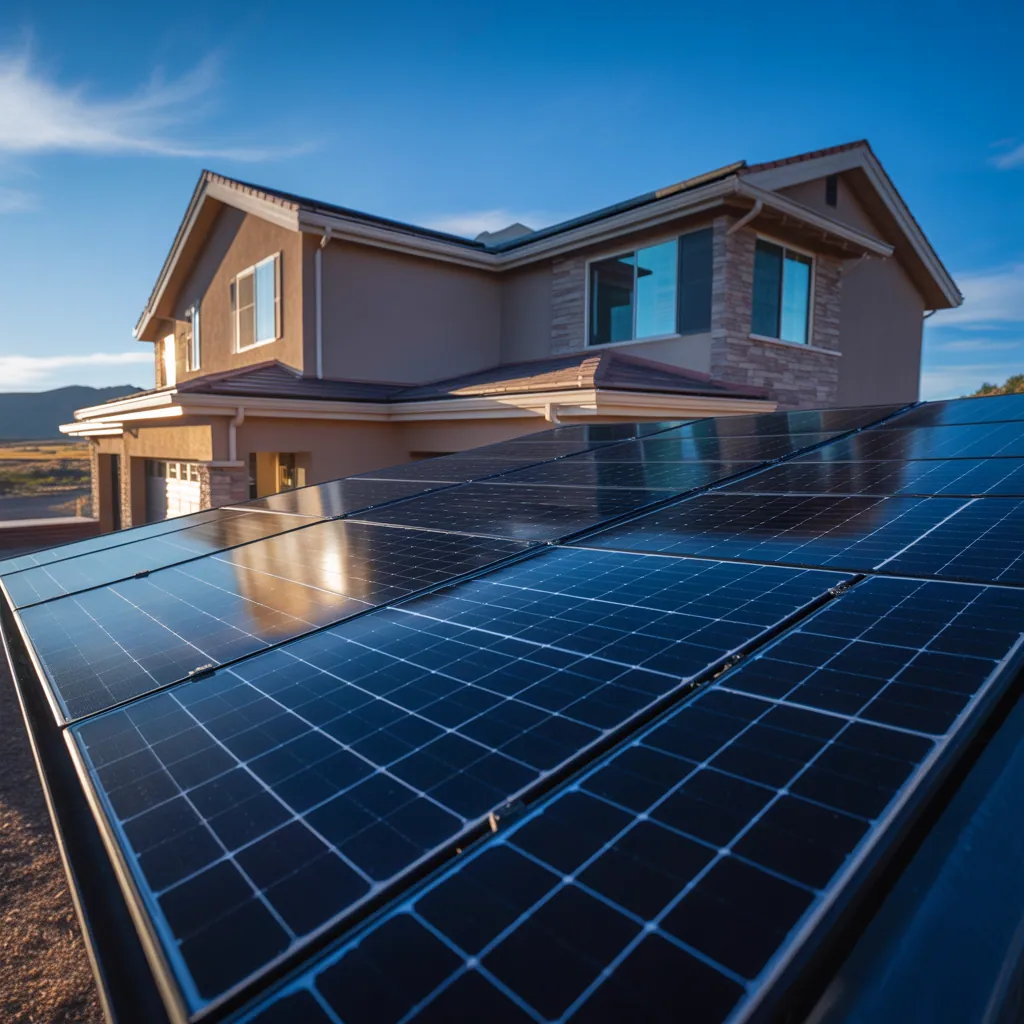
Core Advantages: Home solar panels cut your dependence on the grid, boost what your property’s worth, and lock in predictable energy costs for years. Installing a system shields you from climbing utility bills and qualifies you for federal tax credits that offset the upfront investment.

Why Homeowners Choose Solar Energy Solutions

  • Property Value Boost: Homes with solar systems appeal to buyers who prioritize long-term energy savings and lower utility costs.
  • Environmental Impact: Clean energy helps reduce your carbon footprint while powering your home efficiently.
  • Tax Incentives Available: Federal credits help reduce what you pay upfront for installation right now.
  • Long-Term Savings: You’re locking in energy costs for the next several decades.

How Solar Panel Installation Processes Work

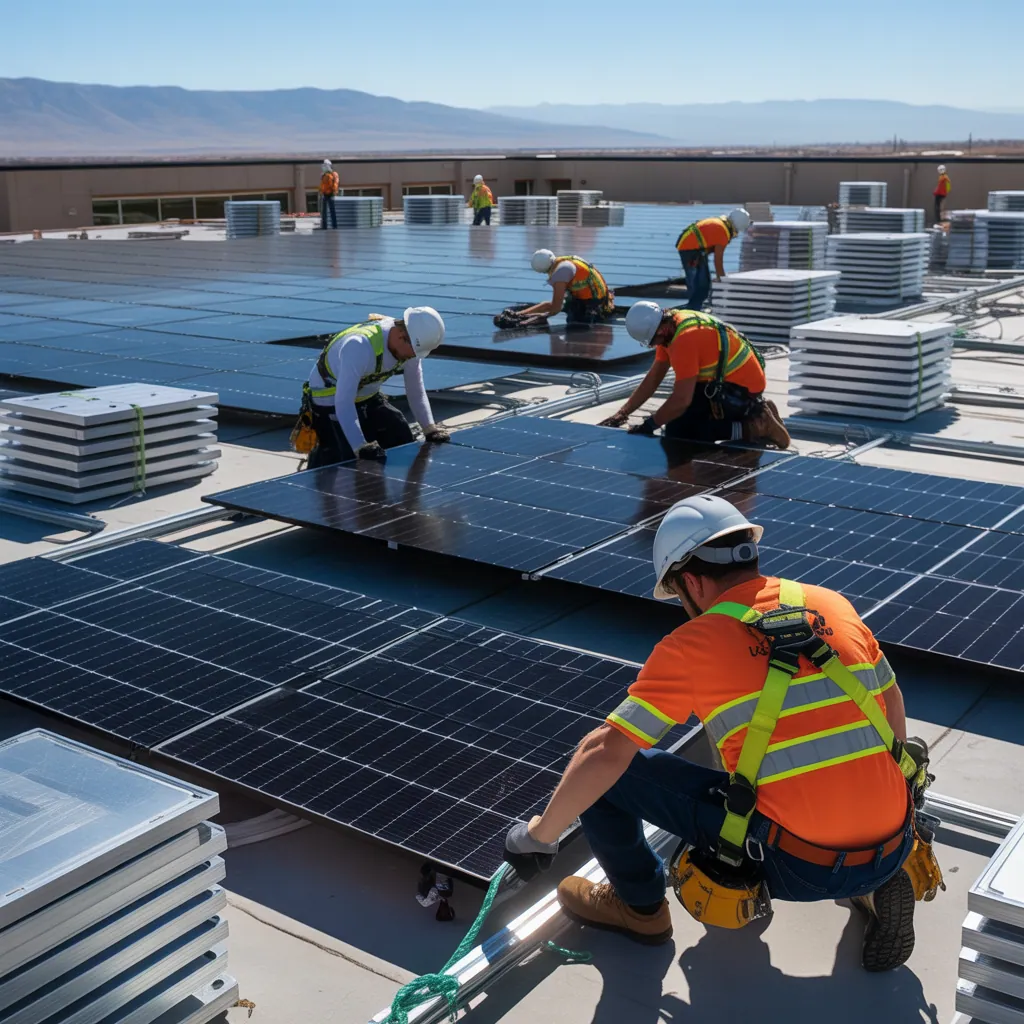
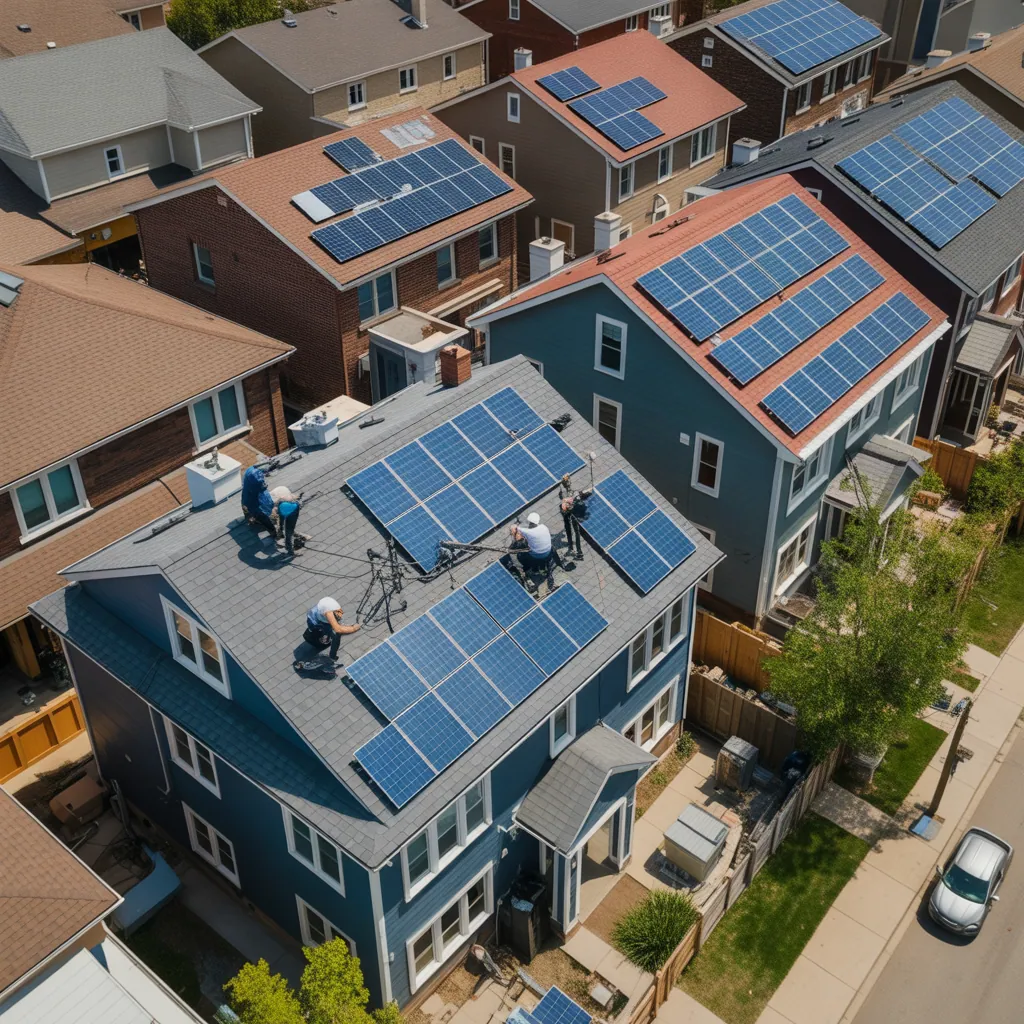
Understanding the installation journey helps you feel confident about your investment. The process starts with a detailed roof assessment to check structural integrity and figure out the best panel placement for maximum energy production. The team handles all permits, coordinates utility connections, and typically completes installation within a few weeks. That means you can start seeing lower energy bills without managing complex technical requirements yourself.
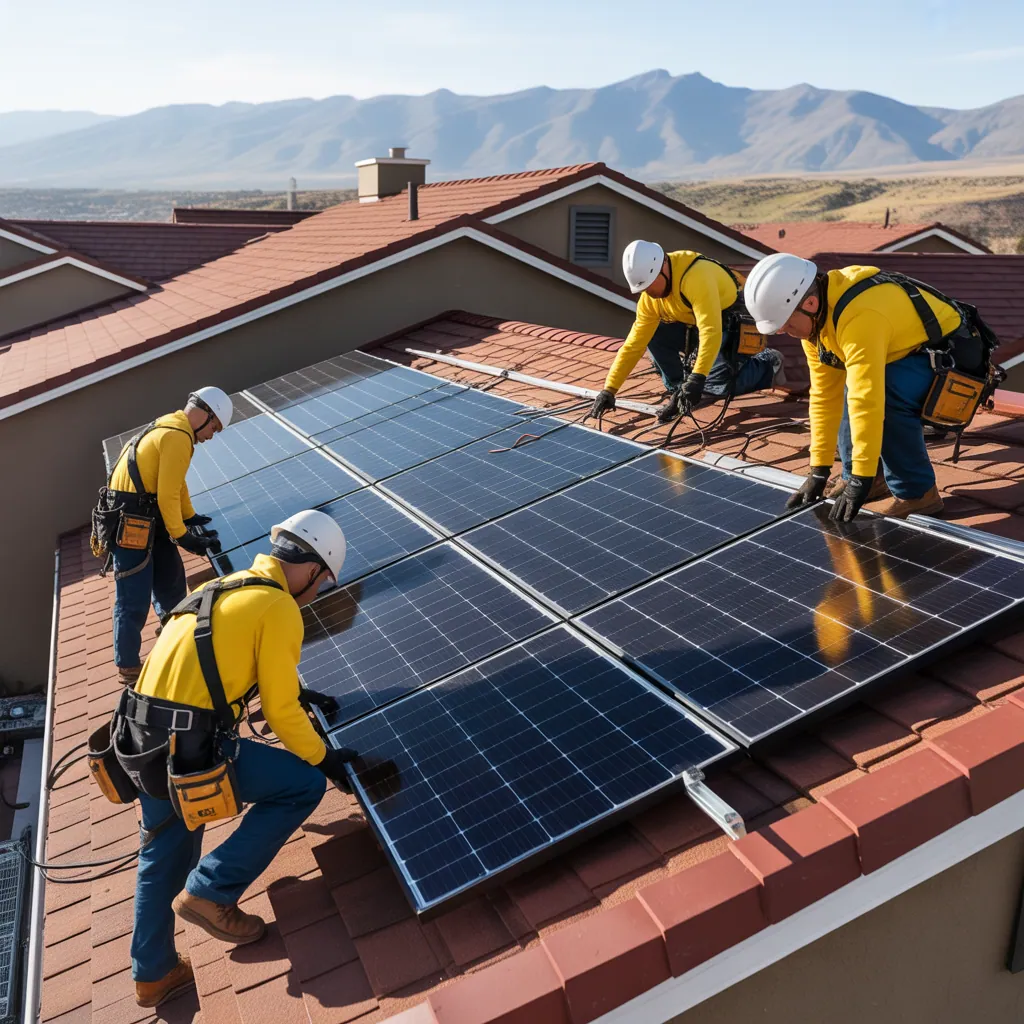
Understanding Solar Panels for Homeowners

Most homeowners feel lost when solar companies start throwing around technical terms and complicated specs. Here’s the thing: understanding how solar panels actually work doesn’t require an engineering degree. 

The basics matter. Panels convert sunlight into electricity, an inverter makes that power usable in your home, and the system connects to the grid so you’re covered when the sun isn’t shining. Getting clear answers about what size system fits your roof, how much you’ll actually save on bills, and what happens during cloudy stretches helps you decide if solar makes sense for your situation without someone hovering over your shoulder pushing for a signature.

What Every Homeowner Should Know About Solar Technology

  • Panel Types Matter: Monocrystalline panels deliver better efficiency when roof space is tight.
  • System Sizing Basics: How much energy you use tells you how many panels make sense for your home.
  • Roof Compatibility Check: The age of your roof, its pitch, and what it’s made of all play a role in whether solar panels will work well for your home.

We break down the technical side in everyday language that makes sense. During consultations, you’ll learn what your home actually needs for strong solar performance. Having local experts walk you through the decision gives you confidence in your investment.

What Savings Can Solar Panels Provide?

Financial Benefits: Solar panels cut your utility bills right away, qualify you for federal tax credits, and lock in protection against future rate hikes. Proper system design makes sure you’re getting the most value from your investment.

Real Financial Impact of Solar Energy Investment

  • Utility Bill Reduction: Most homeowners notice their monthly bills drop significantly once the system’s been running for a year or so.
  • Peak Rate Protection: Solar power handles your electricity needs during those expensive afternoon hours when summer rates spike, keeping your costs down when it matters most.
  • Maintenance Cost Relief: Today’s systems need far less upkeep than conventional energy sources when you look at the long run, often spanning 20 to 30 years of operation.
  • Energy Price Stability: Locking in predictable energy costs protects you from the utility rate fluctuations that affect traditional power bills over time.

Solar Panel Maintenance and Longevity Essentials

Most homeowners miss the fact that keeping up with maintenance adds years to how long solar panels last. Dust and debris pile up over time, blocking sunlight and cutting down on how much energy your system produces. Scheduled inspections catch small problems early, before they turn into expensive repairs, so your panels keep running the way they should.

Your solar investment needs regular attention to keep delivering value. During each visit, technicians monitor how the system performs, inspect electrical connections, and confirm the inverter works properly. This preventive approach catches small issues before they turn into costly problems. It keeps your energy output strong and helps your panels reach their full lifespan without unexpected shutdowns eating into your savings.

Solar Panel Installation Services Across the Front Range

Solar installation services handle both homes and businesses across Colorado’s Front Range corridor. Coverage runs south through Castle Rock and Monument, stretches north into Fort Collins and Loveland, and reaches east through Aurora and Brighton.

Installation teams handle solar projects throughout Denver, Colorado Springs, Aurora, Fort Collins, Boulder, Lakewood, Thornton, and other Front Range communities. Working across this region means the company can respond quickly to projects while keeping installation quality consistent no matter where you’re located.

Peak To Peak Roofing & Exteriors, LLC handles solar panel installation throughout Denver, Colorado Springs, Aurora, Fort Collins, Boulder, Lakewood, and the surrounding Front Range area, helping homeowners and businesses across the Colorado corridor make the switch to solar energy.

Frequently Asked Questions

Homeowners need to confirm proper licensing and insurance coverage, as solar installation involves electrical work and roof modifications. Request proof of certifications from recognized solar training programs and check references from recent projects. Verify warranty details for both equipment and workmanship, and ensure installers conduct thorough site assessments before providing quotes. Ask about their experience with local permitting processes and utility interconnection requirements to avoid delays.

A professional solar panel installation follows a structured sequence that begins with a detailed site assessment where installers evaluate roof condition, sun exposure patterns, and electrical system compatibility. After securing necessary permits and approvals from local authorities, the crew prepares the roof surface and installs mounting hardware designed to support panel arrays for decades. 

Electricians then connect the solar panels to inverters that convert DC power to usable AC electricity, integrate the system with your home’s electrical panel, and install monitoring equipment. The final phase involves inspection by local building departments and utility company approval before the system goes live and begins generating clean energy for your property.

Understanding each installation phase helps homeowners prepare their property and set realistic expectations. Professional installers coordinate all technical aspects, permitting requirements, and safety protocols while keeping disruption to your daily routine minimal. The comprehensive approach ensures your solar system operates efficiently and meets all code requirements from day one.

Quick Answer: Underperforming solar systems often result from poor site assessment, incorrect panel placement, inadequate system sizing, or substandard equipment choices that compromise long-term energy generation capabilities.

Solar panel systems that fail to deliver promised energy production create frustration and financial disappointment for property owners. While solar technology itself is reliable, installation mistakes can severely impact system performance. Understanding the common pitfalls that lead to underperforming installations helps property owners recognize warning signs during the planning phase and select qualified professionals who prioritize accurate assessments and proper installation techniques over quick sales.

Common Installation Mistakes That Reduce Solar Output

  • Shading Analysis Shortcuts: Installers who skip detailed shading studies throughout different seasons miss critical obstructions like nearby trees, chimneys, or neighboring structures that block sunlight during peak production hours, resulting in systems that never reach their projected output.
  • Improper Roof Orientation Decisions: Placing panels on roof sections with poor sun exposure or failing to account for roof pitch angles reduces energy capture, particularly when installers prioritize aesthetic appearance over optimal positioning for maximum sunlight exposure.
  • Undersized Inverter Selection: Choosing inverters that cannot handle the system’s full capacity or using outdated technology creates bottlenecks in energy conversion, wasting the potential electricity generated by the panels themselves.
  • Inadequate Electrical Integration: Rushing through electrical connections, using incompatible components, or failing to properly configure monitoring systems leaves homeowners unable to track performance issues or optimize their energy usage patterns.

Successful solar installations require meticulous planning, accurate energy consumption analysis, and precise execution by experienced professionals. Property owners should request detailed site assessments, ask about equipment specifications, and verify that installers conduct thorough roof evaluations before committing to any system design. Quality installations backed by comprehensive warranties protect your investment and ensure your solar system delivers reliable energy production for decades.

Solar panels require minimal but important upkeep to maintain optimal performance. Regular cleaning removes dust, pollen, and debris that can reduce energy output. Monitoring system performance through inverter displays helps identify issues early. Professional inspections every few years check electrical connections, mounting hardware, and panel condition. Most systems need little intervention beyond occasional cleaning and monitoring for consistent energy production.

Professional solar installers conduct a comprehensive site assessment that examines multiple property characteristics before recommending a system. This evaluation includes analyzing your roof’s structural integrity, orientation, and available square footage, along with reviewing your historical energy consumption patterns from utility bills. 

Installers also consider shading from nearby trees or buildings throughout different seasons, local climate data, and your property’s electrical panel capacity. The goal is matching system output to your actual energy needs rather than simply maximizing panel quantity, which ensures optimal performance without overbuilding or underdelivering on your energy goals.

A properly sized solar installation balances your energy requirements with your property’s physical limitations and your budget constraints. Experienced installers use specialized software and on-site measurements to create accurate production estimates, helping you understand realistic expectations before committing to the investment and avoiding costly mistakes from improper sizing.

Quick Answer: Peak To Peak Roofing & Exteriors, LLC conducts comprehensive structural assessments examining roof age, material condition, load capacity, and underlying framework before recommending solar installation to ensure safe, long-term performance.

Not every roof is ready for solar panels, and installing them on a compromised structure creates serious safety risks and future headaches. Peak To Peak Roofing & Exteriors, LLC approaches solar installations with a roofing-first mentality, recognizing that the foundation supporting your panels matters just as much as the solar technology itself. This dual expertise in both roofing and solar systems allows for honest assessments that protect homeowners from costly mistakes down the road.

What Our Structural Assessment Examines

  • Remaining Roof Lifespan: We evaluate whether your current roofing material has enough serviceable years left to justify solar installation, since removing and reinstalling panels for roof replacement adds substantial expense and complexity to future projects.
  • Weight Distribution Capacity: Solar arrays add considerable weight across specific roof sections, so we analyze your roof’s framing, trusses, and decking to confirm they can handle the additional load without sagging or structural compromise over decades of use.
  • Surface Integrity and Penetration Points: We inspect for existing damage, weak spots, or deterioration that could lead to leaks once mounting hardware penetrates the roofing surface, addressing any concerns before solar equipment gets installed.
  • Orientation and Shading Obstacles: Beyond structural concerns, we map out how your roof’s pitch, direction, and surrounding obstructions affect solar efficiency to ensure the investment makes practical sense for your property.

Peak To Peak Roofing & Exteriors, LLC sometimes recommends roof repairs or replacement before solar installation, which might seem like an added expense but actually saves money and hassle in the long run. Our combined roofing and solar expertise means you get honest guidance about whether your roof is truly solar-ready or needs attention first.

Peak To Peak Roofing & Exteriors, LLC works with multiple financing partners to help homeowners transition to solar energy without upfront financial strain. Options include solar loans with competitive terms, lease agreements where you pay monthly for system use, and power purchase agreements that let you buy only the electricity generated. Peak To Peak Roofing & Exteriors, LLC guides clients through each option to find the best fit for their budget and long-term energy goals.

Pre-installation roof assessments often reveal underlying problems that homeowners didn’t know existed. Experienced solar installers conduct thorough structural evaluations before mounting any equipment, uncovering issues like deteriorated decking, compromised flashing around chimneys and vents, or inadequate ventilation systems. 

These discoveries aren’t obstacles but opportunities to address problems before they worsen under solar arrays. Installers check for water damage, examine the condition of existing shingles or tiles, and assess whether the roof framing can handle additional weight. Finding these issues early prevents costly repairs down the road and ensures the solar system sits on a solid, weatherproof foundation that will last decades.

Addressing roof concerns before solar installation protects both investments simultaneously. Professional installers coordinate necessary repairs with roofing specialists, ensuring structural integrity before proceeding. This proactive approach prevents future complications like leaks developing beneath panels or needing to remove expensive solar equipment just to fix preventable roof damage that could have been resolved initially.