
Homeowner Resource
The Truth About Hail Damage
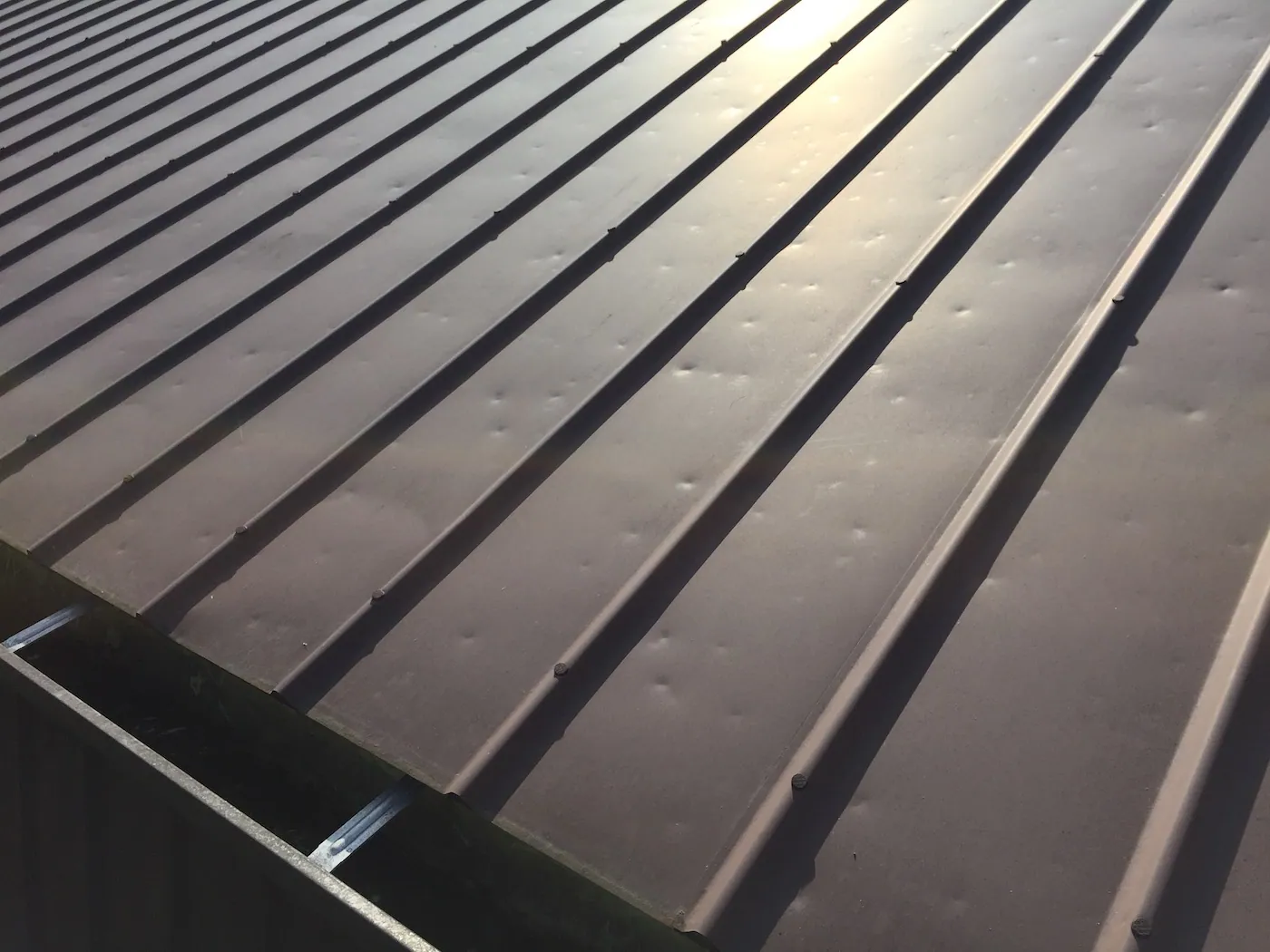
Hail storms are an unfortunate part of life at high elevation. The hardest part of diagnosing hail damage is that there is more than meets the eye. Whether you have metal, tile, or concrete roofing, hail can cause damage that is undetectable to the untrained observer.
- Common myths corrected
- Claim timing rules
- What inspectors look for
Certified, Accredited, And Reviewed






Why Hail Damage Is So Easy To Miss
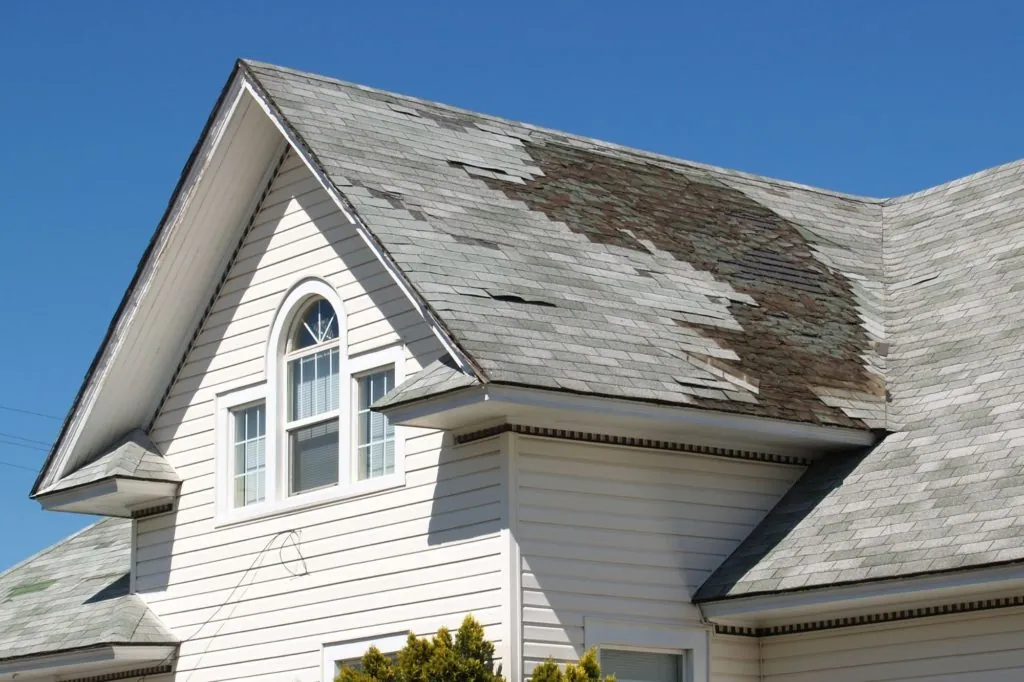
Hailstones vary greatly in size, shape, and density, and they rarely fall straight down. Wind direction determines which slopes take the impact, which is why one elevation of a roof can be heavily damaged while the elevation facing the street looks untouched.
On asphalt shingles, the damage that matters most is a bruise: an impact that fractures the fiberglass mat beneath the surface and knocks granules loose without punching a visible hole. The shingle keeps shedding water for a while. Then UV reaches the exposed asphalt, the mat continues to break down around the fracture, and years later the roof begins leaking in a spot nobody connects to a storm from three summers ago.
That delay is the entire problem. Homeowners judge a roof by whether it is leaking today, and insurance policies are written around when the damage occurred. Those two timelines do not match, and the gap between them is where claims get denied.
Six Hail Damage Myths That Cost Homeowners
These are the misconceptions we run into most often after a Front Range storm.
Myth: I can assess my own roof
Training is everything when it comes to spotting hail damage. Insurance adjusters attend specific training to identify it correctly, while ongoing training in the general roofing and home inspection industries is far less consistent. Once a trained professional has physically inspected the roof, deciding a plan of action becomes straightforward.
Myth: No missing shingles means no damage
Wind is the usual culprit behind missing shingles, and high winds often accompany hail. But hail damage is insidious and may not cause a leak for years after the storm, so looking only for missing shingles misses the damage that actually matters.
Myth: I can file whenever I get around to it
Filing in a timely manner is important. Many insurers impose a one-year limit and some allow less. In widespread geographic hail events, companies often pay past the deadline, but relying on that is a gamble with your own money.
Myth: A new roof is automatically covered
Roofing manufacturers typically exclude hail damage from product warranties, and home builders and contractors often do the same. Newer roofs can actually be more susceptible to hail because a new roof needs time to cure from exposure to the elements.
Myth: Minor damage is not worth reporting
Just because a roof was not majorly damaged does not mean a small claim should be skipped. Damage done now may not leak for years. Having a qualified person inspect the roof and being proactive protects the investment.
Myth: Filing will get my policy cancelled
Most states prohibit insurers from cancelling policies over claims arising from severe weather events. Research your state and local laws and read your policy language rather than assuming the worst.
What About My Rates?
After a disaster it is common practice for insurance companies to raise rates across their whole book of business in the affected region. That happens whether or not you personally file.
The practical consequence is uncomfortable but simple: by not filing a valid claim, your rate increase is helping pay for everyone else's damage while excluding your own. If the damage is real and documented, the claim exists to be used.
None of that is an argument for filing a claim you do not have. A documented inspection first tells you whether there is damage worth reporting, and if there is not, you have lost nothing but an hour.
What A Trained Inspector Actually Looks For
A credible hail inspection produces countable evidence, not just a verdict.
That last point matters more than homeowners expect. When an adjuster and a contractor are looking at the same photographs of the same test squares, the conversation is about scope rather than about whether damage exists.
- Test squares marked out on each slope so damage density can be counted, not estimated
- Bruising checked by touch as well as sight, since a fractured mat feels soft before it looks damaged
- Directional analysis comparing slopes to establish which way the storm came from
- Soft metals inspected: gutters, downspouts, vents, flashing, and fascia wraps show impact clearly
- Collateral evidence documented on siding, window screens, decks, air conditioner fins, and mailboxes
- Storm date verified against regional weather records so the claim timeline is defensible
- Every finding photographed with location noted, in a report you keep
What To Do After A Colorado Hail Storm
A simple sequence that keeps your options open.
1. Document From The Ground
Photograph dented gutters, screens, and any hail still on the lawn next to a coin for scale. Note the date and time.
2. Get A Professional Inspection
Have a trained inspector walk the roof and mark test squares. Do this before calling the insurer so you know what you are reporting.
3. Review Your Policy
Check your deductible, whether coverage is replacement cost or actual cash value, and any wind and hail specific terms.
4. File Within The Window
Report promptly rather than waiting for a leak. Deadlines are measured from the storm date, not from when you noticed a problem.
5. Meet The Adjuster On Site
Have your contractor present with the photo report so the same evidence is in front of everyone during the scope conversation.
6. Repair Properly, Not Fast
Be wary of crews that appear the day after a storm asking for a signature. Verify licensing, insurance, and a permanent local address first.
Frequently Asked Questions
Storm Went Through Your Neighborhood?
Get a documented hail inspection with test squares and photos, at no cost, before your claim window closes.