Verify Local Permit Requirements
We pull the reroofing permit through the Arvada Building Safety Division and confirm wildfire map classification if your property falls in Class 1 or 2 zones.


Peak To Peak Roofing handles Arvada's split wind-zone requirements and mandatory ice-and-water shield installations. We're licensed, insured, and hold Owens Corning Platinum status with a 4.9 rating across 415 Google reviews, backed by the same residential roofing standards we apply across the Front Range.
Certified, Accredited, And Reviewed






Arvada's split wind-zone corridor and mandatory ice-and-water shield rule surprise a lot of homeowners who assume every Denver-metro roof follows identical specs. Here is what actually applies, with the standards behind each requirement.
| Code or spec factor | Requirement | Why it matters |
|---|---|---|
| Snow load design | 30 psf minimum | Every roof structure must be engineered to carry Arvada's mandated snow load. |
| Wind zone, east of Highway 93 | 136 Vult | Fastening schedule and edge flashing must meet this uplift rating. |
| Wind zone, west of Highway 93 | 150 Vult | The 14 mph difference from the east zone changes nail spacing and underlayment specs. |
| Wind rating verification standard | ASTM D7158 | Confirms shingle wind performance for both Arvada wind zones. |
| Impact resistance standard | UL 2218 Class 4 | Validates hail impact resistance for shingles marketed in hail-prone zones. |
| Ice-and-water shield | Mandatory on all reroofs | Code sets a minimum eave and valley coverage; we extend it further for freeze-thaw protection. |
| Layer restriction in hail zones | One layer only | Arvada limits hail-zone reroofs to single-layer installs to preserve wind performance. |
| Permit authority | Arvada Building Safety Division | All reroofing permits and final inspections are processed through this office. |
Requirements reflect Arvada Building Safety Division code as adopted, referencing ASTM D7158 wind performance testing and UL 2218 Class 4 impact standards. Confirm current amendments and your property's wind zone before budgeting.
Arvada sits in a split wind-zone corridor, which means shingle selection and fastening schedules change depending on whether your property falls east or west of Highway 93. Most homeowners don't realize their roof needs to meet 136 Vult on one side of that line and 150 Vult on the other. That 14 mph difference affects nail spacing, underlayment adhesion, and edge flashing details in ways that show up years later when a spring windstorm lifts a ridge cap. Getting this right the first time is part of why we treat every roof replacement as a wind-zone engineering project, not a shingle swap. The split shows up differently depending on where you live: Olde Town Arvada's 1950s and 1960s bungalows often still carry original plank decking that holds fasteners differently than the OSB sheathing under newer builds in Candelas and Leyden Rock, both of which sit inside the higher 150 Vult zone west of the highway.
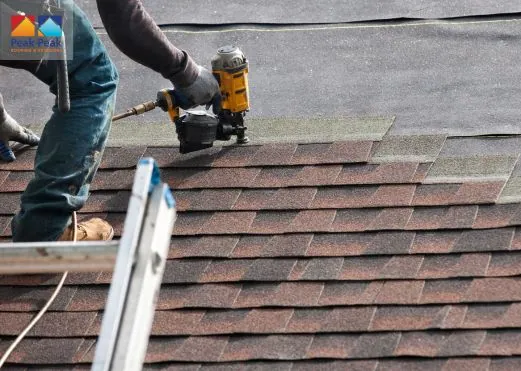
You've probably noticed the same roofing trucks circling Arvada neighborhoods after every hailstorm, knocking doors with clipboard estimates before the adjuster even shows up. Peak To Peak Roofing holds active manufacturer certifications, maintains an A+ BBB rating, and carries the insurance documentation Arvada's Building Safety Division requires at permit application. Our 4.9 rating across 415 Google reviews reflects consistent follow-through from estimate to final inspection, including full insurance claims support when a storm is involved.
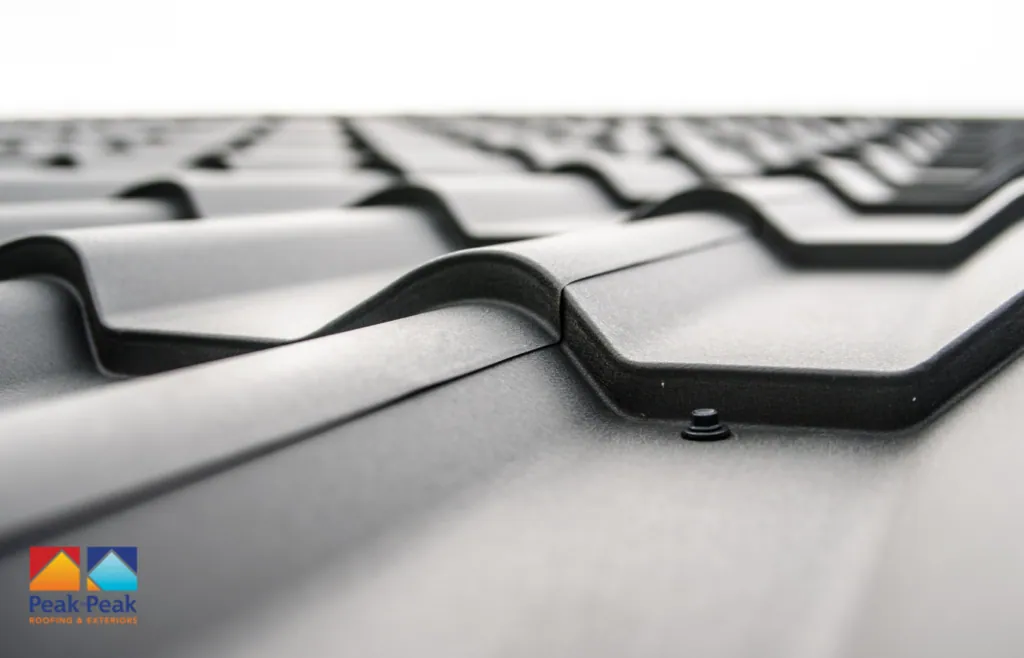
We pull the reroofing permit through the Arvada Building Safety Division and confirm wildfire map classification if your property falls in a Class 1 or 2 zone, then inspect decking, flashing, and ventilation before a single shingle goes down.
We pull the reroofing permit through the Arvada Building Safety Division and confirm wildfire map classification if your property falls in Class 1 or 2 zones.
Decking gets checked for rot or delamination, and all step flashing and valley metal are replaced if they show corrosion or improper lap joints.
Ice-and-water shield goes down per Arvada code, underlayment is fastened to wind-zone specs, and shingles are nailed to the engineered schedule for your location.
Arvada mandates an ice-and-water shield on every reroofing project, but the code doesn't specify how far up the slope it needs to extend or whether valleys require full coverage. Most contractors default to two feet past the interior wall line, which satisfies the letter of the law but doesn't account for Arvada's freeze-thaw cycles. When meltwater refreezes at the eave edge during a February warm spell, that two-foot strip often isn't enough to prevent ice dam leakage into the soffit, a problem we also flag during standalone roofing inspection visits.
Eave Extension: We extend the shield a minimum of three feet to cover typical ice dam zones.
Valley Coverage: Full-length valley shield prevents meltwater infiltration at metal seams.
Penetration Sealing: All pipe boots and vent stacks get wrapped with shield, not just flashed.
Adhesion Temperature: Shield won't bond below 40°F; we reschedule if the forecast drops overnight.
We've seen contractors roll shield to the bare minimum, two feet past the wall line, then act surprised when the homeowner calls three winters later with soffit stains. The code gives you a floor, not a ceiling. Whether you extend coverage depends on your roof pitch, eave overhang, and how much you enjoy cleaning up water damage in February. Homes near the Ralston Creek corridor and the West Woods foothill edge see the sharpest freeze-thaw swings in Arvada, since the open exposure there lets wind-driven snow pile against eaves faster than it does in the more sheltered Majestic View area. For homes needing durable panel systems instead of shingles, our metal roofs crews follow the same ice-and-water standard.
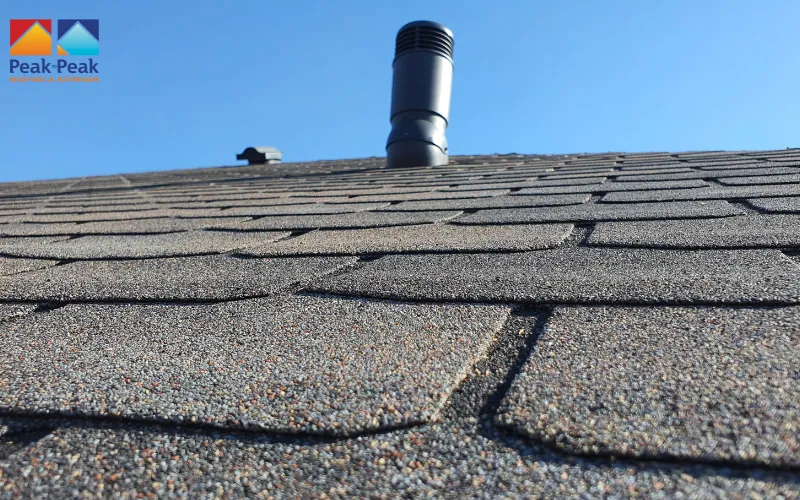
You notice granule loss in the downspouts after a June hailstorm, and now you're trying to figure out whether insurance will cover a full replacement or just patch the damaged sections. Arvada's hail-prone designation means adjusters see claims here constantly, and they've gotten aggressive about denying full replacements unless impact damage is documented on a majority of slopes. The decision hinges on whether your shingles show bruising, cracking, or just cosmetic granule displacement, and most homeowners can't tell the difference from the ground without a roof leak repair specialist on the ladder.
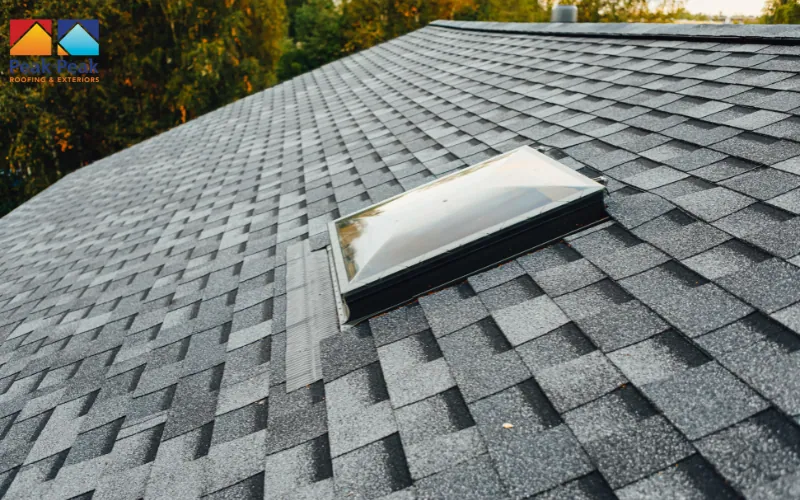
Peak To Peak Roofing serves residents throughout Arvada and the surrounding Jefferson County corridor. Our crews regularly work in Westminster, Broomfield, and the Candelas master-planned community west of Highway 93. We schedule projects across the greater Denver roofing metro area with flexible timing to accommodate permit approval windows and weather delays common at this elevation. See the full range of neighborhoods we cover on our areas we serve page.
We coordinate scheduling across Arvada's split wind zones to ensure crews arrive with the correct fastening schedules and material specs for your property's location. Response time averages two to three business days for estimates, with permit-ready documentation provided at the initial visit. We also handle seamless gutters, siding, and commercial roofing for Arvada properties that need more than a reroof; see the full range of work at Peak to Peak Roofing Arvada.
Local climate hazards, municipal permitting details, and engineered roofing systems across the Arvada area.
Location & Neighborhoods
Target ZIP Codes
Local Landmarks & Housing Styles
Codes & Inspection Rules
Regional Weather & Roofing Systems
Location & Neighborhoods
Target ZIP Codes
Local Landmarks & Housing Styles
Codes & Inspection Rules
Regional Weather & Roofing Systems
Location & Neighborhoods
Target ZIP Codes
Local Landmarks & Housing Styles
Codes & Inspection Rules
Regional Weather & Roofing Systems
Location & Neighborhoods
Target ZIP Codes
Local Landmarks & Housing Styles
Codes & Inspection Rules
Regional Weather & Roofing Systems
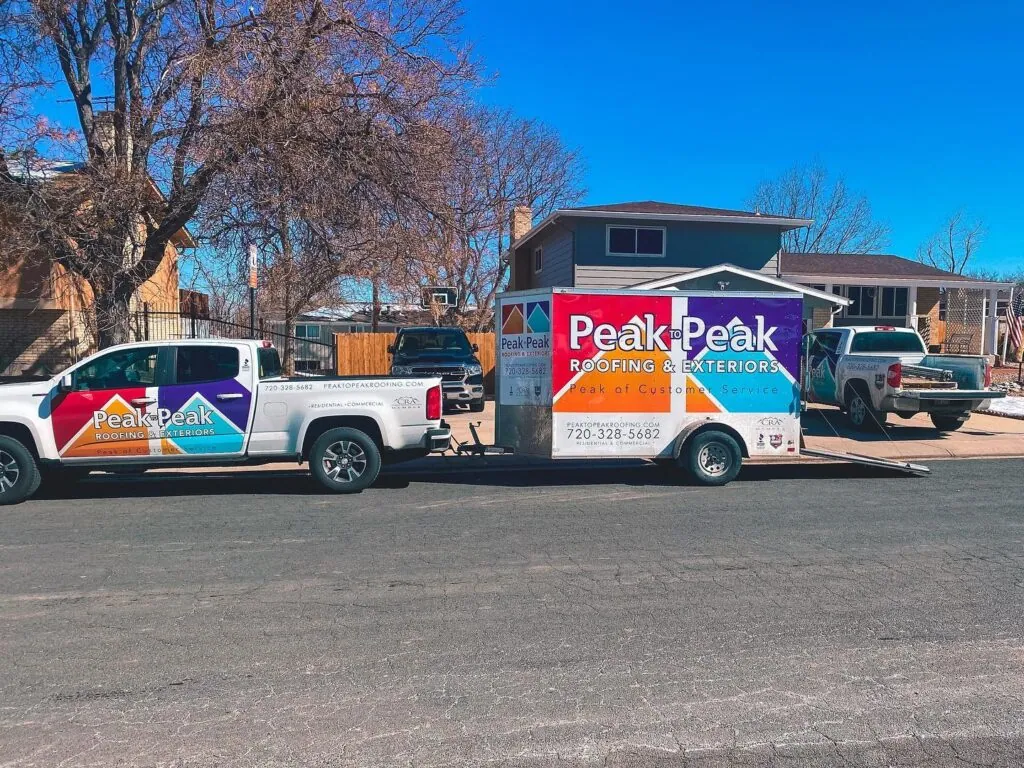
Dispatched Directly From Our Denver Headquarters
Located at 4155 E Jewell Ave #1100, Denver, CO 80222. Our licensed inspectors provide zero-cost storm damage assessments and full Xactimate insurance support across every Arvada ZIP code.
Same crews, same permit process, dispatched across the Front Range.
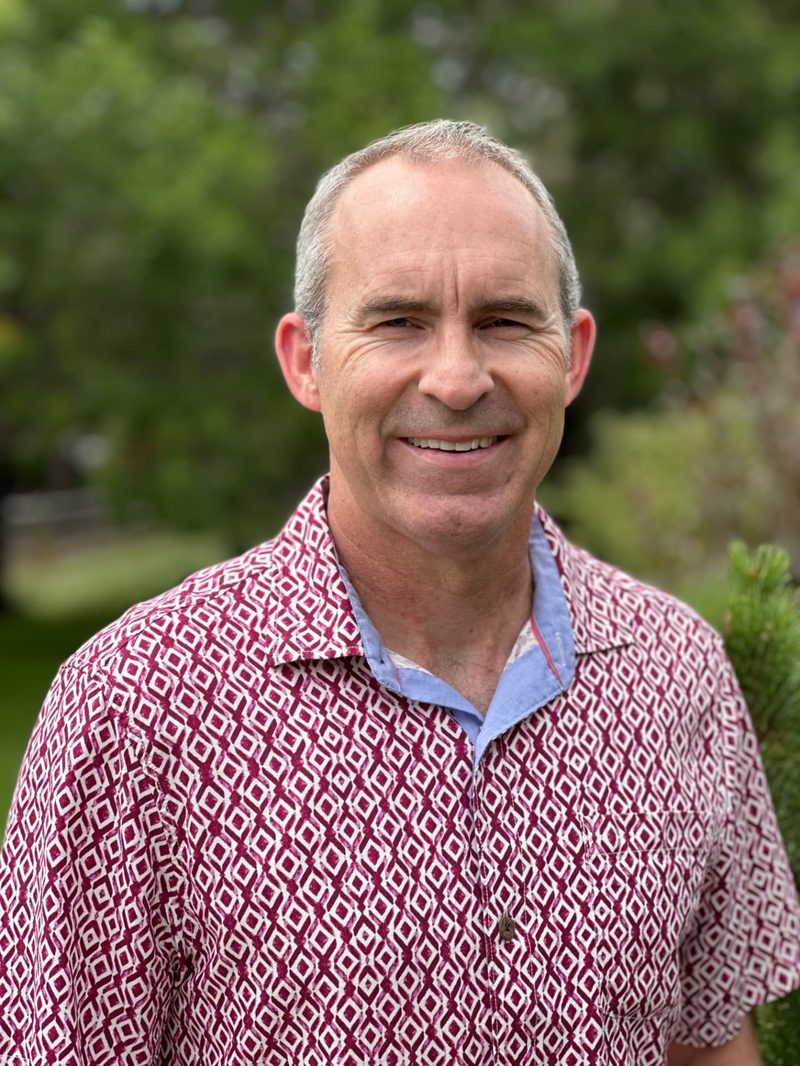
JJ Hedden
Founder & Owner
Meet The Owner
JJ Hedden founded Peak to Peak Roofing & Exteriors so Arvada property owners would have a roofer who is still reachable after the truck pulls away. He came up through inspections, claims and installations, so the standards our crews work to are the ones he set on roofs himself.
He still reads the inspection photos, checks ventilation and flashing before a scope goes out, and meets adjusters on the complicated claims. In Arvada that matters, because the same storm can total one roof and leave the one next door fine.
Peak To Peak Roofing provides permit-ready estimates with wind-zone engineering and ice-and-water shield compliance built into every proposal. Contact us today to schedule your assessment.




4.9/5 from happy homeowners
● Inspectors Available Today in Arvada
Plus, get a free upgraded ice-and-water shield extension on any full replacement.
"Peak to Peak was great, they helped me with a repair on my roof. Helped me to extend the life of my roof."
- Luke Howard
Free inspection, same day answers