Attic Insulation Installation
Our trained technicians deliver Climate Zone 5 compliant coverage using calibrated blowing equipment, depth verification, and material selection matched to Denver's temperature swings and altitude conditions.

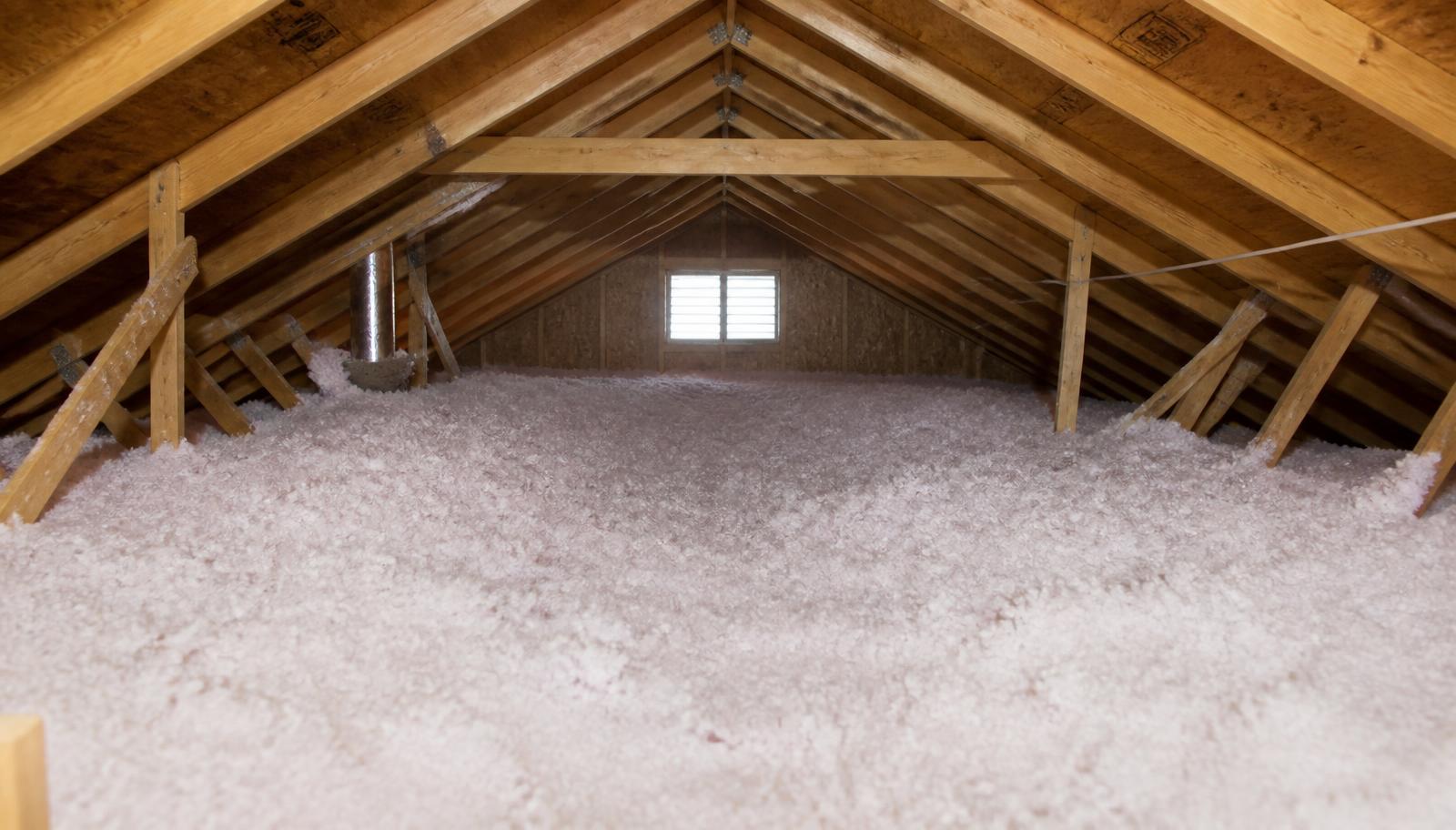
Peak to Peak Roofing installs attic insulation across Denver, Aurora, Littleton, Castle Pines, Parker, Brighton, Boulder, Thornton, Arvada, and Erie using pneumatic equipment calibrated for proper depth and density. Our roofing background means we coordinate ventilation baffles and air sealing to protect your roof deck from moisture damage.
Certified, Accredited, And Reviewed






Denver sits in Climate Zone 5, where energy code sets the attic insulation target. These are the numbers we design to and verify on site with depth rulers and bag counts.
| Item | Typical figure | Why it matters | How we verify it |
|---|---|---|---|
| Attic R-value target | R-49 to R-60 in Climate Zone 5 | The IECC ceiling requirement for most of the Denver metro. Older homes often measure R-19 to R-30. | Depth measured at multiple bays and compared against the product coverage chart. |
| Loose fill fiberglass depth | Roughly 16 to 18 inches for R-49 | Depth varies by product density, so inches alone never prove the R-value. | Depth rulers set on a grid before blowing, read after settling. |
| Cellulose settling | About 15 to 20 percent after installation | Material blown to final depth on day one drops below target within a season. | Extra material added at install to land on target after settling. |
| Typical installed cost | $1.50 to $3.00 per square foot | Attic size, existing material removal, and air sealing scope drive the range. | Quoted after an on-site attic assessment, not over the phone. |
| Ventilation ratio | 1 square foot of net free vent area per 150 square feet of attic, or 1 per 300 with a balanced split | Insulation without intake and exhaust airflow traps moisture against the roof deck. | Intake and exhaust measured before the job, baffles installed at every eave bay. |
R-value targets follow the International Energy Conservation Code ceiling requirements for Climate Zone 5, which covers the Denver metro. Attic ventilation ratios follow the International Residential Code attic ventilation provisions. Depth and settling figures follow manufacturer coverage charts for loose fill fiberglass and cellulose. Cost ranges reflect typical Front Range installed pricing and are confirmed after an on-site assessment.
Homeowners add thickness and skip the air barrier because depth is visible and sealing is not. The projects that test cold six months later have proper R-value and active thermal bypasses. One without the other is insulation that looks right and performs poorly. Older Denver bungalows and Denver squares near Capitol Hill often have balloon framing and knob-and-tube wiring remnants in the attic, which is worth asking an electrician to check before any insulation goes in, since clearance rules around older wiring differ from the clearances required around modern fixtures.
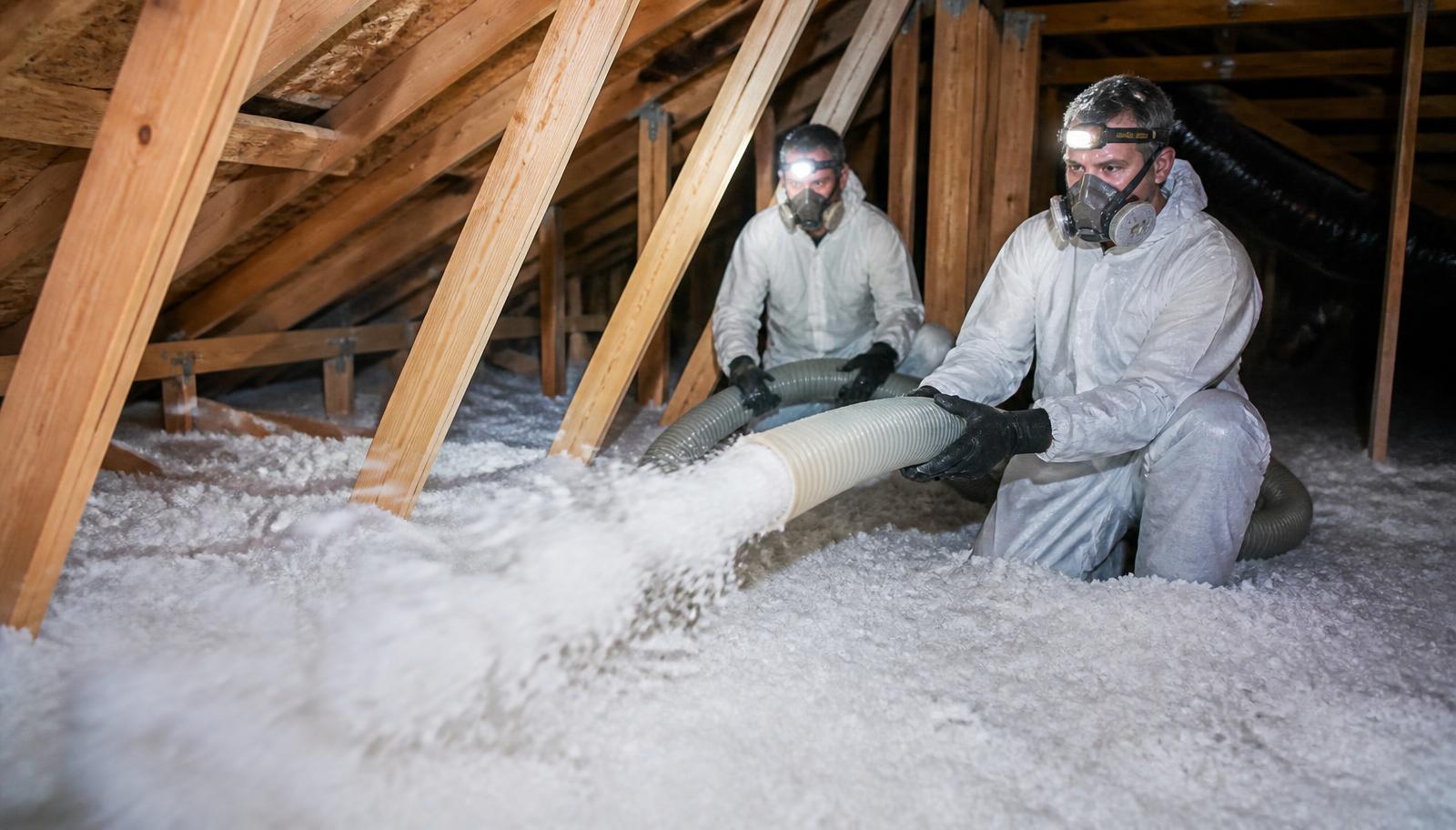
A 4.9 rating across 415 Google reviews reflects consistent performance on residential insulation projects throughout Denver and the Front Range. Peak to Peak Roofing holds industry certifications and manufacturer recognitions that verify technical capability and material handling standards.
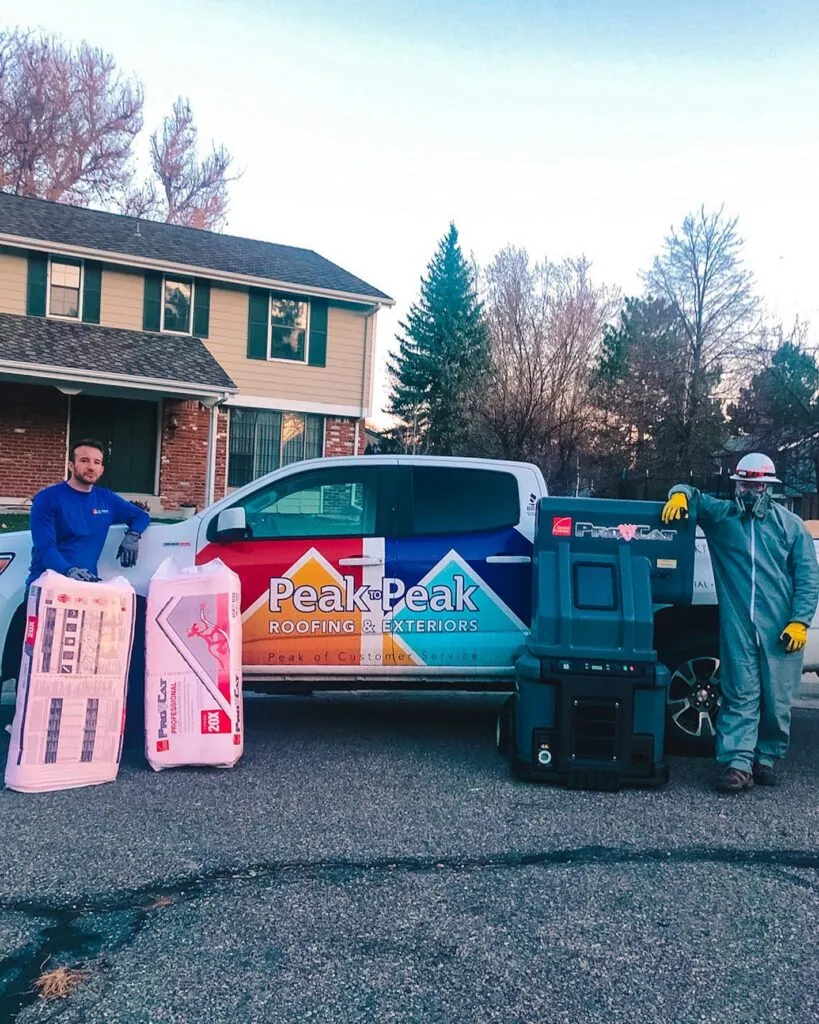
The capability that determines long-term performance is not the material brand or the R-value target. It is whether the crew understood the attic as a system before they started blowing. Air sealing integration, ventilation balance, and moisture pathways decide whether the insulation works or just sits there looking thick. In the Denver metro's older central neighborhoods, low-slope roofs and tight soffits common on pre-war homes change how baffles have to be fitted compared with the deeper truss attics typical of newer construction toward Parker and Brighton.
Our trained technicians deliver Climate Zone 5 compliant coverage using calibrated blowing equipment, depth verification, and material selection matched to Denver's temperature swings and altitude conditions.
We establish thermal envelope enhancement by sealing top plates, penetrations, and chases before material placement, preventing convective loops that undermine R-value performance in the occupied space below.
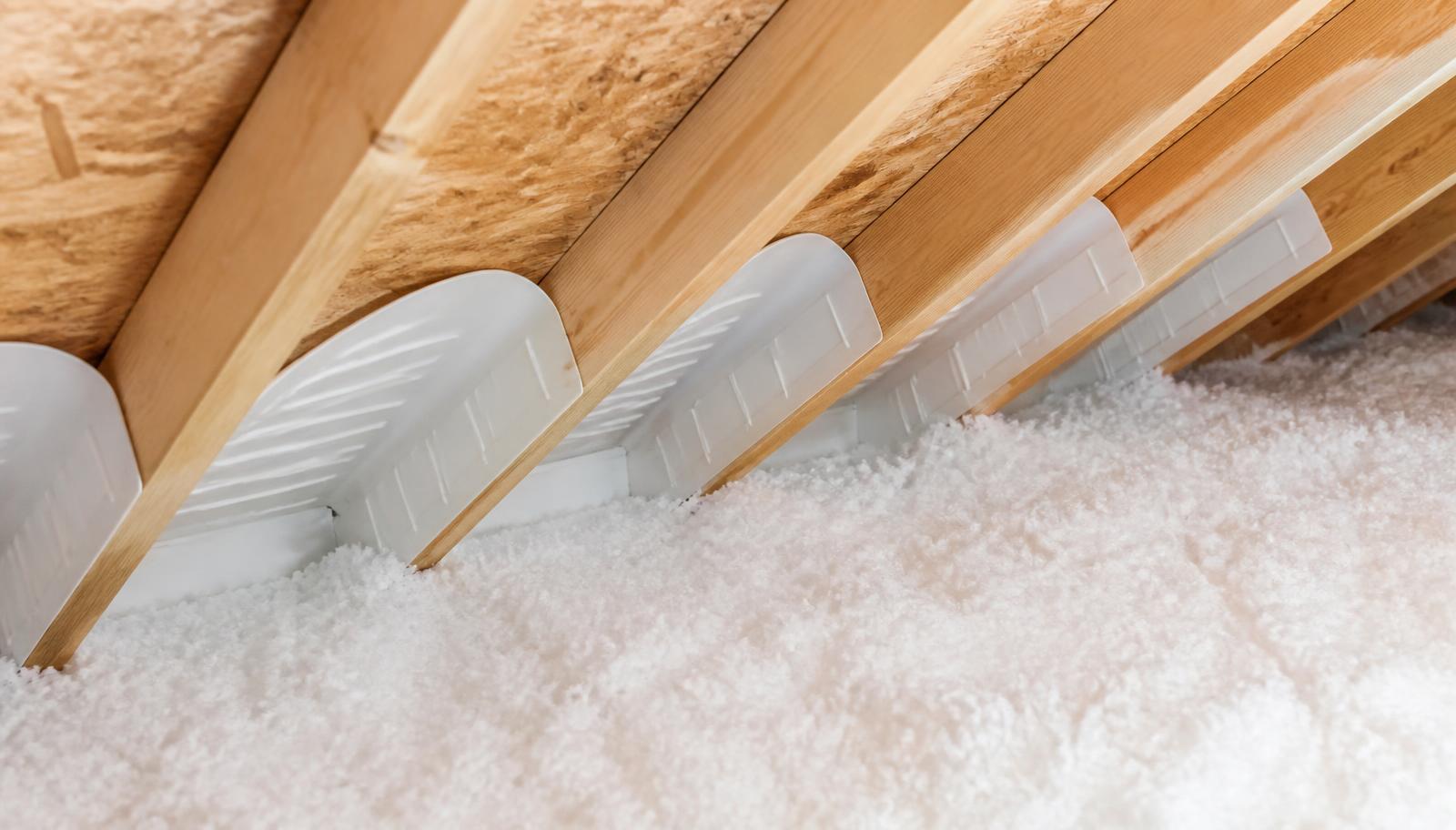
Our experienced crews maintain continuous soffit to ridge airflow by installing baffles at eaves, preventing wind washing and moisture accumulation while preserving insulation depth over exterior plate lines.
We protect electrical and mechanical systems through IC rated fixture covers, chimney clearance verification, and code aligned fire blocking, so installations meet Denver Building Code requirements without creating hazards.
Our qualified teams document installed thickness with depth rulers, reconcile bag counts to manufacturer coverage charts, and provide thermal imaging verification to confirm density targets across the attic floor.
We assess vapor drive pathways, verify bath fan terminations exhaust outdoors, and inspect for condensation risk before adding material, preventing mold conditions that surface months after installation completes.
Blown insulation achieves its rated R-value only when air sealing eliminates convective pathways through top plates, chases, and penetrations before material goes in. Insulation that settles evenly still underperforms when air moves through the gaps it was meant to cover. The R-49 target means nothing if convective loops pull conditioned air into the attic through unsealed top plates and penetrations.
Top Plate Continuity Sealant closes framing gaps before any material is blown in.
Penetration Protocol Chase openings, wire holes, and flue clearances get treated before coverage.
Baffle Placement Eave airflow stays above the insulation layer instead of washing through it.
The projects that fail thermal imaging six months later skipped air sealing and added thickness instead. Depth without an air barrier is insulation that looks right and performs poorly.
Vapor barriers fail when installers treat them as a separate step instead of part of the thermal assembly. Attic insulation in Denver reaches R-49 at a typical installed cost of $1.50 to $3.00 per square foot, but that depth means nothing when moisture migrates through gaps the barrier was supposed to block.
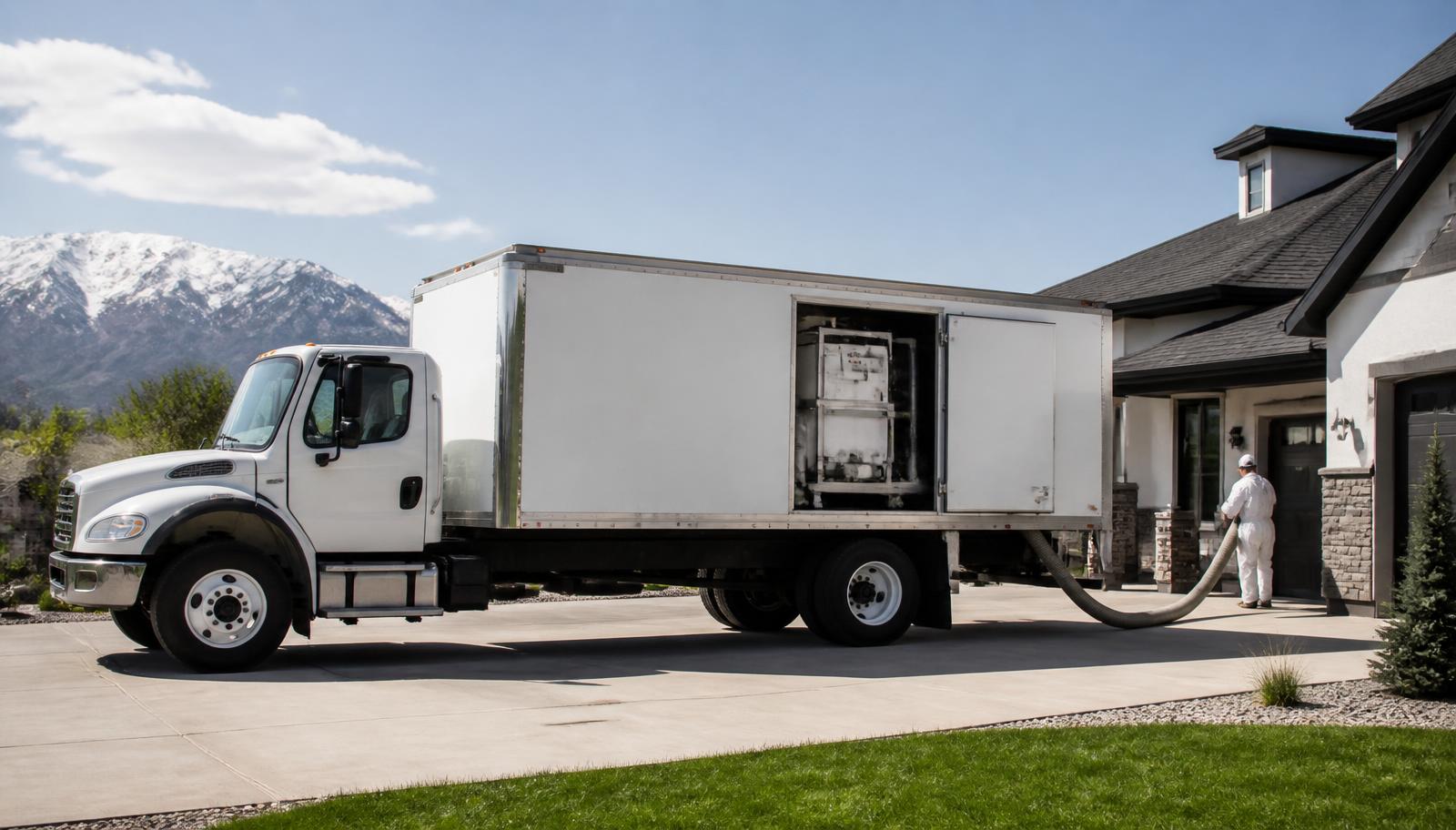
Peak to Peak Roofing serves homeowners throughout Denver and surrounding areas, installing attic blow-in insulation directly at their properties. From Capitol Hill to Highlands Ranch, the team reaches homes across the metro via I-25, I-70, and US-285. Most attic insulation installations finish within one to two days, including air sealing and ventilation baffle placement.
Installations typically begin with a morning start time so air sealing, baffle placement, and material blowing finish in a single visit. Because Denver's attic volume and roof framing vary so much between a Capitol Hill bungalow and a Highlands Ranch two-story, the crew confirms joist depth and existing ventilation on site before quoting the material count.

JJ Hedden
Founder & Owner
Meet The Owner
JJ Hedden founded Peak to Peak Roofing & Exteriors so Front Range property owners would have a roofer who is still reachable after the truck pulls away. He came up through inspections, claims and installations, so the standards our crews work to are the ones he set on roofs himself.
Attic work and roof work are the same conversation in Colorado. He looks at insulation depth alongside intake and exhaust ventilation, because an attic that holds heat is what turns snow into ice dams at the eave.
Winter temperatures are dropping, and your heating costs do not have to climb with them. Our roofing team understands how attic insulation works with your roof system to keep your Denver home comfortable year-round.




4.9/5 from happy homeowners
● Attic Assessments Available This Week
We measure existing depth, check ventilation, and quote the work after seeing the attic.
"Peak to Peak was great, they helped me with a repair on my roof. Helped me to extend the life of my roof."
- Luke Howard
Free inspection, same day answers