
Homeowner Resource
Anatomy of a Healthy Roof
Choosing a new roof is one of the largest exterior investments you will make, and most homeowners never think about it until something goes wrong. Understanding how the layers work together turns a confusing estimate into a decision you can actually evaluate.
- Layer by layer breakdown
- Repair vs. replacement guidance
- Colorado climate specifics
Certified, Accredited, And Reviewed






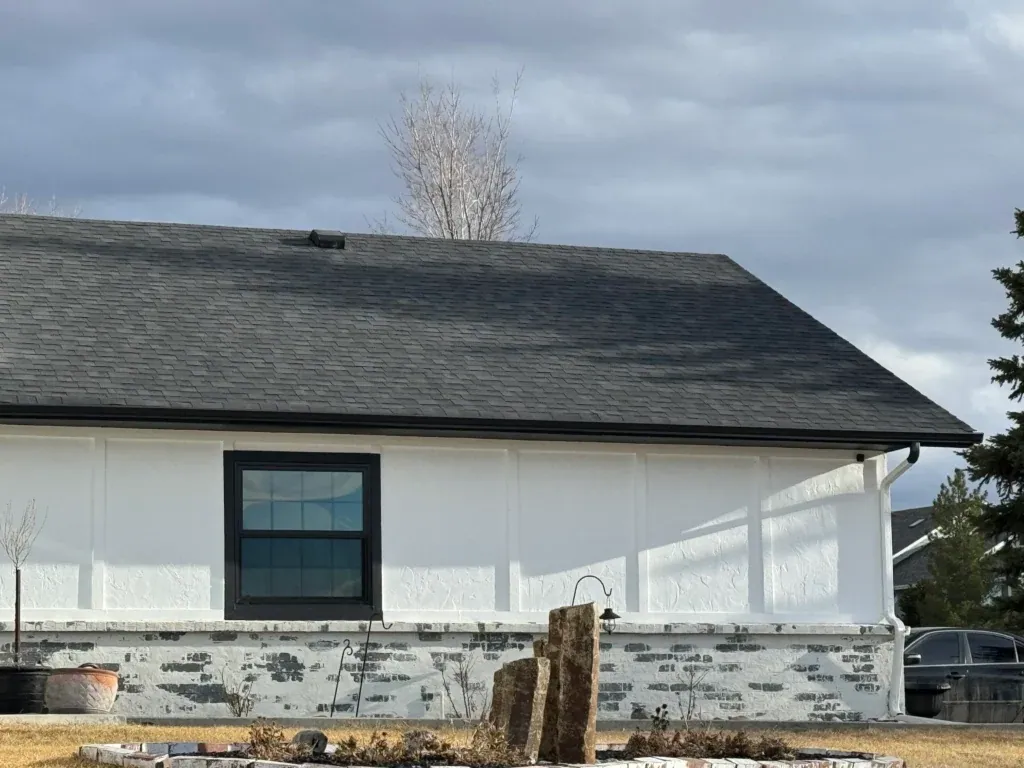
A Roof Is A System, Not Just Shingles
Bad weather damage or an ongoing leak is usually what leads homeowners to research the anatomy of that big thing overhead. By then the question is already urgent: does the home need roof repairs or a full roof replacement?
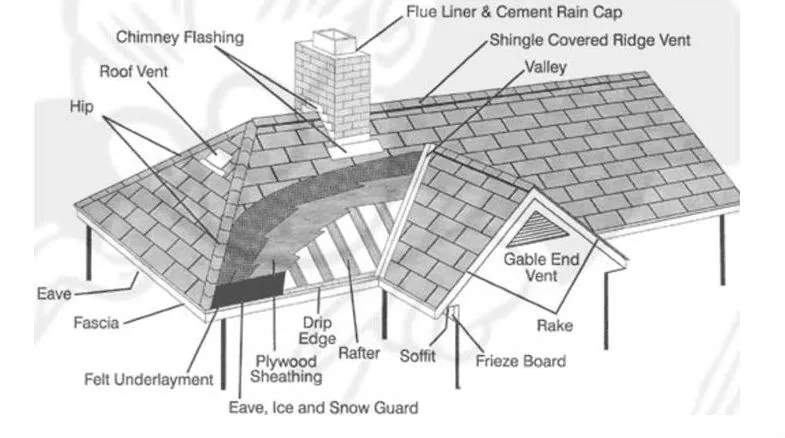
The honest answer depends on which layer failed. Shingles are the visible part, but they are only the outermost defense in an assembly that includes structure, sheathing, water barriers, metal transitions, ventilation, and drainage. When one component is undersized, omitted, or installed out of sequence, the roof can look perfect from the street and still be failing where you cannot see it.
That is why two roofs installed the same year on the same street can age so differently. The one that keeps performing usually had correct deck fastening, a properly lapped underlayment, ice and water shield in the right places, and balanced intake and exhaust ventilation. Those details do not show up in a photo, and they are exactly where cut-rate bids find their savings.
The Layers That Make Up Your Roof
Working from the framing outward, here is what sits between your family and a Colorado hailstorm.
Rafters and Trusses
The engineered frame that carries dead load from the roof covering plus live load from snow and wind. Trusses are designed for a specific span and cannot be cut or modified without an engineer.
Decking or Sheathing
Plywood or OSB panels fastened across the frame. Deck condition determines whether fasteners hold. Soft, delaminated, or water-stained decking must be replaced before new covering goes on.
Underlayment
The secondary water barrier between deck and shingles. Synthetic underlayment resists tearing better than felt and holds up during the exposure window before shingles are loaded.
Ice and Water Shield
A self-adhering membrane at eaves, valleys, and penetrations. In Colorado this is the layer that saves you when a freeze and thaw cycle forces meltwater backward under the shingles.
Flashing
Metal at every transition: step flashing at walls, counter flashing at chimneys, pipe collars, and valley metal. Most leaks that homeowners blame on shingles are actually flashing failures.
Drip Edge
Non-corrosive metal along eaves and rakes that directs runoff into the gutter instead of behind the fascia. Skipping it is a small savings that rots trim boards within a few seasons.
Roof Covering
Asphalt shingles, metal panels, tile, or membrane. Impact-rated products earn insurance discounts in hail-prone Front Range ZIP codes and hold granules longer under UV.
Ventilation
Intake at the soffit and exhaust at the ridge. Balanced airflow removes attic heat and moisture, which protects sheathing, extends shingle life, and reduces ice dam formation.
Gutters and Drainage
The last stage of the system. Water managed off the roof but dumped at the foundation simply moves the damage from one part of the house to another.
Why Colorado Roofs Age Faster
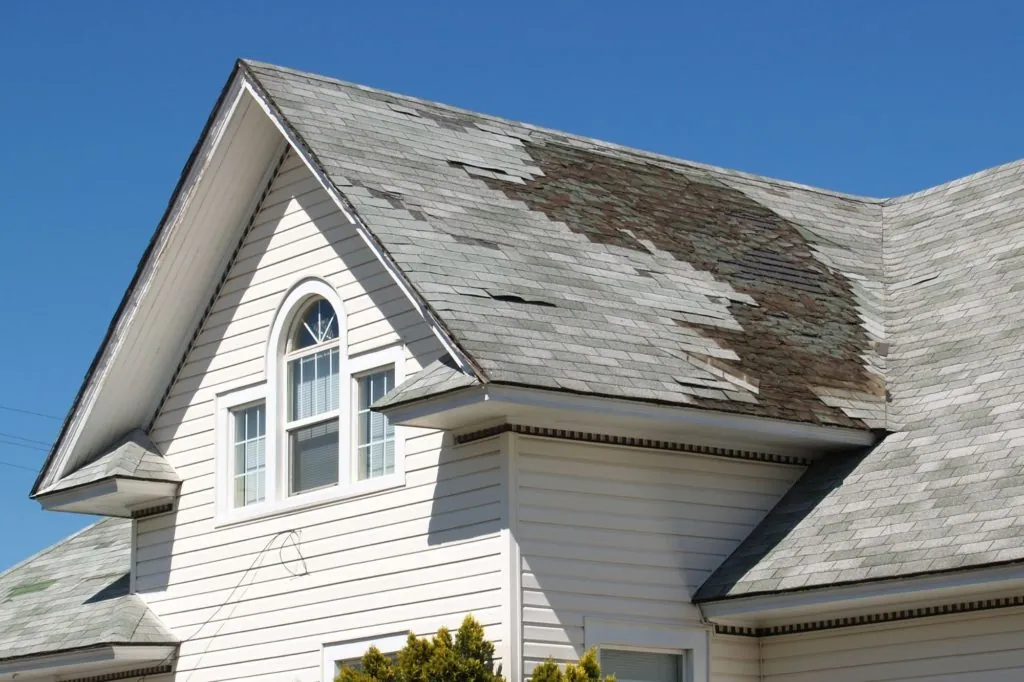
Front Range roofs live a harder life than roofs almost anywhere else in the country. Altitude means stronger UV exposure, which breaks down asphalt binders and loosens granules years earlier than the same product would fail at sea level.
Then there are the temperature swings. A February day can run 60 degrees at noon and drop below freezing by evening. Every one of those cycles expands and contracts the roof assembly, working sealant loose, backing out fasteners, and opening the small gaps that later become leaks.
Add hail. Colorado sits inside one of the most active hail corridors in North America, and hail damage is cumulative. A roof can absorb several minor events with no visible failure while its effective service life quietly shortens each time.
- High altitude UV accelerates asphalt aging and granule loss
- Freeze and thaw cycles loosen fasteners, flashing, and sealant
- Repeated hail bruises mats without producing an immediate leak
- Heavy wet spring snow tests deck fastening and drainage capacity
- Wind events peel shingles at rakes, ridges, and improperly sealed edges
Repair Or Replace: How To Tell The Difference
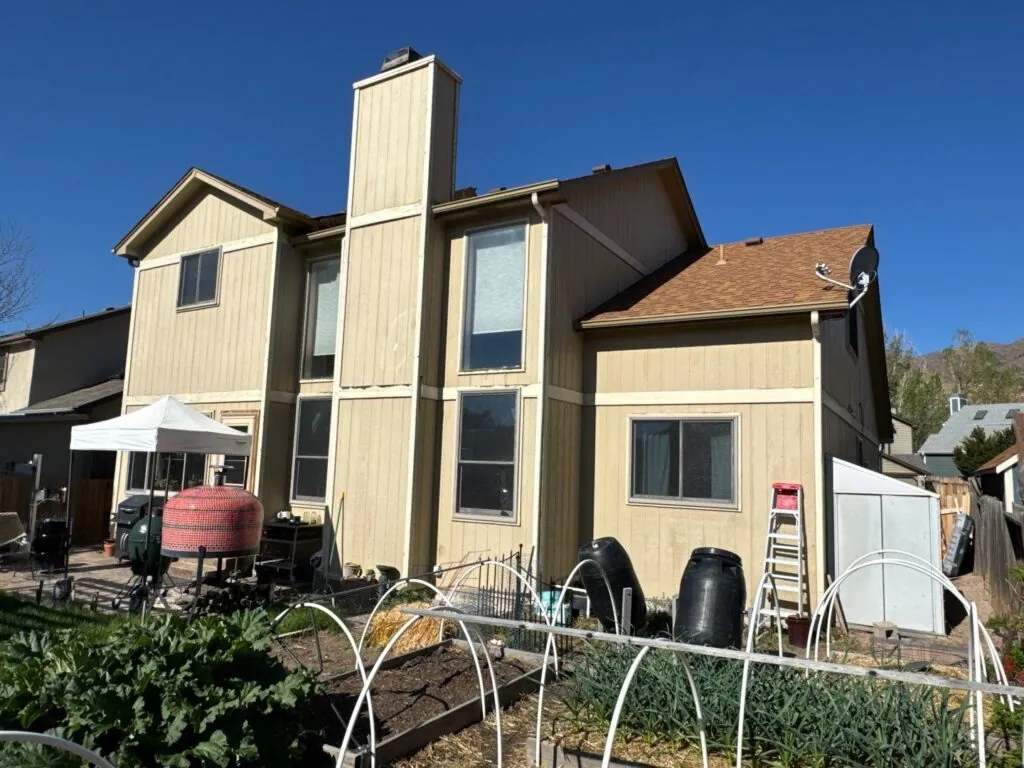
Not every problem calls for a new roof, and not every new roof is being sold for the right reason. Use the scope and the age together.
Repair usually makes sense when the damage is localized, the roof is well inside its service life, and the failure is at a specific detail such as a pipe boot, a section of step flashing, or a wind-lifted area on one slope. Fixing that detail restores the system.
Replacement usually makes sense when failure is widespread rather than local: curling or buckling across multiple slopes, heavy granule loss showing in the gutters, exposed mats, repeated leaks at different locations, or a deck that has already taken on moisture. At that point, spot repairs are spending money on a system that has run out of runway.
The middle case is storm damage, where the roof was performing fine until an event. That is a documentation problem more than a roofing problem, and it is worth having the damage photographed and measured before you decide anything.

What A Real Inspection Should Include
A useful inspection produces evidence, not just an opinion and a price.
- Photos of every finding, with location noted, that you keep whether or not you hire the company
- Deck and attic evaluation for moisture staining, daylight, and insulation condition
- Ventilation math showing intake and exhaust balance against attic square footage
- Flashing review at every wall, chimney, skylight, and penetration
- Test squares on each slope when hail is suspected, so damage density can be counted
- A written recommendation that separates what is urgent from what can be monitored
Frequently Asked Questions
Want To Know Which Layer Is Failing On Your Roof?
We inspect the whole system, not just the shingles, and you keep the photo report either way.