TPO Roofing Installation Contractors
Our certified crews install new TPO membrane systems with mechanically attached or fully adhered assemblies, matching fastener patterns to calculated wind uplift zones across Denver's high-exposure corridor.


TPO membrane performance in Denver depends on decisions made before installation: wind zone calculations, membrane thickness matched to rooftop traffic, and heat-welded seam quality control. Peak to Peak Roofing in Denver handles commercial TPO roofing services across the Front Range with core cuts, moisture mapping, and documented seam testing on every project, so the assembly meets the wind and hail exposure your building actually faces. TPO sheets reinforced with a polyester weave scrim resist tear propagation better than unreinforced membranes, and the white, gray, or tan surface options each carry different solar reflectance ratings that factor into Denver Energy Code cool roof compliance discussions.
Certified, Accredited, And Reviewed






Two TPO roofs can cost very differently and look identical from the ground. The variables that matter are membrane thickness and how the assembly is held down.
| Specification | What it means in plain words | Typical use | Trade off |
|---|---|---|---|
| 45 mil membrane | A mil is one thousandth of an inch, so this sheet is about as thick as a credit card is at its thinnest edge. | Budget projects and short hold buildings. | Least puncture resistance and the shortest warranty terms offered. |
| 60 mil membrane | One third thicker than 45 mil. | The most common specification on Front Range commercial buildings. | Balanced cost and durability. The usual default. |
| 80 mil membrane | Nearly twice the thickness of 45 mil. | High traffic roofs, hail exposed sites, long hold assets. | Highest material cost, best puncture and hail resistance, longest available warranties. |
| Mechanically attached | Screws and plates fasten the membrane through to the deck along seam lines. | Fast, cost effective, most common. | The membrane flutters under wind. Fastener pattern must match the wind uplift design. |
| Fully adhered | The entire sheet is glued to the substrate with no in field fasteners. | Higher wind zones, exposed buildings, aesthetics. | Costs more and takes longer to install, but delivers higher uplift performance and a smoother surface. |
| Ballasted | Loose laid membrane held down by river rock or pavers. | Limited use on flat roofs with structural capacity for the weight. | Rarely specified now. The ballast hides leaks and adds significant dead load. |
TPO sheets are manufactured to ASTM D6878. Wind uplift assemblies are tested under FM 4470 or UL 580 and designed to the wind loads in ASCE 7 as referenced by the International Building Code. Warranty length depends on the specific manufacturer system, thickness and attachment, so we confirm terms in writing before installation.
Substrate moisture, wind uplift zones, membrane thickness, and seam integrity determine whether a TPO system lasts twenty years or fails in five. Each factor gets measured and documented before installation, not assumed from a walk-through.
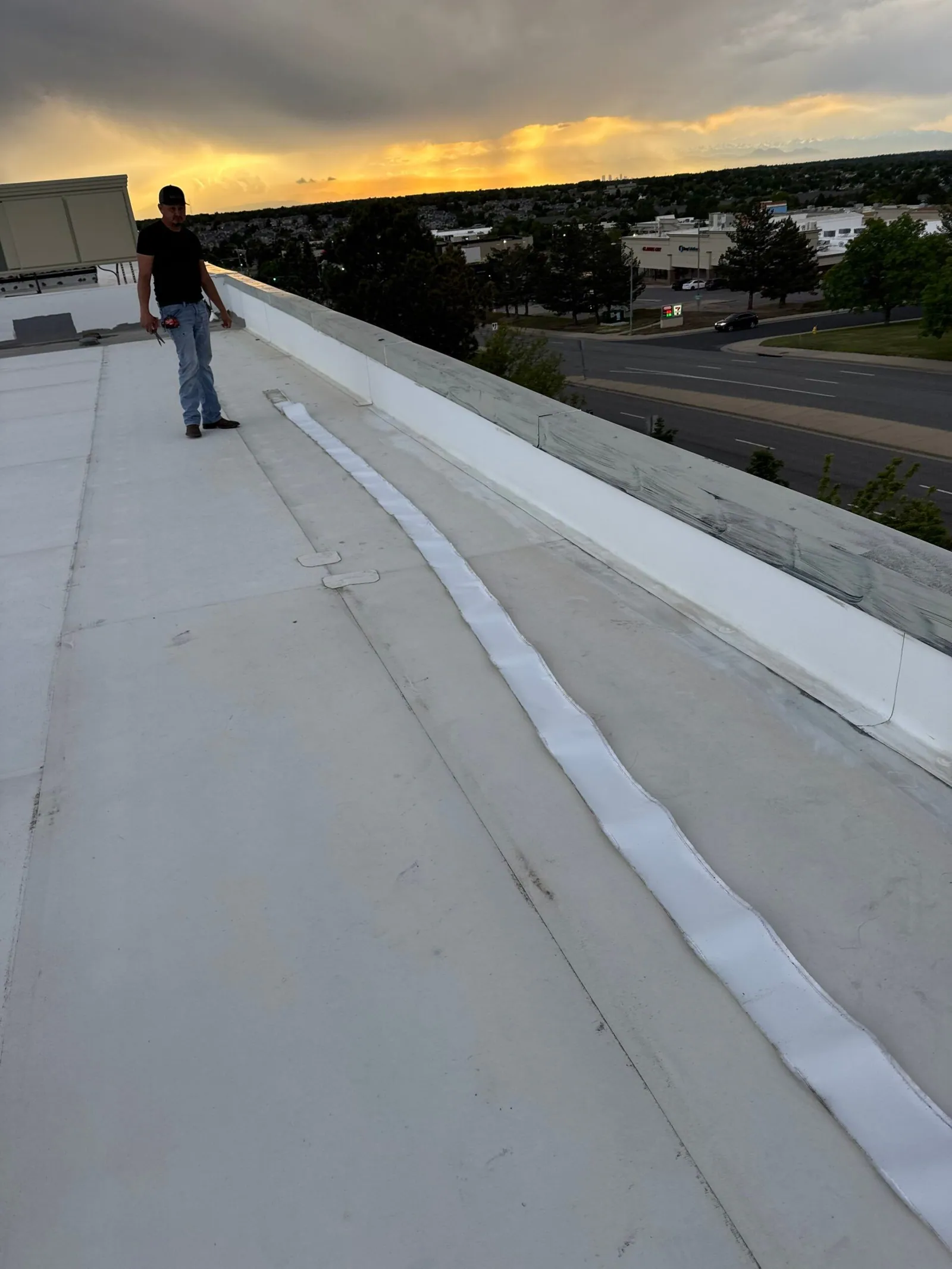
Commercial property owners evaluate contractors on verifiable credentials and consistent installation quality. Peak To Peak Roofing maintains manufacturer certifications and industry standing that back every TPO warranty we register, across our full slate of commercial roofing work in Denver.
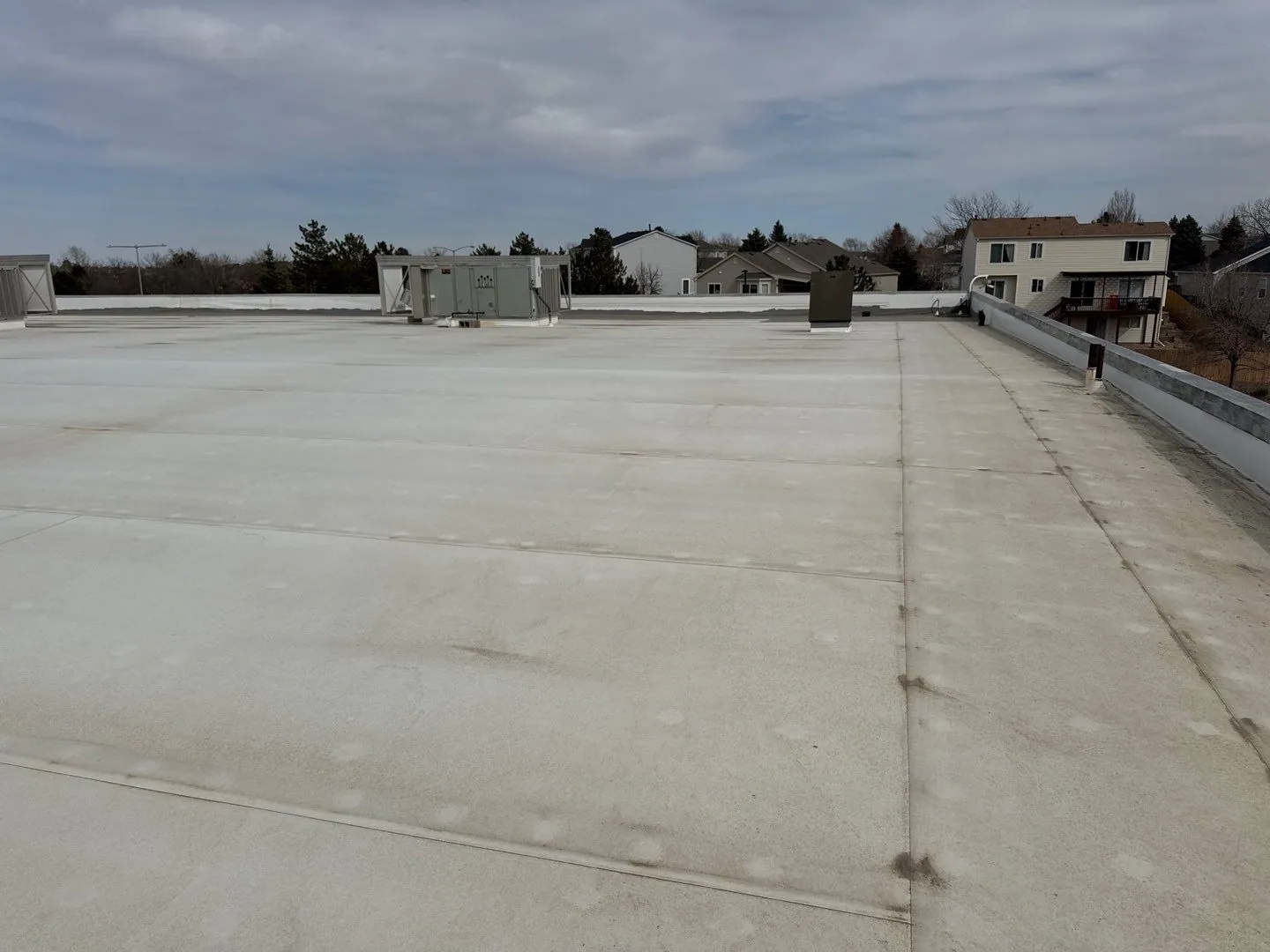
Chris had two commercial roofs redone after the original systems failed early. Kim needed warranty documentation pulled together for ten condo buildings on a lending deadline. TPO work covers new construction, full replacement, targeted repair, and recover systems, and the right approach depends on what the diagnostics reveal about the existing assembly. Automated robotic welders run the long field seams on larger roofs while hand welders finish detail work at corners, curbs, and penetrations, and the switch between the two affects both schedule and seam consistency.
Our certified crews install new TPO membrane systems with mechanically attached or fully adhered assemblies, matching fastener patterns to calculated wind uplift zones across Denver's high-exposure corridor.
We remove failed membrane systems down to deck, address saturated insulation, and rebuild with properly specified cover board and tapered polyiso to correct drainage before new membrane goes down, following the same standards used on every full commercial roof replacement we complete.
Our technicians heat-weld patches, rebuild flashings at penetrations, and reseal terminations using manufacturer-approved methods that keep existing warranties intact instead of voiding them with incompatible sealants, the same approach behind our dedicated commercial roof repair service.
We install recover systems over sound existing assemblies where core cuts confirm dry substrate, adding insulation value and a new membrane without the disposal cost and downtime of full tear-off.
TPO performance depends on details invisible after installation: weld temperature control, cover board attachment, and edge metal termination. The standards below govern every commercial TPO project we complete along the Front Range. The white membrane surface also typically qualifies TPO assemblies for Energy Star cool roof listing, a factor property managers raise when weighing rooftop cooling load alongside the structural standards below.
ASTM D6878 Membrane Compliance: Verified membrane thickness and reinforcement scrim.
FM 4470 Assembly Approval: Attachment patterns matched to approved assemblies.
Heat-Welded Seam Quality Assurance: Probe testing and documented weld temperatures.
ANSI/SPRI ES-1 Edge Metal: Tested perimeter terminations resist wind uplift.
Denver Calvary received a section replacement completed to these same standards, with manufacturer inspection before warranty registration. Skipping the seam documentation looks identical on day one and costs the owner the warranty on the day the claim gets filed. Enrolling in our roof maintenance programs keeps that documentation current between inspections.
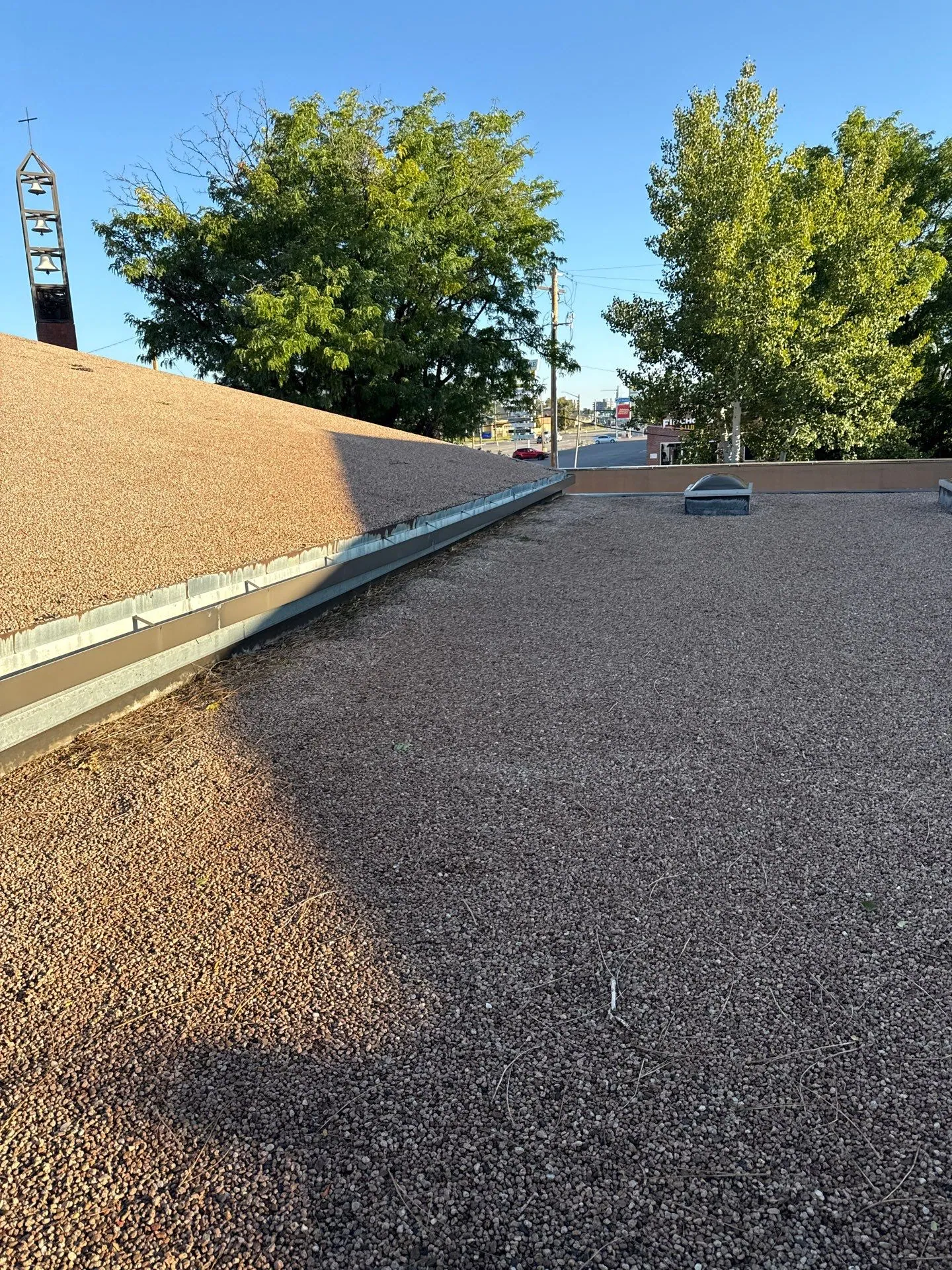
The questions that matter most are rarely about the membrane brand. They are about substrate condition, insulation value, and whether the installation crew documents the work well enough for the warranty to survive a claim.
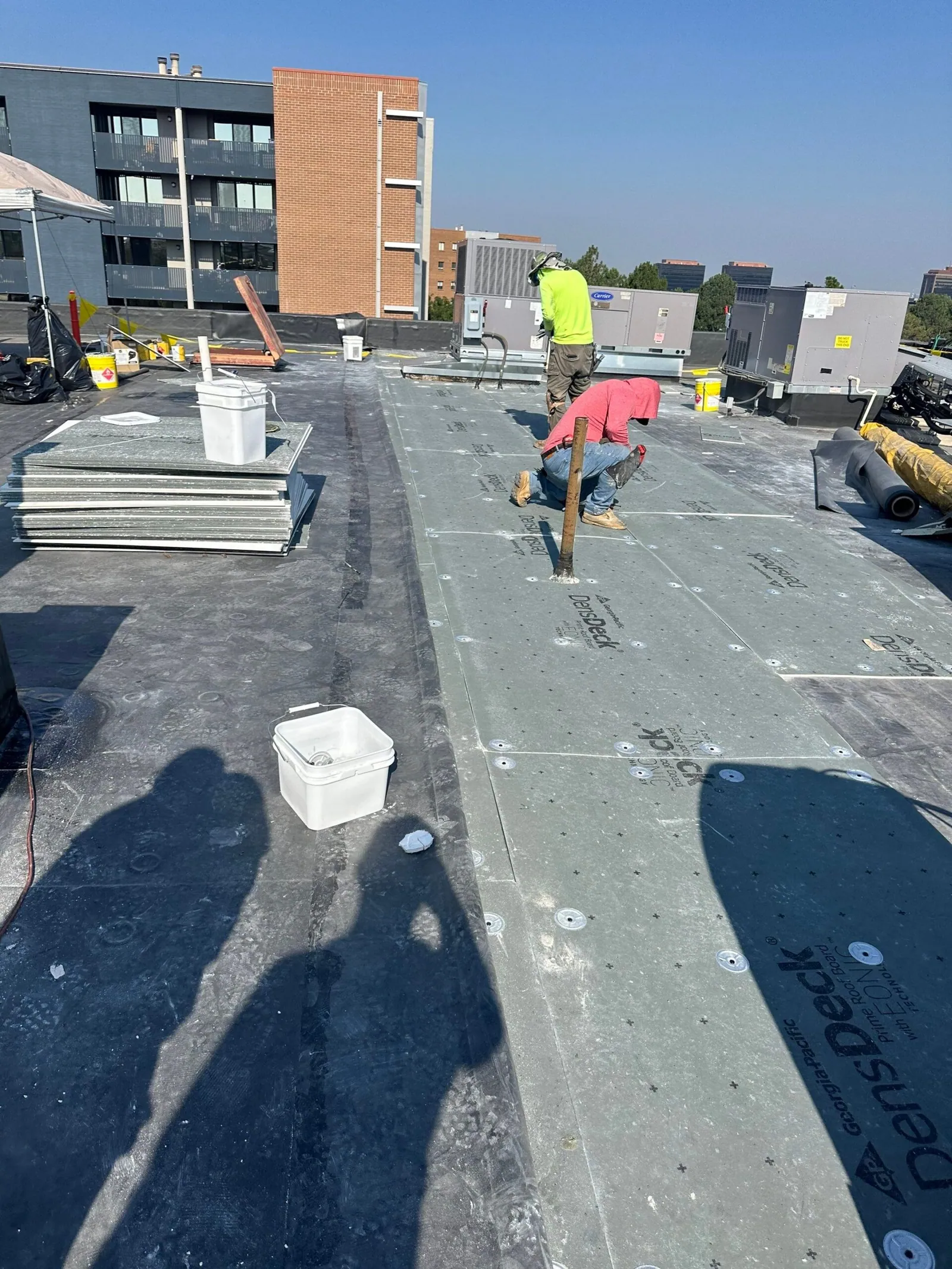
Peak To Peak Roofing provides commercial TPO roofing services throughout Denver and the surrounding communities, working directly at your property. The service area spans Denver, Aurora, Littleton, and Castle Pines, reached via I-25, I-70, C-470, and E-470. Crews coordinate around tenant schedules and business hours to keep operations running during installation.
Peak To Peak Roofing schedules TPO installation and repair work throughout Denver and surrounding areas, coordinating directly with facility managers to limit disruption to daily operations.

JJ Hedden
Founder & Owner
Meet The Owner
JJ Hedden founded Peak to Peak Roofing & Exteriors so Front Range property owners would have a roofer who is still reachable after the truck pulls away. He came up through inspections, claims and installations, so the standards our crews work to are the ones he set on roofs himself.
On commercial work he stays close to the details that cost building owners money later: seam and membrane quality, drainage and ponding, curb and penetration flashing, and a schedule that keeps the tenants working while the crew is on the roof.
Hot-air welded seams, probe-tested laps, and properly terminated edge metal. The membrane rarely fails first, the details do.




4.9/5 from happy homeowners
● TPO Consults Available This Week
Membrane thickness, insulation, and warranty options explained clearly.
"Peak to Peak was great, they helped me with a repair on my roof. Helped me to extend the life of my roof."
- Luke Howard
Free inspection, same day answers