
Our Commitment
Workmanship Warranty
Peak to Peak Roofing & Exteriors, LLC warrants its workmanship for two years from the date of completion. Materials carry their own separate manufacturer warranties. Here is exactly what that means in practice.
- Two year workmanship coverage
- Separate manufacturer material warranties
- Transferable to a new owner
Certified, Accredited, And Reviewed






Two Warranties, Two Different Jobs
Every roofing project comes with two distinct protections, and homeowners are often surprised by how differently they behave. The manufacturer's material warranty covers defects in the product itself: shingles that fail prematurely, granule loss outside normal aging, or a manufacturing flaw. It is issued by the manufacturer, not by us.
The workmanship warranty covers installation. If a leak develops because flashing was set incorrectly, a fastener was placed wrong, or a detail was not finished to specification, that is our responsibility to correct.
Most roofing failures come from installation rather than product defect, which makes the workmanship warranty the one that gets used. It is also the one that is only as good as the company standing behind it, which is a fair question to ask any contractor you consider.
What Is Covered
Our workmanship warranty covers defects in installation for two years from the date the work is completed.
Installation Defects
Leaks or failures traced to how the system was installed rather than to the materials themselves are corrected at no cost to you.
Flashing And Detail Work
Transitions at walls, chimneys, valleys, and penetrations installed by our crews are covered under the same term.
Fastening And Sealing
Nail placement, sealing, and edge treatment performed during the project fall within workmanship coverage.
Corrective Labor
Workmanship claims include the labor to diagnose and repair the covered defect, not just the replacement material.
What Is Not Covered
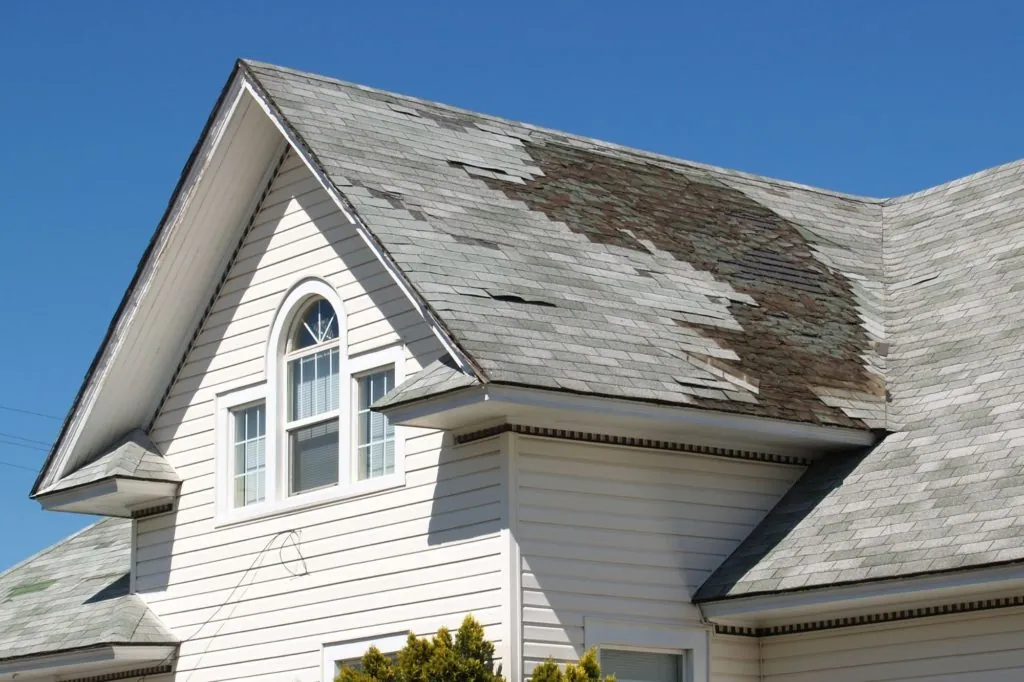
Certain conditions fall outside a workmanship warranty by their nature, because they are not installation issues.
Weather damage is the most common exclusion homeowners encounter, and it is also the most commonly covered by insurance. If a storm damages a roof we installed, the path forward is usually a claim rather than a warranty request, and we will help you document it either way.
- Damage from weather events including hail, wind, lightning, and falling debris
- Normal wear and aging of materials over the course of their service life
- Damage caused by third parties, including other trades or contractors working on the property
- Damage caused by alterations, additions, or penetrations made after our work was completed
- Structural movement, settling, or pre-existing conditions in the building itself
- Failures resulting from lack of required maintenance such as clogged gutters or blocked ventilation
- Defects in the materials themselves, which fall under the manufacturer's separate warranty
How To Make A Warranty Claim
Notice matters. Prompt reporting keeps a small correction from becoming a larger repair.
1. Notify Us Within Three Days
Report any defect within three days of discovering it. Prompt notice allows us to inspect the condition before weather or time changes what we are looking at.
2. Document What You See
Photographs of the location, the date you first noticed it, and any interior effects help us diagnose the cause quickly.
3. We Inspect
We come out and determine whether the condition is an installation defect, a material defect, or storm damage, and we tell you which.
4. We Correct Covered Work
Installation defects within the warranty term are repaired at no charge. If the cause falls elsewhere, we explain the finding and your options.

Maintenance Keeps Your Coverage Intact
A workmanship warranty protects installation. Basic upkeep protects everything around it.
None of this is complicated, and most of it takes an afternoon a year. The point is simple: the failures we see most often are not installation defects at all. They are drainage and ventilation problems that were preventable.
- Clear gutters and downspouts twice a year so water leaves the roof instead of backing up under the edge
- Keep attic intake and exhaust vents unobstructed to prevent heat and moisture buildup
- Trim branches back so limbs cannot abrade shingles or drop debris into valleys
- Have the roof looked at after any significant hail or wind event, even when nothing looks wrong from the ground
- Use a roofing contractor for any new penetration such as a satellite mount, vent, or solar attachment
Payment, Certificates, And Transfer
Warranty coverage becomes effective once the project is paid in full and the warranty certificate has been issued. An unpaid balance means coverage has not yet taken effect, which is standard practice across the industry.
The warranty is transferable to a subsequent owner if you sell the home during the coverage period. Notify us at the time of sale so the certificate can be reissued in the new owner's name, which is also a document worth having in hand during a real estate transaction.
Keep your certificate, your final invoice, and the photo documentation from your project together. Between those three items you have everything needed to make a claim on either warranty.
Warranty Terms Worth Knowing
- Workmanship Warranty
- Coverage issued by the contractor for how the system was installed. Ours runs two years from the completion date.
- Manufacturer Material Warranty
- Coverage issued by the product maker for defects in the material itself. Terms vary by product line and by installer certification.
- Prorated Coverage
- Many material warranties reduce their payout over time. What is paid in year twenty is far less than what is paid in year three.
- Transferability
- Whether coverage follows the home to a new owner. Ours does, with notice at the time of sale.
- Exclusion
- A condition the warranty does not cover, such as storm damage, normal aging, or work performed by others.
- Warranty Certificate
- The document issued after final payment that states your coverage term and project details. Keep it with your invoice.
Frequently Asked Questions
Questions About Your Coverage?
Call us with your project details and we will pull your file and walk through exactly what applies.