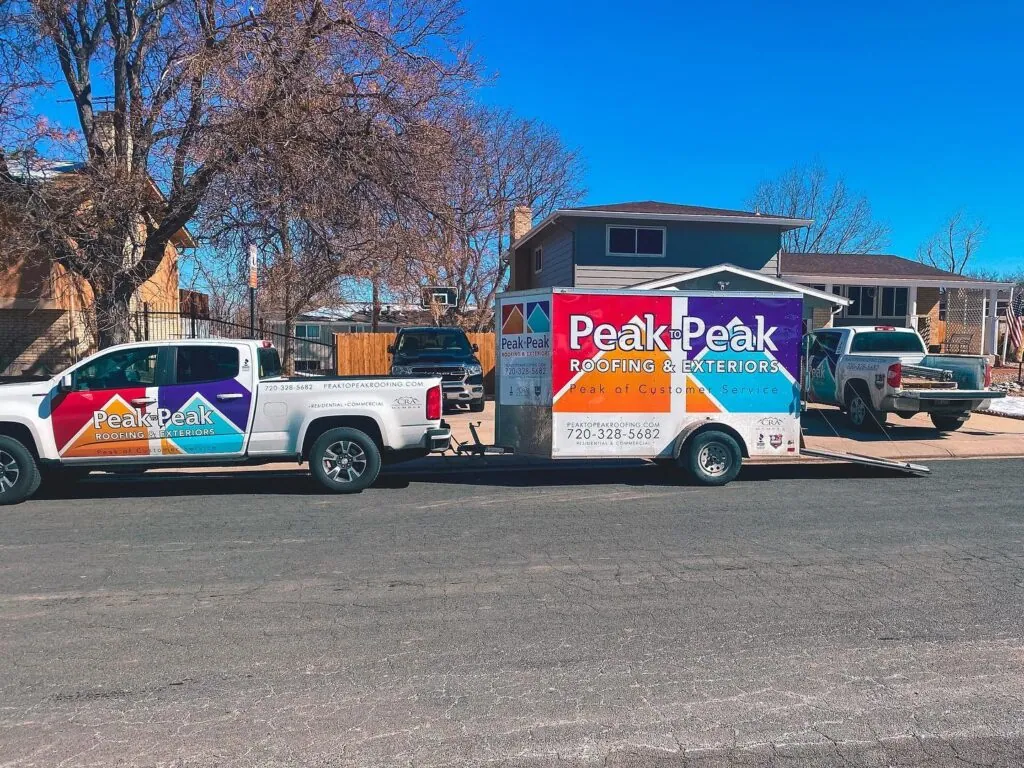
Denver Roofing in Denver by Peak to Peak Roofing
Denver Roofers

Denver Roofers Protecting Bungalows, Infill Homes and Storm-Battered Roofs Since 2008

Peak to Peak Roofing helps Denver property owners understand what their roof needs before choosing repair, storm restoration, metal roofing or replacement. A bungalow near Washington Park, a Park Hill ranch and a Green Valley Ranch home can face the same storm but need very different work. Peak to Peak Roofing has worked as a Denver roofing company based on the Front Range since 2008.

  • Start with the Denver property: Older decking, additions, roof slope and access matter as much as the material visible from the street.
  • Document before deciding: Photos of roof conditions and storm-related damage help explain whether targeted repair or a broader replacement scope makes sense.
(720) 893-3823
4.9/5 average from 427 Google reviews

Certified, Accredited, And Reviewed

Peak to Peak Roofing certified contractor badge
C12 Business Forums member badge
A+ Better Business Bureau rating badge
Owens Corning Platinum Preferred Contractor badge
Google customer review rating badge
Peak to Peak Roofing accreditation badge

What Denver Homeowners Say After the Inspection

Real Google reviews from our Denver listing about repairs, older roofs and storm work. Quotes are trimmed for length, never reworded.

  • Only the repairs that were needed

    "In the end I only needed a couple of repairs to take care of the issues."

    Repair comes first when the roof supports it.

    Aaron Atwell, Google review, January 2026. Read it on Google (review by Aaron Atwell)

  • Rot found during a leak repair

    "Peak to Peak repaired a leak, replaced a damaged roof tile, and replaced some rotting wood on the roof, as well."

    Damaged wood under the leak is found and replaced, not covered over.

    Rose, Google review, July 2025. Read it on Google (review by Rose)

  • Fixing a previous owner's work

    "The previous owners had done a shotty job with securing the roof, and Luke came out to evaluate free of charge, handled the connection with a structural engineer, and did EXCELLENT work."

    Older or altered homes may need an engineer, and we coordinate it.

    Ethan Harry, Google review, May 2026. Read it on Google (review by Ethan Harry)

  • Rental roofs and tenants

    "An added bonus was the upgrades that were done ie. original 3 tab was replaced with dimensional shingle, and roof vents were added."

    Replacements can add ventilation the original roof lacked.

    tom sharon, Google review, June 2025. Read it on Google (review by tom sharon)

  • Hail damage, start to finish

    "He made everything so easy, managing all the contractors and ensuring every detail was taken care of seamlessly."

    One contact manages the trades after a storm.

    Stephanie Meinerz, Google review, March 2025. Read it on Google (review by Stephanie Meinerz)

Denver Housing Age Changes the Roofing Question

Denver's roofs cover more than a century of construction. The covering may look similar from the sidewalk, but the framing, decking, ventilation and additions beneath it can differ substantially. That is why a useful recommendation starts with the actual building rather than a neighborhood-wide assumption.

Older central homes need attention below the shingles
Washington Park, Highlands, Congress Park and other established neighborhoods include bungalows, Denver Squares and Victorian homes with older roof assemblies. Plank sheathing, dormers, chimneys and limited original ventilation can affect both repairs and replacement.
Ranch roofs put long slopes and penetrations in focus
Mid-century homes in Harvey Park, Virginia Village, Bear Valley and parts of Park Hill often have broad roof planes and lower pitches than older Victorian homes. Flashing at penetrations, eaves and transitions deserves attention when investigating a leak. Water appearing inside does not necessarily enter directly above the stain.
Newer neighborhoods still need roof-specific storm evidence
Central Park, Lowry and Green Valley Ranch include newer homes with valleys, wall intersections and association requirements that can influence a project. A newer construction date does not establish whether a roof escaped hail, and damage on a neighboring house does not establish damage on yours.
Infill and additions require compatible roof systems
Sloan's Lake, Berkeley and Sunnyside include modern infill, townhomes and remodeled properties where steep roofing meets low-slope sections, parapets or rooftop features. These connections need an assembly-specific approach. A shingle repair on one section will not resolve a separate membrane seam or wall transition problem.

The practical question is not simply how old the roof is. It is whether the damaged area can be repaired reliably within the surrounding assembly, what remains concealed and whether other roof sections show related problems. That distinction keeps a localized Denver leak from automatically becoming a full replacement recommendation. When the source of a Denver leak is still unclear, a professional roof leak repair service paired with a complete roof inspection and condition report helps separate the symptom from the cause.

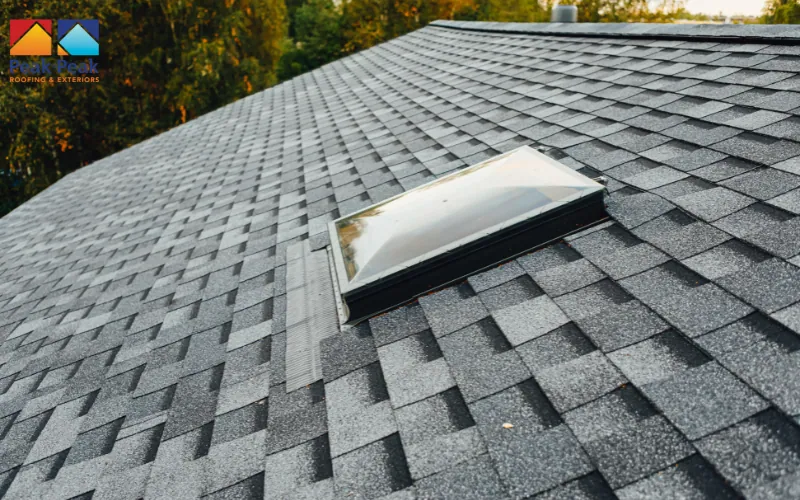
Denver Roofing project in Denver by Peak to Peak Roofing

Settle Denver Jurisdiction, Approvals and Access First

A Denver mailing address is not enough to identify the permitting authority. The exact parcel may be inside the City and County of Denver or under another nearby jurisdiction. Confirming that distinction early helps keep the proposal, material selection and inspection plan aligned with the property.

  • For properties inside the City and County of Denver, roofing permit questions belong with Denver Community Planning and Development and its current permitting process. Nearby Englewood, Glendale, Aurora and county properties can have different procedures, even when the owner describes the location as Denver.
  • Check whether a homeowners association controls roof material, profile or color. Central Park, Lowry and other planned communities may have property-specific requirements. Written approval is worth resolving before materials are ordered, and any difference from the insurer's estimate should be identified explicitly.
  • Check landmark designation or historic district status before proposing a visible material change on an older home. A metal roof, different profile or altered appearance may need review at a designated property. Neighborhood age alone does not establish designation.
  • Plan how materials, debris containers and workers will reach a city lot. Alley access, nearby homes, landscaping and limited street parking can change staging arrangements. Placement in a public street or other right-of-way may require separate approval.
  • Separate contractor credentials from government requirements. Colorado does not issue a statewide roofing license. Ask about the registration required by the actual local jurisdiction, along with insurance and the documentation relevant to your project.

These checks are not reasons to delay understanding an active roof problem. They are information needed to turn inspection findings into a workable repair or replacement plan. Where requirements remain unresolved, identify the open question before treating a material choice or construction date as final. After a Denver storm, our hail damage and insurance claim process covers the assessment, the adjuster meeting and the claim paperwork together.

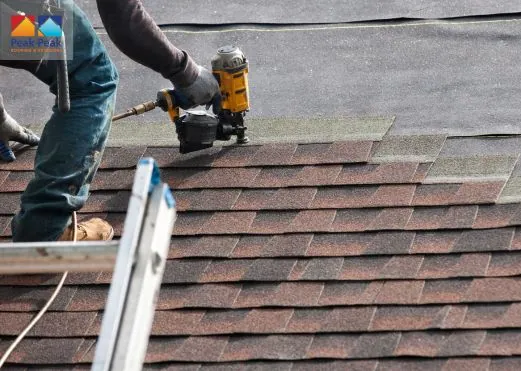
Peak to Peak Roofing crew completing denver roofing in Denver

Turn Roof Findings Into a Clear Denver Work Scope

A useful scope connects the observed condition to the work proposed for this building. Denver properties often combine several roof ages, materials or additions, so the recommendation should explain what is included and what remains outside the work. Denver owners weighing a material change can compare standing seam metal roofing systems with a full roof replacement plan.

01

Inspect the Roof and Trace the Concern

We review roofing, flashing, penetrations, exposed underlayment edges and relevant roof transitions, with photos that make the findings easier to understand. On an older central home, chimney and dormer details may be central to the investigation. On an exposed newer roof, storm damage and accessory condition may receive more attention.

02

Compare Repair With Replacement

A failed pipe boot, damaged flashing detail or limited area of wind loss can lead to a different scope from widespread storm damage or an assembly with several recurring problems. The comparison should account for surrounding material condition, roof slope, transitions and what can be confirmed about the deck.

03

Document Storm and Insurance Scope Differences

For hail or wind concerns, dated photographs and measurements help describe the physical condition of the roof and accessories. Where an insurance estimate exists, the construction scope can be compared with the documented damage and applicable project requirements.

04

Coordinate Materials and Project Closeout

Once the scope is understood, material selection should account for slope, weather exposure, approved appearance and the roof's surrounding details. A Denver project may involve shingles, architectural metal or a membrane on a low-slope section.

Choose Roof Details for Denver's Combined Weather Exposure

Denver roof wear rarely comes from one factor alone. High-altitude sun, hail, wind and melting or refreezing snow can affect the same roof in different ways. A material discussion is most useful when it considers the roof's slope, exposure and details as a system.

What Matters on This Roof

  • Sun and existing wear: Compare slopes rather than judging the whole roof from one street-facing view. South and west exposures can show different aging from more sheltered sections. Granule loss, brittle materials and worn seals need to be considered alongside any suspected hail marks.

  • Hail and wind evidence: Storm effects can vary within a neighborhood and across one roof. Damage to gutters, vents or screens can provide context, but it does not replace inspection of the roofing itself. Photographs should show both the relevant detail and where it sits on the building.

  • Snowmelt, valleys and attic conditions: Shaded eaves and valleys can be important when a South Denver homeowner reports leaks during melting snow rather than rainfall, since water refreezing at the eave can lift shingle edges and push moisture under them. Ventilation, roof transitions and the condition of the assembly all deserve review.

  • Impact-rated shingles: Class 4 impact-rated shingles are an option to discuss for Denver storm exposure, but a rating is not a promise that the roof cannot be damaged. Ask your insurer whether a particular product affects your policy or premium and what documentation it requires.

  • Standing seam metal and low-slope sections: Denver metal roofing decisions should include panel layout, concealed attachment, thermal movement and transitions around walls or rooftop features. Hail can affect appearance even when a panel continues to shed water. Modern infill may also include low-slope sections needing a suitable membrane or a specifically approved metal assembly.

Material comparisons should remain tied to this property. A roof that suits a newer Green Valley Ranch home may not meet the appearance requirements of a designated central Denver property. Resolve approvals and assembly details before comparing proposals as if they describe identical work. Single-family owners in Denver can explore our residential roofing systems and materials, while building owners can review commercial and low-slope roofing options.

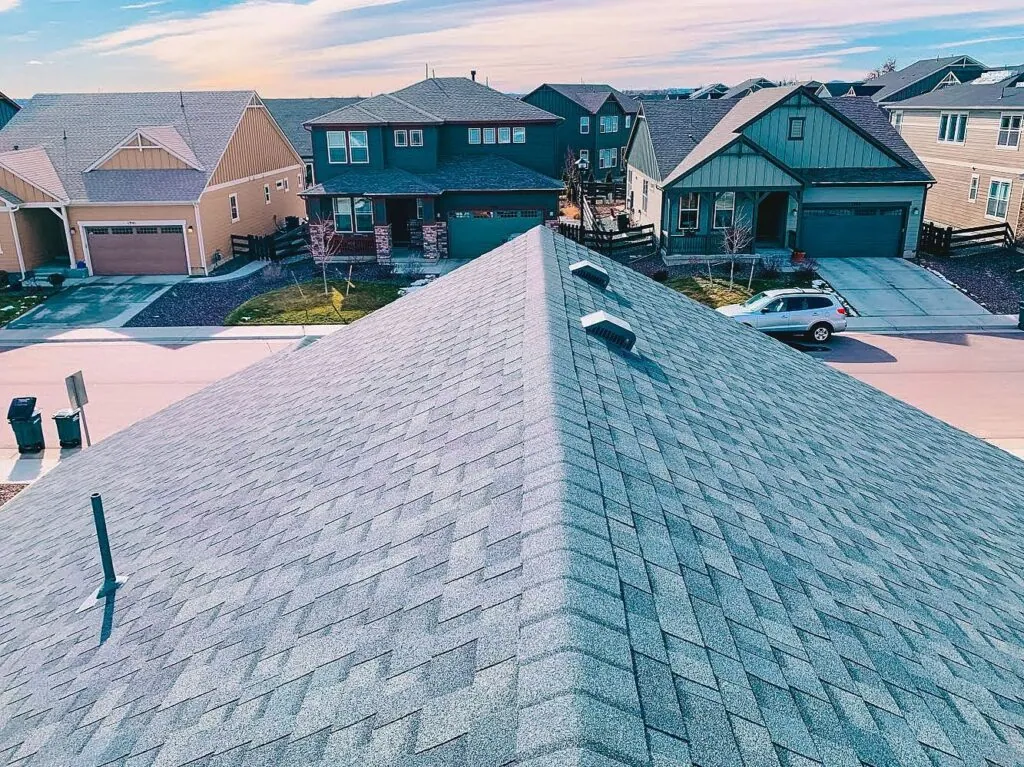
Denver home served by Peak to Peak Roofing

Move From a Denver Storm or Leak to an Informed Decision

A storm can create pressure to act before the roof condition is understood. The better sequence is to record what you can safely observe, obtain a documented assessment and then decide how repairs, insurance questions and approvals fit together.

Share safe observations and the property's history
From the ground, note missing shingles, damaged gutters or screens and any interior water marks. Record when the problem appeared and whether it followed hail, wind, rainfall or snowmelt. Tell us about older repairs, additions, roof access and any known HOA or landmark requirements. Do not climb onto a damaged or wet roof to gather evidence.
Review the inspection before choosing a path
Ask which findings are localized, which affect several roof sections and which cannot be confirmed without opening the assembly. A Park Hill ranch with a damaged flashing detail may need a different response from an infill townhome with membrane and wall-transition concerns.
Keep construction findings separate from policy decisions
If you are considering a claim, confirm reporting requirements and timing with your insurer or agent. Policy terms determine coverage, deductibles and depreciation treatment. Roof photos and a measured scope support the factual record, but they do not guarantee approval.
Resolve project details before work begins
Confirm the permit authority, required approvals, material selection and site access arrangements. Review how hidden decking damage would be handled and what closeout records you will receive. Weather, permit review and the final scope can affect planning.

Whether the outcome is a focused repair, metal installation or full replacement, the goal is the same: a scope that fits the Denver building and explains the work clearly. A full Denver replacement typically runs $15,000 to $50,000 depending on roof size, pitch, materials, layers and decking.

Peak to Peak Roofing crew working in Denver

Service Area Coverage

Peak to Peak Roofing serves Denver properties across older central neighborhoods, mid-century residential areas, newer planned communities and modern infill districts. The neighborhood is helpful context for housing and access, but the individual parcel determines jurisdiction and approvals.

  • Central Denver includes Wash Park, Cherry Creek, Capitol Hill and Highlands, where older homes can bring chimney, dormer, decking and historic-review questions into the roofing scope.
  • East Denver and Park Hill include Park Hill, Central Park, Montclair and Lowry, with a mix of ranches and newer two-story homes that makes roof condition and association requirements important to confirm.
  • South Denver includes University Park, Platt Park, Wellshire and Hampden, where remodeled homes and flat additions can require attention to more than one roof assembly.
  • North and west areas include Sloan's Lake, Berkeley, Sunnyside and Globeville, where older homes and modern infill create different access, flashing and material considerations.
  • Northeast Denver includes Green Valley Ranch, Gateway and the DIA corridor, where planned communities and commercial properties can require different approval, access and low-slope roofing discussions.

A neighborhood name does not establish storm damage, permit jurisdiction or material eligibility. For properties described as Denver but outside the city and county, confirm the governing authority before relying on Denver-specific requirements. For official requirements, see the Denver Community Planning and Development quick permits page and the Denver roofing guide and inspection checklist.

Denver Roofing by Neighborhood

Housing age, storm exposure and property approvals shape roofing decisions across Denver.

Area & Neighborhoods

Central DenverWash Park, Cherry Creek, Capitol Hill, Highlands

Target ZIP Codes

80209, 80206, 80211, 80203, 80205

Typical Homes & Roof Setting

Bungalows, Denver Squares and Victorians bring older decking and complex flashing.

Details to Share

Share prior roof records, chimney concerns and alley access details.

How It Shapes the Roof Work

Inspection findings help distinguish flashing repairs from replacement with deck work.

Local Rule or Constraint

Check landmark status before changing roofing materials or appearance.

Area & Neighborhoods

East Denver / Park HillPark Hill, Central Park, Montclair, Lowry

Target ZIP Codes

80207, 80238, 80220, 80230

Typical Homes & Roof Setting

Mid-century ranches and newer two-stories face hail and wind exposure.

Details to Share

Share the storm date, affected slopes and any association requirements.

How It Shapes the Roof Work

Dated photos help separate storm damage from wear before scoping repairs.

Local Rule or Constraint

Check HOA material and color approval where an association applies.

Area & Neighborhoods

South DenverUniversity Park, Platt Park, Wellshire, Hampden

Target ZIP Codes

80210, 80222, 80237, 80231

Typical Homes & Roof Setting

Brick ranches and remodeled homes combine pitched roofs with flat sections.

Details to Share

Share snowmelt leak locations and the history of roof additions.

How It Shapes the Roof Work

Inspection considers shaded eaves, valley flashing and membrane transitions together.

Local Rule or Constraint

Confirm applicable ventilation and valley requirements for the proposed assembly.

Area & Neighborhoods

North / West DenverSloan's Lake, Berkeley, Sunnyside, Globeville

Target ZIP Codes

80212, 80204, 80216, 80221

Typical Homes & Roof Setting

Tudor homes and infill townhomes combine older roofs with modern details.

Details to Share

Share roof access, rooftop features and any metal panel concerns.

How It Shapes the Roof Work

Roof slope and transitions guide repair, metal or membrane recommendations.

Local Rule or Constraint

Confirm permit jurisdiction and required inspections for the exact parcel.

Area & Neighborhoods

Northeast DenverGreen Valley Ranch, Gateway, DIA corridor

Target ZIP Codes

80249, 80239, 80248

Typical Homes & Roof Setting

Master-planned communities and commercial roofs face open-plains hail and wind.

Details to Share

Share storm records, association rules and rooftop equipment locations.

How It Shapes the Roof Work

Documented roof conditions guide shingle or low-slope repair and replacement scopes.

Local Rule or Constraint

Check applicable fastening requirements and any HOA material restrictions.

Serving You From Our Denver Headquarters

Located at 4155 E Jewell Ave #1100, Denver, CO 80222. Our team provides storm damage assessments and Xactimate insurance documentation across every Denver ZIP code.

Call (720) 893-3823

Nearby Communities We Also Serve

Same crews, same permit process, dispatched across the Front Range.

Frequently Asked Questions

JJ Hedden, founder and owner of Peak to Peak Roofing & Exteriors

JJ Hedden

Founder & Owner

Meet The Owner

JJ Hedden, Founder & Owner

JJ Hedden founded Peak to Peak Roofing & Exteriors so Denver property owners would have a roofer who is still reachable after the truck pulls away. He came up through inspections, claims and installations, so the standards our crews work to are the ones he set on roofs himself.

He still reads the inspection photos, checks ventilation and flashing before a scope goes out, and meets adjusters on the complicated claims. In Denver that matters, because the same storm can total one roof and leave the one next door fine.

  • Roofing Colorado since 2008
  • Reviews scopes before work starts
  • Hands on with every insurance claim
  • Family owned, Denver based

Credentials You Can Check Yourself

  • BBB Accredited, A+ rating

    Peak to Peak Roofing and Exteriors, LLC has been BBB Accredited since January 2010.

    View the BBB business profile
  • Colorado Roofing Association member

    Listed as a contractor member, with JJ Hedden named as owner.

    View the CRA member listing
  • Liability and workers' comp on file

    General liability and workers' compensation are two separate policies. Ask for a current certificate of insurance before work starts.

    See coverage dates on the CRA listing
  • Local contractor licensing

    Colorado has no statewide roofing license. Licensing and permits are set by each city or county, so ask which applies to your address.

Plan Around Your Denver Property

Get a Clearer Picture of Your Denver Roof

Tell us the address, what changed and any known access or approval requirements. We can discuss an assessment that connects the roof's condition with repair, storm documentation, material selection or replacement considerations.

Property-specific findingsRepair and replacement discussionStorm documentation support
Happy Peak to Peak Roofing homeownerHappy Peak to Peak Roofing homeownerHappy Peak to Peak Roofing homeownerHappy Peak to Peak Roofing homeowner

4.9/5 from happy homeowners

Limited Time Offer!

● Inspectors Available Today in Denver

Request a Denver Roof Assessment

Share the roof concern and any prior inspection, repair or association records you already have.

OR CALL DIRECTLY
(720) 893-3823
G

"Peak to Peak was great, they helped me with a repair on my roof. Helped me to extend the life of my roof."
- Luke Howard

Free inspection, same day answers

Call Now