Commercial Roof Repair Specialists

The Essentials: Small leaks turn into big problems fast when you’re running a business. Water damage hits inventory, ruins equipment, and creates liability issues that eat into your bottom line. Commercial roof repairs catch these issues early so you can keep operations running smoothly. Address problems now instead of scrambling to protect assets when the next storm rolls through.

Get a Free Inspection

Fill-in the form & request your free roof inspection.

  • This field is for validation purposes and should be left unchanged.
  • This field is hidden when viewing the form

Our Certifications & Accreditations

What Our Commercial Clients Say About Our Commercial Roofing Services

Our company has a proven track record of installing and maintaining hundreds of roofs with a strong focus on reliability and exceptional craftsmanship. Our ultimate goal is to go above and beyond our customers’ expectations. We would be honored to earn your trust and be your go-to roofing contractor.

What Are the Key Benefits of Professional Commercial Roof Repair?

Core Advantages: Professional commercial roof repair helps your building’s roof last longer while cutting energy bills and keeping operations running smoothly. Expert repairs protect your property value and meet local building codes.

Why Professional Repairs Protect Your Business Investment

  • Extended Roof Lifespan: Addressing issues promptly helps you avoid replacing your roof years before necessary, saving significant expense down the road.
  • Lower Operating Costs: Fixing leaks cuts down on wasted energy and brings utility bills back in line.
  • Business Continuity: Quick repairs protect your inventory from damage and keep operations running smoothly without unexpected shutdowns.
  • Liability Protection: Licensed work follows local codes and meets what insurance companies require for coverage.
  • Asset Value Preservation: A roof in good condition protects your property’s market value and keeps tenants satisfied with their living space.

Common Commercial Roof Problems and Proven Repair Solutions

Commercial roofs deal with problems you won’t find on houses. Water pools in low spots. Membranes pull away from seams as they age. Flashing around penetrations starts failing without obvious warning signs. These issues eat away at your building’s weather barrier while your HVAC system works harder to compensate. Quick diagnosis matters because small failures spread fast. Targeted repairs address the actual problem areas, which keeps your inventory dry, protects equipment from leaks, and prevents the kind of disruptions that shut down operations for days.

Understanding Commercial Roofing Essentials

Most business owners don’t realize that commercial roof repairs follow a systematic diagnostic approach, not guesswork. Technicians use proven assessment methods to identify hidden damage before it spreads. Understanding the repair process helps you make confident decisions about protecting your property investment.

How Our Systematic Repair Process Protects Your Building

  • Thermal Imaging Diagnostics: Infrared cameras help locate hidden moisture pockets under roofing materials that aren’t visible during standard inspections.
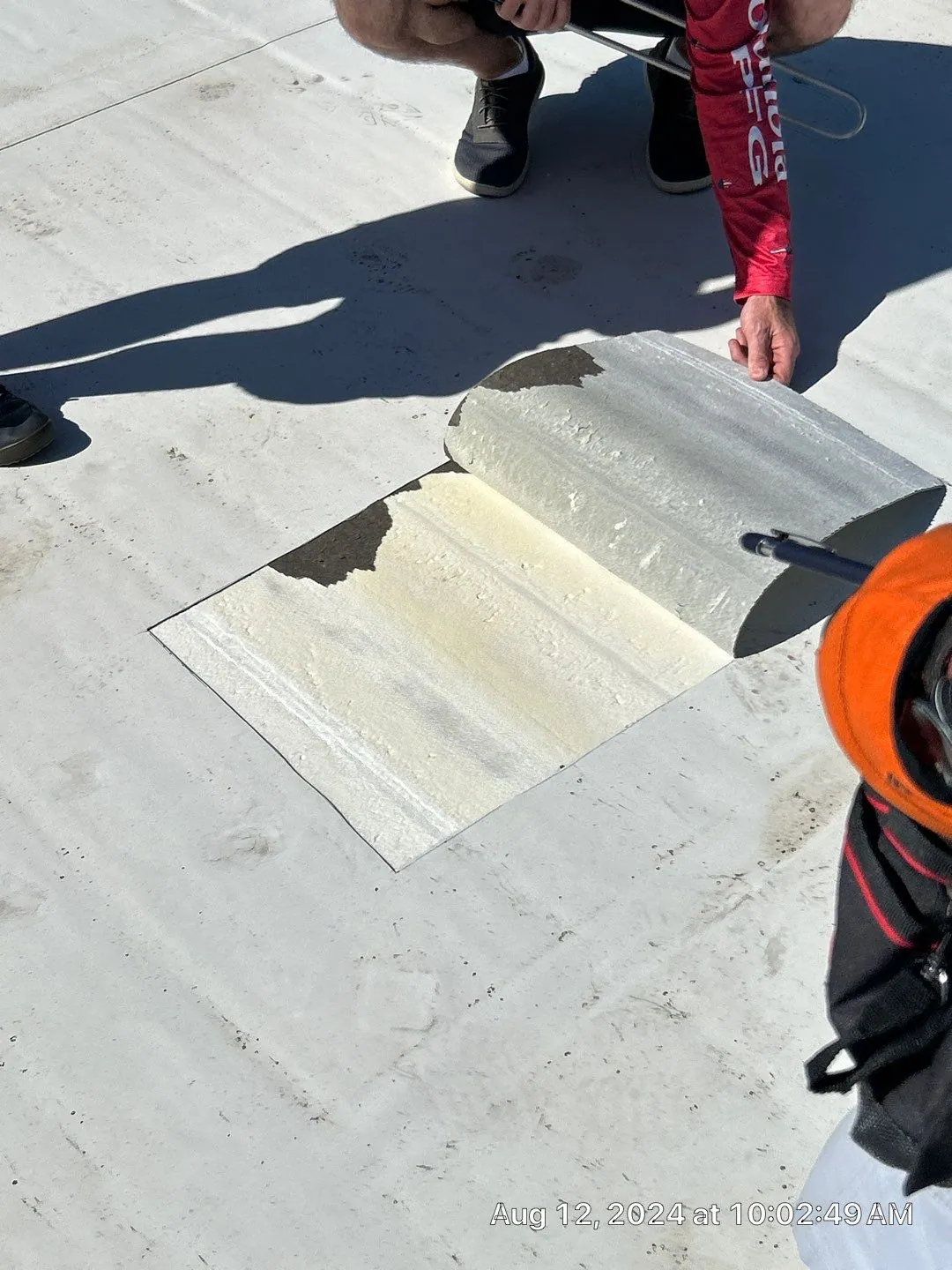
  • Core Sample Analysis: Shows deterioration hiding in different roof layers that you can’t see from the surface.
  • Staged Repair Approach: Tackles the immediate problems first, then moves into preventive work that protects against future issues.

Our repair process keeps everything transparent so you know exactly what’s happening up there. Before any work begins, we walk you through what we found using photos and thermal imaging data that shows the full picture. This way, you’re not hit with surprises halfway through, and the repairs address what’s actually causing the problem instead of just patching what you can see from the ground.

Essential Advantages of Regular Commercial Roof Maintenance

Maintenance Value: Routine maintenance on your commercial roof spots issues before they turn into bigger problems, keeps warranty coverage intact, and helps you avoid costly emergency fixes. Staying on top of scheduled care means fewer disruptions to your business and lower expenses down the road.

How Preventive Maintenance Saves Money and Prevents Disruption

  • Catch Problems Early: Routine inspections spot small issues while they’re still manageable, before they turn into expensive emergency repairs or full replacements down the road.
  • Warranty Protection: Regular maintenance keeps your manufacturer’s warranty active. Skip scheduled service, and you risk voiding coverage when you need it most, leaving you to cover repair costs out of pocket.
  • Budget Predictability: Routine maintenance follows a predictable schedule with known costs. Emergency repairs show up without warning, often at the worst possible time, forcing you to scramble for funds and adjust operations on the fly.
  • Energy Efficiency Gains: When drains flow freely and penetrations stay sealed, your HVAC system doesn’t work as hard to maintain comfortable temperatures. That translates to lower monthly utility bills and more consistent indoor comfort throughout the year.
  • Tenant Satisfaction: Taking care of issues before they become problems stops leaks and service interruptions that frustrate renters. When tenants feel their concerns are handled quickly, they’re more likely to renew leases, which helps keep vacancy rates low in areas where rental options are plentiful.

What to Expect During Commercial Roof Restoration Projects

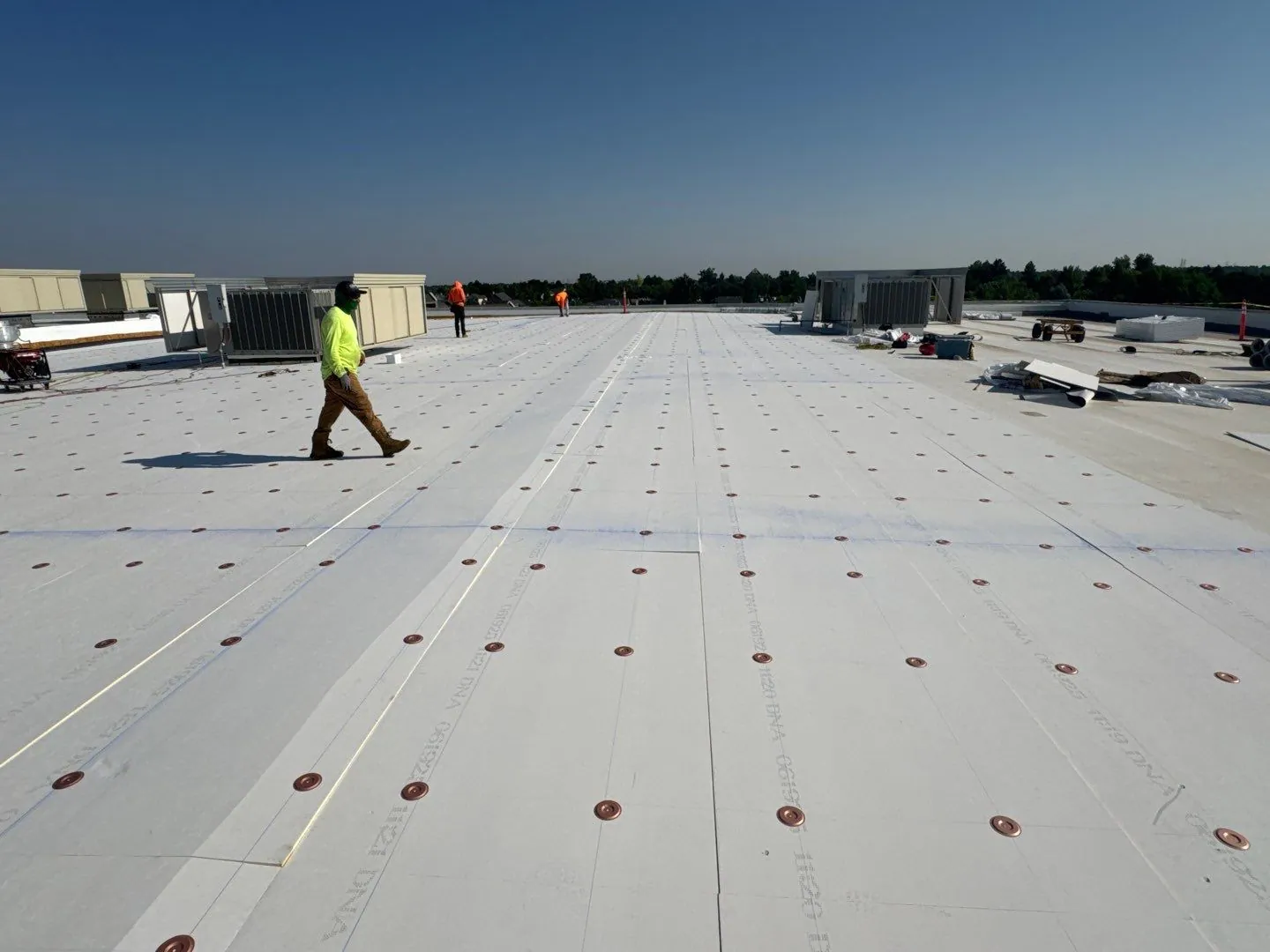
Commercial roof restoration follows a structured timeline designed to keep your operations running smoothly. It starts with a detailed scope meeting where project phases get mapped out, access requirements are established, and communication protocols are set. Here’s something many property managers don’t realize: proper staging and coordination often cut downtime in half compared to rushing through the work without a clear plan.

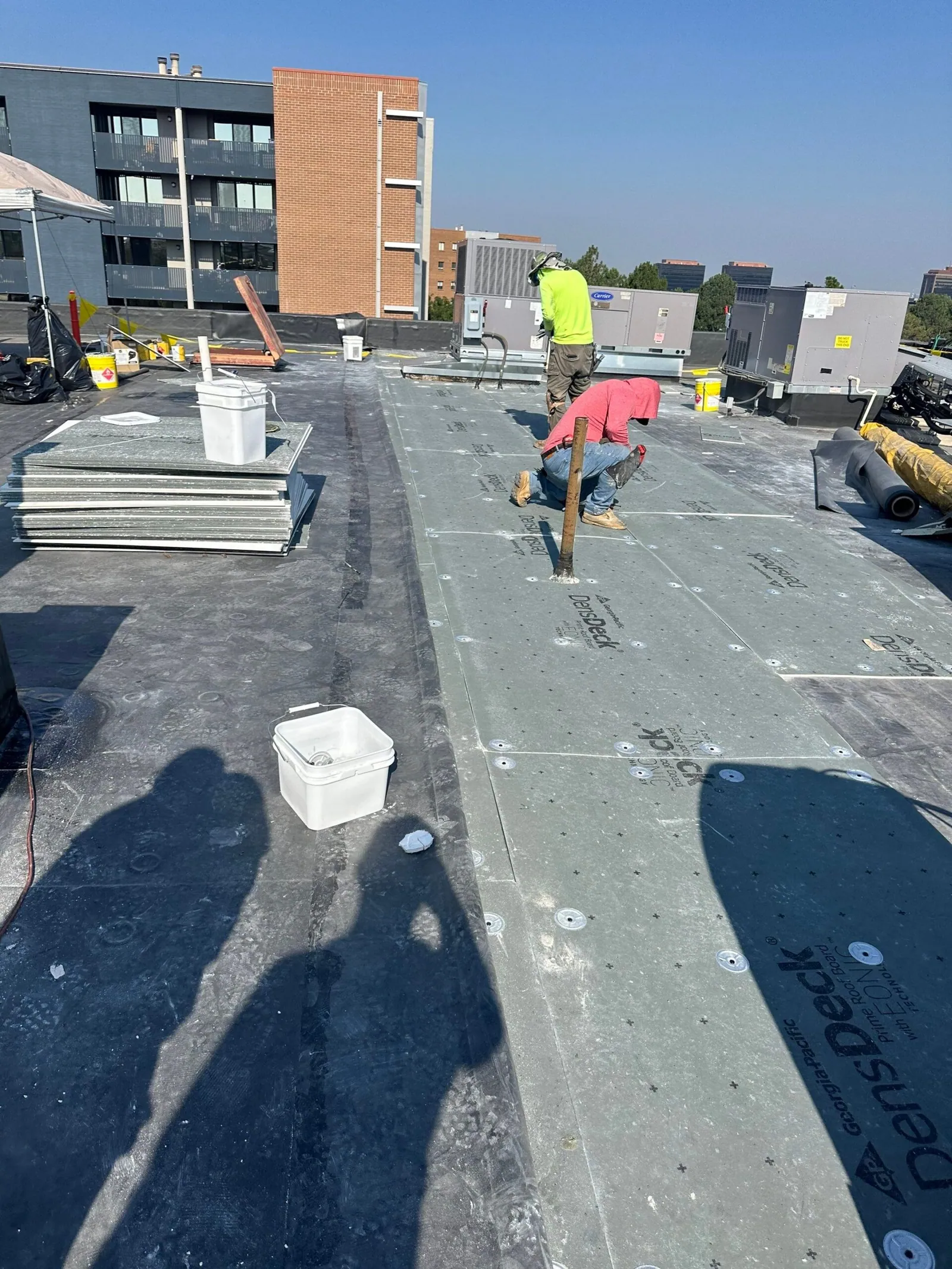
Our restoration work usually takes two to four weeks, though the timeline shifts based on how large your building is and what the weather decides to do. You’ll get updates every day showing where things stand. We set up specific entry points for the crew and put protective barriers around your HVAC equipment and anywhere we’re working near roof openings. The noisy stuff – grinding, cutting, heavy equipment – gets scheduled around your business hours when possible. We talk with your team to figure out when tenants are least affected, so you’re not dealing with complaints or disruptions that hurt those relationships while we’re getting the work done.

Commercial Roofing Services Across the Front Range

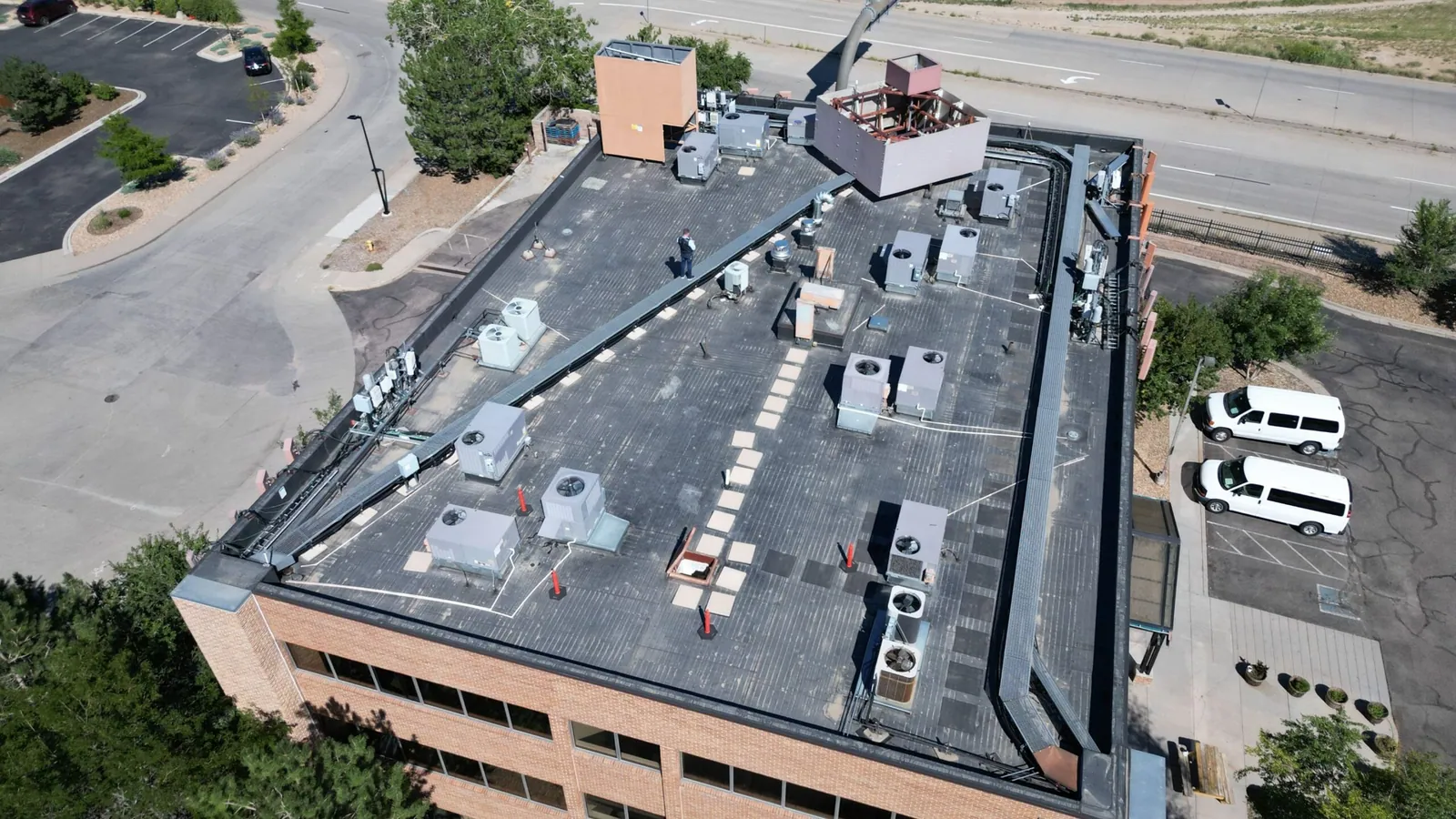
Commercial roof repair services handle office buildings, retail centers, warehouses, and industrial facilities across the Front Range. Coverage reaches south through Castle Rock and Colorado Springs, extends north into Fort Collins and Loveland, and spreads east through Aurora and the surrounding metro areas.

Crews handle commercial roof repairs throughout Denver, Aurora, Colorado Springs, Fort Collins, Lakewood, Boulder, and Thornton on a regular basis. The regional setup means businesses across these areas get quick response times without sacrificing the quality or consistency of the repair work itself.

Peak To Peak Roofing & Exteriors, LLC handles commercial roof repair work throughout the Denver metro area and along Colorado’s Front Range. The company serves property owners in Aurora, Colorado Springs, Fort Collins, Boulder, Lakewood, Thornton, and nearby communities across the region.

Frequently Asked Questions About Commercial Roof Repair

Immediate action is critical when commercial roof damage appears. Even minor leaks or visible wear can escalate rapidly, causing interior damage, inventory loss, and business disruption. Contacting qualified repair professionals within 24 to 48 hours prevents secondary problems like mold growth, structural deterioration, and compromised insulation. Delaying repairs often transforms manageable fixes into extensive restoration projects that require longer downtime and more complex solutions.

Most commercial roofing systems can be repaired when damage is caught early and remains localized to specific sections. Peak To Peak Roofing & Exteriors, LLC evaluates each situation based on the roof’s age, extent of damage, and overall structural integrity. Single-ply membranes like TPO and EPDM often respond well to patching and seam repairs, while built-up roofing systems may need more extensive work depending on how many layers are compromised. Metal roofing systems can handle targeted repairs for panel replacement or fastener issues, and modified bitumen roofs benefit from torch-applied patches when leaks develop. The decision between repair and replacement hinges on whether the underlying substrate remains sound and if the existing system has sufficient lifespan remaining to justify the investment in repairs.

Peak To Peak Roofing & Exteriors, LLC conducts thorough roof inspections to determine the most cost-effective solution for your commercial property. Their team provides honest assessments about whether repairs will extend your roof’s service life or if replacement makes better financial sense for long-term protection and performance.

Quick Answer: Commercial roofs display several visible indicators before major failures occur, including water stains, membrane deterioration, ponding water, and interior leaks. Catching these early prevents costly emergency repairs and business disruptions.

Commercial property managers and building owners often miss subtle roof damage until it becomes a crisis. Understanding the early warning signs allows for proactive maintenance rather than reactive emergency repairs. Professional roofing contractors recommend regular inspections to identify problems before they escalate into structural damage, inventory loss, or operational shutdowns that impact your bottom line and tenant relationships.

Critical Indicators That Demand Immediate Professional Assessment:

  • Interior Water Damage: Ceiling stains, discoloration, or dripping water signal membrane breaches that worsen rapidly with each rain event, potentially damaging inventory, equipment, and creating liability issues with mold growth.
  • Ponding Water Accumulation: Standing water that remains 48 hours after rainfall indicates drainage problems or structural sagging, which accelerates membrane breakdown and can lead to catastrophic collapse in extreme cases.
  • Membrane Blistering or Cracking: Bubbles, splits, or visible deterioration in the roofing material expose underlying layers to moisture infiltration, especially problematic in flat or low-slope commercial applications where water naturally collects.
  • Flashing Separation: Gaps or rust around roof penetrations, HVAC units, skylights, and parapet walls create entry points for water and wind damage, compromising the entire roofing system’s integrity.
  • Increased Energy Costs: Unexplained spikes in heating or cooling expenses often indicate compromised insulation from moisture intrusion, which reduces R-value and forces HVAC systems to work harder.

Addressing these warning signs promptly through professional repair services extends roof lifespan and protects your investment. Experienced commercial roofing specialists can assess damage severity, recommend appropriate repairs, and implement solutions that restore protection without unnecessary replacement costs. Regular maintenance programs help identify these issues before they become emergencies.

Property managers should obtain comprehensive records including warranty certificates, material specifications, installation photos, and detailed invoices. Request inspection reports that document pre-repair conditions and post-repair assessments. Ensure all permits are closed out properly with local building departments. Maintain digital copies of manufacturer certifications for installed materials, along with maintenance recommendations that protect warranty coverage and extend the roof’s service life.

Commercial roofing systems differ substantially from residential structures in complexity, materials, and safety requirements. Flat or low-slope roofs common on commercial buildings use membrane systems, built-up roofing, or modified bitumen that demand specific training and equipment. General maintenance crews lack the technical knowledge to properly diagnose issues like ponding water, flashing failures, or membrane degradation. Specialized contractors carry commercial-grade liability insurance and understand building codes that govern multi-tenant or public-access structures. They also possess the safety certifications required for working on large-scale buildings, including fall protection protocols and OSHA compliance standards that go beyond basic construction work.

Attempting repairs with unqualified teams creates liability exposure and often voids manufacturer warranties on roofing materials. Professional commercial roofers bring diagnostic tools, proper materials sourcing, and warranty-backed workmanship that protects property values. Their expertise prevents minor issues from escalating into structural damage that disrupts business operations and tenant relationships.

Quick Answer: A comprehensive commercial roof maintenance budget should account for preventive repairs, emergency reserves, seasonal preparations, and documentation services to avoid costly surprises and extend roof lifespan.

Many commercial property owners make the mistake of budgeting only for annual inspections, leaving themselves vulnerable when unexpected repairs arise. A well-planned maintenance budget protects your investment and prevents minor issues from escalating into major expenses. Smart budgeting involves allocating funds across multiple categories that address both predictable maintenance needs and unforeseen problems. This proactive approach helps property managers maintain cash flow stability while ensuring their roofing system receives proper care throughout its service life.

Essential Budget Categories for Commercial Roof Maintenance:

  • Preventive Maintenance Reserves: Set aside funds for routine tasks like drain cleaning, flashing repairs, and sealant replacement that prevent water intrusion and extend roof life between major renovations.
  • Emergency Repair Fund: Maintain a separate allocation for storm damage, sudden leaks, or equipment failures that require immediate attention to protect building contents and operations from weather-related disruptions.
  • Seasonal Preparation Services: Budget for pre-winter weatherproofing, spring debris removal, and summer heat damage assessments that address climate-specific challenges before they compromise roof integrity.
  • Professional Documentation: Include costs for thermal imaging scans, moisture surveys, and detailed condition reports that provide evidence for warranty claims and help prioritize future capital improvements.

Property owners who implement comprehensive budgeting strategies experience fewer operational disruptions and better control over long-term roofing costs. Working with experienced commercial roofing professionals helps you determine appropriate reserve amounts based on your building’s age, roof type, and local climate conditions. This strategic approach transforms roof maintenance from a reactive expense into a manageable, predictable investment.

Preventive maintenance acts as insurance against premature roof failure. Peak To Peak Roofing & Exteriors, LLC emphasizes proactive care that identifies minor issues before they escalate into expensive emergencies. Regular inspections catch deteriorating sealants, ponding water, and membrane weaknesses early. This approach helps commercial property owners avoid disruptive business interruptions and protects their investment through strategic, scheduled interventions rather than reactive crisis management.

Weather plays a decisive role in commercial roof repair work, as certain materials and repair techniques require specific temperature ranges and dry conditions to cure properly. Cold temperatures can prevent adhesives and sealants from bonding correctly, while extreme heat may cause materials to become too pliable or cure too rapidly. Rain, snow, and high winds create immediate safety hazards for repair crews and can compromise the quality of work being performed. Many commercial property managers find themselves balancing the urgency of needed repairs against the reality that rushing work during poor weather conditions often leads to callbacks and warranty issues down the line.

Smart property managers work with experienced contractors to develop flexible repair schedules that account for regional weather patterns while addressing urgent issues promptly. Planning non-emergency repairs during optimal weather windows ensures better material performance and longer-lasting results. Understanding these weather-related constraints helps set realistic expectations for project timelines and prevents costly mistakes that occur when repairs are forced during unsuitable conditions.