What to Expect During Your First Visit

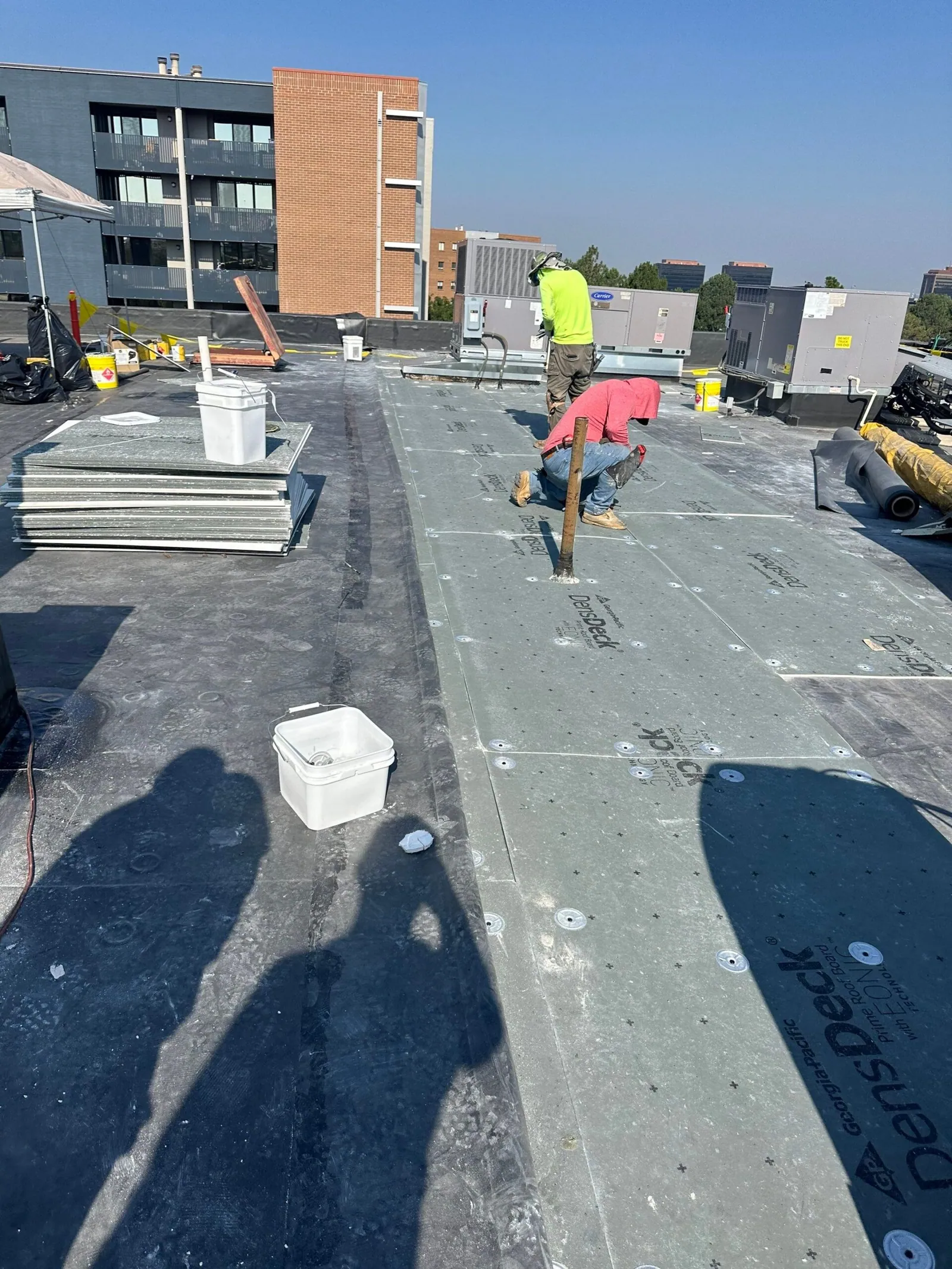
Your first visit sets the foundation for a successful restoration project. The team arrives ready to listen, assess the situation, and answer whatever questions you have about your commercial roof. This initial meeting gives you clarity on what’s happening, confidence in the approach, and a clear path forward – no pressure, no confusion.

Your Initial Consultation Experience

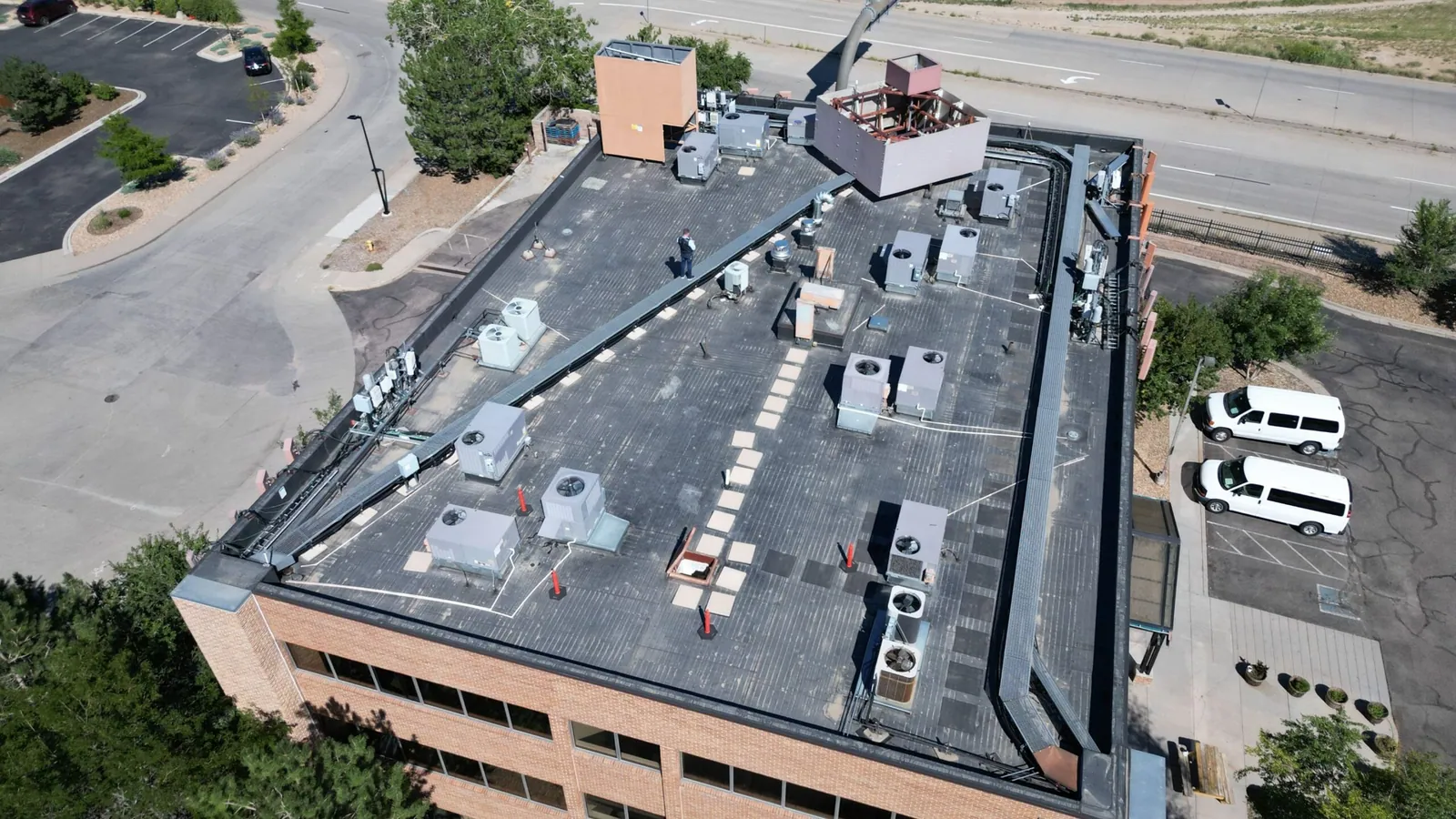
  • Detailed Roof Walkthrough: The team examines every area while you’re there to see what they find.
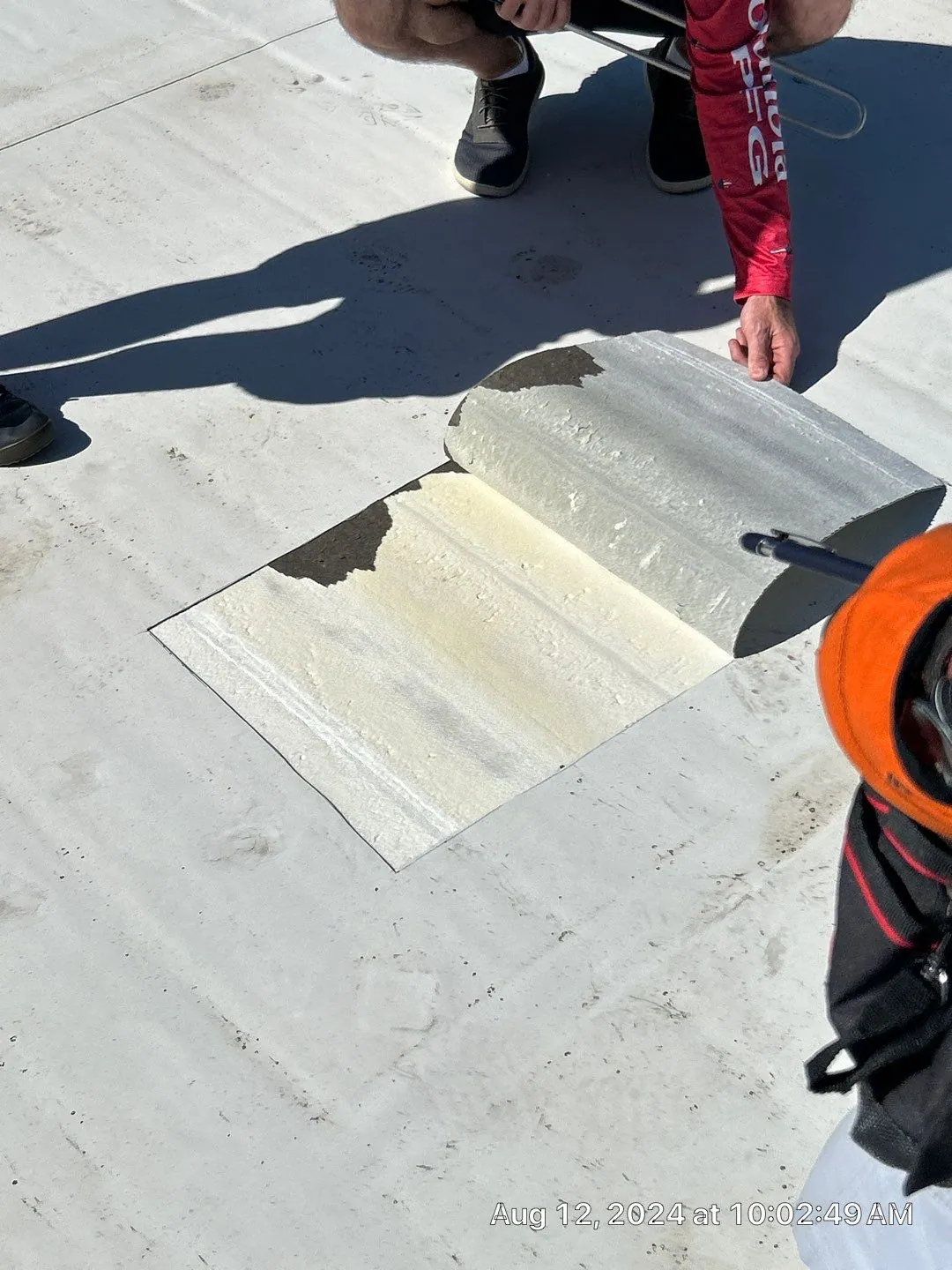
  • Clear Documentation Process: The team takes photos and detailed notes during the assessment, then walks you through what they found right away so you understand the full scope before any work begins.
  • Custom Solution Discussion: The team walks through options that fit your specific situation.

Most property owners feel relieved after this first visit because they finally understand their roof’s true condition. You’ll leave with a detailed assessment and clear next steps tailored to your timeline and budget. Schedule your consultation today to get a clear picture of what your roof needs.

Key Benefits for Property Owners

Owner Advantages: Commercial roof restoration keeps your building asset performing longer, cuts energy bills, makes tenants happier, and boosts property value – all without the hassle and downtime that comes with tearing off and replacing the entire roof.

Financial and Operational Advantages You Gain

  • Extended Asset Lifespan: Restoration can add years of reliable performance to your existing roof while avoiding the significant cost that comes with full replacement.
  • Lower Operating Costs: Better energy efficiency means your monthly utility bills drop while your home stays comfortable through every season.
  • Tenant Retention Boost: When tenants see a solid roof overhead, they know you’re serious about maintaining the property. That peace of mind keeps them around longer and helps you avoid the expensive headache of frequent turnovers.
  • Insurance Premium Relief: When you document restoration work properly, insurers often respond with better coverage terms. That can translate to more favorable premium rates down the line.
  • Increased Property Value: When buyers and appraisers evaluate a home, they see a restored roof as something that protects their investment down the road. It means fewer major expenses on the horizon, which translates directly into higher property value and stronger offers.

Commercial Roof Restoration Services Across the Front Range

Commercial roof restoration handles warehouses, office buildings, retail centers, and multi-tenant properties across the Front Range. Coverage runs south to Castle Rock and Monument, north through Fort Collins and Loveland, and east into Aurora and Commerce City.

Crews handle commercial roof restoration throughout the Front Range, working regularly in Denver, Colorado Springs, Boulder, Longmont, Greeley, and Broomfield. Covering this region means the team can respond quickly when projects come up while keeping the same restoration approach consistent no matter which city you’re in.

Peak To Peak Roofing & Exteriors, LLC handles commercial roof restoration throughout the Front Range, serving property owners in Fort Collins, Denver, Aurora, Colorado Springs, Boulder, Loveland, and nearby Colorado communities along the metro corridor.

Frequently Asked Questions About Commercial Roof Restoration

Restoration involves repairing and revitalizing an existing roof system through coatings, sealants, and targeted repairs rather than tearing off and rebuilding from scratch. This approach extends the roof’s lifespan while maintaining the current structure, making it ideal for buildings with sound underlying decking. Replacement becomes necessary when structural damage is too extensive or the roof has reached the end of its serviceable life despite repair attempts.

Building owners often struggle to determine when their commercial roof crosses the threshold from needing simple patch work to requiring comprehensive restoration. Peak To Peak Roofing & Exteriors, LLC evaluates several critical indicators during roof assessments. Widespread membrane deterioration, multiple leak points across different roof sections, visible ponding water that persists beyond 48 hours after rainfall, and extensive surface cracking all signal that isolated repairs won’t solve underlying problems. Interior water stains appearing in various building locations, increased energy costs from compromised insulation, and visible seam separation across large roof areas also point toward restoration needs. When damage affects more than a quarter of the roof surface or when repairs become frequent, restoration becomes the more practical solution.

Peak To Peak Roofing & Exteriors, LLC conducts thorough roof inspections to help property managers make informed decisions about restoration timing. Addressing these warning signs proactively prevents emergency situations and protects building contents from water damage. Early intervention through professional assessment saves businesses from costly structural repairs down the road.

Quick Answer: Most commercial roofing systems, including single-ply membranes, built-up roofs, modified bitumen, metal roofing, and spray polyurethane foam, can be successfully restored when the underlying structure remains sound and damage hasn’t progressed too far.

Building owners often assume that an aging or damaged commercial roof automatically requires full replacement, but restoration offers a viable alternative for many roofing systems. The decision depends on the roof’s structural integrity, the extent of surface deterioration, and the specific materials involved. Understanding which roofing systems respond well to restoration helps property managers make informed decisions that balance longevity with budget considerations.

Roofing Systems That Respond Well to Restoration:

  • Single-Ply Membranes (TPO, PVC, EPDM): These systems are excellent restoration candidates when seams and flashings show wear but the membrane itself hasn’t experienced widespread punctures or tears. Restoration coatings can add years of service life while addressing minor surface issues.
  • Built-Up Roofing (BUR): Traditional tar and gravel roofs benefit from restoration when the top layers have degraded but the underlying plies remain intact. The process involves removing loose gravel, repairing blisters, and applying protective coatings that seal the surface.
  • Modified Bitumen Systems: These asphalt-based roofs respond well to restoration techniques when surface granules have worn away or minor cracking has occurred. Proper surface preparation followed by elastomeric coatings can extend the roof’s functional life substantially.
  • Metal Roofing: Standing seam and corrugated metal roofs are prime restoration candidates when rust, corrosion, or coating failure affects appearance and protection. Specialized metal roof coatings address these issues without requiring panel replacement.
  • Spray Polyurethane Foam (SPF): Existing foam roofs can be recoated multiple times throughout their lifespan, making them ideal for ongoing restoration. The process involves cleaning, repairing damaged areas, and applying fresh protective coatings.

Not every roof qualifies for restoration, particularly when structural damage, extensive water infiltration, or code compliance issues exist. A thorough inspection by experienced roofing professionals determines whether restoration makes sense for your specific situation. The right approach preserves your investment while avoiding unnecessary replacement costs.

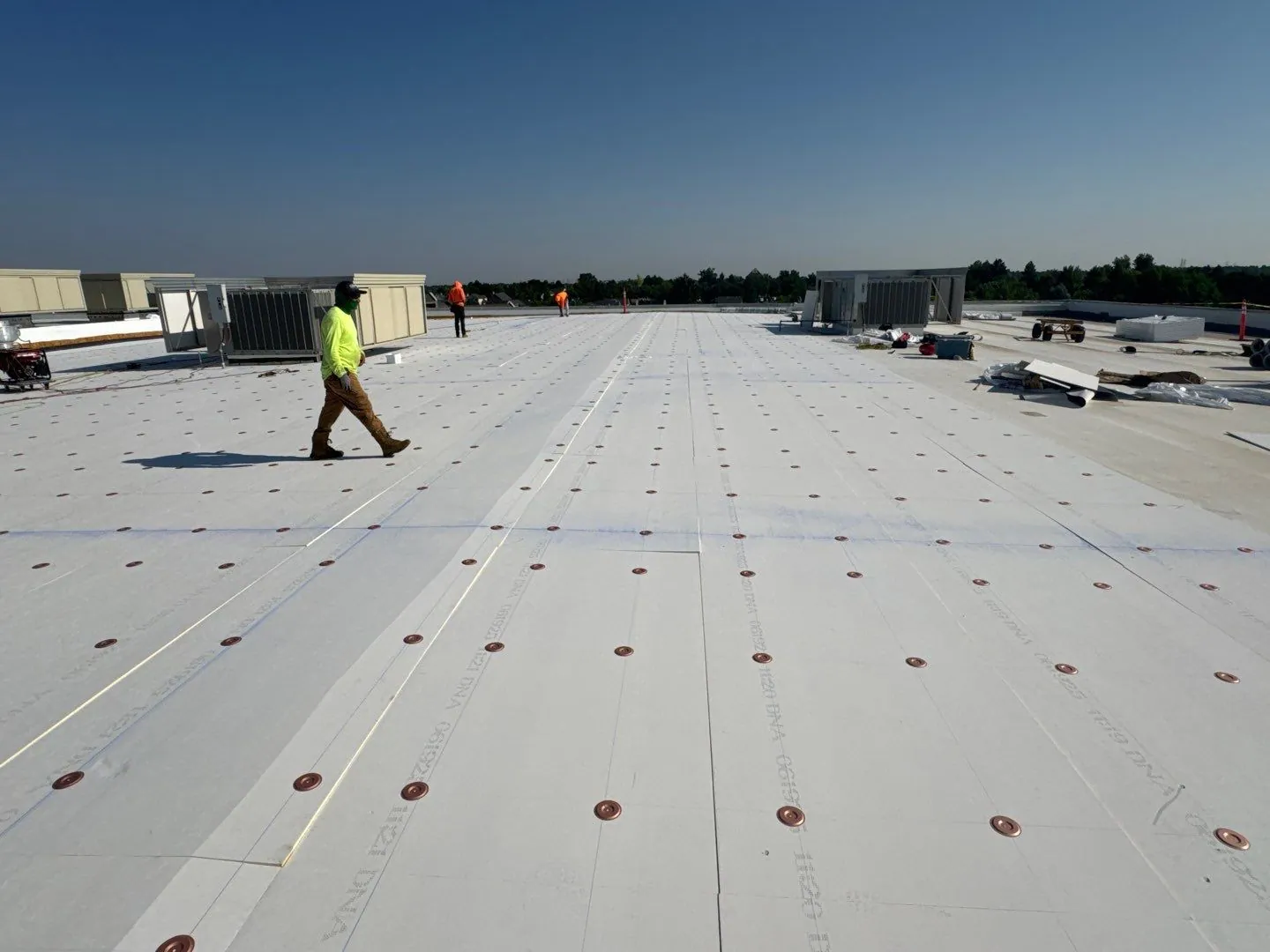
Building owners should conduct a thorough roof inspection to document existing conditions, review warranty information and building codes, coordinate with tenants about potential disruptions, arrange for equipment access and staging areas, and secure necessary permits. Clearing the roof of HVAC units, satellite dishes, or other obstructions may also be required. Proper preparation prevents delays and ensures contractors can work efficiently once the restoration begins.

Commercial roof restoration delivers substantial environmental advantages that align with modern sustainability goals and green building initiatives. Unlike complete tear-offs that generate massive amounts of landfill waste, restoration preserves the existing roof structure while extending its service life through advanced coating systems and targeted repairs. This approach dramatically reduces construction debris, minimizes the carbon footprint associated with manufacturing and transporting new roofing materials, and often qualifies buildings for LEED credits or other environmental certifications. Many restoration coatings also feature reflective properties that lower building temperatures, reducing energy consumption for cooling systems throughout the year.

Beyond waste reduction, restored roofs contribute to urban heat island mitigation and improved air quality in surrounding areas. Building owners increasingly recognize that choosing restoration over replacement demonstrates corporate environmental responsibility while achieving practical performance improvements that benefit both the bottom line and the planet for years to come.

Quick Answer: Commercial roof restoration projects should include comprehensive warranty protection covering both materials and workmanship, with coverage periods varying based on coating systems, application methods, and the specific products used during restoration.

Understanding warranty coverage before committing to a commercial roof restoration project protects your investment and provides peace of mind for years to come. Restoration warranties differ significantly from new roof warranties because they involve applying protective coatings and systems over existing substrates. Building owners need to carefully review what’s covered, exclusion clauses, transferability options, and maintenance requirements that keep warranties valid. The right warranty structure balances realistic coverage terms with meaningful protection against defects and premature failure.

Essential Warranty Components to Review Before Signing:

  • Material Manufacturer Guarantees: Coating manufacturers offer warranties ranging from 10 to 20 years depending on the product line selected, covering defects in the coating material itself such as premature cracking, peeling, or loss of waterproofing integrity when properly applied and maintained.
  • Installation Workmanship Protection: Contractors provide separate workmanship warranties covering application errors, improper surface preparation, or installation defects that could compromise the restoration system’s performance, with terms ranging from two to ten years based on project scope.
  • Maintenance Obligation Clauses: Most warranties require documented semi-annual inspections and prompt repairs of minor damage to remain valid, meaning building owners must budget for ongoing maintenance and keep detailed records of all roof care activities performed.
  • Weather Event and Ponding Water Exclusions: Standard warranties exclude damage from severe weather events like hail or hurricanes, and many void coverage if water ponds on the roof surface for extended periods, making proper drainage critical to maintaining warranty protection.
  • Transferability and Prorated Terms: Some warranties transfer to new building owners while others do not, and many include prorated coverage that reduces the manufacturer’s financial responsibility over time, affecting the actual value of long-term warranty claims.

Securing strong warranty coverage requires selecting quality materials, hiring experienced contractors, and committing to regular maintenance schedules. Building owners should request warranty documents in writing before project commencement and verify that both material and workmanship coverage align with their long-term facility management plans. Proper documentation and adherence to maintenance requirements ensures warranty protection remains enforceable throughout its entire coverage period.

Weather plays a crucial role in restoration success. Peak To Peak Roofing & Exteriors, LLC evaluates temperature, precipitation, and forecast patterns before starting any project. Most coating systems require minimum temperatures and dry conditions for proper adhesion and curing. While some restoration work can proceed in cooler months using specialized materials, optimal results come from scheduling during favorable weather windows when conditions support long-lasting performance.

The decision between restoration and replacement hinges on a thorough structural assessment of the existing roof system. Professional roofing contractors evaluate the roof deck’s integrity first, checking for rot, sagging, or structural compromise that would make restoration impractical. They examine the current membrane or surface material for the extent of damage, looking at whether deterioration affects isolated areas or has spread throughout the system. The age of the roof matters, but condition trumps age in most cases. A well-maintained roof approaching its expected lifespan might restore beautifully, while a neglected newer roof could require complete replacement. Moisture intrusion patterns tell a critical story, as trapped water within insulation layers or decking often signals problems too deep for surface restoration to address effectively.

Building owners should request detailed inspection reports that include infrared scanning or core samples to reveal hidden moisture damage. These diagnostic tools provide concrete evidence about whether the roof’s underlying components remain sound enough to support a restoration approach. Making this determination correctly prevents wasting resources on restoration attempts that won’t deliver lasting performance.