Hail Damage Documentation Services
Our trained specialists document every facet of hail impact using test squares, soft metal indicators, and geotagged imagery that satisfies insurer thresholds and manufacturer warranty requirements.


Hail damage often hides beneath intact shingles as fractured mat and displaced granules, which is why roofs that look fine from the ground fail inspection once an adjuster walks the surface. Peak To Peak Roofing in Denver provides roof hail damage inspection, repair, and replacement in Denver, coordinating insurance claims and permit processes so homeowners avoid out-of-pocket costs beyond the deductible. The process includes test square documentation and soft metal verification, which matters because insurers deny claims without photographic evidence of impact patterns across multiple roof planes.
Certified, Accredited, And Reviewed






Hail damage is not one thing. Soft metal dents long before an asphalt shingle bruises, which is why a roof can look fine from the driveway while the gutters and vents already tell the story.
| Hail size | Everyday comparison | Soft metals: gutters, vents, fascia | Asphalt shingles | What it usually means |
|---|---|---|---|---|
| 0.75 in | Penny | Light dimpling possible on aluminum and thin steel. | Rarely bruised. | Document it, but a full roof claim is unlikely on shingles alone. |
| 1.00 in | Quarter | Dents commonly visible on gutters, downspouts and metal vent caps. | Bruising becomes possible on aged or brittle shingles. | This is the National Weather Service threshold for severe hail. Worth a professional inspection. |
| 1.25 to 1.50 in | Half dollar to ping pong ball | Clear denting, sometimes on multiple sides of the home. | Bruising is common. Granule loss around impact points. | Most insurance carriers will send an adjuster at this size. |
| 1.75 in | Golf ball | Heavy denting, split gutter seams, cracked vent housings. | Widespread bruising and mat fracture likely. | Full roof replacement is a common outcome. |
| 2.00 in and up | Egg to baseball | Punctures and torn metal are possible. | Fractured mat, torn shingles, exposed underlayment. | Treat as an emergency. Temporary protection first, permanent repair after. |
Hail size categories follow National Weather Service reporting conventions. Damage outcomes describe typical field results and vary with stone density, wind speed, impact angle, shingle age and shingle impact rating under UL 2218. Only an on roof inspection can confirm damage on a specific home.
Hail damage hides beneath surface-level inspections. Bruising under intact granules, soft metal evidence without shingle cracks, and policy lookback windows create claim denials that could have been avoided with immediate post-storm documentation and test square analysis.
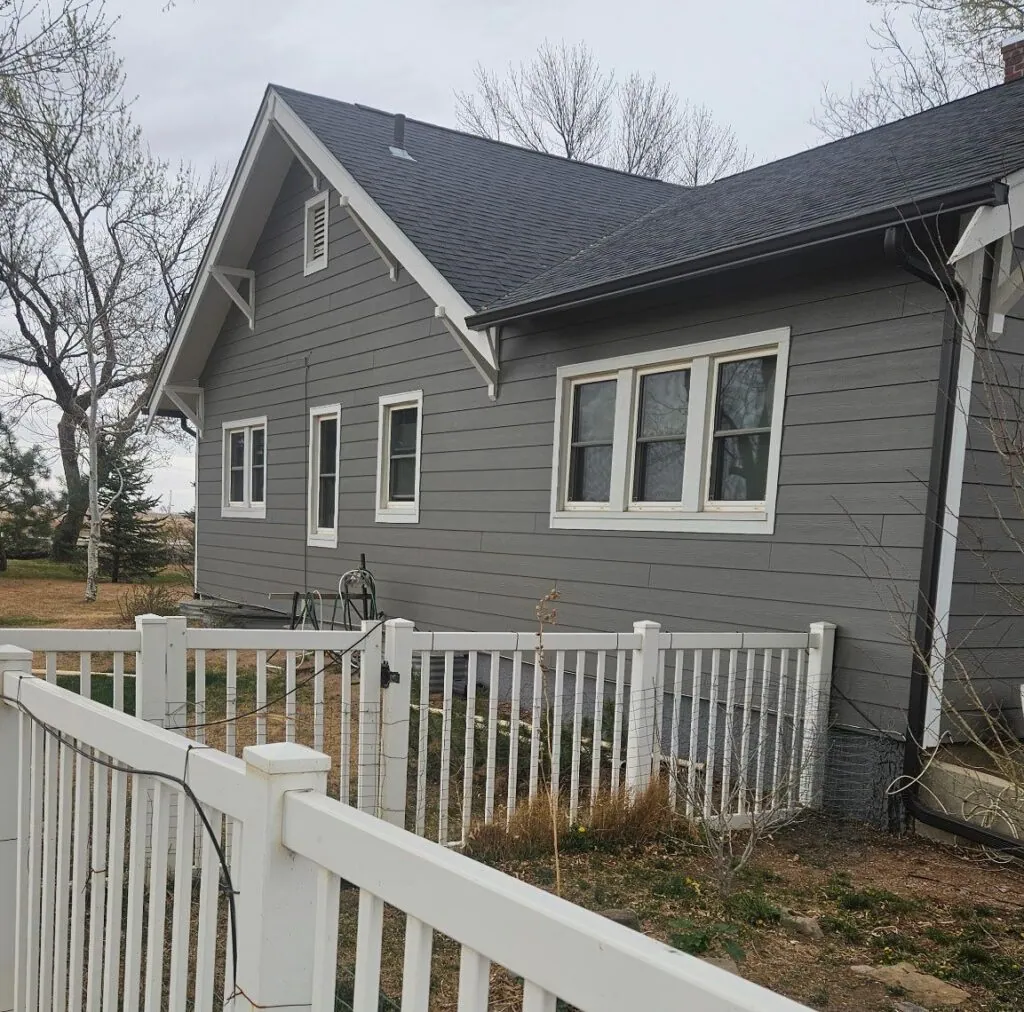
Homeowners facing hail damage need verified expertise and proven accountability. Peak To Peak Roofing maintains industry certifications, manufacturer partnerships, and a documented track record across Denver's residential roofing market.
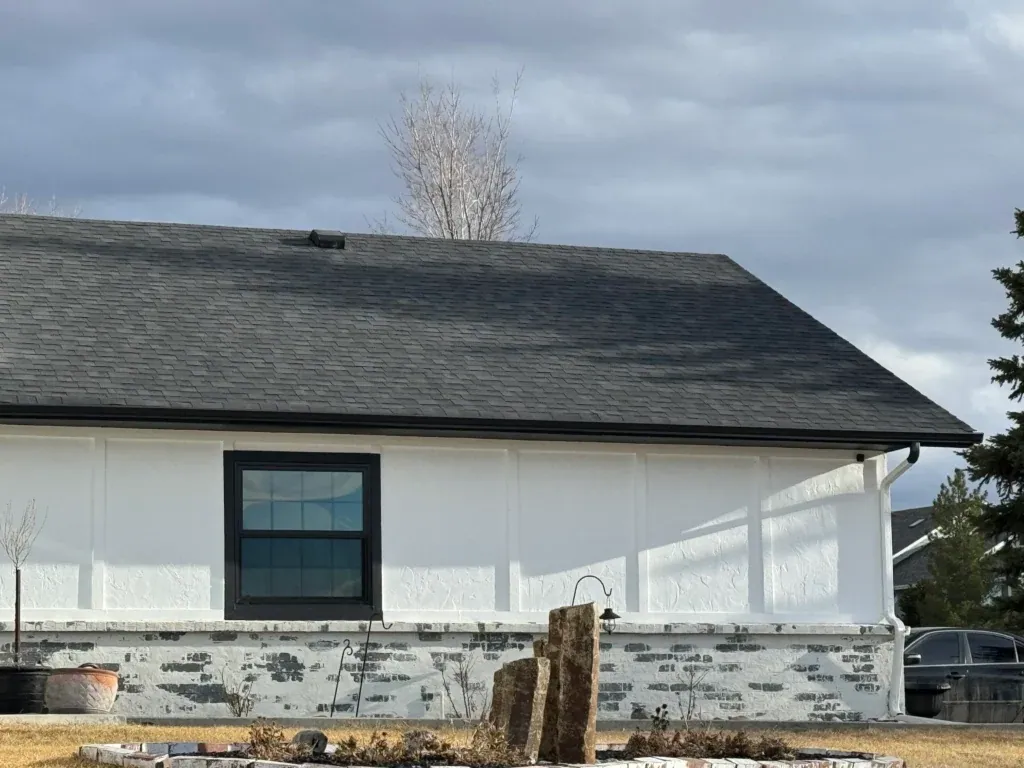
For Dan, we coordinated solar panel removal, completed both the [main roof and detached garage](/roof-replacement/) in a single day, then handled all re-installation and inspection scheduling. When Mary Jo called about adding eyebrow vents before insulating her attic, we confirmed her roof already met code ventilation requirements and advised against modifications that typically create leak points, saving unnecessary expense. The work that matters most happens before the first shingle goes down, not during tear-off.
Our trained specialists document every facet of hail impact using test squares, soft metal indicators, and geotagged imagery that satisfies insurer thresholds and manufacturer warranty requirements.
We install UL 2218 Class 4 impact-rated systems from GAF, Owens Corning, and Malarkey, delivering premium discounts and proven hail resilience across Denver's peak storm season.
Our experienced team reconciles scopes in Xactimate, captures code-required ventilation and drip edge upgrades, and ensures ACV depreciation release without deductible compliance issues under Colorado SB 38.
We specify TPO and PVC assemblies with DensDeck or Securock cover boards to achieve FM Severe Hail ratings, protecting commercial roofs through core cuts and seam integrity testing.
Our qualified crews tarp and secure damaged roofs within hours of contact, preventing secondary water intrusion while permits and material lead times resolve across Denver's post-storm surge.
We calculate net free area per IRC R806, install balanced intake and exhaust systems, and integrate IECC Climate Zone 5B requirements during every hail replacement to preserve manufacturer warranties.
UL 2218 Class 4 impact resistance is not a marketing term. It is the only rating that consistently survives Denver's hail alley without premature granule loss, mat fracture, or seal strip failure across multiple storm cycles.
Test Square Protocol: Every slope gets documented impact evidence.
Fastener Penetration Depth: Minimum three-quarter inch into deck verified.
Soft Metal Correlation: Gutter and vent dents confirm hail.
Underlayment Overlap Standards: Synthetic layers meet ASTM D226 specifications.
For Rose, we replaced damaged tile and rotting wood after verifying the leak source through attic moisture mapping. When Denver Calvary needed a church roof section replaced, the scope included code-required ventilation upgrades that the original assembly lacked.
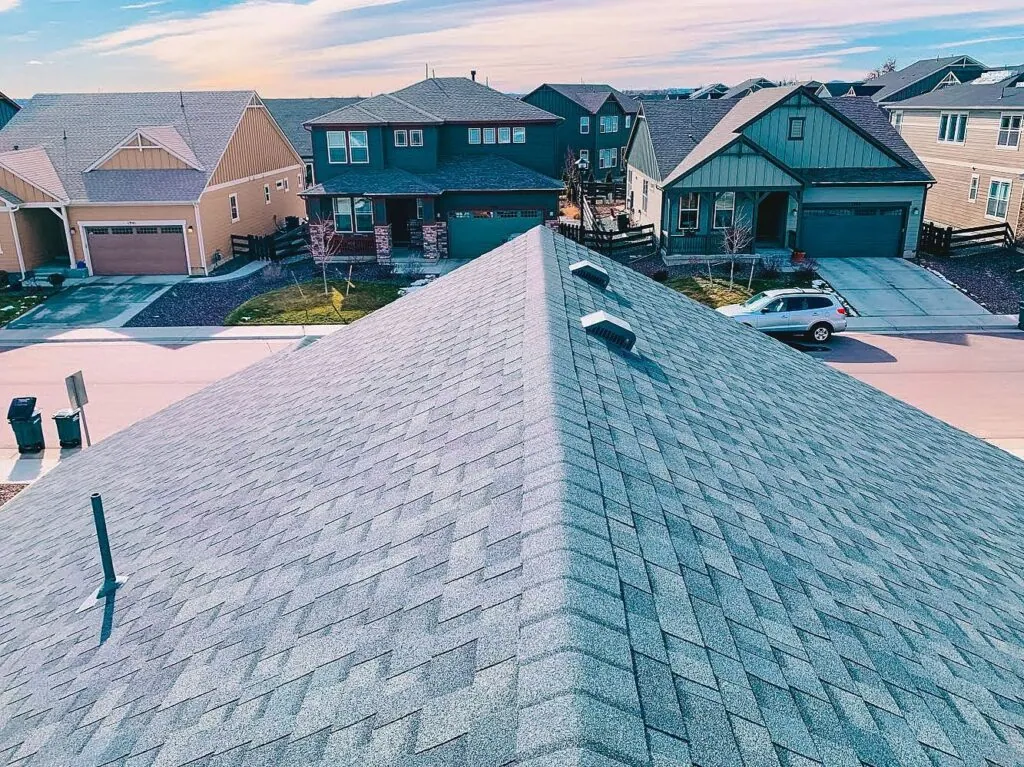
Insurance adjuster scheduling and permit approval control the calendar, not the physical installation. Businesses that coordinate those steps in parallel compress timelines by weeks. The work itself is fast. The waiting is structural.
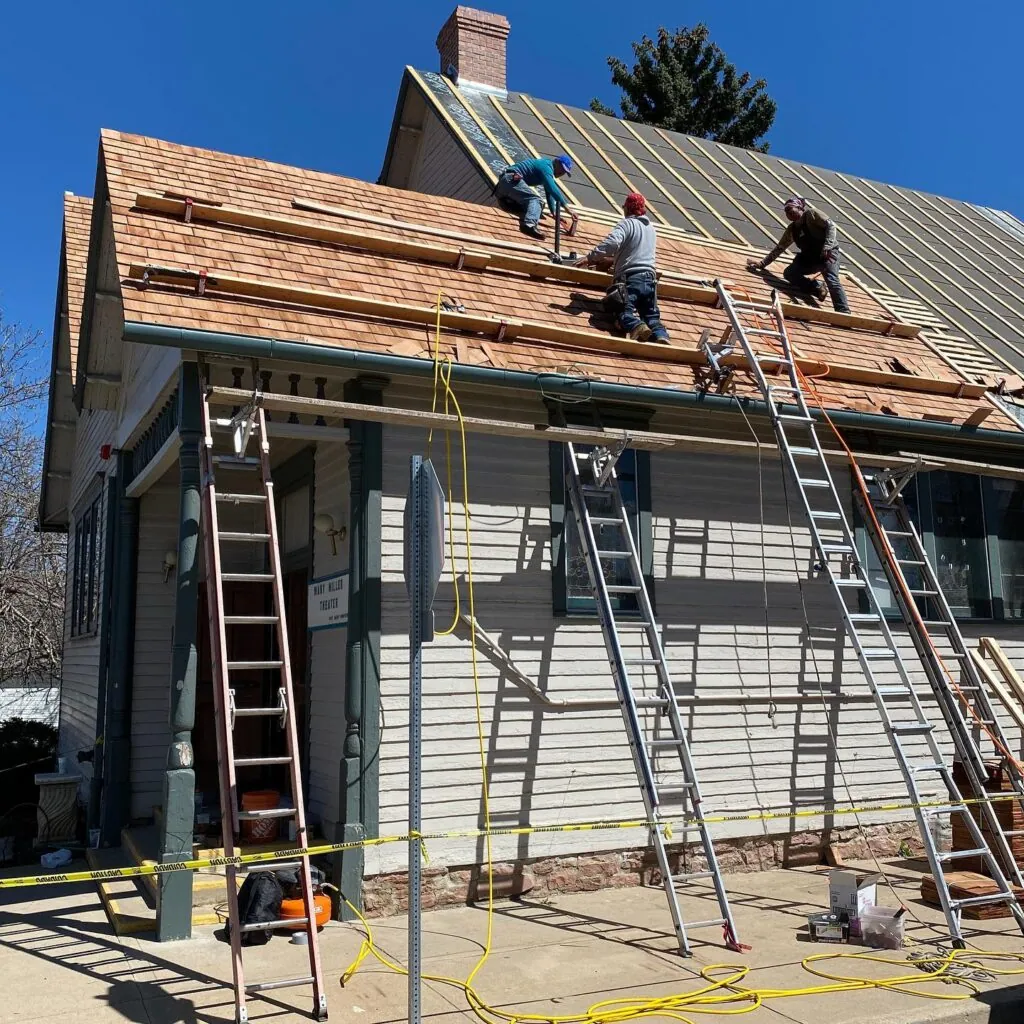
Peak To Peak Roofing serves homeowners throughout Denver and surrounding areas, providing residential hail damage restoration directly at their properties. The service area covers Denver, Aurora, Littleton, and Castle Pines, accessible via I-25, I-70, and C-470, and serving communities including Cherry Creek, Highlands Ranch, and Greenwood Village. Technicians respond quickly to requests throughout the area, offering convenient scheduling that works around customers' availability in Denver and beyond.
Peak To Peak Roofing offers flexible scheduling throughout Denver and surrounding areas, with rapid response appointments available directly at your property following hail events.
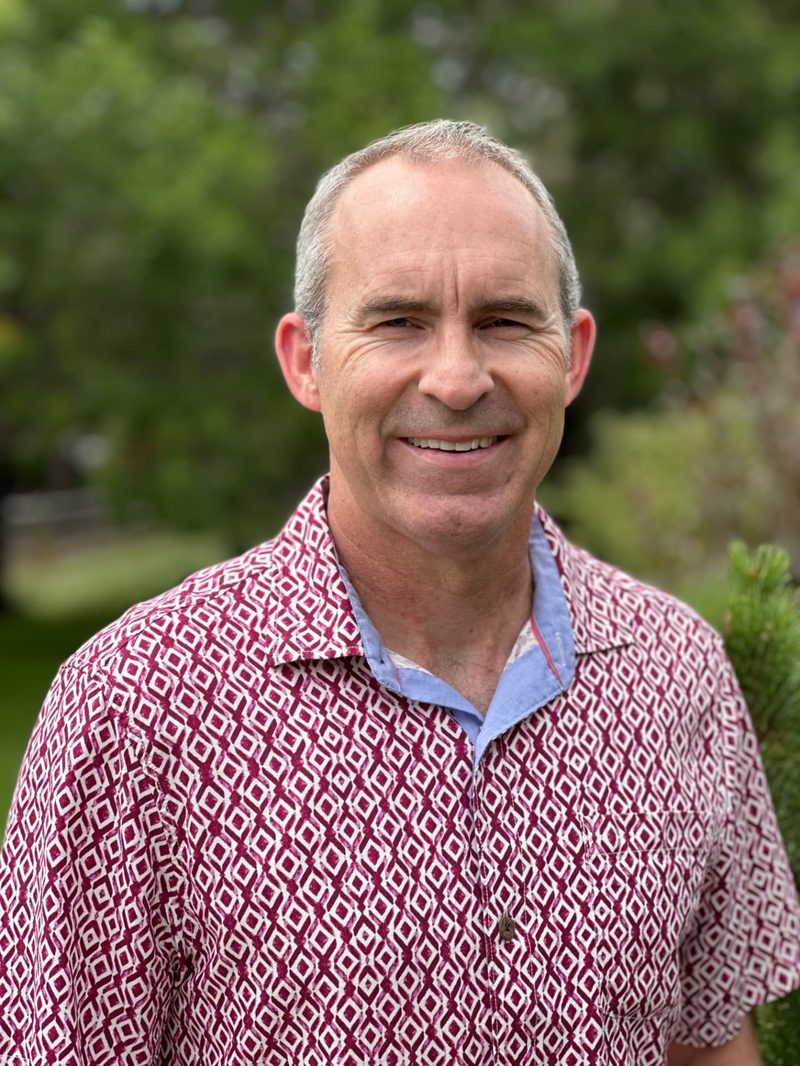
JJ Hedden
Founder & Owner
Meet The Owner
JJ Hedden founded Peak to Peak Roofing & Exteriors so Front Range property owners would have a roofer who is still reachable after the truck pulls away. He came up through inspections, claims and installations, so the standards our crews work to are the ones he set on roofs himself.
After a Front Range storm he still checks the test squares and impact mapping himself, because hail documentation either holds up in front of an adjuster or it does not. Nothing gets written up as storm damage unless the photos support it.
Bruised shingles and fractured mats fail quietly, then leak months later. Get your roof documented while the storm date is still fresh on your claim.




4.9/5 from happy homeowners
● Storm Response Crews Available Today
We document impact marks, soft metals, and collateral damage for your claim.
"Peak to Peak was great, they helped me with a repair on my roof. Helped me to extend the life of my roof."
- Luke Howard
Free inspection, same day answers