Tear-Off and Disposal
How many layers come off, dumpster or haul-away, and cleanup.


A roof replacement is a large project with a lot of moving parts: the estimate, materials, permit, scheduling, tear-off and cleanup. Peak To Peak Roofing in Denver walks you through each one, from comparing bids to the final walkthrough, so you know what you are paying for and what to expect on installation day.
Certified, Accredited, And Reviewed






A roof is not just shingles. It is a stack of parts, and each one has a job. If a bid leaves a layer out, the price looks better and the roof performs worse.
| Layer | What it is | Its job in plain words | Code or standard reference |
|---|---|---|---|
| Roof deck | The plywood or OSB sheets nailed to the rafters. | The floor of the roof. Everything else fastens to it. | IRC R803, deck must be sound and properly supported before covering. |
| Ice barrier | A self adhering membrane at the eaves that sticks to the deck. | Blocks water that backs up under shingles when ice forms at the cold overhang. | IRC R905.1.2, required in areas subject to ice damming. |
| Underlayment | A synthetic or felt sheet rolled over the whole deck. | The backup layer. If water gets past a shingle, this sheds it. | IRC R905.1.1 and ASTM D226 or ASTM D4869 for felt. |
| Drip edge | Metal angle along eaves and rakes. | Kicks water off the edge and into the gutter instead of behind it. | IRC R905.2.8.5, drip edge is required at eaves and rakes. |
| Starter strip | A sealed first course under the visible bottom row. | Glues down the bottom edge so wind cannot get under it. | Required by shingle manufacturer instructions for wind warranty coverage. |
| Flashing | Metal at walls, chimneys, valleys and skylights. | Bridges every place the roof stops and something else begins. | IRC R903.2, flashing required at wall and roof intersections. |
| Shingles | The visible weather surface. | First line of defense and the part that takes the sun and hail. | IRC R905.2, ASTM D3161 or D7158 wind, ASTM D3462 for fiberglass shingles. |
| Ventilation | Intake at the soffit, exhaust at the ridge. | Keeps the attic close to outdoor temperature so the deck stays dry. | IRC R806, one to 150 net free area, or one to 300 when conditions are met. |
References are to the International Residential Code as commonly adopted along the Colorado Front Range, plus ASTM material standards. Jurisdictions amend code locally, so we confirm the adopted edition and amendments for your address before permitting.
Age alone does not decide it. These are the signs that a roof has moved past repair. A replacement is the right call when continued repairs cost more over time than starting fresh, or when the roof can no longer protect the house reliably.
If you are unsure, an inspection with photos and an honest repair-or-replace opinion is the right first step.
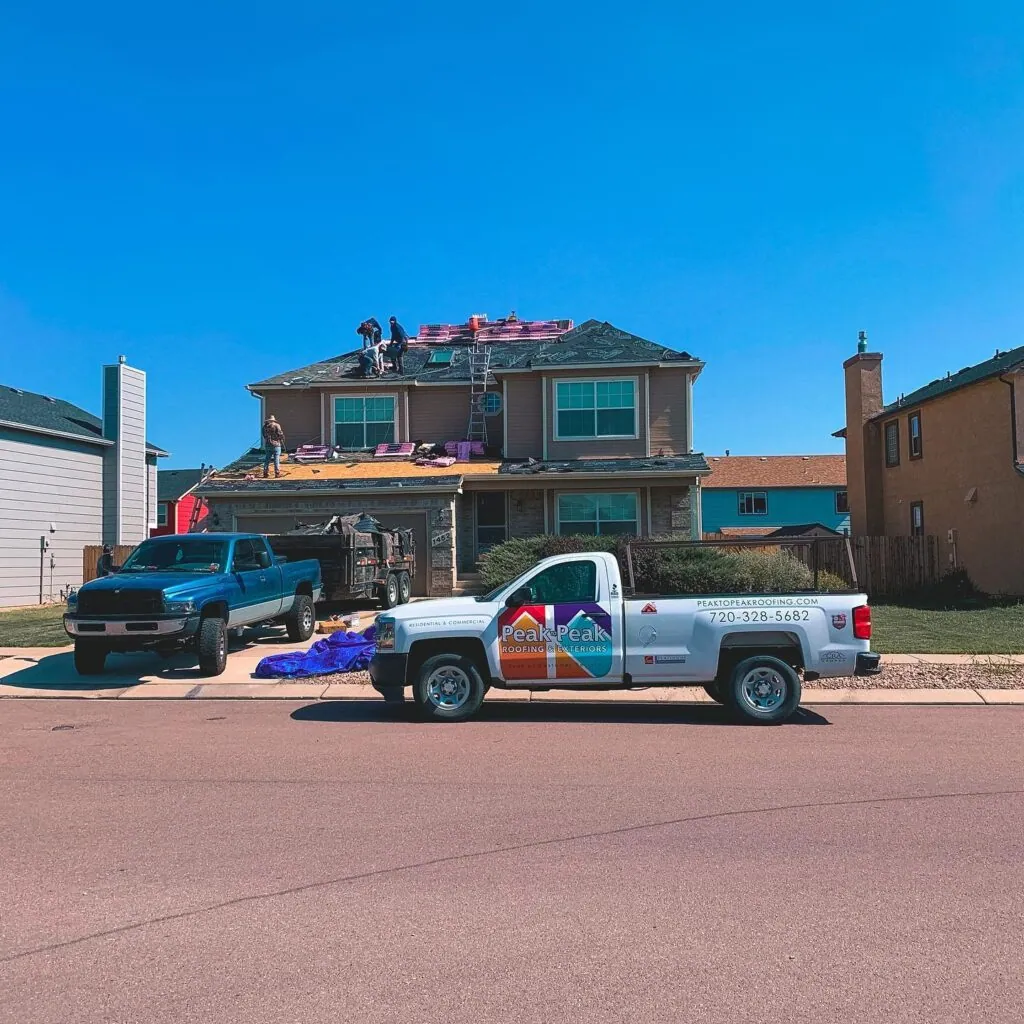
Some roofs can technically take a second layer of shingles over the first. In most cases, a full tear-off is the better choice. Your inspection will show whether an overlay is even an option. If the existing roof has two layers already, soft decking or failed flashing, tear-off is the only sound choice.
Peak to Peak holds an A+ rating with the Better Business Bureau, is an Owens Corning Platinum Preferred Contractor, and has a 4.9-star average across 415 Google reviews.
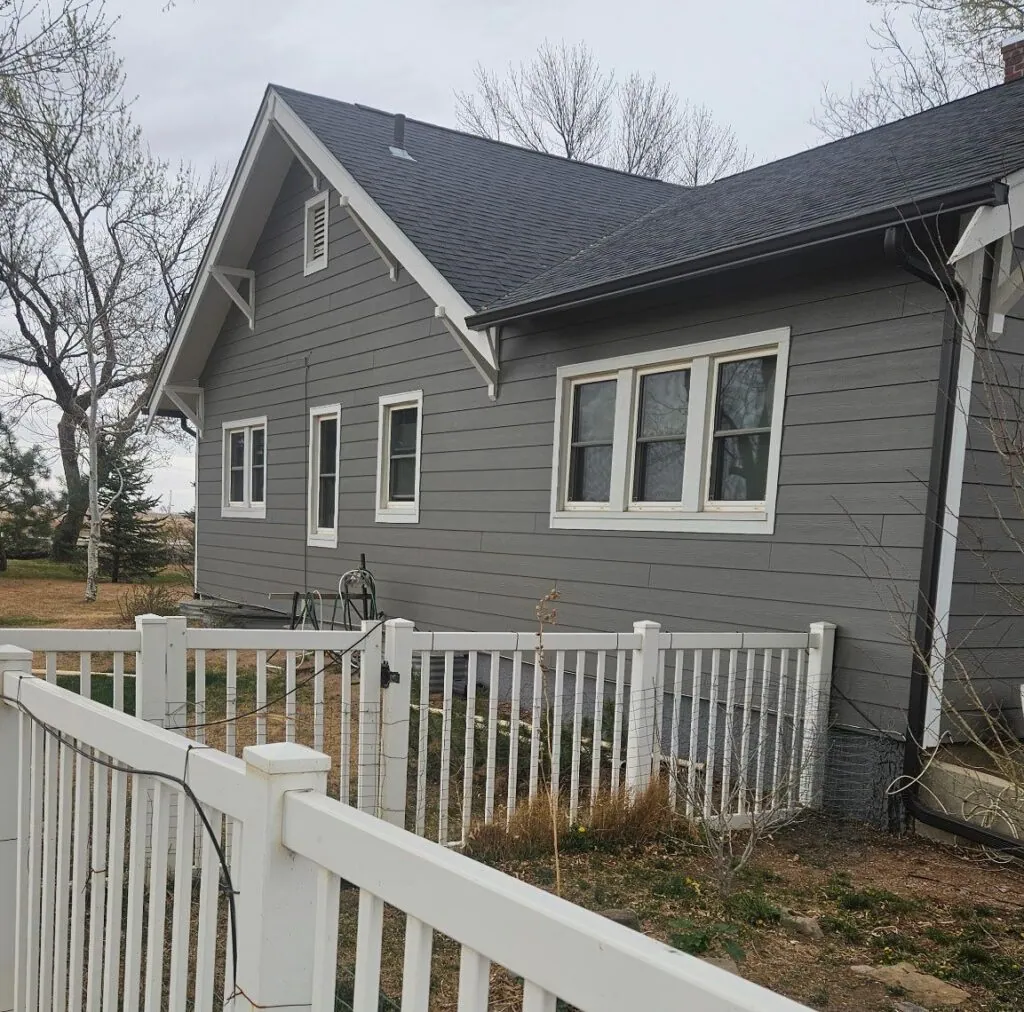
Two bids are only comparable when they describe the same job. These are the lines to look for. If one bid is missing a line the others include, ask about it. That gap is often the reason a price looks lower.
How many layers come off, dumpster or haul-away, and cleanup.
A price per sheet for replacing damaged boards found during tear-off.
The shingle or panel line, color, underlayment and accessories by brand.
Whether flashing is replaced and how attic ventilation will be handled.
Who pulls the permit and schedules required inspections.
The manufacturer warranty, the workmanship warranty and how each is registered.
A full roof replacement in Denver typically runs $15,000 to $50,000. Where a home lands in that range depends on a handful of factors. Ask for the estimate to break out each of these so you can see where your money goes.
Size and pitch: More roof area and steeper slopes mean more material, more labor and more safety setup.
Material: Standard shingles, impact-rated shingles and metal sit at very different price points.
Complexity: Valleys, dormers, skylights and chimneys add flashing work and time.
What is underneath: Extra old layers to remove and the amount of decking that needs replacing.
An itemized estimate shows exactly which of these is driving your number.
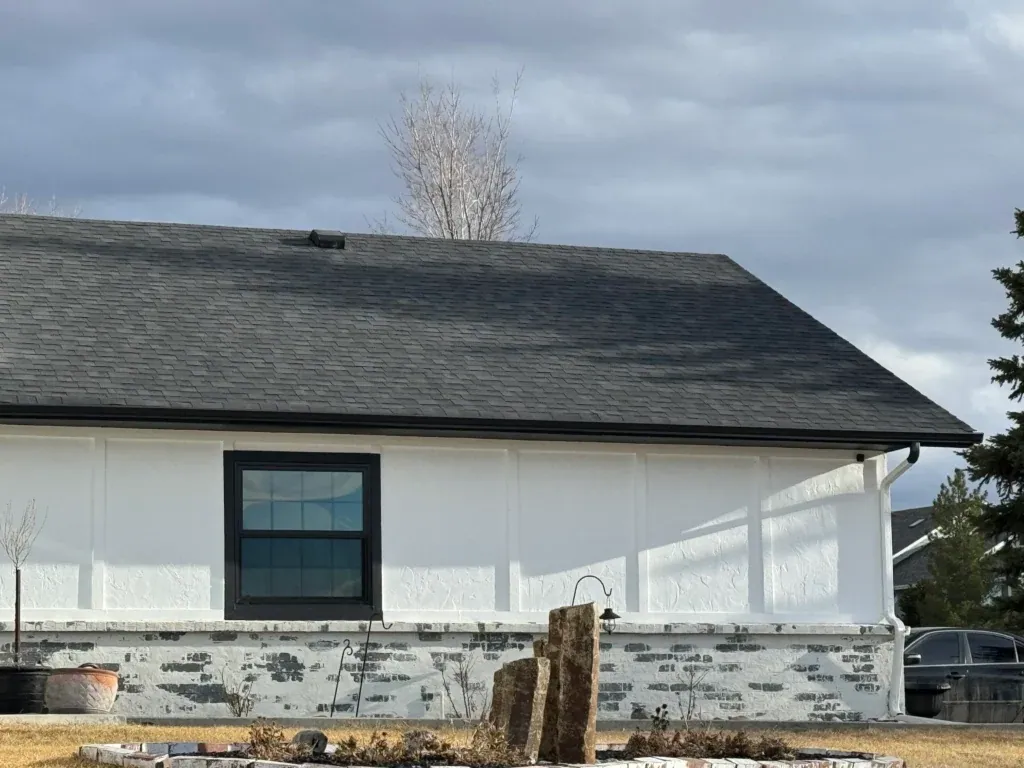
Many homes are torn off and re-roofed in one or two days, weather permitting. Larger or complex roofs take longer. Our crew lead stays in touch through the day, and you will know what was found and what was replaced before the job is done.
For Dan, we coordinated solar panel removal and reinstallation during a full roof and detached garage replacement, completed both structures in one day, and cleaned up thoroughly afterward.
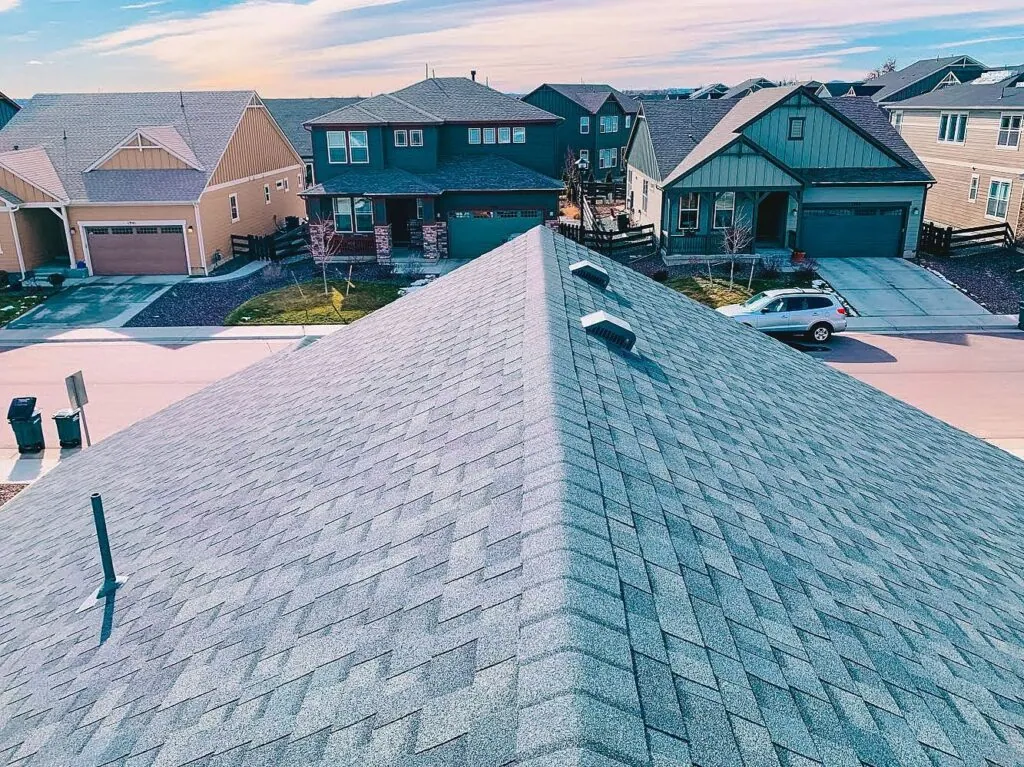
Peak To Peak Roofing serves homeowners throughout Denver and surrounding areas, providing residential roof replacement directly at their properties. The service area covers Denver, Aurora, Littleton, and Castle Pines, accessible via I-25, I-70, and C-470, and serving communities including Capitol Hill, Park Hill, Central Park, Cherry Creek, and Highlands. Technicians respond quickly to requests throughout the area, offering convenient scheduling that works around customers' availability in Denver and beyond.
Peak To Peak Roofing offers flexible scheduling throughout Denver and surrounding areas, with appointments available directly at your location to minimize disruption.

JJ Hedden
Founder & Owner
Meet The Owner
JJ Hedden founded Peak to Peak Roofing & Exteriors so Front Range property owners would have a roofer who is still reachable after the truck pulls away. He came up through inspections, claims and installations, so the standards our crews work to are the ones he set on roofs himself.
On a full replacement he reviews the scope before it goes out: decking condition, ventilation balance, ice and water coverage and the flashing details. If a Front Range roof can be repaired instead, he will say so rather than sell a tear off.
Complete tear-off, deck inspection, code-compliant ice barrier, and permitted final inspection. You get a line-by-line scope you can actually compare.




4.9/5 from happy homeowners
● Replacement Estimates Available Today
Plus a free upgraded underlayment on any full replacement.
"Peak to Peak was great, they helped me with a repair on my roof. Helped me to extend the life of my roof."
- Luke Howard
Free inspection, same day answers