
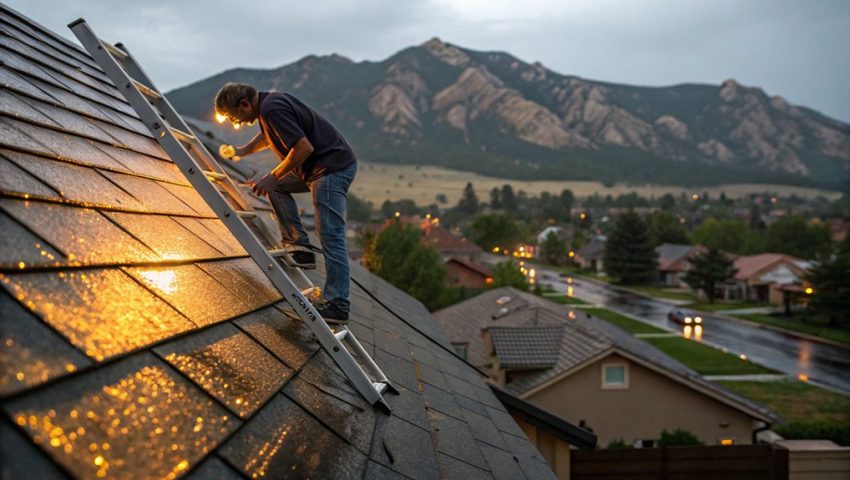
Quick Take: Recognizing early signs of roof leaks is essential for Arvada homeowners to safeguard their properties and avoid costly structural damage.
Roof leaks often begin quietly, showing subtle signs like ceiling stains, peeling paint, or a persistent musty odor that many homeowners overlook. In Colorado’s challenging climate—where strong UV rays and extreme temperature shifts accelerate roof wear—these early warnings can appear more frequently, especially after storms that damage shingles or gutters.
To stay ahead of costly repairs, regular roof and attic inspections are essential. This guide outlines practical strategies for early leak detection, helping Arvada homeowners catch moisture issues before they worsen and maintain the long-term integrity of their roofs.
Key Takeaways
- Watch for yellow or copper-colored stains on ceilings and walls, which can signal early roof leaks.
- After Colorado’s frequent hailstorms, examine attics for damp insulation or signs of mold growth.
- Inspect roof valleys and flashing around chimneys for rust, gaps, or loose materials that could allow water entry.
- Look for curling, cracked, or missing shingles—these are especially vulnerable to UV damage at Arvada’s high altitude.
- Pay attention to dripping sounds and musty odors, particularly after severe weather events.
Understanding Colorado’s Unique Weather Threats to Your Roof
Quick Take: Colorado’s distinctive weather creates ongoing challenges for residential roofs, including hail, snow, UV exposure, and wind that accelerate wear and risk costly damage without proactive care.
Colorado homeowners face a complex roofing environment due to frequent hailstorms, intense winter conditions, and strong winds. Roofing materials endure repeated impacts, thermal stress, and moisture intrusion that can compromise structural integrity and curb appeal. These elements synergize to reduce roof lifespan and increase maintenance needs. Peak to Peak Roofing’s commitment to quality and safety ensures that the materials used in roofing projects can withstand these challenges.
Managing roof vulnerability involves targeted strategies like improved attic insulation to prevent ice dams and optimized ventilation to counteract heat buildup from UV radiation. Understanding the interplay of freeze-thaw cycles and debris accumulation helps homeowners prioritize timely inspections and repairs to mitigate escalating damage. Additionally, regular inspections to identify potential problems early are crucial in avoiding more extensive repairs down the line.
Key factors shaping roof durability in Colorado include:
- Frequent hail events causing cracks, dents, and punctures in shingles and membranes.
- Winter snow loads and ice dams that strain support structures and promote leaks.
- High-altitude UV radiation accelerates shingle degradation and color fading.
- Persistent high winds loosening roofing materials and driving debris accumulation.
- Extreme temperature fluctuations triggering expansion-contraction stress on roofing systems.
That’s why adopting a proactive roofing maintenance mindset tailored to Colorado’s climate is essential. By recognizing the multifaceted weather impacts and implementing preventative measures, homeowners can safeguard their investment and extend roof longevity. Informed vigilance and expert guidance transform roofing challenges into manageable risks, ensuring durable protection year-round. Additionally, utilizing high-quality materials for roofing projects can significantly improve durability against Colorado’s harsh weather conditions.
The Telltale Signs of Water Damage in Your Attic Space
Water intrusion in attic spaces often begins with subtle visual and olfactory cues that homeowners may overlook. Untreated leaks compromise critical components like rafters and joists, leading to weakened structural support and increased vulnerability to environmental stressors. That’s why proactive attic inspections, focusing on moisture accumulation and ventilation efficacy, are essential to maintaining long-term home resilience. Moreover, understanding the average lifespan of asphalt shingles can help you determine when to prioritize roof inspections and maintenance. Regular consultation with a local roofing expert can enhance your proactive approach.
Inadequate attic ventilation exacerbates moisture retention, fostering mold proliferation and accelerating material degradation. Managing humidity levels and ensuring proper airflow can mitigate these risks substantially, safeguarding both your home’s framework and your family’s respiratory health. Integrating these preventive measures aligns with holistic home maintenance strategies that extend roof lifespan and optimize living conditions.
Key indicators of attic water damage include:
- Discoloration patterns such as yellow or copper stains, signaling ongoing water penetration on ceilings and walls.
- Damp or compressed insulation, which reveals moisture saturation beyond surface levels affecting thermal efficiency.
- Soft or weakened wooden structures like rafters and joists, indicating prolonged exposure to water and potential structural compromise.
- Visible mold colonization accompanied by musty odors, a common consequence that undermines indoor air quality and necessitates prompt remediation.
- Condensation on windows and metal surfaces, a sign of ventilation deficiencies that increase moisture-related damage risk.
- Airflow obstruction or inadequate venting, which intensifies humidity buildup and accelerates attic deterioration.
Understanding these telltale signs empowers you to act decisively before water damage escalates into severe structural or health issues. Regular attic evaluations coupled with targeted ventilation improvements become vital components of effective water damage prevention. By prioritizing early intervention and environmental control, you not only protect your investment but also foster a safer, more comfortable home environment.
Critical Exterior Inspection Points Every Arvada Homeowner Should Check
Quick Take: Regular roof inspections in Arvada are crucial to detect early signs of damage, preventing costly water infiltration and structural deterioration triggered by harsh Colorado weather.
As a homeowner in Arvada, maintaining the integrity of your roof is a proactive step toward safeguarding your property’s value and comfort. Environmental stressors like intense sun exposure, heavy snowfall, and windstorms accelerate wear on roofing components, making routine evaluations indispensable. Identifying issues such as missing shingles or compromised sealants early can significantly reduce the risk of water damage and mold growth inside your home. Understanding vulnerable points like metal flashings around chimneys and skylights allows for targeted repairs that extend roof lifespan.
A comprehensive exterior inspection involves multiple critical checkpoints that address diverse potential failure modes. Essential inspection focus areas include:
- Assessing shingles for cracks, curling, or granule loss indicative of aging or physical damage.
- Examining metal flashings around chimneys, vents, and skylights for rust, gaps, or loose fittings that could permit moisture intrusion.
- Checking gutters and downspouts for blockages or improper drainage that might cause water pooling near the roofline.
- Evaluating attic ventilation to prevent condensation buildup that undermines roofing materials from beneath.
- Inspecting roof valleys where intersecting planes concentrate water flow, increasing vulnerability to leaks.
That’s why adopting a biannual inspection routine—ideally before and after winter—ensures timely identification of emerging problems, reducing the likelihood of expensive interior repairs. You protect your home’s structural health, enhance energy efficiency, and maintain curb appeal. By prioritizing these critical exterior inspection points, you empower yourself to make informed maintenance decisions that preserve your investment and provide peace of mind year-round.
Shingle Warning Signs
Key Insight: Maintaining the integrity of your roof shingles is essential for protecting your home from water damage and structural decay, especially in Arvada’s variable weather conditions. Recognizing early warning signs like cracked or missing shingles helps prevent costly repairs and extends your roof’s lifespan.
Shingle conditions such as curling or buckling often reveal deeper issues like attic moisture or decking problems that require prompt attention. Regular inspections after storms and seasonal checks ensure that granule loss, visible nails, or bald spots do not compromise your roof’s waterproof barrier.
Critical indicators to monitor for proactive roof maintenance include:
- Cracked, curled, or missing shingles that significantly increase leak risks.
- Excessive shingle granule accumulation in gutters signaling advanced deterioration.
- Visible or protruding nails that create water entry points and potential rot.
- “Bald” shingles where granules have worn away, exposing vulnerable underlying layers.
- Roof buckling or curling suggesting structural or attic ventilation deficiencies.
Understanding and identifying these shingle warning signs empowers you to act decisively before minor damage escalates. This vigilant approach not only preserves your home’s structural integrity but also maximizes your investment in roofing materials. That’s why integrating routine roof evaluations into your maintenance schedule is a smart, cost-effective strategy for long-term protection and peace of mind.
Flashing Danger Areas
Quick Take: Flashing failures are a leading cause of roof leaks in Arvada, compromising critical waterproofing barriers at vulnerable roof junctions and demanding proactive, expert inspection to prevent costly water damage.
Flashing serves as an essential waterproofing system, especially at roof intersections and penetrations where water infiltration risks are highest. Exposure to weather elements causes flashing components—such as step flashing around chimneys and counterflashing—to deteriorate, leading to hidden leaks that manifest as interior stains or structural damage. That’s why regular, detailed inspections focusing on these metal barriers are vital for maintaining roof integrity and preventing moisture intrusion.
Key transition points like roof-to-wall junctions and gutter terminations require precise installation of step flashing and kickout diverters to direct water away effectively. Neglecting these areas often results in persistent leaks that compromise the building envelope. Homeowners should also prioritize assessments of skylights, roof valleys, and drip edges, as these are common flashings prone to warping, rust, or separation that can accelerate water penetration and roofing system degradation.
Critical flashing inspection areas include:
- Chimney flashing—check for rust, gaps, and failing steps or counterflashing that cause ceiling water stains.
- Roof-to-wall junctions—ensure proper step flashing and kickout diverters are installed per building codes to prevent moisture intrusion.
- Skylights—inspect flashing seals for warping or separation that can allow leaks around the glass perimeter.
- Roof valleys—monitor for corrosion or displacement where water flow concentrates and damage is likely.
- Drip edges—verify these protective metal strips are intact and properly secured to direct water away from fascia and soffits.
Understanding flashing’s pivotal role in your roof’s waterproofing defense shifts the focus from reactive repairs to proactive maintenance. Adopting a disciplined inspection routine and addressing flashing vulnerabilities early can preserve your home’s structural health and avoid costly remediation. By integrating these best practices, you position yourself as a vigilant homeowner who safeguards against water damage and enhances long-term roof performance.
How Flashing Failures Lead to Major Leaks in Arvada Homes
Key Insight: Roof flashing failures are a leading cause of significant water damage in Arvada homes, often triggered by harsh weather cycles and aging materials. Early detection and proper maintenance of flashing components can prevent costly interior repairs and preserve structural integrity.
As a result of Arvada’s frequent freeze-thaw cycles, chimney flashing typically experiences accelerated wear, making it the most vulnerable flashing element. Signs such as interior ceiling stains near fireplace walls signal urgent inspection needs, highlighting the crucial role of timely maintenance. Roof valleys and penetration points—including vent pipes and skylights—are common leak origins, where compromised metal flashing or faulty installation undermines waterproofing defenses.
Understanding the critical indicators of flashing failure involves recognizing these key factors:
- Material Degradation: Corrosion, rust, and cracks reduce flashing effectiveness against moisture intrusion.
- Improper Installation: Gaps, misaligned seams, or incorrect flashing types weaken waterproof seals.
- Thermal Stress: Expansion and contraction from temperature fluctuations cause flashing to warp or separate.
- Water Infiltration Patterns: Streaks or water trails emanating from valleys and pipe boots pinpoint leak sources.
- Preventive Maintenance: Regular inspections and timely repairs extend flashing lifespan and protect roofing systems.
Recognizing flashing failure as a primary leak source encourages proactive roof care strategies that safeguard your home’s envelope. That’s why understanding these vulnerabilities empowers homeowners to take decisive action before minor issues escalate into extensive water damage. By prioritizing professional flashing assessments and employing preventative measures, you strengthen your home’s resilience against Arvada’s challenging climate conditions.
Chimney Seals Deteriorate First
Key Insight: Chimney flashing is typically the first component to fail in a durable roofing system due to harsh Colorado weather, with sealant and metal corrosion creating critical vulnerabilities for water intrusion. Early detection through proactive inspection can prevent extensive damage and costly repairs.
As a result of continuous exposure to snow, hail, and heavy rains, chimney seals deteriorate faster than other roofing elements. Freeze/thaw cycles and material incompatibilities cause flashing to loosen, lift, and develop gaps that allow moisture penetration. Sealants at joints where dissimilar materials meet degrade silently, increasing the risk of unseen water damage beneath the surface.
Understanding the specific ways different flashing materials respond to environmental stress helps homeowners anticipate problems before they manifest. That’s why regular maintenance and thorough attic inspections near the chimney are essential to catch early warning signs such as ceiling stains or peeling paint, which indicate prolonged moisture exposure and compromised seals.
Critical factors accelerating chimney flashing failure include:
- Material-Specific Corrosion: Steel flashing rusts, aluminum forms pits, and copper develops verdigris that weakens structural integrity.
- Freeze/Thaw Expansion: Repeated temperature fluctuations cause metal flashing to loosen and pull away from surfaces.
- Sealant Degradation: UV exposure and weather cause caulks and mastics to crack and lose adhesion at joints.
- Hidden Moisture Buildup: Water often infiltrates unnoticed until interior damage like mold or rot becomes visible.
- Thermal Expansion Mismatches: Different materials expand at different rates, stressing seals and flashing edges.
Adopting a vigilant inspection routine and addressing minor flashing issues promptly can extend the lifespan of your chimney and roof system. This proactive approach safeguards your home’s structural health by preventing water infiltration that compromises insulation, framing, and indoor air quality. By viewing chimney flashing maintenance as a crucial preventative strategy, homeowners empower themselves to avoid costly repairs and maintain long-term roofing performance.
Valley Failure Warning Signs
Key Insight: Valley flashing failures in roofing are often subtle yet critical issues that, if ignored, lead to costly water damage and structural deterioration. Recognizing early warning signs and understanding underlying causes empowers homeowners to prevent major repairs.
Valley areas, where multiple roof planes converge, are inherently vulnerable to water intrusion due to their complex geometry and drainage demands. Exposure to harsh weather cycles—especially in regions like Colorado—can degrade flashing materials and roofing components. That’s why routine inspections focusing on these intersections are essential for maintaining a watertight roof system and prolonging its lifespan. Early detection of flashing compromise minimizes the risk of hidden moisture buildup and interior damage.
Identifying valley flashing issues involves recognizing specific warning signs that signal compromised integrity:
- Rust streaks or discoloration along metal flashing seams indicating corrosion.
- Visible gaps or lifted shingles near valley intersections suggesting flashing displacement.
- Interior ceiling or wall water stains adjacent to valleys after storms, signaling leaks.
- Accumulated debris obstructing valley drainage paths and promoting moisture retention.
- Ice dam formation in winter, forcing water beneath deteriorated flashing layers.
Understanding these indicators allows homeowners and roofing professionals to address minor defects before they escalate into expensive structural repairs. The interaction of incompatible metals, such as galvanized steel exposed to moisture, accelerates corrosion, emphasizing the importance of using durable, weather-resistant materials in valley construction. That’s why proactive maintenance, especially after severe weather events, is the most effective strategy to safeguard roof valleys against hidden failures.
Penetration Points Leak Patterns
Quick Take: Penetration points on your roof are critical leak sources that demand expert attention due to complex sealing challenges and material vulnerabilities, especially in climates with freeze-thaw cycles and heavy snow loads.
Roofing penetration points like chimneys, skylights, and vents represent highly susceptible areas for water intrusion that differ significantly from valley leaks. Exposure to temperature fluctuations and environmental stress undermines flashing integrity, particularly at masonry-to-metal junctions and factory-installed seals. These weak spots require precision installation and durable materials to withstand corrosion and prevent moisture infiltration.
Plumbing vents and HVAC openings must maintain watertight barriers that resist degradation from ventilation-induced condensation and incompatible roofing substrates. That’s why metal flashing, typically effective for up to two decades, demands regular inspection and timely replacement to mitigate corrosion-related failures. Early detection is challenging because flashing deterioration often remains concealed until interior water damage emerges, emphasizing the need for proactive maintenance strategies.
Key considerations for durable penetration point protection include:
- Expertly crafted flashing at chimney-to-roof interfaces to counter freeze-thaw cycle impacts.
- Factory-quality skylight flashing retrofitted or supplemented to ensure comprehensive waterproofing.
- Use of compatible sealants and membranes tailored to roofing material and ventilation dynamics.
- Scheduled replacement of metal flashings approaching or exceeding their 20-year lifespan.
- Professional installation prioritizing precise alignment and sufficient overlap to eliminate moisture gaps.
- Routine roof inspections focused on hidden flashing vulnerabilities to enable early intervention.
Embracing a mindset of preventive care and professional evaluation transforms roof penetrations from persistent liabilities into manageable maintenance points. As you safeguard your home, investing in expert flashing solutions and timely repairs not only preserves structural integrity but also enhances long-term property value. That proactive approach empowers you to stay ahead of leak risks, ensuring a dry, secure living environment for years to come.
The Impact of Elevation and UV Exposure on Shingle Integrity
Key Insight: Higher elevations in Arvada expose roofs to intensified UV radiation and freeze-thaw cycles, accelerating shingle deterioration and requiring specialized roofing solutions for durability and performance.
Homes located in Arvada’s elevated areas experience distinct roofing challenges due to amplified ultraviolet radiation and atmospheric conditions. The asphalt binders within shingles degrade faster, causing premature cracking, splitting, and granule erosion. This UV-induced wear, combined with thinner air that offers less natural filtration of solar rays, compromises shingle integrity and shortens expected lifespan significantly. The extreme freeze-thaw fluctuations common at altitude exacerbate material brittleness and physical stress on roofing components.
That’s why understanding the interplay between elevation, solar exposure, and climatic dynamics is critical for selecting the right roofing materials and designs. Higher wind velocities at altitude contribute to mechanical abrasion and potential shingle displacement, while reduced atmospheric moisture levels promote dryness and fragility. Homeowners must weigh these environmental factors to optimize roof resilience, incorporating architectural or modified asphalt shingles engineered with advanced UV protection specifically for Arvada’s unique high-altitude conditions.
Key factors influencing shingle durability at elevation include:
- Increased ultraviolet radiation accelerating asphalt binder breakdown.
- Freeze-thaw cycles induce cyclical expansion and contraction damage.
- Reduced atmospheric moisture leading to increased material brittleness.
- Elevated wind speeds causing mechanical wear and potential shingle lift.
- Roof pitch optimizing sunlight exposure and enhancing water runoff efficiency.
- Advanced UV-resistant shingle formulations designed for high-altitude longevity.
Gutter Systems: Your First Line of Defense Against Water Intrusion
Key Insight: Regular gutter maintenance is essential to prevent water damage by ensuring effective drainage and protecting your home’s roof and foundation from costly leaks and structural issues.
Blocked gutters can cause significant water intrusion, leading to roof leaks and deterioration of building materials. Homeowners must prioritize routine cleaning and inspection to maintain gutter integrity and optimize water flow away from critical structural elements. Well-maintained gutters mitigate risks such as mold growth, erosion, and foundation weakening, enhancing long-term property resilience.
Gutter upkeep involves more than debris removal; it includes assessing alignment, sealing seams, and securing attachment points to sustain system performance. That’s why a biannual maintenance schedule—typically in late spring and fall—helps address seasonal buildup from leaves, pine needles, and dirt, supporting uninterrupted water channeling during heavy rains and snowmelt.
Effective gutter care includes these essential components:
- Debris Clearance: Removing organic matter prevents clogs that obstruct water flow and cause pooling.
- Structural Inspection: Checking for sagging, loose fasteners, or damaged sections ensures gutters remain properly positioned.
- Seam and Joint Sealing: Applying waterproof sealants stops leaks that can erode roofing materials and fascia boards.
- Downspout Evaluation: Confirming downspouts are clear and directing water away from foundations reduces soil erosion and basement flooding.
- Gutter Guard Installation: Adding protective screens minimizes future blockages and reduces maintenance frequency.
- Water Flow Testing: Observing drainage during rainfall verifies system efficiency and highlights any hidden issues.
Embracing a proactive gutter maintenance mindset safeguards your home from water-related damage and costly repairs. By integrating regular inspections and cleanings into your property care routine, you preserve your investment and enhance your living environment’s safety and durability. Take action now to ensure your gutter system remains a reliable first line of defense against water intrusion year-round.
Blocked Drainage Problems
Key Insight: Proper maintenance of gutter systems is essential to prevent water damage, structural issues, and costly repairs in Arvada homes caused by blocked drainage.
As a result of clogged gutters, water is unable to flow freely through the drainage system, leading to serious risks such as foundation erosion and compromised roof integrity. Debris accumulation and standing water create pressure points that deteriorate roofing materials and exterior walls. These hidden vulnerabilities can escalate into extensive mold growth and costly structural repairs without timely intervention.
Regular gutter inspection and cleaning, especially during seasonal changes, play a critical role in preserving the home’s protective envelope. That’s why understanding the specific impacts of blocked drainage helps homeowners prioritize preventive care and leverage professional maintenance services to safeguard their investment.
Here are key impacts of blocked gutter drainage on home integrity:
- Foundation damage risk increases as overflowing gutters cause water to pool around the base, promoting soil erosion and cracks.
- Roof leaks develop when water backs up at roof edges due to clogged downspouts, leading to fascia rot and interior water intrusion.
- Gutter sagging and detachment occur from excessive weight of debris and standing water, which can damage eaves and exterior siding.
- Ice dams form in colder months, trapping moisture on roofs and accelerating shingle deterioration and potential leaks.
- Increased mold and mildew growth arises from persistent dampness near walls and crawlspaces, impacting indoor air quality.
- Decreased curb appeal and property value result from visible damage and neglect of water management systems.
Maintaining clear and functional gutters is a fundamental aspect of homeownership that prevents cascading failures in the building envelope. By proactively addressing blocked drainage, homeowners can avoid costly repairs and extend the lifespan of their roofing and foundation systems. Implementing routine inspections and timely cleanings empowers you to protect your Arvada home efficiently and confidently.
Gutter Maintenance Essentials
Key Insight: Keeping your gutters well-maintained is crucial for protecting your home from water damage by ensuring efficient rainwater drainage and preventing structural issues. Regular inspections and timely debris removal help avoid costly repairs related to clogged or overflowing gutters.
Arvada homeowners should prioritize routine gutter maintenance, especially in spring and fall, to manage seasonal leaf fall and precipitation effectively. Accumulated debris can cause water to overflow, damaging fascia boards, siding, and even the foundation, which underscores the importance of systematic gutter care. Properties shaded by dense tree canopies require more frequent assessments to mitigate the increased risk of blockages and moisture intrusion.
That’s why adopting a proactive approach with proper safety gear and maintenance tools enhances both effectiveness and homeowner safety during gutter cleaning. Installing high-quality gutter guards can significantly reduce cleaning frequency while extending the lifespan of gutter materials by minimizing debris buildup. Homes with steep roofs or complicated gutter layouts benefit from professional inspections and repairs to ensure comprehensive upkeep and prevent hidden vulnerabilities.
For optimal gutter maintenance, focus on these expert strategies:
- Conduct biannual inspections each spring and fall, increasing to quarterly for heavily treed properties.
- Use heavy-duty gloves, secure ladders, and specialized scoops to safely and thoroughly clear debris.
- Invest in durable gutter guards designed to filter leaves and reduce clogging, backed by positive homeowner feedback.
- Schedule professional gutter servicing for complex rooflines or when structural damage indicators emerge.
- Monitor fascia, siding, and foundation areas regularly for early signs of water intrusion or rot.
- Document maintenance activities to track gutter health and anticipate future repair needs.
Seasonal Maintenance Schedule for Different Arvada Housing Styles
Key Insight: Effective roof maintenance in Arvada hinges on seasonally adapted strategies that align with Colorado’s climate and the unique architectural demands of various home styles, ensuring long-term protection against leaks and weather damage.
As a result of Colorado’s dynamic weather patterns, maintaining a leak-free roof requires a proactive, season-specific approach that considers the distinct vulnerabilities of different housing designs. Neglecting tailored maintenance can accelerate wear from snow loads, UV exposure, and freeze-thaw cycles, particularly impacting structural elements like flashing and shingles. That’s why understanding the interplay between material durability, roof geometry, and local climate is critical for sustainable home preservation. Integrating routine inspections and preventive care into seasonal schedules optimizes roof lifespan and mitigates costly repairs.
Seasonal maintenance should address both common and style-specific challenges to enhance resilience against environmental stressors. Early spring inspections identify winter damage and moisture accumulation, while summer focuses on attic ventilation to prevent heat-induced deterioration. Fall preparations emphasize snow load management, and winter vigilance targets ice dam prevention, especially for older or complex roofs. This comprehensive regimen enhances energy efficiency, structural integrity, and water resistance for all Arvada housing styles, from ranch to historic and modern multi-level homes.
Seasonal maintenance best practices include:
- Early Spring Damage Assessment: Examine discoloration, shingle granule loss, and flashing integrity to detect moisture infiltration or weathering effects.
- Summer Ventilation Optimization: Ensure attic airflow systems function properly to reduce heat buildup that can warp roofing materials and increase energy costs.
- Fall Snow Load Readiness: Clear gutters and reinforce vulnerable roof areas to manage heavy snow accumulation and prevent structural strain.
- Winter Ice Dam Mitigation: Monitor insulation effectiveness and roof temperature gradients to avoid frozen water barriers that cause leaks and damage.
- Style-Specific Inspections: Focus on debris removal for low-slope ranch roofs, frequent shingle checks on wind-exposed two-story homes, and detailed seal evaluations on historic properties with aged materials.
- Complex Roof Care: Pay special attention to valleys, penetrations, and junctions in modern multi-faceted designs where freeze-thaw cycles often trigger leaks.
Advanced Detection Methods Beyond the Visual Inspection
Key Insight: Advanced roofing leak detection technologies in Arvada go beyond visual inspection, leveraging thermal imaging, electronic testing, and specialized sensors to precisely locate moisture intrusion and potential damage. These innovations enable more accurate diagnostics, early intervention, and long-term roof integrity, ensuring homeowners avoid costly repairs and water damage.
As a result of evolving building materials and complex roof designs, traditional visual assessments often miss hidden leaks that compromise structural health over time. Modern detection methods incorporate thermal, electronic, acoustic, and radar technologies to uncover moisture beneath roofing membranes and concealed layers, enhancing diagnostic accuracy for Arvada homes. These sophisticated tools have become essential for roofing professionals committed to proactive maintenance and effective leak remediation.
These cutting-edge technologies offer unique diagnostic capabilities that transform leak detection into a precise science, including:
- Infrared thermography for thermal anomaly mapping and moisture localization.
- Electronic leak detection using low-voltage conductive grids and high-voltage spark testing for pinpointing membrane breaches.
- Trace gas detection methods employing inert gases and sensitive sensors to identify microscopic escape points.
- Continuous monitoring systems like PermaScan to track moisture intrusion in real time.
- Ground-penetrating radar and acoustic detectors to reveal subsurface water presence and flow sounds within hidden roofing structures.
Incorporating these advanced detection strategies equips homeowners and roofing professionals with actionable insights to prevent minor leaks from escalating into major damage. That’s why leveraging such technologies fosters confidence in roof condition assessments and supports timely, cost-effective repairs. Embracing these innovations places Arvada homeowners at the forefront of roofing maintenance, ensuring durable protection against water infiltration in any weather condition.
When to Call a Professional: Warning Signs That Shouldn’t Be Ignored
Key Insight: Early detection of roof leak symptoms is crucial for Arvada homeowners to prevent extensive structural damage and costly repairs. Recognizing subtle signs enables timely professional intervention, preserving home integrity and energy efficiency.
Small issues like moisture intrusion can evolve into significant problems that compromise roofing materials and internal structures. That’s why understanding the nuanced indicators of roofing failures—such as compromised flashing or insulation—is essential for proactive maintenance. Addressing these warning signs promptly minimizes mold growth, ventilation problems, and escalating repair expenses.
Critical warning signs that warrant immediate professional evaluation include:
- Sagging ceilings or bulging drywall paired with water stains, signaling severe structural weakening.
- Damp or saturated roof insulation identified during attic inspections, which can disrupt airflow and foster microbial contamination.
- Visible daylight through roof boards (“shiners”) or persistent water spots that intensify during rainfall, indicating compromised roofing layers.
- Degraded flashing around chimneys, vents, or skylights, often the first defense to fail against moisture penetration.
- Musty odors inside the home or unexplained spikes in heating and cooling costs, reflecting insulation degradation due to hidden moisture.
Certified roofing professionals utilize advanced moisture detection technology and diagnostic tools to uncover concealed leaks before they manifest as visible damage. Homeowners can mitigate risks and extend the lifespan of their roofing system through expert assessments and targeted repairs.
Protecting Your Investment: Documentation Tips for Insurance Claims
Quick Take: Comprehensive documentation of roof damage, timely professional inspections, and organized recordkeeping empower homeowners in Arvada to navigate insurance claims effectively and secure full repair coverage.
When a roof in Arvada sustains damage from storms or other disasters, methodical documentation becomes essential for simplifying the insurance claim journey. Capturing high-resolution images and videos of all affected areas—including compromised insulation and ventilation problems—creates a robust visual record that supports claim validation. This detailed evidence helps clarify the extent of damage and ensures no issues go overlooked during adjuster evaluations.
Maintaining organized records such as damage logs, maintenance histories, and relevant weather data adds critical context to claims, reinforcing their credibility. Involving licensed roofing contractors early to inspect before and accompany the insurance adjuster can prevent disputes and advocate for necessary repairs. This proactive collaboration enhances the likelihood of receiving a fair settlement aligned with professional assessments.
Effective documentation practices include:
- Capturing clear, timestamped photos and videos of all roof damage, including subtle signs like insulation gaps or ventilation blockages.
- Keeping detailed logs that describe the damage scope, repair history, and environmental conditions during the incident.
- Securing inspections from licensed roofing professionals before the adjuster’s visit and requesting contractor presence during evaluations.
- Promptly filing claims with organized evidence and maintaining a record of all correspondence with insurers.
- Retaining receipts and invoices for emergency repairs to verify incurred costs and justify claim amounts.
- Comparing final insurance settlements against contractor estimates to ensure comprehensive coverage for all necessary repairs or replacements.
Thorough documentation paired with expert involvement transforms a daunting insurance claim process into a manageable, transparent experience. That’s why homeowners who adopt these strategies position themselves as informed advocates, reducing delays and maximizing claim outcomes. Moving forward, consistently applying these steps will safeguard your investment and reinforce confidence in navigating future insurance challenges.
In Summary
Arvada homeowners must prioritize early leak detection to avoid costly roof damage and maintain their property’s structural integrity. Colorado’s unique weather patterns demand regular inspections, making it crucial to address potential issues before they escalate into serious problems. Consistent maintenance paired with timely repairs strengthens the home against environmental challenges and preserves its overall value. Peak to Peak Roofing, the premier roofing company in Colorado, offers specialized services that ensure thorough leak detection and effective repair solutions.
Choosing Peak to Peak Roofing means entrusting your roof to experienced professionals dedicated to protecting your home investment. Our expertise in handling Colorado’s specific roofing challenges allows for tailored maintenance plans and swift interventions. Homeowners can rely on Peak to Peak Roofing to deliver high-quality workmanship that extends the life of their roofs. With our comprehensive approach, your roof remains resilient against storms and other unpredictable elements, providing peace of mind year-round.