Panel Types Matter
Monocrystalline panels deliver better efficiency per square foot, which matters most when usable roof space is tight.

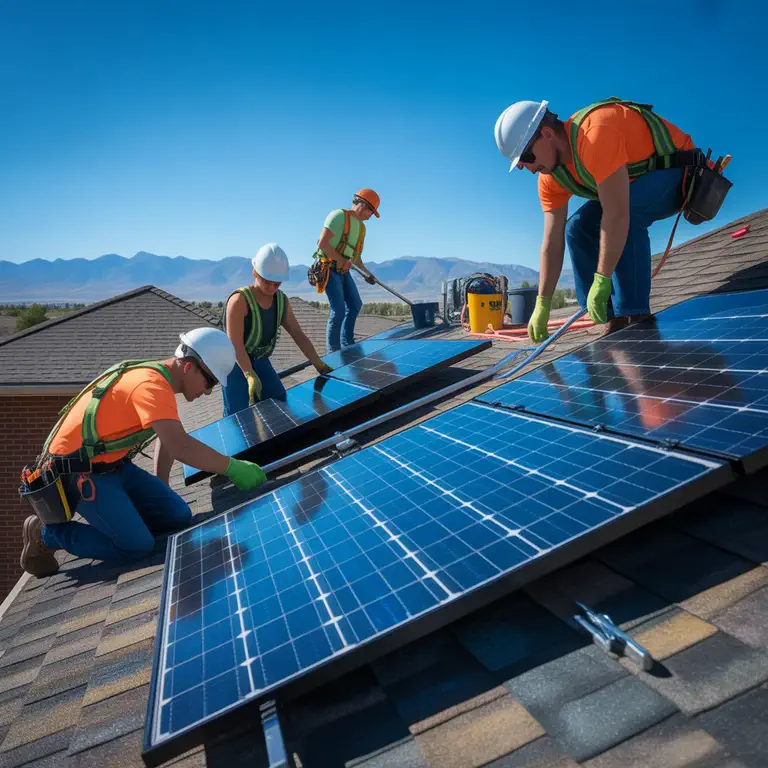
Home solar panels cut your dependence on the grid, boost what your property is worth, and lock in predictable energy costs for years. Installing a system shields you from climbing utility bills and qualifies you for federal tax credits that offset the upfront investment. Peak To Peak Roofing & Exteriors, LLC handles the roof side of solar the way it should be handled, because the roof and the array have to work as one system.
Certified, Accredited, And Reviewed





Solar panels are designed to run for decades. If the roof under them has less life than the array, you will pay twice: once to remove the panels, once to put them back.
| Roof condition or type | Solar ready? | Mounting method | What we recommend |
|---|---|---|---|
| Asphalt shingle, under 5 years old | Yes. | Flush mount with lag bolts into rafters and flashed penetrations. | Proceed. Confirm every penetration is flashed, not just sealed with caulk. |
| Asphalt shingle, 10 to 15 years old | Depends on condition. | Same flush mount, but only after inspection. | Get an inspection first. If less than 10 years of life remain, replace the roof before the array goes on. |
| Asphalt shingle, 15 years or older | Usually no. | Not recommended until the roof is replaced. | Replace the roof first. Panels typically carry 25 year performance warranties and will outlive that roof. |
| Hail damaged shingle | No. | None until the claim is resolved. | Resolve the insurance claim and replace the roof. Panels complicate a future claim and a future tear off. |
| Standing seam metal | Yes, and it is the best case. | Seam clamps that grip the rib. No holes in the roof at all. | Ideal pairing. Non penetrating attachment removes the main leak risk. |
| Exposed fastener metal | Yes, with care. | Mounts screwed through the panel into purlins or rafters with sealing washers. | Verify substrate and use proper gasketed fasteners. Every penetration is a future maintenance item. |
| Low slope membrane, TPO or EPDM | Yes. | Ballasted racking, or welded membrane flashed curbs. | Coordinate with the membrane manufacturer so the attachment does not void the roof warranty. |
| Tile or slate | Yes, with the right hardware. | Tile replacement hooks or flashed standoffs. | Use tile specific mounts. Never mount directly through tile. |
Roof mounted photovoltaic systems must meet International Residential Code section R324 and the National Electrical Code, including fire classification and structural load requirements, and the roof structure must support the added dead load. Panel performance warranties in the 25 year range are typical of current manufacturers. Any attachment on a roof still under warranty should be reviewed with the roofing manufacturer in advance so coverage stays intact.
Solar technology itself is reliable. Underperforming systems almost always trace back to poor site assessment, incorrect panel placement, inadequate system sizing, or equipment choices that compromise long-term generation.
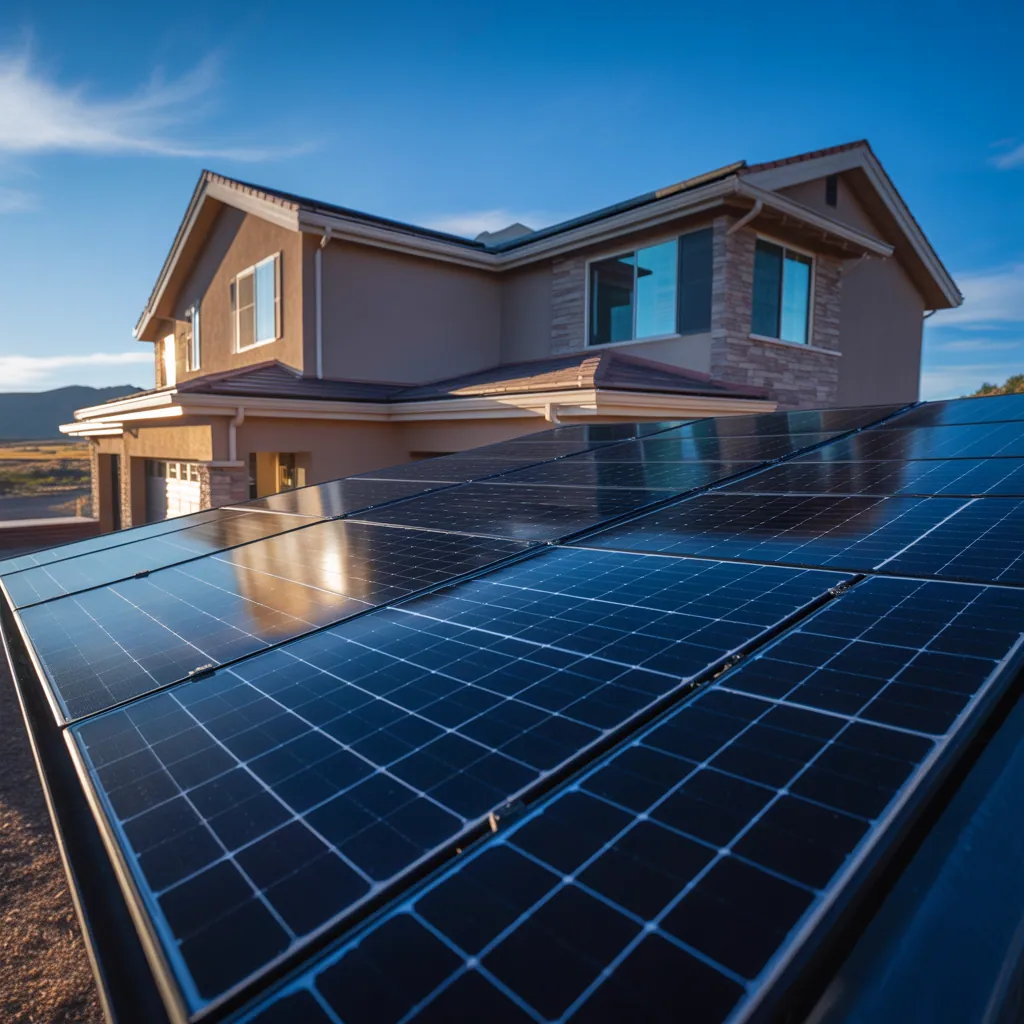
Home solar changes the economics of owning a Colorado property. The Front Range gets roughly 300 days of usable sun a year, which makes the payback math work here better than in most of the country.
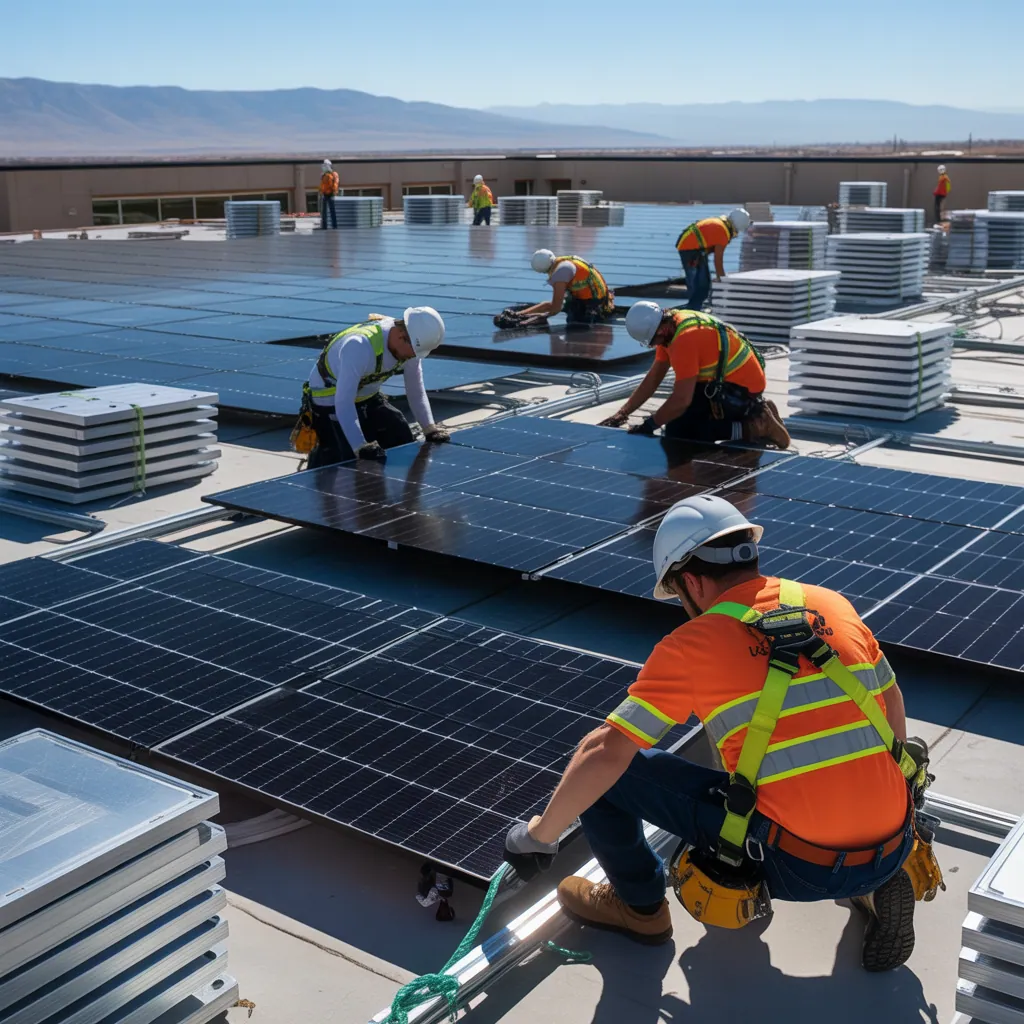
Most homeowners feel lost when solar companies start throwing around technical terms and complicated specs. Understanding how solar panels actually work does not require an engineering degree. Panels convert sunlight into electricity, an inverter makes that power usable in your home, and the system connects to the grid so you are covered when the sun is not shining.
Monocrystalline panels deliver better efficiency per square foot, which matters most when usable roof space is tight.
Your actual annual consumption, not a sales estimate, determines how many panels make sense for your home.
Roof age, pitch, and covering material all determine whether an array should go up now or wait for a replacement first.
We verify that the deck and framing can carry array dead load plus Colorado snow load before any mounting hardware is specified.
Every mount is a roof penetration. Flashed properly, it lasts the life of the roof. Flashed poorly, it becomes the leak you find three winters later.
We handle building department permits, inspections, and utility interconnection paperwork so the system can legally go live.
Solar panels cut your utility bills right away, qualify you for federal tax credits, and lock in protection against future rate hikes. Proper system design makes sure you are getting the most value from your investment.
Utility Bill Reduction: Most homeowners see a significant monthly drop once the system has been running through a full year of seasons.
Peak Rate Protection: Solar covers electricity needs during expensive afternoon hours when summer rates spike.
Maintenance Cost Relief: Modern systems need far less upkeep than conventional energy sources across 20 to 30 years of operation.
Energy Price Stability: Predictable costs protect you from the utility rate fluctuations that affect traditional power bills.
Dust and debris pile up over time, blocking sunlight and cutting energy production. Scheduled inspections catch small problems early, before they turn into expensive repairs. During each visit, technicians monitor performance, inspect electrical connections, and confirm the inverter is working properly.
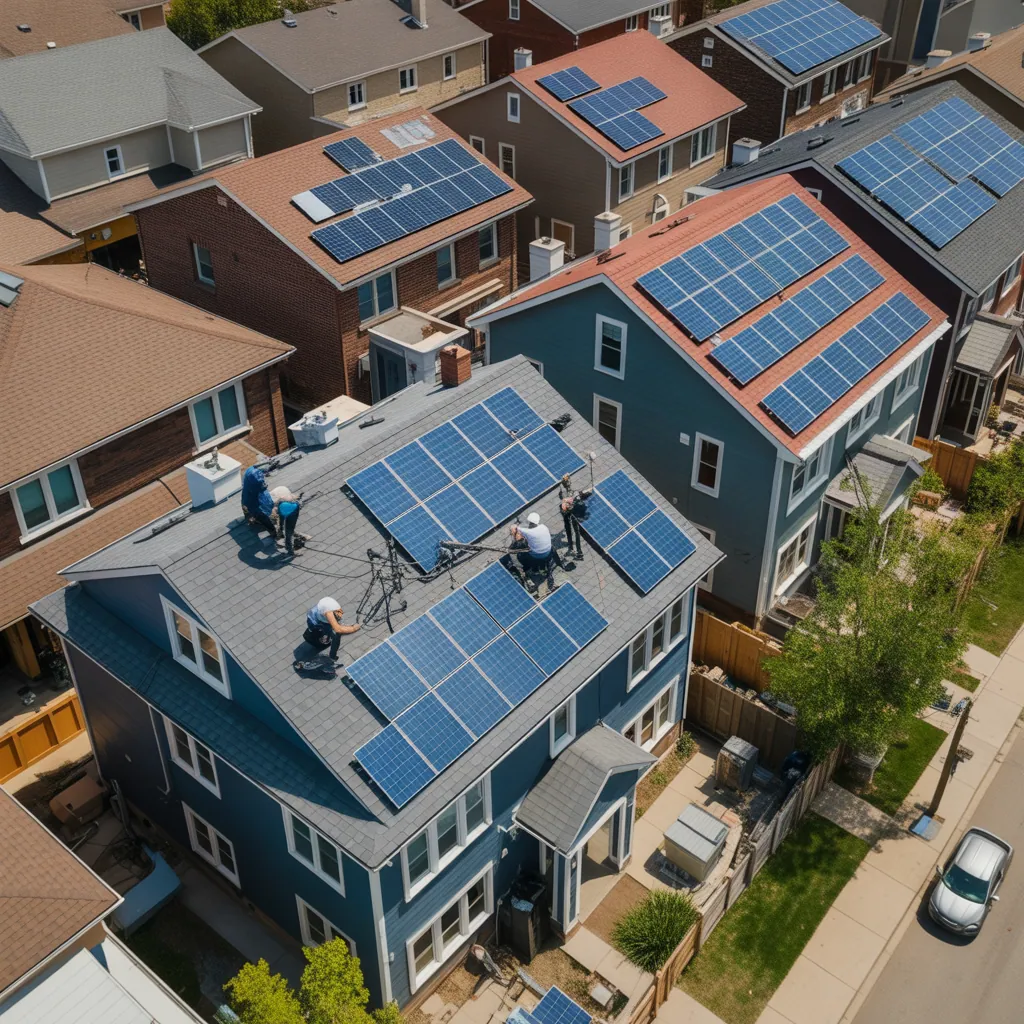
The process starts with a detailed roof assessment to check structural integrity and figure out the best panel placement for maximum energy production. The team handles all permits, coordinates utility connections, and typically completes installation within a few weeks.
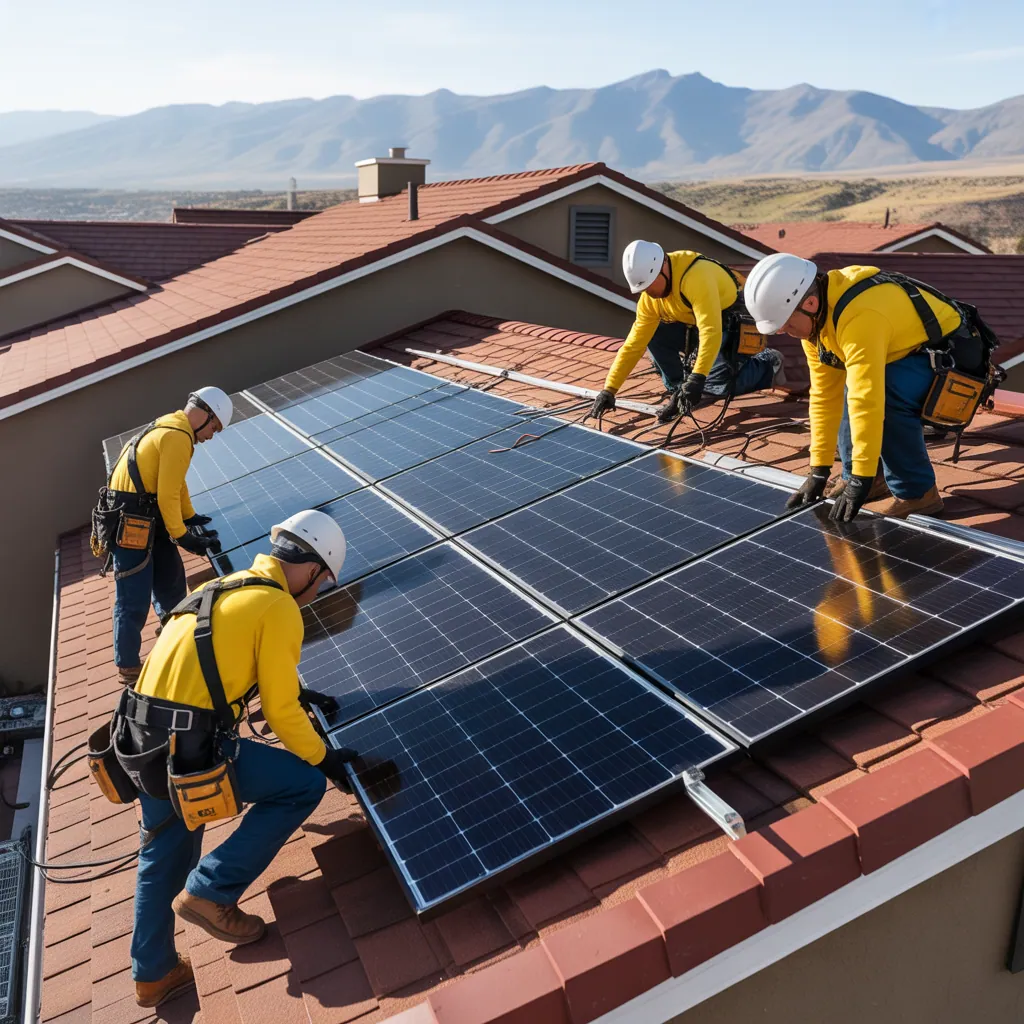
Solar installation services handle both homes and businesses across Colorado's Front Range corridor. Coverage runs south through Castle Rock and Monument, stretches north into Fort Collins and Loveland, and reaches east through Aurora and Brighton.
Peak To Peak Roofing & Exteriors, LLC handles solar panel installation throughout Denver, Colorado Springs, Aurora, Fort Collins, Boulder, Lakewood, and the surrounding Front Range area.

JJ Hedden
Founder & Owner
Meet The Owner
JJ Hedden founded Peak to Peak Roofing & Exteriors so Front Range property owners would have a roofer who is still reachable after the truck pulls away. He came up through inspections, claims and installations, so the standards our crews work to are the ones he set on roofs himself.
Panels should never go on a roof that will need to come off. He checks the deck, the remaining roof life and the penetration details first, so the array and the roof underneath it age together.
We evaluate the roof under the array first, then coordinate mounting, flashing, and any removal and reset work so your warranty stays intact.




4.9/5 from happy homeowners
● Solar Roof Reviews Available This Week
We check remaining roof life and flashing details before panels go on.
"Peak to Peak was great, they helped me with a repair on my roof. Helped me to extend the life of my roof."
- Luke Howard
Free inspection, same day answers