
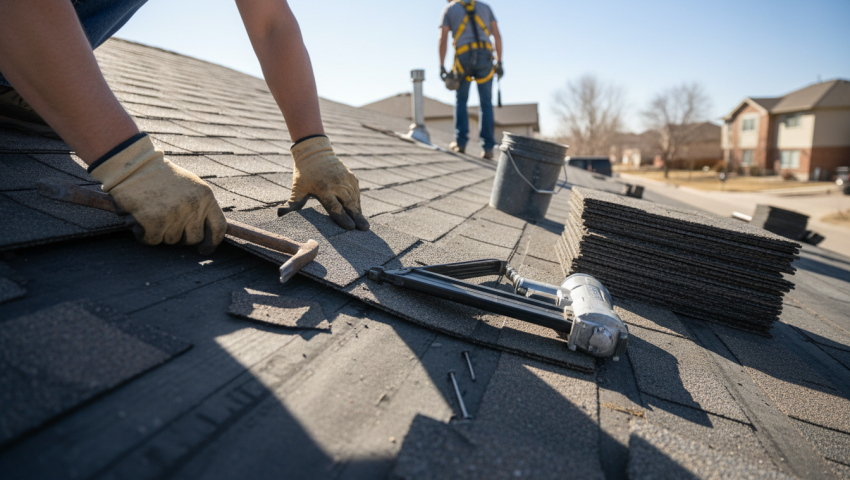
Most roofing work can proceed safely at 45 degrees, but material performance and installer safety become critical factors. Weather timing matters more than temperature alone.
You’re staring at a leak in your ceiling, and the weather forecast shows 45 degrees for the next week. Can your roofer actually fix this, or are you stuck waiting for warmer weather? The answer isn’t as straightforward as you might think, especially here in Denver, Colorado where temperature swings can be dramatic and unpredictable. While 45 degrees falls within the workable range for most roofing materials, several factors beyond just temperature determine whether your denver roof repair can proceed safely and effectively.
Understanding temperature limitations for roofing work becomes crucial when you’re dealing with emergency repairs or trying to beat Colorado’s notoriously unpredictable weather patterns. The reality is that different roofing materials, installation methods, and safety considerations all have their own temperature thresholds. What works for emergency tarping might not work for permanent shingle installation, and what’s safe for experienced crews might pose risks for others. This guide breaks down exactly when 45-degree weather allows for quality roof work and when you should wait for better conditions.
Key Takeaways
- Temperature Threshold: Most roofing materials can be installed safely at 45 degrees, but asphalt shingles become brittle and prone to cracking during handling and nailing.
- Safety Priority: Ice formation, wind chill, and surface conditions matter more than air temperature for worker safety and installation quality in Denver’s variable climate.
- Material Performance: Sealants, adhesives, and membrane materials may not cure properly below 50 degrees, affecting long-term waterproofing and warranty coverage from manufacturers.
- Emergency Exception: Temporary repairs like tarping and leak stoppage can proceed in almost any temperature, but permanent fixes should wait for optimal conditions.
- Timing Strategy: Experienced Denver roofers schedule 45-degree work for midday hours when surface temperatures peak and avoid early morning frost or afternoon wind patterns.
Why Denver’s Hail Season Makes Emergency Tarping More Critical Than Quick Fixes
Denver sits in the heart of ‘Hail Alley,’ where severe storms can strike from April through September, often leaving homeowners with sudden roof damage when temperatures hover around 45 degrees. Emergency tarping becomes the priority in these situations because it stops immediate water intrusion while giving you time to plan proper repairs. The key difference between emergency work and permanent repairs lies in understanding what can be done safely versus what should wait for optimal conditions.
At 45 degrees, emergency tarping proceeds without material limitations since you’re using temporary coverings rather than permanent roofing materials. However, the decision to attempt permanent repairs depends on several factors beyond just air temperature. Surface conditions, wind speed, humidity levels, and the specific materials involved all play crucial roles in determining whether your repair will hold up long-term or fail within months.
Emergency Protocols
- Immediate Response: Tarping can proceed safely at any temperature above freezing, providing crucial protection while permanent repair conditions are evaluated.
- Surface Assessment: Ice, frost, or moisture on roof surfaces creates slip hazards and prevents proper material adhesion regardless of air temperature.
- Wind Factor: Denver’s frequent wind gusts above 15 mph make 45-degree work dangerous even when temperature alone would allow installation.
- Material Staging: Cold weather requires different material handling, with shingles and membranes needing warming before installation to prevent cracking.
- Crew Safety: Hypothermia risk increases significantly when workers are exposed to 45-degree temperatures combined with Denver’s typical wind and altitude factors.
The reality is that emergency situations often force work in less-than-ideal conditions, but understanding the limitations helps set realistic expectations. A professional crew can secure your home against further damage at 45 degrees, but they should be honest about what constitutes temporary protection versus permanent repair. This distinction becomes crucial when dealing with insurance claims and warranty coverage.
The Flashing Detail That Fails First in Colorado’s Freeze-Thaw Cycles
Colorado’s dramatic temperature swings create unique challenges for roof flashing, particularly when repairs are attempted at marginal temperatures like 45 degrees. Step flashing around chimneys, valleys, and wall intersections experiences the most stress during freeze-thaw cycles because these areas see the greatest temperature variation throughout the day. When repairs are made at 45 degrees, the sealants and adhesives used in flashing details may not achieve proper cure, leading to failures during the next temperature swing.
The problem compounds when you consider that 45-degree air temperature often means surface temperatures on metal flashing can be 10-15 degrees colder due to thermal mass and wind chill effects. Professional roof inspection reveals that most flashing failures occur not from the initial installation, but from repairs made during marginal weather conditions when materials couldn’t properly bond or seal.
Flashing Vulnerabilities
- Sealant Cure: Most roofing sealants require sustained temperatures above 50 degrees for 24-48 hours to achieve full cure and waterproof integrity.
- Metal Expansion: Aluminum and steel flashing contracts significantly at 45 degrees, creating gaps that may not be apparent during installation but open during warming.
- Adhesion Failure: Cold surfaces prevent proper bonding between new flashing and existing materials, leading to wind uplift and water penetration issues.
- Ice Formation: Overnight frost after 45-degree installation can lift newly installed flashing before sealants have time to cure properly.
- Thermal Shock: Rapid temperature changes common in Denver can cause newly installed flashing to fail at connection points within days of installation.
Understanding these flashing vulnerabilities explains why experienced roofers often recommend waiting for consistently warmer weather for permanent repairs, even when emergency measures can proceed. The cost difference between a temporary fix and a failed permanent repair often justifies the wait, especially when dealing with complex flashing details that are expensive to redo.
How Altitude Changes Shingle Performance in Ways Most Roofers Miss
Denver’s 5,280-foot elevation creates unique challenges for roofing materials that many contractors from lower elevations don’t fully understand. At altitude, the combination of intense UV radiation, lower air pressure, and rapid temperature changes affects how shingles perform, especially when installed at marginal temperatures like 45 degrees. The reduced atmospheric pressure means that adhesive strips on shingles don’t activate as readily, and the intense UV exposure at altitude can cause premature aging if materials aren’t properly handled during installation.
When shingles are installed at 45 degrees at Denver’s altitude, several factors converge that don’t occur at sea level. The lower air density means less thermal mass to moderate temperature swings, so shingles experience more dramatic heating and cooling cycles. Additionally, the intense UV radiation at altitude begins affecting asphalt compounds immediately after installation, making proper sealing during the initial cure period even more critical for long-term performance.
Altitude Effects
- UV Intensity: Denver’s altitude increases UV exposure by approximately 25% compared to sea level, accelerating shingle aging when installed in marginal temperatures.
- Pressure Differential: Lower atmospheric pressure affects how self-sealing strips activate, requiring warmer temperatures and longer cure times for proper bonding.
- Thermal Cycling: Rapid day-night temperature swings at altitude stress cold-installed shingles more severely than similar installations at lower elevations.
- Moisture Evaporation: Dry air at altitude causes rapid moisture loss from installation adhesives, potentially preventing proper curing in 45-degree conditions.
- Wind Uplift: Higher wind speeds common at Denver’s elevation create greater stress on shingles that haven’t properly sealed due to cold installation temperatures.
These altitude-specific factors explain why Denver roofers who understand local conditions often have different temperature thresholds than contractors from lower elevations. The combination of intense UV, low humidity, and dramatic temperature swings means that marginal-temperature installations face challenges that might not occur in more moderate climates, making proper timing even more crucial for long-term success.
What a $8,000 Denver Roof Repair Quote Should Actually Include
When you receive a significant roof repair quote for work that might be delayed due to 45-degree weather, understanding what should be included helps you evaluate whether the price reflects quality work or corner-cutting. A comprehensive Denver roof repair quote should account for weather-dependent factors, proper material staging, and the additional labor required to ensure quality installation in challenging conditions. The difference between a $8,000 repair done right and one that fails within two years often comes down to how thoroughly the contractor addresses temperature-sensitive aspects of the work.
Professional residential roofing contractors factor weather delays, material conditioning, and extended cure times into their pricing because they understand that rushing work in marginal conditions leads to callbacks and warranty claims. A detailed quote should specify temperature requirements, explain any weather-related delays, and outline the steps taken to ensure materials perform properly despite challenging installation conditions.
Here’s a breakdown of typical cost components for professional cold-weather roof repairs in the Denver area:
| Repair Component | Standard Cost | Cold Weather Premium |
|---|---|---|
| Material staging/conditioning | $200-400 | $300-600 |
| Extended installation time | $500-800 | $800-1200 |
| Weather delay contingency | Not included | $400-800 |
| Enhanced sealing/adhesives | $300-500 | $500-800 |
| Follow-up inspection | $150-250 | Included |
Quote Components
- Material Conditioning: Proper quotes include time and labor for warming shingles and staging materials in heated areas before cold-weather installation.
- Weather Monitoring: Professional contractors include provisions for weather delays and specify minimum temperature requirements for different phases of work.
- Extended Warranties: Quality contractors offer enhanced warranties when work proceeds in marginal conditions, demonstrating confidence in their temperature-management protocols.
- Surface Preparation: Comprehensive quotes detail additional cleaning, drying, and surface treatment required for cold-weather installations to ensure proper adhesion.
- Follow-up Inspection: Reputable contractors include post-installation inspections after the first warm weather cycle to verify that cold-installed materials have properly sealed.
Understanding these quote components helps you distinguish between contractors who truly understand cold-weather roofing challenges and those who simply want to rush through work regardless of conditions. The upfront investment in proper cold-weather protocols often saves thousands in premature replacement costs and provides peace of mind that your repair will withstand Denver’s demanding climate.
The Insurance Adjuster Mistake That Costs Denver Homeowners Thousands
Insurance adjusters often misunderstand the relationship between weather conditions and repair quality, leading to claim denials or underpayments when homeowners attempt repairs in 45-degree weather that subsequently fail. The most common mistake adjusters make is assuming that any repair completed by a licensed contractor should be covered, without understanding that temperature-sensitive installations may not meet manufacturer warranty requirements or industry standards. This misunderstanding can leave homeowners responsible for premature failures that result from cold-weather installations.
The problem becomes particularly acute in Denver where hail damage claims spike during spring and fall when temperatures frequently hover around 45 degrees. Adjusters may pressure homeowners to complete repairs quickly to close claims, not realizing that rushing work in marginal conditions often leads to failures that won’t be covered under subsequent claims. Understanding this dynamic helps homeowners make informed decisions about timing repairs and managing insurance expectations.
Insurance Pitfalls
- Warranty Voids: Manufacturer warranties may be voided if installation occurs outside specified temperature ranges, leaving homeowners without recourse for premature failures.
- Quality Standards: Insurance companies expect repairs to meet industry standards, but adjusters may not understand that these standards include specific temperature requirements.
- Timeline Pressure: Adjusters often impose artificial deadlines that force contractors to work in unsuitable conditions, leading to substandard repairs and denied future claims.
- Documentation Requirements: Proper documentation of weather conditions during installation becomes crucial for defending future warranty or insurance claims related to repair failures.
- Supplemental Claims: Failed cold-weather repairs often require supplemental insurance claims, which face higher scrutiny and more frequent denials than original damage claims.
Protecting yourself requires understanding that insurance adjusters are trained to close claims quickly and may not fully grasp the technical requirements for quality roofing work. Documenting weather conditions, insisting on manufacturer-compliant installation temperatures, and understanding your policy’s coverage for repair failures can save significant out-of-pocket expenses when cold-weather repairs inevitably fail.
Why Waiting Until Spring for Roof Repairs Backfires in Colorado
Many Denver homeowners make the mistake of postponing roof repairs until spring, thinking they’re avoiding the complications of cold-weather installation. However, this strategy often backfires spectacularly in Colorado’s climate because winter damage compounds exponentially, and spring brings its own challenges including contractor availability and severe weather. The decision to wait often transforms a manageable repair into a full replacement, particularly when freeze-thaw cycles and snow loading stress already damaged roofing systems.
The reality of Denver’s climate means that ‘waiting for spring’ often means waiting through months of additional damage while facing a compressed repair season when every contractor is booked solid. Commercial roof repair professionals understand that strategic winter repairs, even in 45-degree conditions, often prevent far more expensive problems that develop during months of exposure to Colorado’s harsh winter conditions.
Here’s how repair costs typically escalate when homeowners delay winter repairs until spring:
| Repair Timeline | Typical Cost Range | Risk Factors |
|---|---|---|
| Fall (45°F conditions) | $2,000-5,000 | Material conditioning required |
| Winter delay | $4,000-8,000 | Freeze damage expansion |
| Spring emergency | $8,000-15,000 | Structural damage, premium rates |
| Full replacement | $15,000-30,000 | Complete system failure |
Winter Consequences
- Exponential Damage: Small leaks expand dramatically during freeze-thaw cycles, turning minor repairs into major structural issues requiring extensive reconstruction.
- Contractor Availability: Spring brings overwhelming demand for roofing services, leading to months-long delays and premium pricing when repairs become urgent.
- Insurance Complications: Delayed repairs may be viewed as neglect by insurance companies, potentially voiding coverage for secondary damage that develops over winter.
- Emergency Costs: Winter storms often force emergency repairs at premium rates when problems that could have been addressed in fall become critical.
- Structural Compromise: Prolonged exposure to moisture and freeze-thaw cycles can damage roof decking and structural components, requiring far more extensive and expensive repairs.
The key is distinguishing between repairs that truly require optimal conditions and those that can be completed safely in 45-degree weather with proper techniques. Experienced contractors can often perform quality work in marginal conditions using specialized methods, preventing the cascade of problems that develop when repairs are delayed through an entire Colorado winter season.
The One Repair Method That Actually Prevents Ice Dam Damage
While most roofing repairs focus on fixing immediate problems, one approach actually prevents the ice dam damage that plagues Denver homes every winter, and it can be implemented effectively even in 45-degree weather. This method involves creating a comprehensive thermal barrier system that addresses the root cause of ice dams rather than just treating symptoms. The technique combines strategic insulation upgrades, ventilation improvements, and specialized ice barrier installation in a way that works with Colorado’s extreme temperature variations.
The effectiveness of this preventive approach lies in understanding that ice dams form when heat escapes through the roof deck, melting snow that then refreezes at the colder eaves. By creating a continuous thermal barrier and proper ventilation pathway, you eliminate the temperature differential that causes ice dam formation. This repair method can be implemented during 45-degree weather because it focuses on air sealing and insulation work that isn’t temperature-sensitive, unlike membrane installations or shingle work.
Prevention Strategy
- Continuous Air Barrier: Sealing all penetrations and creating an unbroken air barrier prevents warm air from reaching the roof deck, eliminating the heat source for ice dam formation.
- Balanced Ventilation: Installing proper soffit intake and ridge exhaust ventilation maintains consistent roof deck temperature, preventing the warm-cold differential that creates ice dams.
- Extended Ice Barrier: Installing ice and water shield membrane extending 3-6 feet past the interior wall line provides backup protection even if minor ice formation occurs.
- Thermal Bridging Elimination: Addressing structural thermal bridges through insulation upgrades prevents localized heating that can trigger ice dam formation in vulnerable areas.
- Attic Insulation Upgrade: Adding properly installed insulation with vapor barriers maintains consistent temperatures and prevents heat transfer that leads to ice dam conditions.
This comprehensive approach costs more upfront than simple leak repairs but eliminates the recurring expense and damage associated with ice dams. The work can proceed in 45-degree weather because it primarily involves insulation and air sealing rather than temperature-sensitive roofing materials, making it an ideal winter project that pays dividends for decades. Professional solar contractors often recommend this approach before solar installation because it ensures the roof system performs optimally year-round.
Making Smart Timing Decisions
The question of whether roofers can work in 45-degree weather doesn’t have a simple yes or no answer, but understanding the factors involved helps you make informed decisions about timing your Denver roof repair. Emergency work can almost always proceed safely, while permanent repairs require careful evaluation of materials, surface conditions, and long-term performance requirements. The key is working with contractors who understand these distinctions and can honestly assess when conditions allow for quality work versus when delays serve your best interests.
Remember that the cheapest repair isn’t always the most cost-effective if it fails prematurely due to poor installation conditions. Investing in proper cold-weather techniques or strategic timing often saves thousands in premature replacement costs while ensuring your repair withstands Colorado’s demanding climate. If you’re dealing with roof damage and need expert guidance on timing and approach, we can help you evaluate your options and develop a strategy that balances urgency with quality for lasting results.
Author
JJ Hedden is the owner of Peak to Peak Roofing with 15 years of experience navigating Denver’s challenging climate conditions and temperature-sensitive roofing decisions. His extensive background helping over 6,000 homeowners with roofing needs has provided deep insight into when weather conditions allow for quality work and when patience serves homeowners better. JJ’s practical approach to cold-weather roofing challenges helps Denver residents make informed decisions that balance urgency with long-term performance.