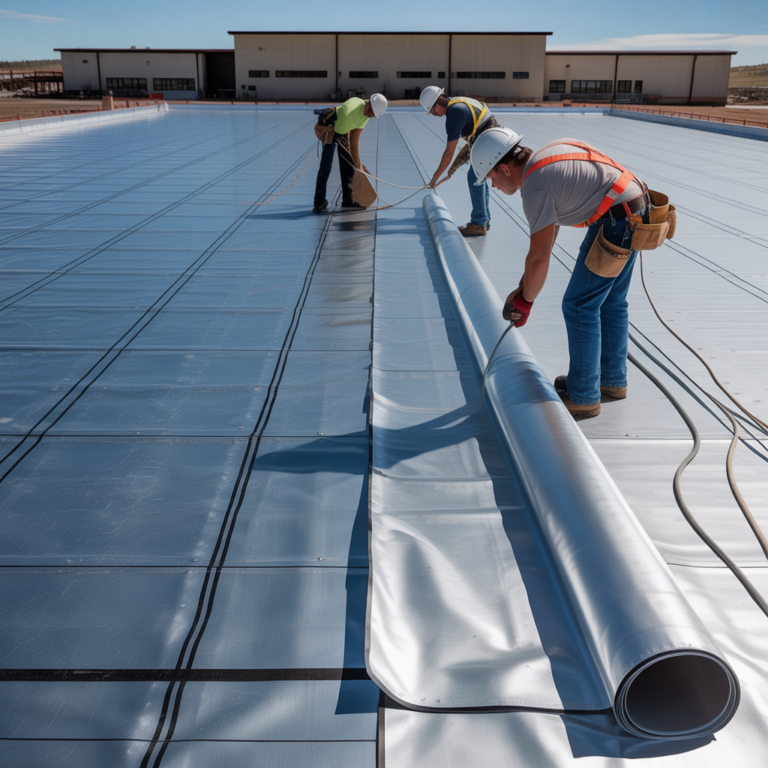
Quick Answer: Retrofitting older commercial buildings requires careful structural assessment, code compliance updates, and strategic planning to integrate modern flat roofing technology with existing building frameworks while minimizing operational disruption.
Older commercial buildings present distinct challenges when upgrading to contemporary flat roof systems. The existing structure may have been designed for different load requirements, outdated drainage configurations, or materials that don’t integrate well with modern roofing technology. Peak To Peak Roofing & Exteriors, LLC works with property managers to navigate these complexities, ensuring that retrofit projects address both immediate roofing needs and long-term building performance. Understanding what’s involved before starting a retrofit project helps avoid costly surprises and ensures the new system performs as intended.
Critical Considerations for Successful Flat Roof Retrofits:
- Structural Load Capacity: Older buildings may require reinforcement before installing modern roofing systems, particularly if upgrading to heavier materials or adding insulation layers that weren’t part of the original design specifications.
- Drainage Redesign: Buildings constructed decades ago often lack adequate drainage infrastructure for current building codes, necessitating new scupper locations, internal drain installations, or complete reconfiguration of water management systems.
- Insulation Integration: Retrofitting provides an opportunity to dramatically improve energy performance, but requires careful planning around existing HVAC penetrations, parapet heights, and door thresholds that may need adjustment when adding insulation thickness.
- Phased Installation Options: Large commercial buildings can often accommodate section-by-section roof replacement, allowing businesses to continue operations while spreading project costs across multiple budget cycles without compromising the building envelope.
Peak To Peak Roofing & Exteriors, LLC approaches retrofit projects with thorough pre-construction assessments that identify potential complications before work begins. This proactive planning helps property managers make informed decisions about material selection, project timing, and budget allocation while ensuring the finished roof system delivers reliable protection and improved building performance for years ahead.