
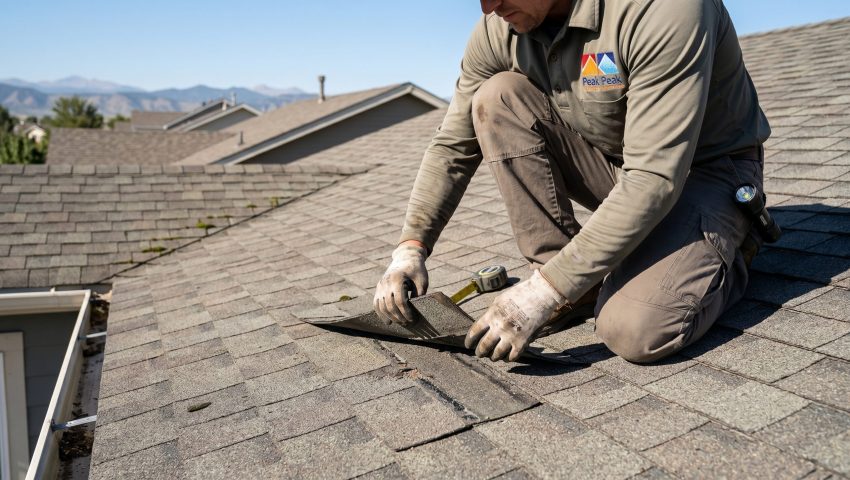
Most roofing hazards develop silently over months or years before becoming visible problems. This guide teaches you to spot the warning signs early.
Most homeowners across Denver, Aurora, and Boulder only discover roofing hazards after they’ve already caused damage or created safety risks. A loose shingle might seem harmless until a windstorm tears off an entire section, or a small leak might go unnoticed until it rots the underlying structure and creates a collapse risk. The reality is that serious roofing hazards often develop gradually, giving you multiple opportunities to catch them before they escalate into expensive emergencies or dangerous situations.
This guide walks you through a systematic approach to identifying roofing hazards that threaten both your property and personal safety. You’ll learn to recognize structural weaknesses, spot material failures before they worsen, and identify environmental risks that could lead to accidents during maintenance or storms. By the end, you’ll have the knowledge to conduct thorough hazard assessments and know when professional intervention is necessary to protect your home and family.
Step 1: Establish Your Safety Perimeter and Assessment Plan
Before examining any roofing hazards, you need to create a safe assessment environment and develop a systematic inspection plan. Start by establishing a clear perimeter around your home where falling debris could land, typically extending 10 feet from the roofline in all directions. Check weather conditions and avoid inspections during high winds, rain, or when surfaces might be icy or wet, as these conditions can turn minor hazards into immediate dangers.
Document your roof’s basic information including age, material type, and any previous repairs or modifications before beginning your assessment. Take initial photos from ground level to establish baseline conditions, and note any obvious damage visible from your starting position. This preliminary documentation helps you track changes over time and provides valuable reference points when discussing findings with roofing professionals, ensuring you don’t miss subtle but important details during your inspection.
Here are the essential safety zones and documentation requirements for different roof types:
| Roof Type | Safety Perimeter | Key Documentation | Weather Restrictions |
|---|---|---|---|
| Asphalt Shingle | 10 feet minimum | Age, last replacement, storm history | No wind >15 mph, no wet conditions |
| Metal Roofing | 12 feet minimum | Panel type, fastener pattern, coating condition | No wind >20 mph, no ice formation |
| Tile/Slate | 15 feet minimum | Tile material, mortar condition, broken pieces | No wind >10 mph, extremely fragile when wet |
| Low-Slope/Flat | 8 feet minimum | Membrane type, drainage patterns, ponding areas | No standing water, no temperature extremes |
Step 2: Inspect Structural Elements for Load-Bearing Risks
Structural hazards pose the greatest immediate danger because they can lead to sudden roof collapse or catastrophic failure during storms or heavy snow loads. Begin by examining the roofline from multiple ground positions, looking for sagging areas, uneven ridge lines, or sections where the roof appears to dip below its original plane. These visual cues often indicate compromised rafters, damaged trusses, or foundation settlement that has stressed the roof structure beyond safe limits.
Pay special attention to areas around chimneys, skylights, and other roof penetrations where structural modifications may have weakened the original framing. Look for cracks in exterior walls just below the roofline, doors or windows that stick or won’t close properly, and interior ceiling cracks that run parallel to exterior walls. These symptoms often appear before the roof itself shows obvious signs of structural distress, giving you early warning of developing problems.
Critical Structural Indicators
- Sagging Rooflines: Any visible dip or bow in the roof surface indicates potential rafter or truss failure that requires immediate professional evaluation to prevent collapse.
- Ridge Line Irregularities: A ridge that isn’t perfectly straight or shows high and low spots suggests foundation movement or structural settling that’s stressing the roof framework.
- Chimney Separation: Gaps between the chimney and roof surface, or a chimney that leans away from the house, indicates serious structural movement that can cause roof failure.
- Fascia Board Damage: Rotting, pulling away, or damaged fascia boards compromise the roof’s edge support and can lead to gutters falling or roof edge collapse.
- Interior Wall Cracks: New cracks appearing where walls meet ceilings, especially near exterior walls, often signal roof structure problems before exterior damage becomes visible.
Document any structural irregularities with photos taken from multiple angles, and measure any visible sagging using a string line or straight edge for reference. Understanding the connection between fall protection requirements and structural integrity helps you recognize when professional assessment becomes necessary. If you identify any structural concerns, avoid walking on or near the affected areas and contact a structural engineer or experienced roofing contractor immediately, as these issues typically worsen rapidly once they begin.
Step 3: Examine Roofing Materials for Failure Patterns
Material degradation creates hazards that range from water intrusion to sudden component failure during storms or routine maintenance activities. Focus your examination on identifying patterns of wear, damage, or deterioration that indicate the roofing system is approaching or has exceeded its safe service life. Look for missing, cracked, or curling shingles, exposed nail heads, granule loss patterns that follow specific areas rather than general aging, and any materials that appear brittle or easily damaged.
Different roofing materials exhibit distinct failure patterns that help you assess both current condition and remaining lifespan. Asphalt shingles typically show granule loss, cracking along the edges, and curling that starts at the corners, while metal roofing develops rust spots, loose fasteners, and coating failures that expose the underlying substrate. Understanding these material-specific hazards allows you to prioritize repairs and plan for replacement before complete failure occurs.
Step 4: Assess Water Intrusion and Moisture-Related Hazards
Water intrusion creates both immediate slip hazards and long-term structural damage that can compromise your roof’s integrity and create dangerous conditions for anyone accessing the roof surface. Start by examining all flashing areas around chimneys, vents, skylights, and wall intersections for signs of separation, corrosion, or sealant failure that allows water penetration. Check gutters and downspouts for proper drainage, looking for areas where water might back up or overflow during heavy rains, creating ice formation in winter or saturated conditions that weaken roofing materials.
Interior moisture signs often provide the clearest evidence of developing water intrusion hazards before they become visible from outside. Look for water stains on ceilings or walls, peeling paint near the roofline, musty odors in upper floor rooms or attics, and any areas where insulation appears compressed or discolored. These indicators help you trace leak sources and identify areas where trapped moisture is creating rot, mold growth, or structural weakening that could lead to sudden material failure during storms or maintenance activities.
Step 5: Identify Environmental and Weather-Related Vulnerabilities
Environmental hazards develop from your roof’s interaction with local weather patterns, nearby vegetation, and seasonal conditions that create specific risks throughout the year. In Colorado’s climate, focus on identifying areas vulnerable to hail damage, wind uplift, snow load accumulation, and ice dam formation that can create sudden hazards during storm events. Examine tree branches that overhang the roof, looking for dead limbs, branches that scrape against roofing materials during wind, and areas where falling leaves or debris accumulate and trap moisture.
Seasonal vulnerability assessment helps you anticipate and prepare for hazards before they develop into dangerous conditions. Check for adequate attic ventilation that prevents ice dam formation, identify areas where snow might accumulate beyond design loads, and note sections of roof that receive intense afternoon sun exposure that accelerates material aging. Weather-related roofing hazards in the Denver area require specific attention to freeze-thaw cycles and sudden temperature changes that can cause rapid material expansion and contraction.
Step 6: Evaluate Access Points and Maintenance Safety Concerns
Safe roof access is critical for ongoing maintenance and emergency repairs, making it essential to identify hazards that could cause falls, injuries, or equipment damage during routine activities. Examine all potential access points including ladders, walkways, and areas where maintenance personnel might need to work, looking for unstable surfaces, inadequate fall protection anchor points, and obstacles that create trip or slip hazards. Consider the condition of roof-mounted equipment like HVAC units, satellite dishes, or solar panels that create additional fall risks and require safe access routes.
Document any areas where roof slope, surface texture, or material condition creates unsafe working conditions, and identify locations where fall protection systems would be necessary for safe maintenance access. Note the proximity of power lines, the stability of any roof-mounted equipment, and areas where debris accumulation could hide underlying hazards. This assessment helps you plan safe maintenance procedures and communicate specific safety requirements to contractors or service personnel who might need roof access.
Here are common roof access hazards and their safety requirements:
| Access Type | Primary Hazards | Safety Requirements | Inspection Frequency |
|---|---|---|---|
| Ladder Access | Fall from height, ladder slip, electrical contact | 3-point contact, 4:1 ratio, spotter required | Before each use |
| Roof Walking | Surface slip, material damage, fall through | Non-slip footwear, weight distribution, harness | Monthly during active season |
| Equipment Areas | Trip hazards, electrical shock, mechanical injury | Clear pathways, lockout/tagout, PPE | Quarterly or per manufacturer |
| Edge Work | Fall from perimeter, wind exposure, material drop | Fall protection system, secured tools, weather limits | Before any edge approach |
Step 7: Document Findings and Establish Monitoring Protocols
Proper documentation transforms your hazard identification efforts into a valuable monitoring system that tracks changes over time and helps prioritize repair decisions. Create a detailed record of each identified hazard including photographs, location descriptions, severity assessments, and recommended timeframes for addressing each issue. Use consistent reference points and measurement techniques so you can accurately compare conditions during future inspections and track whether problems are worsening, stabilizing, or improving.
Establish a regular monitoring schedule based on the types and severity of hazards you’ve identified, with more frequent checks for high-risk areas and seasonal assessments before and after severe weather periods. Comprehensive hazard evaluation requires ongoing attention rather than one-time assessment, as roofing conditions change with weather exposure, aging, and building settlement. Plan follow-up inspections every six months for general monitoring, quarterly for moderate-risk areas, and monthly for high-risk conditions that could deteriorate rapidly.
Putting Your Hazard Assessment Into Action
You now have a systematic approach to identifying roofing hazards that protects both your property investment and personal safety throughout the year. By following these seven steps regularly, you’ll catch developing problems before they become expensive emergencies and maintain clear documentation that helps insurance claims and contractor communications. The key to effective hazard identification is consistency in your approach and prompt action when you discover conditions that exceed your comfort level or expertise.
Consider scheduling a professional roof inspection annually or after major storms to validate your findings and address complex issues that require specialized knowledge or equipment. Your systematic hazard identification efforts provide the foundation for informed maintenance decisions and help you build a relationship with qualified contractors who can address problems efficiently when they arise.
Author
JJ Hedden is the owner of Peak to Peak Roofing with 15 years of experience helping homeowners across Colorado identify and address roofing hazards before they become dangerous or expensive problems. Having completed over 6,000 roofing projects throughout the Denver metro area, he understands how Colorado’s unique climate creates specific hazard patterns that require systematic identification and proactive management. His approach emphasizes teaching homeowners to recognize early warning signs while knowing when professional intervention becomes necessary for safety and property protection.