
Most homeowners miss thousands in roofing rebates by applying after installation. This guide shows you how to secure incentives before starting your project.
Thousands of Colorado homeowners leave money on the table every year by discovering roofing rebates and incentives after their roof replacement is already complete. The timing of your application often determines whether you qualify for federal tax credits, utility rebates, or local incentive programs. Missing these deadlines can cost you anywhere from $500 to $15,000 in potential savings, depending on your roof size and the materials you choose.
This guide walks you through the complete process of identifying, applying for, and claiming every rebate and incentive available for your roofing project across Denver, Aurora, Littleton, Castle Pines, Parker, Brighton, Boulder, Thornton, Arvada, Erie, Westminster, Centennial, Cherry Hills Village, Englewood, Greenwood Village, Golden, Lone Tree, Colorado Springs, Highlands Ranch, Genesee, Superior, Louisville, Lafayette, Lakewood, Longmont, Wheat Ridge, Morrison, and Grand Junction. You’ll learn how to research programs before you start, gather the right documentation during installation, and file claims correctly to maximize your savings. By following these steps in order, you’ll capture every available incentive without missing critical deadlines or documentation requirements.
Step 1: Research Available Programs Before Choosing Materials
The biggest mistake homeowners make is selecting roofing materials first and then looking for rebates that might apply. This backwards approach eliminates most of your incentive opportunities because each program has specific material requirements, energy efficiency ratings, and installation standards that must be met. Federal tax credits require ENERGY STAR certified products, while utility rebates often demand specific Solar Reflectance Index (SRI) ratings that vary by program. Starting with materials research first means you’re designing your project around available incentives rather than hoping incentives exist for what you’ve already chosen.
Colorado’s Front Range offers multiple overlapping incentive programs, but they don’t all stack together, and some have conflicting requirements. Xcel Energy’s cool roof rebates require different specifications than federal solar tax credits, while local municipal programs may have their own material lists. The key is mapping out all available programs in your specific service area before making any material decisions. Most successful applicants spend 2-3 hours researching programs and find an average of $3,200 in combined incentives they can actually qualify for.
Here’s a comparison of the most common roofing incentive types available in Colorado:
| Program Type | Typical Rebate Amount | Key Requirements | Application Timing |
|---|---|---|---|
| Federal Solar Tax Credit | 30% of system cost | ENERGY STAR certified equipment | File with tax return |
| Utility Cool Roof Rebate | $0.10-0.30 per sq ft | Minimum SRI rating | Before installation |
| Municipal Green Building | $500-2,000 flat rate | City-approved materials list | With building permit |
| FORTIFIED Roof Discount | 5-15% insurance premium reduction | Impact-resistant materials | After certification |
| Manufacturer Rebates | $50-500 per square | Specific product lines | During purchase period |
Research Sources
- Federal Programs: Check the IRS residential energy credits for solar installations, cool roof materials, and energy-efficient improvements that qualify for 30% tax credits through 2032.
- Utility Rebates: Contact your local utility (Xcel Energy covers most Front Range areas) directly for current rebate amounts on reflective roofing, insulation upgrades, and integrated solar systems that can reduce cooling costs.
- Municipal Incentives: Visit your city’s website or call the building department to ask about local green building rebates, storm-resistant roofing credits, or sustainability programs specific to your jurisdiction.
Once you’ve identified all available programs, create a spreadsheet listing each incentive, its requirements, maximum rebate amount, and application deadline. This becomes your project roadmap, ensuring you choose materials and contractors that qualify for the highest total rebate value. With your research complete, you’re ready to select materials that maximize your incentive eligibility.
Step 2: Gather Documentation and Apply for Pre-Approval
Most rebate programs require pre-approval or at minimum, documentation that proves you applied before installation began. Waiting until after your roof is complete means automatic disqualification from utility rebates, municipal programs, and many manufacturer incentives. The application process typically takes 2-6 weeks for approval, so this step must happen during your planning phase, not during installation. Programs like cool roof incentives specifically require energy modeling or product certification numbers that must be submitted before any work starts.
The documentation requirements vary significantly between programs, but successful applicants follow a standard process to avoid delays or rejections. Federal tax credits need manufacturer certifications and installation receipts, while utility programs often require energy audits or contractor licensing verification. Municipal rebates may need building permit numbers and approved material lists. What trips up most people is incomplete applications, missing signatures, or using non-qualifying contractors who aren’t registered with the rebate programs.
Required Documents
- Product Specifications: Collect manufacturer spec sheets showing ENERGY STAR ratings, SRI values, impact resistance classifications, and fire ratings for every material you plan to use in your roofing system.
- Contractor Information: Verify your roofing contractor is licensed, insured, and registered with applicable rebate programs. Many utilities maintain approved contractor lists that you must use to qualify for rebates.
- Property Details: Gather your property tax assessment, utility account numbers, existing roof square footage, and any previous energy efficiency improvements that might affect your eligibility calculations.
- Financial Documentation: Prepare income verification for means-tested programs, homeowner’s insurance policy details for premium discounts, and bank account information for direct deposit rebates.
- Application Forms: Complete all required applications with original signatures. Many programs reject digital signatures or require notarization, so check requirements carefully before submitting.
Submit your applications with all supporting documentation at least 4-6 weeks before your planned installation date. Most programs send confirmation emails within 5-7 business days, but approval can take much longer during peak roofing season (spring and early summer). Keep copies of everything you submit and track application status regularly. Once you receive pre-approval, you can move forward with material ordering and installation scheduling.
Step 3: Coordinate Installation with Rebate Requirements
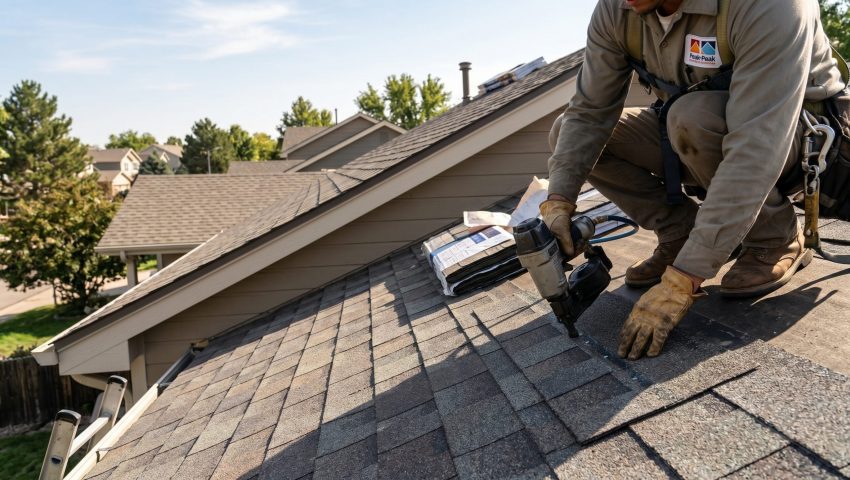
Installation coordination is where many rebate claims fail, even when homeowners did everything else correctly. Each program has specific installation requirements that must be documented during the work, not after. Utility rebates often require progress photos, federal tax credits need specific installation dates, and FORTIFIED programs require third-party inspections at certain milestones. Your contractor needs to understand these requirements upfront because retrofitting documentation or redoing work to meet standards can be expensive and time-consuming.
The most critical aspect is timing your inspections correctly. Some programs require pre-installation photos of existing conditions, while others need documentation during specific phases like deck preparation or underlayment installation. Municipal inspectors may need to verify compliance before certain materials are covered up. Missing these inspection windows can disqualify your entire rebate, regardless of how well the final installation meets program standards.
Installation Coordination
- Inspection Scheduling: Coordinate required inspections with your contractor’s timeline. Some programs need 48-72 hours notice for inspectors, so build these delays into your project schedule to avoid weather-related complications.
- Documentation Requirements: Ensure your contractor takes required photos, keeps material packaging with certification labels, and maintains installation logs that show compliance with manufacturer specifications and program standards.
- Material Verification: Have inspectors verify material specifications before installation begins. Once materials are installed, it’s often impossible to confirm ratings or certifications without destructive testing.
- Progress Reporting: Submit required progress reports or milestone documentation on schedule. Late submissions can delay rebate processing or result in program disqualification even if installation was completed correctly.
Stay in regular contact with both your contractor and rebate program coordinators throughout installation. Address any compliance issues immediately rather than hoping to resolve them later. Proper coordination during this phase ensures you’ll have all necessary documentation for successful rebate claims. With installation complete and properly documented, you’re ready to file your final rebate applications.
Step 4: Submit Final Applications and Track Your Claims
The final application phase is where attention to detail determines whether you receive full rebate amounts or face delays and reductions. Each program has different submission deadlines after installation completion, ranging from 30 days for some utility rebates to the end of the tax year for federal credits. Missing these deadlines means forfeiting rebates entirely, regardless of how well you completed earlier steps. Government energy programs typically require the most documentation, including final invoices, installation certificates, and sometimes post-installation energy usage data.
The most common submission errors involve incomplete invoices, missing installation dates, or documentation that doesn’t clearly link installed materials to approved specifications. Successful claims include detailed invoices showing material costs separately from labor, installation certificates signed by licensed contractors, and photos that clearly show installed products match approved specifications. Programs process claims in the order received, so complete applications submitted early typically receive faster payment than those requiring follow-up documentation.
Submission Checklist
- Final Invoices: Submit itemized invoices that separate material costs from labor, show installation dates, and include contractor license numbers. Many programs reject invoices that don’t clearly identify qualifying expenses.
- Installation Certificates: Obtain signed certificates from your contractor confirming installation meets manufacturer specifications and program requirements. Include any required inspection reports or compliance documentation.
- Photo Documentation: Provide clear photos showing installed materials, product labels, and overall roof condition. Include before and after shots if required by your specific programs.
- Follow-up Requirements: Submit any post-installation documentation like energy usage reports, warranty registrations, or maintenance schedules that programs require for final approval.
Track your submitted applications using provided reference numbers and follow up if you don’t receive confirmation within stated timeframes. Most rebates are processed within 6-12 weeks, but complex applications or peak season submissions can take longer. Keep all documentation for tax purposes and warranty claims. Successfully completing this process means you’ve maximized available incentives and can enjoy both your new roof and the savings you’ve earned through careful planning and execution.
Maximizing Your Roofing Investment Returns
Following this systematic approach to roofing rebates and incentives typically saves Colorado homeowners $2,000 to $8,000 on their roofing projects, with some solar installations earning back $15,000 or more through combined programs. The key to success is starting your research early, applying for pre-approval before selecting materials, and maintaining detailed documentation throughout the process. Most homeowners who miss out on rebates skip the research phase or apply too late in their project timeline.
Keep your rebate documentation organized for future reference, as some programs offer additional incentives for maintenance, upgrades, or insurance claim assistance down the road. Review available programs annually, as new incentives are frequently added and existing programs update their requirements. When you’re ready to move forward with your roofing project, consider working with contractors experienced in rebate programs to ensure you capture every available incentive opportunity.
Author
JJ Hedden is the owner of Peak to Peak Roofing with 15 years of experience helping Colorado homeowners navigate roofing rebates and incentive programs. Having guided over 6,000 homeowners through the rebate application process, he understands which programs deliver the best returns and how to avoid common application pitfalls. His expertise in coordinating installations with rebate requirements has helped clients secure millions in combined incentives across the Front Range.