
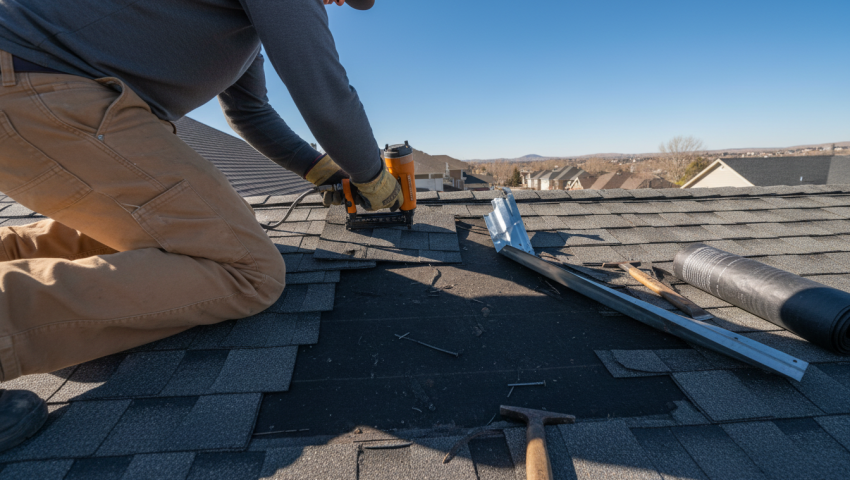
Denver homeowners typically underestimate roof installation costs by 30% when they overlook insurance coverage gaps and permit fees.
When your roof starts showing signs of wear in Denver, Colorado, the question isn’t whether you’ll need a replacement, it’s how much you should budget for it. Most homeowners get caught off guard by the true cost of roof installation, especially when they discover their insurance coverage doesn’t stretch as far as expected. The reality is that Denver’s unique climate conditions, from intense UV exposure to sudden hailstorms, create specific challenges that impact both material selection and installation costs.
Understanding the full financial picture before you start your roofing project can save you thousands of dollars and prevent project delays. From insurance deductibles and permit fees to material upgrades required by Denver’s building codes, there are multiple cost factors that many homeowners overlook during initial planning. This guide breaks down every expense you need to consider, helping you create a realistic budget that accounts for Denver’s specific requirements and seasonal challenges.
Key Takeaways
- Insurance Coverage: Most Denver homeowners pay 20-40% out of pocket even with full coverage due to deductibles, code upgrades, and material limitations in standard policies.
- Seasonal Pricing: Spring installation costs can be 25-35% higher than fall pricing due to peak demand following Denver’s hail season and limited contractor availability.
- Permit Requirements: Denver building permits range from $150-800 depending on project scope, with additional inspection fees that many homeowners forget to budget for initially.
- Material Upgrades: Denver’s altitude and wind exposure often require Class 4 impact-resistant shingles and upgraded fastening, adding $2,000-5,000 to standard material costs.
- Emergency Factors: Delaying repairs after damage can triple costs when structural issues develop, making immediate temporary protection a critical budget consideration for Denver homeowners.
Why Denver Hail Damage Quotes Vary by $8,000 Between Contractors
Denver sits in the heart of ‘Hail Alley,’ where severe storms can cause dramatically different damage patterns across a single neighborhood. What looks like minor granule loss to an untrained eye might actually be impact fractures that compromise your roof’s integrity, while obvious dents might be purely cosmetic. The difference in how contractors assess and price this damage creates the wide variation you see in repair quotes, with some focusing only on visible damage while others account for hidden structural issues.
The contractor’s approach to insurance claims also significantly impacts your final cost. Some work directly with adjusters to maximize coverage, while others provide basic estimates that leave homeowners responsible for supplements and code upgrades. Understanding these differences helps you evaluate quotes more effectively and avoid contractors who might lowball initial estimates only to hit you with change orders later in the project.
Here’s how different contractor approaches affect your total project cost:
| Contractor Type | Initial Quote | Final Cost | Insurance Recovery |
|---|---|---|---|
| Basic Repair | $8,500 | $12,000 | 65% |
| Insurance Specialist | $11,200 | $11,800 | 85% |
| Premium Service | $13,500 | $14,000 | 90% |
Quote Variables
- Damage Assessment: Experienced contractors use moisture meters and infrared cameras to detect hidden damage that increases repair scope and costs significantly.
- Insurance Integration: Contractors familiar with Xactimate pricing can identify recoverable items that inexperienced contractors might miss, reducing your out-of-pocket expense.
- Material Specifications: Class 4 impact-resistant shingles cost 15-25% more but often qualify for insurance discounts that offset the premium over time.
- Code Compliance: Denver’s updated wind resistance requirements mean some contractors include mandatory upgrades while others treat them as optional add-ons.
- Warranty Coverage: Full system warranties require specific installation methods and materials that some contractors skip to reduce their quoted price.
The lowest quote isn’t always the best value when it comes to hail damage repair in Denver. Contractors who thoroughly document damage, work within insurance guidelines, and include necessary code upgrades might quote higher initially but often deliver lower final costs. Ask each contractor to explain their assessment process and how they handle insurance claims to understand what’s really included in their pricing.
The Insurance Adjuster Meeting That Determines Your Out-of-Pocket Cost
Your insurance adjuster meeting is arguably the most important 30 minutes of your entire roofing project, yet most Denver homeowners show up unprepared. The adjuster’s initial assessment determines not just whether your claim gets approved, but how much of your roof replacement gets covered under your policy. What many homeowners don’t realize is that adjusters often focus on obvious damage and miss subtle indicators that could significantly increase your coverage.
The timing of this meeting also matters more than most people think. Scheduling too quickly after a storm might mean the adjuster can’t see the full extent of damage, while waiting too long could result in additional damage that complicates the claim. Having the right documentation and knowing what to point out during the inspection can mean the difference between a $3,000 deductible and a $15,000 out-of-pocket expense.
Meeting Preparation
- Photo Documentation: Take detailed photos of damage from multiple angles before the adjuster arrives, including close-ups of granule loss and impact marks.
- Interior Evidence: Document any interior water damage, stains, or leaks that support the claim for comprehensive roof replacement rather than spot repairs.
- Contractor Presence: Having a qualified contractor present during the inspection helps identify damage the adjuster might miss and ensures proper scope development.
- Code Upgrade Discussion: Bring up Denver’s current building code requirements early in the conversation to establish these as necessary covered expenses.
- Supplement Strategy: Understand that initial adjustments often miss items, and plan for a supplement process to capture additional necessary work.
The adjuster meeting sets the foundation for your entire claim, so preparation is essential. Many Denver homeowners find that having a contractor present during the inspection results in 20-30% higher initial settlements. Don’t treat this as a passive process where you wait for the adjuster’s decision, actively participate in identifying all damage and necessary repairs to maximize your coverage.
How Altitude and Wind Exposure Drive Up Material Requirements in Denver
Denver’s 5,280-foot elevation creates unique challenges that many homeowners underestimate when budgeting for roof installation. The thinner atmosphere means more intense UV radiation that degrades standard roofing materials faster than at sea level, while the altitude also affects how adhesives and sealants cure during installation. These factors often require upgraded materials that cost 15-25% more than basic options but provide necessary protection for Denver’s environment.
Wind exposure is another critical factor that varies dramatically across Denver’s diverse topography. Homes on the eastern plains face constant wind stress, while properties near the foothills deal with sudden downdrafts and turbulence. Metal roofing systems and enhanced fastening schedules become essential in these high-exposure areas, adding to material costs but preventing catastrophic failures during severe weather events.
Material Upgrades
- UV Protection: Enhanced granule coatings and reflective materials add $1,500-3,000 to material costs but extend roof life by 5-10 years in Denver’s intense sunlight.
- Wind Resistance: Upgraded fastening patterns and reinforced shingles meeting ASTM D7158 Class H standards cost more initially but prevent expensive wind damage repairs.
- Altitude Considerations: Specialized adhesives and sealants formulated for high-altitude curing add 10-15% to material costs but ensure proper installation performance.
- Thermal Movement: Enhanced underlayments and expansion joints accommodate Denver’s extreme temperature swings, preventing premature failure of standard materials.
- Hail Resistance: Class 4 impact-resistant materials cost 20-30% more but often qualify for insurance discounts that offset the premium over time.
While upgraded materials increase your upfront investment, they’re often necessary for long-term performance in Denver’s challenging climate. The cost difference between standard and high-performance materials typically pays for itself through extended lifespan and reduced maintenance needs. Factor these upgrades into your initial budget rather than treating them as optional add-ons.
The Three-Day Window When Emergency Tarping Becomes Permanent Damage
When severe weather damages your roof in Denver, you have approximately 72 hours to prevent what insurance companies call ‘secondary damage’ from becoming your financial responsibility. This three-day window is critical because moisture infiltration during this period can cause structural damage, mold growth, and interior destruction that your insurance policy might not cover. Many Denver homeowners underestimate how quickly water damage escalates, especially during spring when temperature fluctuations accelerate the damage process.
Emergency tarping isn’t just about keeping rain out, it’s about preserving your insurance coverage and preventing a manageable repair from becoming a major reconstruction project. Professional emergency services typically charge $800-2,000 for comprehensive tarping, but this investment can save you tens of thousands in uncovered secondary damage. The key is understanding when tarping is sufficient and when immediate repairs are necessary to protect your investment.
Here’s how response timing affects your total repair costs:
| Response Time | Tarping Cost | Secondary Damage | Total Cost |
|---|---|---|---|
| 0-24 hours | $1,200 | $500 | $12,700 |
| 24-72 hours | $1,500 | $3,500 | $16,000 |
| 3+ days | $2,000 | $15,000 | $28,000 |
Emergency Response
- Immediate Protection: Professional tarping within 24 hours prevents most secondary damage and maintains insurance coverage for storm-related repairs.
- Temperature Factors: Denver’s freeze-thaw cycles can triple water damage in exposed areas, making rapid response even more critical than in moderate climates.
- Coverage Preservation: Insurance policies typically require ‘reasonable efforts’ to prevent additional damage, making emergency tarping a necessary expense to maintain coverage.
- Structural Assessment: Emergency response includes evaluating structural integrity to prevent safety hazards and determine if immediate repairs are necessary.
- Documentation Requirements: Proper emergency response includes photo documentation and damage assessment that supports your insurance claim and prevents coverage disputes.
Emergency tarping might feel like an unexpected expense, but it’s actually one of the most cost-effective investments you can make after storm damage. The $800-2,000 cost of professional emergency protection typically prevents $10,000-50,000 in secondary damage that insurance won’t cover. Budget for emergency response as part of your overall roof maintenance plan, not as a surprise expense.
Why Spring Repair Scheduling Can Double Your Project Timeline
Denver’s spring season creates a perfect storm of roofing demand that can extend your project timeline from 2-3 weeks to 6-8 weeks or longer. The combination of hail damage from spring storms, insurance claim processing, and homeowners finally addressing winter damage creates a bottleneck that affects material availability, contractor scheduling, and even permit processing times. Understanding this seasonal pattern helps you plan around peak demand or budget for premium scheduling if you need faster completion.
Material shortages become particularly acute during spring months when suppliers struggle to keep up with sudden demand spikes. Specialty items like Class 4 impact-resistant shingles, premium underlayments, and custom flashing materials can face 4-6 week lead times during peak season. This extended timeline doesn’t just delay completion, it also increases your risk of additional weather damage while your roof remains vulnerable.
Seasonal Factors
- Contractor Availability: Peak season scheduling often requires 4-6 week lead times, with premium contractors booking 8-10 weeks in advance during busy periods.
- Material Shortages: Popular shingle colors and specialty materials face extended lead times, potentially delaying projects by 2-4 weeks during spring rush.
- Permit Processing: Denver’s building department experiences higher permit volumes during spring, extending approval times from 5-7 days to 2-3 weeks.
- Weather Windows: Spring’s unpredictable weather creates installation delays, with projects often requiring multiple weather-dependent scheduling adjustments.
- Insurance Backlogs: Adjuster availability and claim processing slow during peak storm seasons, potentially delaying project approval and material ordering.
If you need roof work completed during Denver’s spring season, expect to pay 15-25% more for expedited service or accept extended timelines for standard pricing. Consider scheduling non-emergency work for fall months when contractors offer better pricing and faster completion times. For urgent repairs, budget for premium scheduling costs and have backup plans for extended completion timelines.
The Permit Requirements Most Denver Homeowners Don’t Budget For
Denver’s building permit requirements for roof work are more complex than many homeowners realize, with costs that extend well beyond the basic permit fee. While a simple re-roof might only require a $150 permit, projects involving structural changes, solar integration, or code upgrades can trigger additional permits costing $500-800 or more. The permit process also includes mandatory inspections that can delay your project if your contractor isn’t prepared for Denver’s specific requirements.
What catches many homeowners off guard is that permit requirements often change based on the scope of work discovered during installation. A project that starts as simple shingle replacement might require structural permits if the contractor discovers damaged decking or inadequate framing. Commercial roofing projects face even more complex permitting requirements, with multiple inspection phases that can extend timelines significantly.
Permit Costs
- Basic Re-Roof: Standard permits range from $150-350 for straightforward shingle replacement, but additional fees apply for structural changes or code upgrades.
- Structural Work: Permits for deck replacement or framing repairs add $200-500 to project costs, with multiple inspection requirements extending timelines.
- Solar Integration: Combined roofing and solar projects require separate permits and inspections, adding $300-600 to total permitting costs.
- Code Compliance: Upgrading to current Denver building codes often triggers additional permit fees and inspection requirements not included in basic estimates.
- Inspection Scheduling: Multiple inspections required for complex projects can add 1-2 weeks to completion time, with re-inspection fees if work doesn’t pass initially.
Permit costs might seem like a small part of your overall budget, but the associated delays and requirements can significantly impact your project timeline and total cost. Work with contractors who understand Denver’s permitting process and factor these requirements into their initial estimates. Budget an extra 5-10% of project cost for permit-related expenses and timeline extensions.
When Partial Roof Replacement Costs More Than Full Replacement
Many Denver homeowners assume that replacing only the damaged section of their roof will save money, but this approach often backfires when you factor in matching challenges, warranty limitations, and future repair costs. Partial replacement requires finding materials that match your existing roof, which becomes increasingly difficult as manufacturers discontinue colors and styles. The labor cost per square foot for partial replacement is also typically 25-40% higher than full replacement due to the complexity of tie-in work and protection requirements.
Insurance coverage adds another layer of complexity to partial replacement decisions. While your adjuster might approve coverage for only the damaged area, the long-term cost of maintaining two different roof systems often exceeds the out-of-pocket cost of full replacement. Siding integration issues also arise when partial roof work affects adjacent exterior systems, creating additional expenses that many homeowners don’t anticipate during initial planning.
Cost Factors
- Material Matching: Finding exact matches for discontinued shingles can add 30-50% to material costs, with some colors requiring custom manufacturing runs.
- Labor Complexity: Partial replacement requires extensive protection and tie-in work, increasing labor costs by 25-40% compared to full replacement projects.
- Warranty Limitations: Mixed roof systems often void manufacturer warranties, leaving you responsible for future repairs that would otherwise be covered.
- Future Maintenance: Managing two different roof systems doubles inspection requirements and creates ongoing maintenance complexity that increases long-term costs.
- Resale Impact: Partial replacement can negatively affect home value and buyer perception, potentially costing more than full replacement when you sell.
Before choosing partial replacement to save money upfront, calculate the total cost of ownership over 10-15 years. Include material matching challenges, warranty limitations, and increased maintenance requirements in your analysis. Many Denver homeowners find that paying slightly more for full replacement provides better long-term value and eliminates the ongoing complexity of managing mixed roof systems.
Planning Your Denver Roof Investment
Budgeting for roof installation in Denver requires understanding the unique factors that drive costs in our high-altitude, weather-intensive environment. From insurance coverage gaps and permit requirements to seasonal pricing fluctuations and emergency response needs, successful roof projects depend on comprehensive financial planning that accounts for all potential expenses. The homeowners who fare best are those who budget conservatively, work with experienced contractors, and understand how Denver’s climate affects both material selection and installation requirements.
Your roof is one of your home’s most important investments, and proper budgeting ensures you get the protection and performance you need without financial surprises. Whether you’re dealing with hail damage, planning a proactive replacement, or managing emergency repairs, understanding these cost factors helps you make informed decisions that protect both your home and your budget. If you need help navigating insurance claims, material selection, or project planning for your Denver roof installation, we can guide you through the process and ensure your investment delivers long-term value.
Author
JJ Hedden is the owner of Peak to Peak Roofing with 15 years of experience helping Denver homeowners navigate the complexities of roof installation budgeting and insurance claims. Having overseen 6,000 roofing projects across Colorado’s Front Range, he understands how Denver’s unique climate conditions, seasonal demand patterns, and local building requirements affect project costs and timelines. His expertise in insurance claim management and cost optimization has helped countless homeowners maximize their coverage while minimizing out-of-pocket expenses.