
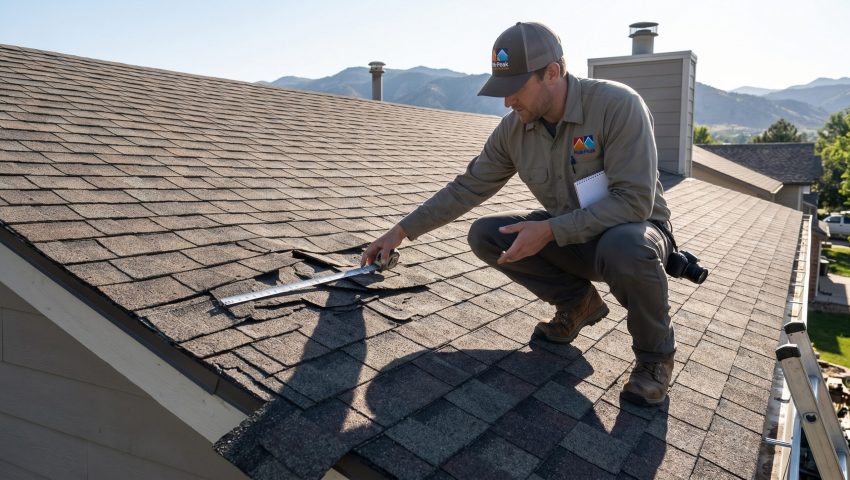
Most homeowners accept the first roofing estimate without negotiating. Smart preparation and strategic discussions can save thousands while ensuring better quality.
When you need to negotiate with roofing contractor services, most homeowners feel intimidated and accept the first quote they receive. This passive approach often leads to overpaying for unnecessary work, unclear project scope, and surprise costs that emerge during installation. The reality is that roofing contractors expect negotiation, and those who don’t engage in this process miss opportunities to secure better pricing, clearer terms, and higher quality materials. Whether you’re dealing with storm damage in Denver or planning a proactive replacement in Castle Pines, understanding how to approach these conversations strategically puts you in control of both the project outcome and your budget.
This guide walks you through the complete process of preparing for and conducting effective negotiations with roofing contractors across Colorado’s Front Range. You’ll learn how to gather the right information before any conversation begins, structure discussions that lead to fair pricing, and secure contract terms that protect your interests throughout the project. By the end, you’ll approach contractor meetings with confidence, knowing exactly what questions to ask and which points are worth negotiating versus which represent industry standards you should accept.
Step 1: Research Market Rates and Gather Multiple Estimates
Before you can effectively negotiate with roofing contractor pricing, you need baseline knowledge of current market rates in your area and at least three detailed estimates for comparison. Start by requesting quotes from contractors serving Denver, Aurora, Littleton, and surrounding areas, ensuring each estimate breaks down labor, materials, and additional costs separately rather than providing a single lump sum. This detailed breakdown becomes your negotiation foundation because it reveals where pricing differences occur and which line items offer the most flexibility. Understanding negotiation principles helps you approach these conversations strategically rather than emotionally.
Many homeowners make the mistake of collecting estimates without standardizing the scope, leading to quotes that compare different work entirely and making meaningful negotiation impossible. Request that each contractor specify the same materials (such as GAF Timberline HDZ or equivalent), identical tear-off procedures, and consistent warranty terms so you’re truly comparing apples to apples. When estimates vary significantly, dig into the details to understand whether one contractor is cutting corners or another is padding costs, as both scenarios give you leverage in negotiations. This preparation phase typically takes two weeks but saves thousands in the final contract price.
Step 2: Verify Contractor Credentials and Insurance Coverage
Smart negotiation starts with confirming you’re dealing with legitimate, properly insured contractors who can actually deliver on their promises. Contractors without proper licensing, bonding, or insurance coverage often offer suspiciously low bids because they’re cutting essential business costs, but working with them puts your property and finances at serious risk. Before entering any pricing discussions, verify each contractor’s license status through Colorado’s Department of Regulatory Agencies, confirm their liability insurance covers at least $1 million in damages, and check that their workers’ compensation is current and adequate for your project size.
This verification process gives you significant negotiating power because properly licensed and insured contractors understand they’re competing against legitimate businesses, not unlicensed operators who can undercut pricing by avoiding legal requirements. When contractors know you’ve done your homework on hiring contractors, they’re more likely to provide honest estimates and negotiate in good faith. The verification step also protects you from contractors who might disappear after collecting deposits or who lack the financial stability to complete larger projects.
Essential Verifications
- License Status: Check Colorado DORA website for active contractor license and any disciplinary actions or complaints filed against the business.
- Insurance Certificates: Request current certificates showing general liability ($1M minimum) and workers’ compensation coverage directly from their insurance provider.
- Better Business Bureau: Review BBB rating and read recent complaint patterns to identify potential red flags before negotiations begin.
- Local References: Contact three recent customers in Denver, Boulder, or nearby areas to verify work quality and contractor reliability.
- Financial Stability: Confirm the contractor has been in business locally for at least three years and maintains a physical office address.
Once you’ve verified credentials, you’ll negotiate from a position of confidence knowing you’re working with legitimate professionals who can stand behind their work. This foundation also means any agreements you reach will be enforceable and backed by proper insurance coverage. With credentials confirmed, you’re ready to move into the technical evaluation phase where you’ll assess the actual scope and quality of work being proposed.
Step 3: Analyze Scope Details and Material Specifications
The most effective negotiation leverage comes from understanding exactly what work is included in each estimate and identifying where contractors have made different assumptions about scope or material quality. Many homeowners focus only on the bottom-line price, but experienced negotiators examine line-item details to find discrepancies in tear-off procedures, underlayment specifications, flashing work, and cleanup responsibilities. For example, one contractor might include synthetic underlayment while another specifies felt, or one might plan to replace all step flashing while another assumes existing flashing is reusable.
These scope differences create opportunities to negotiate upgrades, adjustments, or price reductions based on standardizing the work across all bids. When you can demonstrate that Contractor A includes ice and water shield coverage that Contractor B omitted, you have concrete grounds to request either a price reduction from A or scope addition from B. The goal isn’t to find the cheapest option but to ensure you’re comparing equivalent work quality and getting fair value for the specific scope you actually need.
Here’s a comparison of common scope variations and their typical impact on pricing:
| Scope Item | Standard Option | Upgrade Option | Price Impact* |
|---|---|---|---|
| Underlayment | 15lb Felt | Synthetic | $150-300 increase |
| Ice Barrier | 3ft from edge | 6ft from edge | $200-400 increase |
| Flashing | Reuse existing | Replace all | $300-600 increase |
| Ventilation | Match existing | Optimize airflow | $400-800 increase |
| Cleanup | Basic removal | Daily + final sweep | $100-250 increase |
*Illustrative costs. Actual costs may vary.
Scope Comparison Points
- Tear-Off Layers: Verify how many existing layers each contractor plans to remove and whether disposal costs are included in the base price.
- Underlayment Type: Compare synthetic versus felt specifications and coverage areas, as synthetic typically costs more but performs better long-term.
- Flashing Details: Check whether estimates include replacement of step flashing, valley flashing, and chimney work or assume existing components are reusable.
- Ventilation Upgrades: Identify differences in ridge vent installation, soffit vent additions, or attic ventilation improvements included in each bid.
- Cleanup Standards: Confirm what cleanup is included, from daily debris removal to final magnetic sweeps and landscaping protection measures.
With scope details clearly understood, you can now engage in meaningful negotiations about what work is truly necessary versus what represents upgrades or cost-cutting measures. This analysis also reveals which contractors have thoroughly assessed your roof’s needs versus those who provided generic estimates. Armed with this information, you’re ready to begin the actual negotiation conversations with a clear understanding of where flexibility exists.
Step 4: Time Your Negotiations for Maximum Leverage
Timing significantly impacts your negotiating position, with certain seasons and circumstances providing much more flexibility than others in contractor pricing and scheduling. Late fall and winter months typically offer the best negotiating opportunities in Colorado because demand drops after storm season ends, contractors want to keep crews busy during slower periods, and you’re not competing with homeowners facing urgent storm damage deadlines. Conversely, trying to negotiate during peak hail season (May through August) when contractors are overwhelmed with insurance work often results in higher prices and less willingness to adjust terms.
Beyond seasonal timing, your specific situation also affects negotiating power. If you’re planning a proactive replacement rather than responding to storm damage, you have more time to compare options and can schedule work during contractors’ slower periods for better pricing. However, if you’re dealing with active leaks or recent storm damage in areas like Thornton, Arvada, or Westminster, focus negotiations on scope accuracy and timeline rather than aggressive price reductions, since emergency work commands premium pricing but you still want to ensure fair terms.
Step 5: Structure Payment Terms and Contract Protections
Payment terms represent one of the most critical negotiation points because they determine both your financial risk and the contractor’s incentive to complete work properly and on schedule. Many contractors request large upfront payments or front-load payment schedules heavily, but experienced homeowners negotiate terms that tie payments to completed work milestones and include protections against poor performance or project abandonment. The key is structuring payments so the contractor always has more to gain by completing the work than by walking away, while ensuring you’re not funding material purchases or overhead costs before work begins.
Beyond payment timing, negotiate contract language that protects you from common issues like cost overruns, timeline delays, and change order disputes that frequently arise during roofing projects. Include specific provisions for how additional work will be priced and approved, what happens if weather delays extend the timeline, and how warranty claims will be handled after project completion. These protections become especially important when working with contractors across Denver’s metro area where project coordination and material delivery can face weather-related challenges.
Payment Protections
- Milestone Structure: Tie payments to completed work phases rather than calendar dates, with no more than 10% down and final payment held until inspection approval.
- Lien Waivers: Require conditional lien waivers with each payment to protect against subcontractor claims and material supplier liens on your property.
- Change Order Process: Establish written approval requirements for any additional work with pricing confirmed before proceeding rather than after completion.
Well-structured payment terms and contract protections create a framework where both you and the contractor have clear expectations and appropriate incentives to complete the project successfully. These terms also provide recourse if issues arise during construction, giving you leverage to resolve problems quickly. With payment structure negotiated, you can focus on finalizing material specifications and warranty terms that ensure long-term satisfaction with your investment.
Step 6: Negotiate Material Upgrades and Warranty Extensions
Material selection offers significant negotiation opportunities because contractors often have flexibility in product lines and can sometimes secure better pricing on upgrades than homeowners expect. Rather than automatically accepting the base-level materials in initial estimates, explore options for upgrading to impact-resistant shingles, enhanced underlayment, or improved flashing systems that provide better long-term performance in Colorado’s challenging climate. Contractors frequently have preferred relationships with manufacturers like GAF, Owens Corning, or CertainTeed that allow them to offer competitive pricing on upgraded product lines.
Warranty terms also represent valuable negotiation points, particularly the distinction between manufacturer warranties on materials and contractor warranties on workmanship. Many contractors offer standard one-year workmanship warranties, but you can often negotiate extensions to two or three years, especially if you’re accepting a higher-priced estimate or scheduling work during their slower season. Additionally, some manufacturers offer enhanced warranties when specific installation requirements are met, creating opportunities to negotiate for certified installation practices that unlock longer coverage periods.
Here’s a breakdown of common material upgrades and their typical negotiation potential:
| Upgrade Type | Cost Increase | Negotiation Potential | Long-term Value |
|---|---|---|---|
| Class 4 Shingles | 15-25% | High | Insurance discounts + durability |
| Synthetic Underlayment | 5-10% | Medium | Better weather resistance |
| Enhanced Ventilation | 8-15% | High | Energy savings + roof life |
| Premium Flashing | 3-8% | Medium | Reduced maintenance needs |
| Extended Warranty | 2-5% | High | Peace of mind + protection |
Upgrade Opportunities
- Impact Resistance: Negotiate upgrades to Class 4 impact-resistant shingles for better hail protection, often with insurance premium discounts offsetting costs.
- Synthetic Underlayment: Push for synthetic rather than felt underlayment, emphasizing long-term performance benefits and reduced callback risk for the contractor.
- Enhanced Flashing: Request upgrade to heavier gauge or coated metal flashing systems that resist Colorado’s freeze-thaw cycles more effectively.
- Ventilation Optimization: Negotiate comprehensive ventilation improvements including ridge and soffit vents to prevent ice dam formation and extend roof life.
- Extended Warranties: Secure longer workmanship warranties (2-3 years) and ensure manufacturer warranty registration for maximum material coverage periods.
Material and warranty negotiations often provide the best value improvements because they enhance long-term performance without dramatically increasing project costs. These upgrades also demonstrate that you’re focused on quality and longevity rather than just lowest price, which encourages contractors to provide their best work. With materials and warranties finalized, you’re ready to complete the contract finalization process with clear terms and mutual expectations.
Step 7: Finalize Contract Terms and Project Timeline
The final negotiation phase focuses on contract language, project timeline, and performance guarantees that protect your interests while ensuring the contractor can complete the work profitably and professionally. This is where you’ll address details like start dates, weather delay policies, cleanup standards, and permit responsibilities that can significantly impact your experience during the project. Many homeowners rush through this phase because they’re eager to get started, but taking time to negotiate clear terms prevents most disputes and ensures smooth project execution.
Pay particular attention to timeline commitments and weather-related delay policies, which are especially important for roofing work in Colorado where sudden storms or temperature changes can halt progress for days. Negotiate realistic completion timeframes that account for typical weather patterns while including provisions for how delays will be handled and communicated. Also establish clear standards for daily cleanup, property protection, and site safety that reflect your expectations and the contractor’s professional obligations.
Final Terms
- Start Date Commitment: Secure specific start dates with penalties for contractor delays while allowing reasonable weather-related postponements.
- Daily Operations: Establish work hours, site access requirements, and daily cleanup standards that respect your property and neighborhood.
- Permit Responsibility: Clarify who obtains permits and handles inspections, with most reputable contractors managing this process as part of their service.
- Property Protection: Require specific measures for protecting landscaping, vehicles, and adjacent structures during tear-off and installation phases.
- Final Inspection: Include municipal inspection requirements and your own walk-through approval before final payment release and project completion.
With all terms negotiated and documented, you’ll have a comprehensive contract that protects your interests while giving the contractor clear expectations for successful project completion. This thorough approach to contract negotiation reduces the likelihood of disputes and ensures both parties understand their responsibilities throughout the project. A well-negotiated contract sets the foundation for a successful roofing project that meets your quality expectations, timeline needs, and budget requirements.
Securing Your Best Roofing Investment
You now have a complete framework for negotiating effectively with roofing contractors, from initial research through final contract terms. This systematic approach helps you secure fair pricing, appropriate materials, and protective contract terms while building a professional relationship with your chosen contractor. Remember that successful negotiation isn’t about getting the lowest possible price, but about ensuring you receive excellent value for the specific work your roof requires.
As you move forward with your roofing project in Denver or surrounding areas, maintain open communication with your contractor throughout the installation process and don’t hesitate to address concerns as they arise. For professional residential roofing services or expert guidance on your specific project needs, experienced contractors can help you navigate both the negotiation process and the technical requirements of your roof replacement or repair.
Author
JJ Hedden is the owner of Peak To Peak Roofing with 15 years of experience helping Colorado homeowners navigate roofing decisions and contractor relationships. Having overseen over 6,000 roofing projects across Denver’s metro area, he understands both the homeowner’s perspective on fair pricing and the contractor’s operational realities that influence negotiation outcomes. His approach emphasizes building win-win relationships that result in quality installations and satisfied customers.