
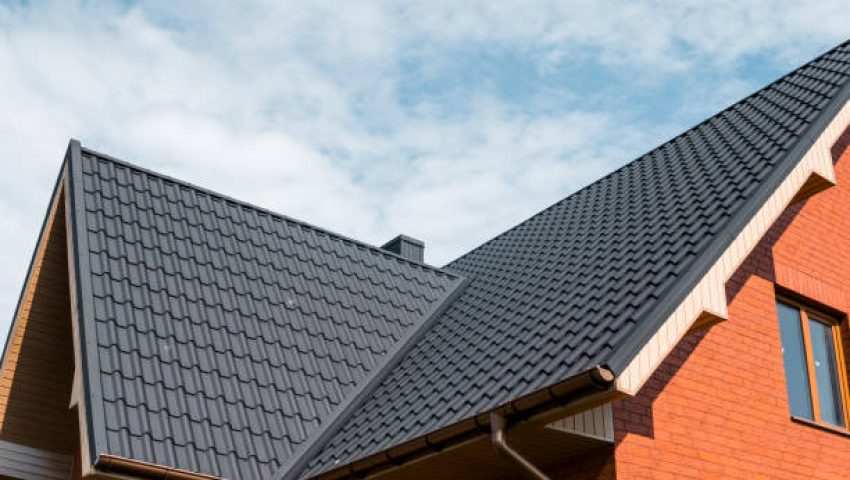
Choosing a roof feels like a big gamble, especially when the price tag isn’t the only thing on the line.
In this post we unpack the numbers, the hidden costs, and the performance quirks that most homeowners overlook.
Metal roofs often start higher but last longer, while shingles cost less up‑front but may need replacement sooner. The true value depends on climate, maintenance and installation quality.
If you live in Denver, Aurora, Centennial or Englewood, the local climate throws snow, hail and intense sun at your roof every year.
We’ll walk through the price breakdown, explain why deck preparation matters, and show how a well‑installed metal roof can save you money over decades.
Why Most Metal Roof Noise Complaints Trace Back to Deck Prep
Homeowners in Denver often complain that metal roofs sound like rain on a tin roof, but the real culprit is usually the deck surface beneath the panels.
If the deck isn’t flat, dry or properly insulated, panels vibrate and amplify wind noise, turning a quiet night into a rattling experience.
Key factors that influence roof‑noise levels
| Factor | Impact on Noise | Best Practice |
|---|---|---|
| Deck Flatness | High vibration | Use laser‑leveling before panel placement |
| Insulation Gaps | Medium resonance | Install continuous rigid board underlayment |
| Fastener Type | Low to high | Prefer concealed clips for standing seam |
| Underlayment | Low to medium | Select high‑temperature synthetic membrane |
| Roof Pitch | Variable | Maintain minimum 2:12 slope for standing seam |
Noise Sources
- Deck Flatness: Uneven decking creates gaps that let panels flex, producing louder wind gusts that can be heard inside the house.
- Insulation Gaps: Missing or compressed insulation lets sound travel through the roof cavity, magnifying the metallic echo.
- Fastener Type: Exposed fasteners transmit vibration directly to the deck, while concealed clips dampen noise by allowing movement.
- Underlayment Choice: Low‑temperature synthetic underlayment absorbs sound better than thin felt, reducing the overall noise level.
- Roof Pitch: Very low slopes increase panel flex, especially in high‑wind areas like the Front Range, leading to louder acoustics.
Addressing these deck‑level issues during installation can turn a noisy roof into a quiet, comfortable space, and it also helps prevent water intrusion that often follows the same gaps.
The Fastener Pattern Decision That Determines 20‑Year Performance
Fasteners are the silent heroes that keep a metal roof glued to the structure, yet the pattern you choose can make or break a two‑decade lifespan.
In Denver’s wind corridors, the spacing and type of fastener dictate how well the roof resists uplift and fatigue.
Fastener Choices
- Clip Spacing: Clips placed every 12‑18 in provide consistent support, reducing panel flex under wind loads common in the Front Range.
- Screw Length: Over‑drilling can strip the deck, while too‑short screws fail to hold against uplift; the sweet spot is 1‑½ in for 24‑ga steel.
- Washer Material: Neoprene washers cushion movement and prevent water seepage, especially where temperature swings cause expansion.
- Corrosion‑Resistant Screws: Galvanized or stainless‑steel screws avoid galvanic reactions with aluminum panels, extending fastener life.
- Pattern Alignment: Aligning fasteners with roof joists distributes load evenly, a practice that complies with ASTM E1592 wind uplift testing.
Choosing the right fastener pattern isn’t just a cost decision; it’s a structural one that determines whether your roof stays tight through 20 years of snow, hail and wind.
How Thermal Movement in Standing Seam Panels Actually Works
Metal expands and contracts with temperature changes, a fact that surprises many homeowners who think a roof is a static shell.
Standing seam systems are engineered to let panels slide over clips, absorbing movement without cracking or oil‑canning.
Thermal Mechanics
- Expansion Rate: Steel expands roughly 0.006 in per foot for every 100 °F rise, a movement that adds up on a 30‑ft roof span.
- Floating Clips: Clips that float on the panel edge allow a 1‑2 mm slide, preventing stress buildup that could warp panels.
- Panel Gauge: Thicker gauges (22‑24) resist denting but are less forgiving to movement; lighter gauges (26) flex more easily.
- Sealant Flexibility: Silicone‑based sealants maintain elasticity, keeping joints watertight despite repeated thermal cycles.
- Roof Pitch Influence: Steeper slopes shed snow faster, reducing the weight that can magnify thermal stresses on low‑slope installations.
Understanding this movement helps you appreciate why a properly installed standing seam roof feels solid even when the sun heats the panels to 150 °F.
What Causes Paint to Fail on Metal Roofs Within Five Years
A fresh coat of paint looks great, yet many homeowners in Boulder and surrounding towns see fading or chalking in just a few seasons.
The culprits are often environmental and installation choices that accelerate coating breakdown.
Failure Triggers
- UV Exposure: High altitude in Denver means UV intensity is 15 % higher than at sea level, breaking down low‑quality pigments quickly.
- Improper Surface Prep: Skipping abrasive cleaning leaves oil or rust that prevents paint adhesion, leading to premature peeling.
- Moisture Traps: Water that seeps behind the coating creates blistering, especially where flashing isn’t sealed correctly.
- Incompatible Coatings: Applying an acrylic paint over a PVDF‑pre‑coated panel causes chemical incompatibility and rapid fading.
- Temperature Cycling: Rapid heating and cooling cause micro‑cracks in the paint film, allowing moisture ingress and rust formation.
Choosing a high‑performance PVDF coating, like the one described by the Metal Construction Association, and ensuring proper surface preparation can keep the roof looking vibrant for decades.
Why Hidden Fastener Systems Cost More Upfront But Less Over Time
Concealed fasteners add to material and labor costs, yet they often prove cheaper in the long run because they reduce maintenance and water intrusion.
In the Denver metro area, where wind uplift can exceed 100 psf, hidden systems provide a tighter seal.
Hidden Benefits
- Water Tightness: Concealed clips eliminate exposed screw heads, removing a common path for leaks during snow melt.
- Aesthetic Appeal: A smooth roof surface improves reflectivity, enhancing cool‑roof performance and lowering cooling bills.
- Corrosion Prevention: With no fastener heads exposed, there’s less chance of rust forming at the panel‑fastener interface.
- Longevity: Studies from the Building America Solution Center show hidden‑fastener roofs retain their warranty for up to 30 years.
- Resale Value: Buyers often pay a premium for homes with low‑maintenance, visually clean roofs, offsetting the initial expense.
While the price tag may be higher at the start, the reduced repair frequency and energy savings make hidden fastener systems a smart financial choice for Colorado homeowners.
The Ventilation Detail Most Metal Roof Specs Get Wrong
Ventilation is the silent partner of a roof system, yet many specifications overlook proper ridge and soffit vent sizing, especially on metal decks.
Poor airflow can trap heat, leading to premature coating breakdown and reduced energy efficiency.
Typical vent sizing guidelines for metal roofs
| Roof Area (sq ft) | Ridge Vent (in) | Soffit Vent (sq ft) |
|---|---|---|
| 1,000 | 12‑14 | 6‑8 |
| 2,000 | 18‑20 | 12‑14 |
| 3,000 | 24‑26 | 18‑20 |
Ventilation Essentials
- Ridge Vents: A continuous ridge vent that matches the roof width provides balanced exhaust, preventing hot spots under metal panels.
- Soffit Openings: Minimum 1 sq ft of soffit vent per 150 sq ft of attic space ensures fresh air intake, a guideline from the Whole Building Design Guide.
- Snow Guard Placement: Properly spaced snow guards allow meltwater to drain without blocking vent pathways, a common oversight in snowy Denver neighborhoods.
- Air Barrier Integration: Installing an airtight membrane beneath the metal deck works with vents to control moisture migration.
- Code Alignment: ASCE 7 wind‑zone requirements dictate vent sizing for structures above 5,000 sq ft, a factor often missed in residential plans.
Getting ventilation right the only extends the roof’s lifespan but also improves indoor comfort, a win for families across Aurora, Englewood and the surrounding suburbs.
When a Metal Roof Makes Your Home Harder to Insure
Insurance companies love low‑risk homes, yet certain metal roof choices can raise red flags that lead to higher premiums or coverage exclusions.
Understanding these triggers helps you avoid surprise costs when you file a claim.
Insurance Triggers
- Impact Rating: Panels without a UL 2218 Class 4 rating may be deemed insufficient for hail‑prone areas, prompting higher rates.
- Fire Classification: While metal is non‑combustible, a low‑quality coating can melt under extreme heat, affecting fire‑risk assessments.
- Installation Quality: Poor flashing or missing ice‑and‑water shield can cause water damage, a common cause for claim denials.
- Roof Pitch: Very low slopes (<2:12) are harder to inspect and may be classified as higher risk by insurers.
- Warranty Gaps: Missing manufacturer‑approved fasteners can void warranties, leading insurers to treat the roof as unprotected.
Choosing a certified installer who follows the guidelines from the Metal Roofing Alliance and using high‑impact panels can keep your premiums steady and your coverage solid.
Balancing Cost and Longevity
We’ve walked through the price differences, the hidden installation details and the performance factors that shape a roof’s life in Denver, Aurora and Englewood.
By focusing on proper deck prep, the right fastener pattern and high‑quality coatings, you can turn a higher‑priced metal roof into a long‑term savings engine.
Author
JJ Hedden is the owner of Peak To Peak Roofing and has spent 15 years guiding Colorado homeowners through roof selections and installations. His hands‑on experience with metal systems across the Front Range gives him a practical view of what truly matters when comparing metal roofs to shingles.