Quick Answer: Seasonal weather patterns directly influence when and how warehouse roof maintenance should occur, with certain repairs best performed during specific conditions to ensure proper material adhesion and long-term performance.
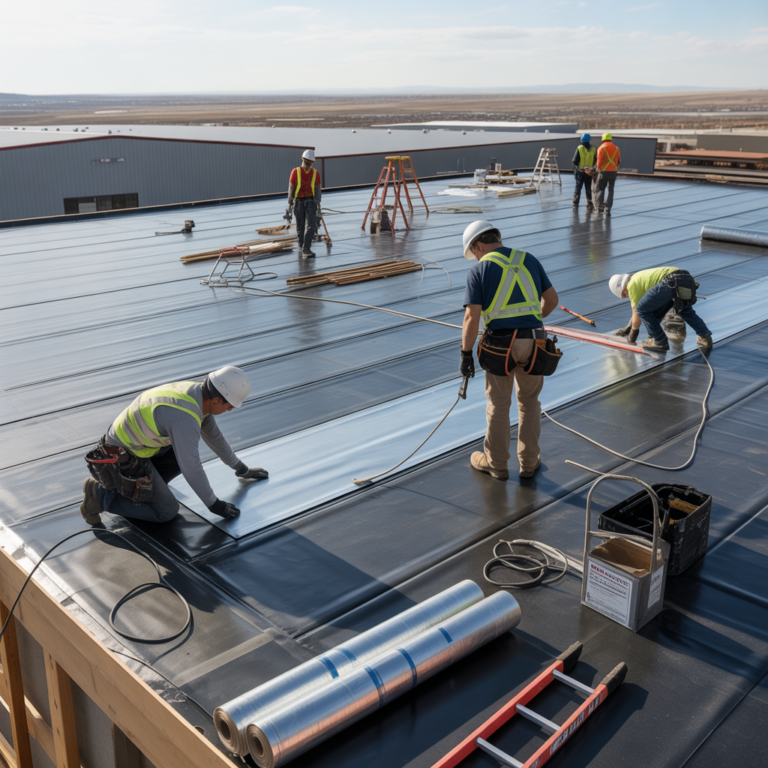
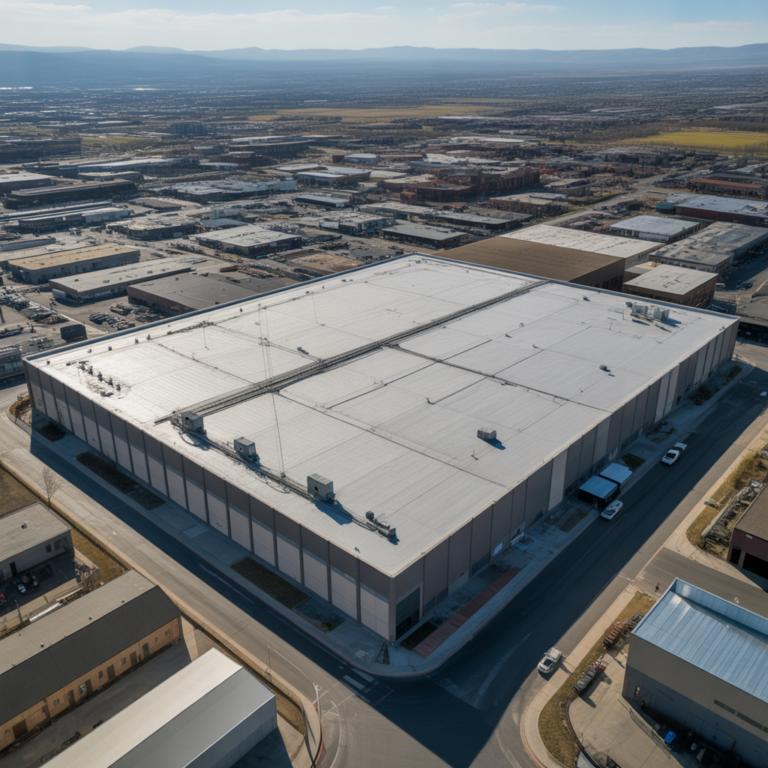
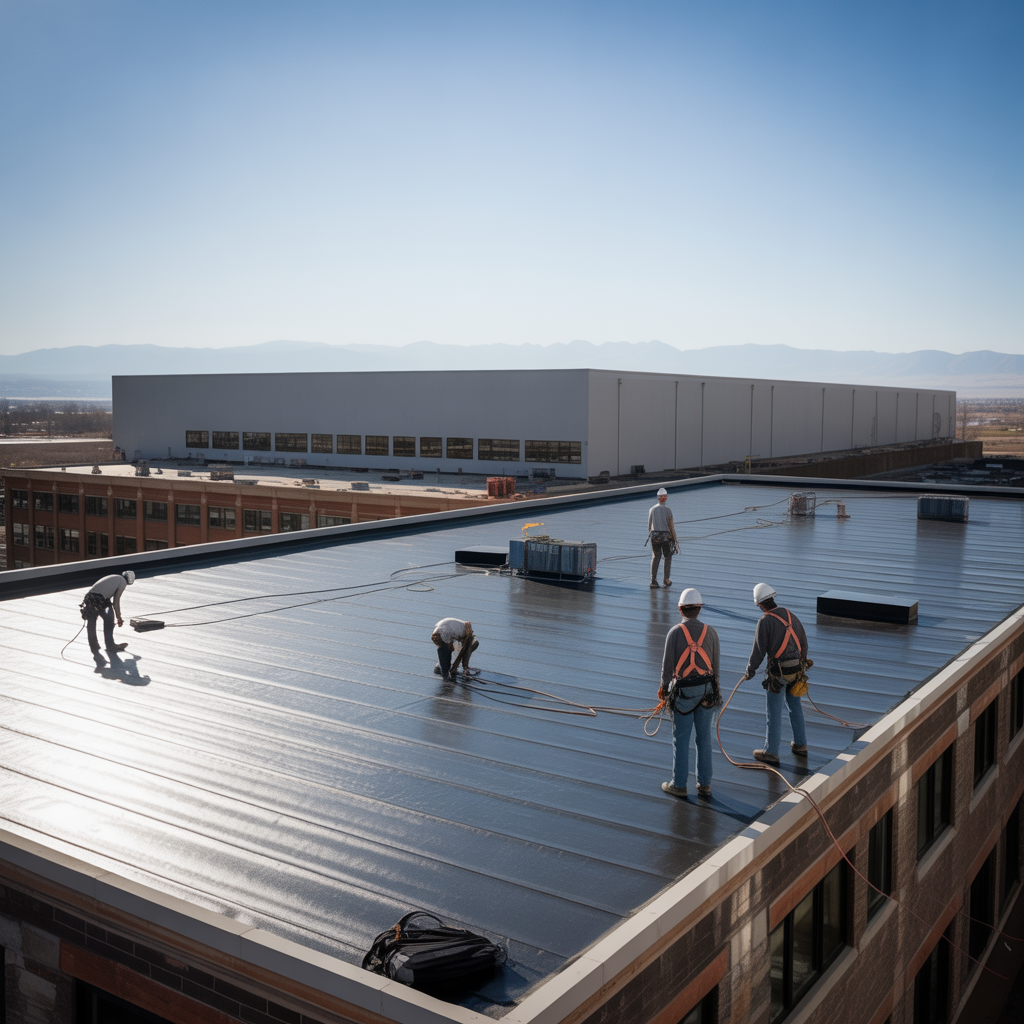
Weather plays a decisive role in warehouse roofing maintenance planning. Unlike smaller commercial properties, warehouses present massive surface areas that require extended work periods, making weather windows critical for successful repairs and installations. Temperature fluctuations, precipitation, humidity levels, and wind conditions all affect material performance and application methods. Facility managers who understand these relationships can schedule preventive maintenance during optimal conditions, avoiding emergency repairs during harsh weather when costs escalate and options become limited.
Climate Considerations That Drive Maintenance Timing:
- Temperature-Dependent Materials: Single-ply membranes, coatings, and adhesives require specific temperature ranges for proper curing and bonding, with cold weather slowing chemical reactions and extreme heat causing premature drying that compromises integrity.
- Moisture and Application Success: Rain, snow, and high humidity prevent proper installation of most roofing systems, while morning dew on warehouse roofs can delay start times by several hours until surfaces dry sufficiently for work to begin.
- Wind Exposure on Large Spans: Warehouse roofs experience greater wind uplift forces than smaller buildings, making windy conditions dangerous for workers and materials while potentially damaging partially completed installations across expansive roof areas.
- Freeze-Thaw Cycle Damage: Regions experiencing repeated freezing and thawing see accelerated deterioration in roof penetrations, seams, and drainage systems, requiring pre-winter inspections and post-winter assessments to catch developing problems early.
Smart facility managers coordinate with roofing professionals to establish seasonal inspection routines that align with local climate patterns. Spring and fall often provide ideal conditions for major projects, while summer heat may limit certain applications and winter cold restricts others. Proactive scheduling during favorable weather windows prevents the costly scenario of emergency repairs during storms or temperature extremes when options narrow and expenses multiply.