
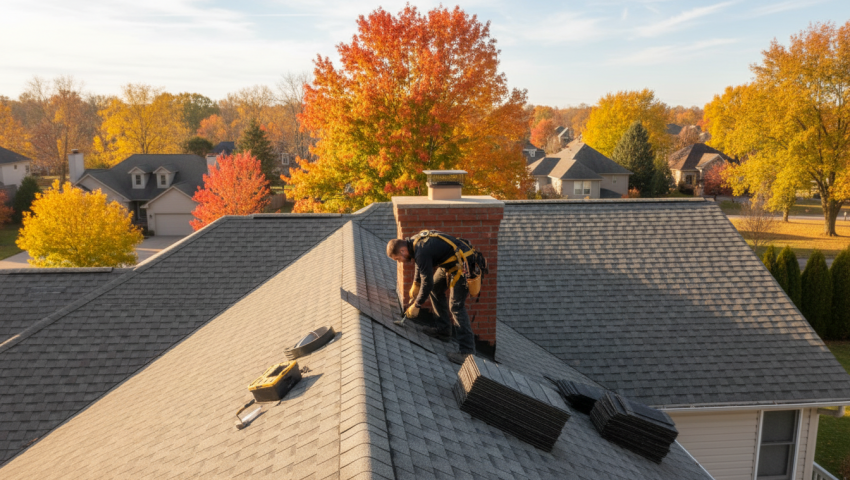
Expert Insight: Fall offers the best value and weather stability for roof repairs. Spring work costs 40% more due to demand spikes.
You’ve noticed a leak or spotted damaged shingles, and now you’re wondering when to schedule that roof repair. Most Denver homeowners think any dry day will work, but the reality is far more complex. The timing of your roof repair can dramatically affect both the quality of the work and your wallet, with seasonal price swings reaching 40% between peak and off-peak periods.
Here in Denver, Colorado, our unique climate creates specific windows where repairs work best and others where they’re practically guaranteed to fail. From temperature requirements for proper shingle sealing to contractor availability fluctuations, understanding these patterns helps you avoid costly mistakes and ensures your repair actually lasts. You’ll discover the hidden costs of poor timing and learn exactly when to schedule work for maximum value and durability.
Key Takeaways
- Fall Advantage: September through early November offers the best combination of stable weather, lower costs, and contractor availability for quality roof repairs in Denver.
- Temperature Critical: Asphalt shingles require temperatures above 45°F to properly seal and adhere, making winter repairs risky and often ineffective long-term.
- Spring Premium: March through May repairs cost 40% more due to post-winter damage discovery and high contractor demand from storm-season preparation.
- Emergency Timing: Storm damage repairs should begin with immediate tarping, but permanent fixes need 48-72 hour dry forecasts to ensure proper installation and curing.
- Insurance Windows: Filing claims within 12 months of damage and scheduling repairs during off-peak seasons maximizes coverage and minimizes out-of-pocket expenses significantly.
Why Spring Roof Repairs Cost 40% More Than Fall Work
Spring hits Denver like a freight train of roofing demand. After months of snow, ice dams, and freeze-thaw cycles, homeowners suddenly discover leaks, missing shingles, and damaged flashing all at once. This creates a perfect storm of high demand and limited contractor availability that drives prices through the roof. What you don’t realize is that everyone else is discovering the same problems at exactly the same time, creating a bidding war for qualified crews.
The economics are brutal but predictable. Contractors know they can charge premium rates during March through May because desperate homeowners will pay almost anything to stop an active leak. Meanwhile, material costs spike as suppliers struggle to keep up with sudden demand surges. According to industry data on seasonal pricing, spring repairs consistently cost 35-45% more than identical work performed in fall, and that’s before you factor in emergency service premiums.
Cost Drivers
- Demand Surge: Winter damage reveals itself simultaneously across Denver, creating intense competition for available contractors and driving up labor costs significantly.
- Material Premiums: Spring supply shortages from nationwide demand spikes add 15-25% to material costs compared to fall inventory levels and pricing.
- Emergency Rates: Active leaks force homeowners to accept premium pricing rather than wait for better rates, often paying 50% more for immediate service.
- Crew Scarcity: Top contractors book solid through spring, leaving only inexperienced or overpriced options for last-minute repairs and emergency calls.
- Weather Delays: Spring’s unpredictable weather creates scheduling chaos, with contractors charging rush fees to accommodate tight windows between storm systems.
Smart homeowners recognize this pattern and plan accordingly. If your roof isn’t actively leaking, waiting until fall can save thousands while ensuring better contractor selection and weather conditions. The key is distinguishing between true emergencies that can’t wait and repairs that can be strategically timed for maximum value and quality outcomes.
The Weather Window Most Homeowners Miss Completely
There’s a magical 6-8 week period in Denver that most homeowners completely overlook for roof repairs. Late September through early November offers consistently mild temperatures, minimal precipitation, and stable weather patterns that create ideal working conditions. During this window, daytime temperatures hover between 55-75°F, perfect for shingle sealing and sealant curing, while nighttime lows rarely drop below freezing to disrupt the process.
What makes this period special isn’t just the weather, it’s the predictability. Unlike spring’s volatile temperature swings and surprise snowstorms, fall weather in Denver follows reliable patterns. Contractors can confidently schedule multi-day projects knowing they won’t face sudden weather shutdowns. This stability allows for proper installation procedures, adequate cure times, and thorough quality checks that rushed spring repairs often skip.
Here’s how Denver’s seasonal weather patterns affect roofing work quality and scheduling:
| Season | Avg Temperature | Precipitation | Work Quality |
|---|---|---|---|
| Spring | 45-65°F | 2.8 inches | Variable – weather delays |
| Summer | 75-90°F | 1.8 inches | Good – but material stress |
| Fall | 55-75°F | 1.2 inches | Excellent – optimal conditions |
| Winter | 25-45°F | 0.8 inches | Poor – sealing issues |
Optimal Conditions
- Temperature Stability: Consistent 55-75°F days allow proper shingle activation and sealant curing without thermal shock from sudden temperature drops or spikes.
- Low Precipitation: Fall averages only 1.2 inches of rainfall in Denver, compared to spring’s 2.8 inches, reducing weather delays and installation complications significantly.
- Predictable Patterns: Stable high-pressure systems dominate fall weather, providing reliable 3-5 day dry forecasts essential for multi-day roofing projects and proper curing.
- Wind Consistency: Fall winds average 8-12 mph versus spring’s erratic 15-25 mph gusts, creating safer working conditions and better material handling control.
- Extended Daylight: September and October still offer 11-12 hours of daylight, allowing full workdays without the shortened winter schedule constraints that increase costs.
This window closes fast once November arrives and temperatures start their winter dive. Contractors who understand these patterns often book their best customers during this premium period, knowing the work will go smoothly and results will last. Missing this window means waiting until the following fall or paying spring premiums for less reliable conditions.
Storm Damage That Actually Gets Worse When You Wait
Not all roof damage is created equal, and some types deteriorate rapidly if left unrepaired. Hail damage might look cosmetic at first, but those granule impacts create microscopic cracks that expand with each freeze-thaw cycle. What starts as minor granule loss becomes exposed mat, then water penetration, then deck rot within a single season. The damage literally multiplies while you’re deciding whether to file a claim.
Wind damage follows a similar escalation pattern but moves even faster. A few loose shingles create uplift points where wind can grab and peel back larger sections. Each subsequent storm builds on the previous damage, turning a small repair into a major replacement project. In Denver’s climate, exposed underlayment deteriorates within weeks, not months, especially during our intense UV exposure and temperature swings.
Progressive Damage
- Granule Loss Acceleration: Initial hail impacts create weak points where granules continue shedding, exposing asphalt to UV degradation that accelerates exponentially with each sunny day.
- Thermal Cycling Stress: Damaged shingles expand and contract differently than intact ones, creating stress points that propagate cracks and lead to complete shingle failure.
- Water Infiltration Paths: Small punctures or cracks channel water into vulnerable areas, where freeze-thaw cycles expand the damage and compromise structural integrity rapidly.
- Wind Uplift Multiplication: Loose edges create wind catch points that progressively peel back larger sections, with each storm potentially doubling the affected area.
- Underlayment Degradation: Exposed underlayment deteriorates in Denver’s intense UV within 30-60 days, creating secondary leak points that require complete section replacement rather than simple shingle repair.
The cruel irony is that waiting often transforms an insurance-covered repair into a replacement that exceeds your coverage limits. Insurance adjusters know these deterioration patterns and will question whether damage is from the original storm or subsequent neglect. Quick action preserves both your roof and your coverage, while delay often means paying out of pocket for what started as a fully covered claim.
How Insurance Claim Timing Affects Your Out-of-Pocket Costs
Insurance companies operate on strict timelines that most homeowners don’t understand until it’s too late. Most policies require damage reporting within 12 months of the incident, but the real deadline is much shorter. Adjusters expect you to file claims within 30-60 days of discovery, and they become increasingly skeptical of claims filed months after a known storm event. Late filing often triggers additional inspections and coverage disputes that can reduce your settlement significantly.
The timing of your actual repair work affects costs in ways that aren’t immediately obvious. Insurance settlements are based on current market rates, but if you wait six months to schedule the work, you might face price increases that exceed your coverage. Conversely, rushing into emergency repairs without proper adjuster approval can leave you holding the bill for work that would have been fully covered with proper timing and documentation.
Coverage Factors
- Reporting Deadlines: Claims filed within 30 days of storm events receive standard processing, while later claims face increased scrutiny and potential coverage reductions.
- Market Rate Fluctuations: Insurance settlements lock in current pricing, but seasonal price increases can create coverage gaps if repairs are delayed beyond the settlement period.
- Documentation Requirements: Fresh damage photos and immediate professional inspections carry more weight than delayed documentation that adjusters may question for authenticity and timeline accuracy.
- Adjuster Availability: Peak storm seasons create adjuster backlogs that can delay settlements by 60-90 days, potentially pushing repair work into premium pricing periods.
- Supplemental Claim Limits: Additional damage discovered during delayed repairs often falls under supplemental claim rules with different coverage limits and higher deductibles than original claims.
The sweet spot is filing immediately after damage discovery but scheduling repairs during off-peak periods when possible. This preserves your full coverage while taking advantage of better pricing and contractor availability. However, if structural integrity is compromised, immediate repair trumps seasonal timing considerations every time.
The Temperature Sweet Spot for Shingle and Sealant Work
Asphalt shingles aren’t just pieces of material, they’re engineered systems that require specific conditions to function properly. The self-sealing strip on each shingle needs sustained temperatures above 45°F to activate and create waterproof bonds with overlapping shingles. Below this threshold, the adhesive remains dormant, leaving your roof vulnerable to wind uplift and water infiltration. Many failed repairs trace back to installation during inadequate temperature conditions.
Sealants and adhesives have even more demanding requirements. Most roofing sealants need temperatures between 50-85°F for proper application and curing, with humidity below 85% to prevent moisture interference. Denver’s dramatic daily temperature swings can sabotage repairs that start in acceptable morning conditions but face freezing overnight temperatures that prevent proper curing. Understanding these requirements separates lasting repairs from temporary patches.
Technical Requirements
- Shingle Activation: Self-sealing strips require sustained 45°F+ temperatures for 24-48 hours to properly bond, with optimal activation occurring at 60-80°F ambient temperatures.
- Sealant Curing: Most roofing sealants need minimum 50°F application temperatures and 6-12 hours above 40°F for initial cure, with full cure requiring 72 hours of stable conditions.
- Thermal Expansion: Materials installed during temperature extremes may crack or separate when conditions normalize, requiring installation during moderate temperature ranges for long-term stability.
- Humidity Sensitivity: High humidity above 85% prevents proper sealant adhesion and can cause blistering in hot-applied materials, making dry fall conditions ideal for repair work.
- Substrate Temperature: Roof deck temperatures can exceed air temperatures by 20-40°F in direct sunlight, creating working conditions that may exceed material application limits even on moderate days.
Professional contractors monitor both air and surface temperatures throughout the day, often starting early morning work and stopping when conditions exceed material limits. This attention to detail explains why quality contractors prefer fall’s stable conditions over spring’s volatile weather patterns that create constant stop-and-start scheduling challenges.
Why Emergency Repairs Almost Always Lead to Bigger Problems
Emergency roof repairs are like battlefield medicine, designed to stop the immediate bleeding but not provide long-term healing. When you’re dealing with an active leak during a snowstorm, the priority is stopping water infiltration, not creating a permanent solution. Emergency patches often use incompatible materials, skip proper surface preparation, or rely on temporary sealants that fail within months. These quick fixes frequently create new problems that are more expensive to resolve than the original damage.
The real issue with emergency repairs isn’t the work itself, it’s the conditions under which it’s performed. Wet surfaces, extreme temperatures, and time pressure force shortcuts that compromise long-term performance. Emergency sealants applied over wet or frozen surfaces may appear to work initially but fail catastrophically once conditions change. What’s worse, these failures often occur during the next storm event, creating water damage that far exceeds the cost of waiting for proper repair conditions.
Common Failures
- Incompatible Materials: Emergency patches often use whatever materials are available, creating galvanic corrosion or thermal expansion mismatches that accelerate failure at connection points.
- Surface Preparation Shortcuts: Wet or frozen surfaces prevent proper cleaning and priming, causing adhesion failures that typically manifest within 30-90 days of the emergency repair.
- Temporary Sealant Reliance: Emergency-grade sealants are designed for short-term use but often become permanent solutions that fail during the next weather event, creating larger leak areas.
- Access Limitations: Emergency conditions limit thorough damage assessment, often missing related problems that worsen while the visible damage receives temporary attention and false security.
- Weather Exposure: Emergency repairs performed during active weather events face immediate stress testing that can cause failure before materials properly cure or bond to substrate surfaces.
The smart approach treats emergency repairs as temporary measures that buy time for proper permanent repairs during suitable conditions. Document everything, plan for follow-up work, and resist the temptation to consider emergency patches as permanent solutions. Your roof’s long-term integrity depends on recognizing the difference between stopping immediate damage and creating lasting protection.
The Scheduling Strategy That Saves Both Time and Money
The most successful roofing projects follow a strategic scheduling approach that most homeowners never consider. Instead of reacting to problems as they arise, smart property owners plan repairs during optimal windows and book contractors months in advance. This proactive approach typically saves 25-40% on costs while ensuring access to the best contractors and materials. The key is thinking seasonally and booking fall work during summer when contractors are planning their schedules.
Professional contractors offer significant discounts for off-season scheduling because it helps them balance their workload and maintain steady employment for their crews. A contractor who knows they have solid bookings through fall can offer better pricing than one scrambling for work during peak season. This advance planning also allows time for proper material ordering, permit processing, and weather contingency planning that rushed jobs often skip.
Here’s how strategic timing affects both costs and contractor quality across different scheduling approaches:
| Timing Strategy | Cost Premium | Contractor Quality | Weather Risk |
|---|---|---|---|
| Emergency/Rush | 40-60% higher | Limited options | High – poor conditions |
| Peak Season | 25-40% higher | Good if booked early | Moderate – delays common |
| Off-Season Advance | Standard rates | Best contractors | Low – optimal windows |
| Strategic Fall | 15-25% discount | Premium contractors | Minimal – stable weather |
Strategic Timing
- Advance Booking: Scheduling fall repairs during summer months secures 15-25% discounts and guarantees access to preferred contractors before peak demand periods begin.
- Material Pre-ordering: Early scheduling allows bulk material purchasing and special ordering that can save 10-15% compared to rush orders during peak seasons when supply chains are strained.
- Permit Processing: Non-urgent repairs can utilize standard permit timelines rather than expensive expedited processing that adds 20-30% to administrative costs during peak periods.
- Weather Contingency: Advance scheduling builds in weather delay buffers that prevent rushed work or premium charges for compressed timelines when conditions aren’t optimal.
- Quality Assurance: Planned repairs allow proper inspection schedules and quality checkpoints that emergency work often skips, ensuring better long-term performance and warranty coverage.
The contractors who offer the best value and quality are typically booked months in advance during their preferred working seasons. By thinking ahead and scheduling strategically, you join their preferred customer base rather than competing with desperate homeowners during crisis periods. This approach transforms roofing from an emergency expense into a planned investment that delivers better results at lower cost.
Timing Your Roof Investment Right
The best time for roof repair in Denver isn’t just about weather, it’s about understanding the complete ecosystem of costs, contractor availability, and material performance. Fall emerges as the clear winner, offering stable weather conditions, lower costs, and access to quality contractors who aren’t overwhelmed by emergency calls. By planning repairs during this optimal window, you’ll save money while ensuring work that actually lasts through Denver’s challenging climate cycles.
Don’t wait for the next leak to force your hand into expensive emergency repairs during the worst possible conditions. Take control of your roof’s future by scheduling inspections now and planning any needed repairs for the upcoming fall season. If you’re dealing with storm damage or have concerns about your roof’s condition, we can help you assess the situation and develop a strategic repair plan that protects both your home and your budget.
Author
JJ Hedden has guided thousands of Denver homeowners through the strategic timing of roof repairs over 15 years of owning Peak to Peak Roofing. His experience with Colorado’s unique seasonal challenges and insurance claim processes helps homeowners avoid the costly mistakes that turn simple repairs into major expenses. JJ’s approach focuses on educating customers about optimal timing windows that save money while ensuring repairs actually last through Denver’s demanding climate.