
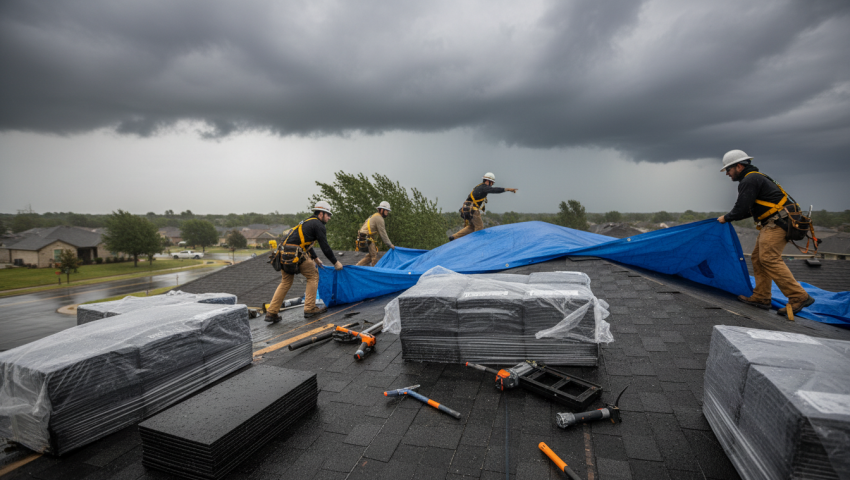
Expert Insight: Temperature below 45°F requires hand-sealing shingles to prevent warranty voids. Strategic weather window planning cuts installation time by 40% in Denver’s unpredictable climate.
You’ve scheduled your roof replacement for next week, but then you check the weather forecast and see rain, snow, or temperatures dropping below freezing. Suddenly you’re wondering if your contractor will even show up, and whether weather delays will push your project into next month. Here in Denver, Colorado, where we can experience all four seasons in a single day, understanding how weather conditions affect roofing work isn’t just helpful knowledge, it’s essential for planning your investment.
Weather doesn’t just inconvenience your timeline, it fundamentally changes how roofing materials behave, what installation methods contractors can use, and whether your warranty will remain valid. From temperature thresholds that make shingles brittle to wind speeds that force work stoppages, every weather element has specific impacts on roof installation quality and safety. You’ll discover the exact conditions that delay projects, cost extra money, and require different installation techniques, plus learn how experienced contractors work around Denver’s notorious weather patterns to keep your project on track.
Key Takeaways
- Temperature Thresholds: Asphalt shingles become brittle below 45°F and require hand-sealing to maintain warranty coverage, while extreme heat above 85°F makes them too soft for safe installation.
- Wind Speed Limits: Installation stops at sustained winds over 25 mph for safety reasons, but even 15-20 mph winds require modified techniques and extra fasteners to prevent material damage.
- Rain Delay Costs: Each weather delay adds 1-2 days to project timelines, potentially increasing labor costs by $500-800 due to crew rescheduling and extended equipment rental periods.
- Humidity Effects: High humidity slows adhesive curing times and can cause condensation under materials, requiring modified installation sequences and extended drying periods before proceeding.
- Strategic Planning: Contractors who monitor 7-day forecasts and use flexible scheduling can reduce weather-related delays by up to 60% compared to rigid scheduling approaches.
Why Most Contractors Won’t Install Roofs Below 45°F (And When We Do)
Most roofing contractors in Denver, Colorado pack up their tools when temperatures drop below 45°F, and there’s solid science behind this decision. Asphalt shingles contain petroleum-based compounds that become increasingly brittle as temperatures fall, making them prone to cracking during handling and installation. Manufacturer guidelines specifically state that installations below certain temperature thresholds can void warranty coverage unless special procedures are followed.
However, emergency situations and tight construction schedules sometimes demand winter installations, which is where specialized cold-weather techniques come into play. The key difference lies in understanding that cold temperatures don’t just affect worker comfort, they fundamentally alter how roofing materials behave and bond together. Professional contractors who work in cold conditions must adjust their methods, use different adhesives, and follow strict hand-sealing protocols to ensure the roof performs as designed.
Cold Weather Protocols
- Material Storage: Shingles are stored in heated areas overnight and transported in insulated containers to prevent brittleness that leads to installation cracks and handling damage.
- Hand-Sealing Requirements: Each shingle tab receives manual adhesive application since self-sealing strips won’t activate below 45°F, requiring additional labor time and specialized sealants.
- Installation Sequence: Work begins on the warmest side of the roof during peak sun hours, allowing materials to warm naturally while maintaining flexibility throughout the installation process.
- Quality Verification: Extra inspections ensure proper adhesion and sealing, with follow-up visits scheduled for warmer weather to verify that self-sealing strips have properly activated.
- Warranty Documentation: Detailed photo documentation and temperature logs are maintained to prove compliance with manufacturer cold-weather installation requirements for warranty protection.
Cold-weather roofing isn’t impossible, but it requires expertise, patience, and additional costs that many contractors prefer to avoid. The reality is that rushing through a cold-weather installation without proper protocols often results in premature failures, warranty voids, and callbacks that cost far more than waiting for better conditions. When winter emergencies arise, choose contractors who understand these complexities and have the experience to execute cold-weather installations correctly.
Rain Delays Cost More Than Weather – Here’s the Real Timeline Impact
Rain doesn’t just postpone your roofing project, it creates a cascade of scheduling complications that can extend timelines by weeks and increase costs significantly. When weather delays occur, contractors must reschedule entire crews, extend equipment rentals, and often pay premium rates to maintain project momentum once conditions improve. In Denver’s climate, where afternoon thunderstorms can pop up with little warning, even short rain showers can halt work for entire days.
The hidden costs of rain delays go beyond simple schedule adjustments and affect every aspect of project economics. Crew availability becomes limited as contractors juggle multiple delayed projects, potentially pushing your installation into less favorable weather windows. Material deliveries may need rescheduling, and if your roof is partially exposed when rain hits, emergency tarping and water damage mitigation add unexpected expenses that weren’t in your original contract.
Here’s a breakdown of typical delay costs and timeline impacts for different weather scenarios:
| Weather Event | Typical Delay | Additional Costs | Mitigation Required |
|---|---|---|---|
| Light Rain (2-4 hours) | 1-2 days | $200-400 | Tarping, equipment protection |
| Heavy Rain/Storm | 3-5 days | $500-800 | Full tear-off protection, crew rescheduling |
| Snow/Ice Event | 5-10 days | $800-1,500 | Removal services, cold-weather protocols |
| Extended Wet Period | 1-3 weeks | $1,200-2,500 | Permit extensions, material replacement |
Delay Consequences
- Crew Rescheduling: Each rain delay requires rebooking specialized crews who may not be available for 3-5 days, especially during peak roofing season when demand exceeds contractor capacity.
- Equipment Extensions: Tool rentals, dumpsters, and lift equipment accumulate daily charges during delays, typically adding $150-300 per day to project costs beyond the original timeline.
- Material Protection: Exposed decking and materials require emergency tarping services costing $200-500, plus potential replacement of water-damaged underlayment or lumber if protection fails.
- Seasonal Pressure: Late-season delays can push projects into winter months when installation costs increase by 15-25% due to cold-weather requirements and reduced contractor availability.
- Permit Extensions: Building permits have expiration dates, and extended delays may require permit renewals with additional fees and updated inspections before work can resume.
Smart contractors build weather contingencies into their scheduling and pricing, but homeowners often underestimate the true cost impact of delays. The difference between a contractor who plans for weather and one who doesn’t can mean the difference between a smooth project and a nightmare that drags on for months. Understanding these realities helps you choose contractors who have systems in place to minimize weather-related complications.
Wind Speed Thresholds That Determine Your Installation Method
Wind speed isn’t just about worker safety, it directly determines which installation techniques contractors can use and how securely materials must be fastened. At 15 mph sustained winds, loose materials become projectiles and standard installation methods require modification. By 25 mph, most professional contractors stop work entirely because wind uplift forces can tear properly installed shingles right off the roof, creating both safety hazards and material waste that drives up project costs.
Understanding wind thresholds helps explain why your contractor might call off work on days that seem perfectly fine from ground level. Wind considerations during installation become critical because roofing materials are designed to resist wind once fully installed and sealed, but during installation they’re vulnerable to forces that can destroy hours of work in minutes. Denver’s location along the Front Range creates unique wind patterns that experienced local contractors learn to predict and work around.
Wind Speed Protocols
- Light Winds (5-15 mph): Normal installation proceeds with standard fastener patterns, but loose materials require weighted securing and workers use additional safety precautions for ladder stability.
- Moderate Winds (15-25 mph): Enhanced fastening patterns with 6 nails per shingle instead of 4, immediate securing of each course, and suspension of work on steep slopes or complex roof areas.
- High Winds (25-35 mph): Work stoppage required for safety, with emergency securing of any exposed areas using temporary fasteners and weighted tarps to prevent material loss and water damage.
- Severe Winds (35+ mph): Complete work suspension with full site securing, equipment removal, and potential rescheduling until sustained winds drop below 20 mph for at least 4 hours.
- Gust Considerations: Even if sustained winds are acceptable, gusts exceeding 30 mph require work stoppage because sudden wind bursts can catch workers and materials off guard.
Wind speed monitoring isn’t just about current conditions, it’s about predicting how winds will change throughout the workday. Experienced contractors use weather apps that show hourly wind forecasts and often start work earlier or later to avoid predicted wind increases. The goal is completing full roof sections before winds pick up, rather than leaving partially installed areas vulnerable to wind damage that requires costly repairs.
The Temperature Sweet Spot for Shingle Sealing That Prevents Future Leaks
The ideal temperature range for asphalt shingle installation falls between 50°F and 85°F, where materials maintain optimal flexibility while adhesive strips activate properly. Within this range, shingles conform naturally to roof contours, self-sealing strips bond effectively, and sealants cure at the right rate to create weatherproof barriers. Outside this temperature window, contractors must modify their techniques significantly to achieve the same level of performance and warranty compliance.
Temperature affects more than just material handling, it determines whether your roof will develop the long-term weather resistance it was designed to provide. Self-sealing strips on asphalt shingles require specific temperature ranges to activate and create the wind-resistant bonds that prevent uplift during storms. Proper temperature management during installation directly correlates with how well your roof performs over its expected lifespan.
Here’s how different temperature ranges affect installation methods and material performance:
| Temperature Range | Material Behavior | Required Modifications | Sealing Timeline |
|---|---|---|---|
| Below 40°F | Brittle, crack-prone | Hand-sealing, heated storage | Spring activation required |
| 40-50°F | Stiff but workable | Manual sealing, extended cure | 2-4 weeks for full bond |
| 50-85°F | Optimal flexibility | Standard installation | 24-48 hours natural seal |
| 85-95°F | Soft, scuff-prone | Limited hours, careful handling | Immediate but may soften |
| Above 95°F | Too soft for installation | Work suspension required | Risk of seal failure |
Temperature Optimization
- Optimal Range (50-85°F): Self-sealing strips activate naturally within 24-48 hours, sealants cure properly, and materials maintain ideal flexibility for contouring and fastening without special procedures.
- Cold Conditions (40-50°F): Hand-sealing required for each shingle tab, extended curing times for adhesives, and material pre-warming necessary to prevent cracking during installation.
- Hot Conditions (85-95°F): Shingles become too soft and prone to scuffing, requiring early morning installation, frequent material rotation, and careful foot traffic to prevent permanent damage.
- Extreme Heat (95°F+): Installation typically suspended during peak heat hours, with work limited to early morning or evening when temperatures drop below 90°F for worker safety and material integrity.
- Thermal Cycling: Daily temperature swings greater than 30°F require special attention to expansion joints and fastener placement to accommodate material movement without compromising weather sealing.
Temperature management isn’t just about installation day comfort, it’s about ensuring your roof develops the weather resistance characteristics it was engineered to provide. Contractors who understand these thermal requirements and adjust their methods accordingly deliver roofs that perform better and last longer than those installed without proper temperature considerations.
How Humidity Levels Change Material Handling on Installation Day
Humidity affects roofing installations in ways most homeowners never consider, influencing everything from adhesive curing times to condensation formation under materials. High humidity slows the evaporation of moisture from adhesives and sealants, extending cure times and potentially affecting bond strength if materials are installed before proper curing occurs. In Denver’s semi-arid climate, humidity levels can swing dramatically between morning and afternoon, creating challenges for contractors who must time their installation sequences accordingly.
Condensation becomes a critical concern when humid air contacts cooler roof surfaces, potentially trapping moisture under newly installed materials. This trapped moisture can lead to premature material failure, mold growth, and adhesive bond degradation that compromises long-term roof performance. Professional contractors monitor dew point temperatures and humidity levels to prevent these moisture-related problems that can void warranties and create expensive callbacks.
Humidity Management
- Low Humidity (Below 30%): Adhesives cure rapidly but may become brittle, requiring modified application techniques and potentially extended working times to ensure proper bonding before curing.
- Moderate Humidity (30-60%): Ideal conditions for most roofing materials, with normal curing times and minimal condensation risk allowing standard installation procedures and timing.
- High Humidity (60-80%): Extended cure times for sealants, increased condensation risk requiring surface drying, and potential delays in sealing operations until humidity levels decrease.
- Extreme Humidity (Above 80%): Installation modifications required including dehumidification equipment, extended drying periods, and careful moisture monitoring to prevent trapped water under materials.
- Dew Point Monitoring: When air temperature approaches dew point, condensation forms rapidly on roof surfaces, requiring work suspension until temperature differential increases sufficiently.
Humidity management requires understanding the interaction between temperature, moisture content, and material behavior throughout the installation process. Contractors who monitor these conditions and adjust their methods accordingly deliver installations with better long-term performance and fewer moisture-related problems. The key is recognizing that humidity affects not just worker comfort, but fundamental material chemistry that determines roof longevity.
Snow and Ice Removal Adds $2,000 to Your Project Cost
Winter roof installations in Denver, Colorado often require snow and ice removal before work can begin, adding significant costs that many homeowners don’t anticipate. Professional snow removal from roofs involves specialized equipment, safety protocols, and trained crews who understand how to clear snow without damaging existing materials or the roof structure underneath. The process typically costs $15-25 per square foot of roof area, quickly adding $1,500-3,000 to standard residential projects.
Ice removal presents even greater challenges and costs because it requires careful melting or mechanical removal techniques that won’t damage roof decking or existing materials. Steam removal equipment, ice-melting systems, and specialized tools for breaking up ice formations require additional labor time and equipment rental fees. The complexity increases when ice dams have formed, requiring removal of both the ice and any damaged materials underneath before new installation can proceed.
Winter Preparation Costs
- Snow Removal: Professional clearing costs $15-25 per square foot, requiring specialized equipment and safety protocols to prevent damage to underlying roof structure and surrounding property.
- Ice Dam Removal: Steam removal or controlled melting adds $25-40 per linear foot of affected area, with potential additional costs for repairing water damage underneath.
- Access Preparation: Creating safe pathways and work areas in snow conditions requires additional equipment rental and labor time, typically adding 2-3 hours to daily setup procedures.
- Material Protection: Heating and protecting roofing materials in freezing conditions requires temporary shelters and heating equipment, adding $200-400 daily to project costs during installation.
- Extended Timeline: Snow and ice conditions can double normal installation timelines, increasing labor costs and extending equipment rental periods significantly beyond original estimates.
Winter installations aren’t just about removing existing snow and ice, they require ongoing management of these conditions throughout the project timeline. Each new snowfall or ice formation event can halt progress and require additional removal services, making winter projects significantly more expensive and unpredictable than those completed in favorable weather conditions.
The Weather Window Strategy That Cuts Installation Time in Half
Strategic weather window planning allows experienced contractors to complete roof installations in 40-60% less time by coordinating work phases with optimal conditions. This approach involves monitoring extended weather forecasts, pre-positioning materials and crews, and sequencing installation phases to maximize productive hours while minimizing weather-related delays. Rather than simply hoping for good weather, professional contractors actively plan around weather patterns to maintain project momentum.
The key to successful weather window management lies in understanding that different installation phases have different weather requirements and can often proceed under varying conditions. Tear-off work can happen in light rain if proper protection is in place, while final sealing operations require specific temperature and humidity ranges. By matching work phases to suitable weather windows, contractors can keep projects moving forward even when conditions aren’t perfect for all activities.
Strategic Scheduling
- 7-Day Forecast Planning: Detailed weather monitoring allows contractors to schedule tear-off, installation, and finishing phases during optimal conditions, reducing overall project timeline significantly.
- Phase-Specific Timing: Different installation phases proceed under different weather conditions, with tear-off possible in light rain while sealing operations require dry, moderate temperatures.
- Crew Coordination: Multiple crews can work simultaneously on different roof sections when weather windows allow, completing in days what might normally take weeks with sequential scheduling.
- Material Staging: Pre-positioning materials and equipment during favorable weather ensures rapid deployment when installation windows open, eliminating setup delays during optimal conditions.
- Contingency Protocols: Backup plans for weather changes include rapid securing methods, emergency protection systems, and flexible crew scheduling to maintain progress despite forecast changes.
Weather window strategy transforms roofing from a weather-dependent process into a weather-informed process where experienced contractors work with natural patterns rather than against them. The difference between reactive and proactive weather management can mean completing your roof installation in optimal conditions versus struggling through extended delays and compromised installation quality.
Planning Around Denver’s Weather Patterns
Weather impact on roof installation goes far beyond simple delays, affecting material performance, installation quality, warranty coverage, and total project costs in ways that most homeowners never anticipate. From temperature thresholds that require hand-sealing to wind speeds that force work stoppages, every weather element has specific impacts that experienced contractors understand and plan for. The difference between a smooth installation and a problematic one often comes down to choosing contractors who respect these weather realities and have systems in place to work around them effectively.
When planning your roof replacement in Denver, Colorado, factor weather considerations into your timeline and budget from the beginning rather than treating them as unexpected complications. Work with contractors who demonstrate understanding of local weather patterns, have clear policies for weather delays, and can explain how different conditions will affect your specific project. The investment in weather-aware planning and experienced contractors pays dividends in installation quality, timeline predictability, and long-term roof performance that protects your home for decades to come.
Author
JJ Hedden brings 15 years of roofing experience to understanding how Denver’s unique weather patterns affect installation quality and project timelines. Having completed over 6,000 roofing projects across Colorado’s diverse climate zones, he has developed specialized techniques for working around the Front Range’s unpredictable weather while maintaining warranty compliance and installation quality. His expertise in weather-adaptive roofing practices helps homeowners navigate the complexities of scheduling and executing roof installations in one of the country’s most challenging climates.