
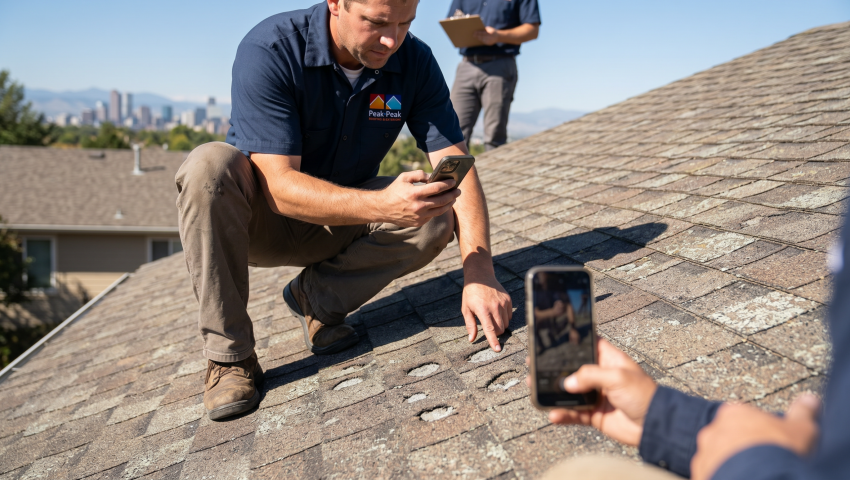
Navigating an insurance claim in Denver, whether you’re dealing with hail damage, windstorms, or other property loss, requires a strategic approach from the very first interaction with your adjuster. The foundation of a successful claim rests on three non-negotiables: documenting every communication in writing, maintaining meticulous records of all damage to your home, and being physically present when the adjuster conducts their on-site inspection. If the adjuster’s assessment falls short of what you believe is fair, you have recourse through independent public adjusters or by requesting a formal re-inspection.
- Best Practices for Your Claim: Attend the physical inspection in person so you can walk the adjuster through every area of damage, photograph all affected areas before making any temporary repairs, obtain independent repair estimates from local Denver contractors for comparison, and maintain a detailed log documenting the date, time, and contact name for every phone call and email exchange throughout the claims process.
- Options If There Is a Dispute: Request a re-inspection by submitting your own contractor repair estimates to challenge the insurance company’s figures, invoke the appraisal clause in your policy if you cannot reach agreement on repair costs, or hire a licensed public adjuster, such as those available through firms like ClaimsMate Public Adjusters, who represents your interests rather than the insurance company’s and advocates on your behalf.
Insurance adjusters follow a set process, but homeowners can steer outcomes by documenting damage, attending inspections, and knowing dispute options. Being prepared before the adjuster arrives saves time and money.
Ever felt the adjuster’s report missed obvious damage and wondered why? Most homeowners in Denver, Aurora, Littleton, Parker and Centennial experience the same frustration when they’re not fully prepared for the inspection.
This guide walks you through the hidden steps that make working with your insurance adjuster smoother, from paperwork to negotiating a fair settlement.
Why Your Insurance Adjuster Isn’t Actually Working Against You
Adjusters are paid by the insurer, not by you, so their primary job is to assess loss accurately for both parties. In Denver’s hail‑prone climate, they often see similar damage patterns and rely on standard checklists.
That doesn’t mean they’re your enemy; it means they have a framework that can be leveraged if you understand it. Knowing the process helps you ask the right questions and avoid common misunderstandings.
Key Realities
- Financial Incentive: Adjusters aim to balance the insurer’s exposure with a fair payout, so they rarely inflate damage without evidence.
- Standard Forms: They use Xactimate and other industry tools, which means documented measurements and photos carry weight in the final estimate.
- Regulatory Oversight: State licensing rules, such as those outlined by the NAIC, require adjusters to follow ethical guidelines and good‑faith investigations.
When you recognize that the adjuster follows a structured, regulated process, you can focus on providing solid documentation rather than battling a perceived adversary. This perspective shifts the conversation from conflict to collaboration, especially for homeowners across the Denver metro area.
The Three Documents You Need Ready Before the Adjuster Arrives
Having the right paperwork on hand speeds up the inspection and reduces back‑and‑forth with the insurer. In Aurora and Littleton, where claims volume spikes after spring hail, adjusters expect organized files.
These three documents form the backbone of a credible claim and give you leverage when the adjuster reviews the damage.
Essential Papers
- Damage Log: A chronological list of all incidents, dates, and communications, including photos with timestamps.
- Repair Estimates: Detailed quotes from a licensed roofing contractor, showing line‑item costs for materials and labor.
- Policy Summary: A copy of your homeowner’s policy highlighting coverage limits, deductible, and any endorsement for hail or wind.
When you hand these documents to the adjuster, you demonstrate preparedness and professionalism, which often leads to a smoother, faster settlement. In practice, many homeowners in Parker and Centennial see fewer follow‑up requests when they arrive with this trio.
What Adjusters Look for During a Roof Inspection That Homeowners Miss
Adjusters focus on both visible damage and hidden issues that could affect long‑term performance. In Colorado’s high‑altitude environment, they pay special attention to flashings, ventilation, and ice‑dam formation.
Homeowners tend to overlook subtle signs like granule loss on shingles or minor water stains that hint at larger problems.
Hidden Red Flags
- Granule Erosion: Missing granules expose the asphalt to UV, a sign that the shingle’s lifespan is already shortened.
- Flashing Gaps: Small gaps around chimneys or vent stacks can allow water intrusion, which adjusters flag as a code violation.
- Ventilation Imbalance: Poor attic airflow leads to moisture buildup, which can cause mold and wood rot unnoticed during a quick walk‑through.
- Ice‑Dam Indicators: Early ice formation at eaves suggests inadequate insulation, a factor that can increase repair costs.
By pointing out these details during the inspection, you help the adjuster see the full scope of loss, which can prevent under‑estimation of repair costs. In our experience, Denver homeowners who highlight these items receive more accurate estimates.
When to Push Back on a Low Settlement (and How to Do It Right)
A low settlement often stems from missing documentation or a narrow interpretation of policy language. Knowing when to contest the offer can protect your investment.
In Centennial and Aurora, many homeowners wait too long, losing the chance to request a supplement before the insurer finalizes the payment.
Strategic Pushback
- Review Line Items: Compare the adjuster’s Xactimate numbers with your contractor’s detailed estimate to spot discrepancies.
- Submit Supplements: Provide additional evidence, such as third‑party inspection reports, within the policy’s supplement window.
- Invoke the Appraisal Clause: If negotiations stall, the appraisal clause allows an independent umpire to determine a fair amount.
When you act promptly and present clear, itemized evidence, the insurer is more likely to adjust the offer. This approach has helped many homeowners in the Denver area secure settlements that reflect true repair costs.
The Biggest Mistake Homeowners Make After Filing a Roofing Claim
After the initial claim is filed, the temptation is to wait passively for the check. In reality, the period between filing and final payment is critical for protecting your interests.
Skipping follow‑up steps can lead to reduced payouts or missed deadlines, especially in fast‑moving markets like Littleton.
Common Pitfall
- Ignoring Repair Timelines: Delaying repairs can trigger depreciation clauses, reducing the final settlement.
- Skipping Final Inspection: Not requesting a post‑repair inspection may result in the insurer refusing to release the remaining balance.
- Failing to Document Changes: Any additional damage discovered after the first inspection must be logged and submitted promptly.
- Overlooking Mortgage Endorsement: The final check often includes the mortgage holder’s name; forgetting to obtain their endorsement can stall payment.
- Assuming Coverage for All Items: Some items, like upgraded ventilation, may be excluded unless specifically endorsed in the policy.
Avoiding these missteps ensures the claim stays on track from start to finish. Homeowners who stay engaged throughout the process typically see a smoother, more complete payout.
How Having Your Roofer Present Changes the Adjuster’s Assessment
A qualified roofer can translate technical observations into language the adjuster understands, bridging the gap between construction reality and insurance jargon.
In Denver’s varied climate zones, a roofer’s insight on material performance under hail and UV exposure adds credibility to your claim.
Roofer Benefits
- Technical Clarification: The roofer can explain why a particular flashing detail failed, aligning with code requirements such as those in the Denver Building Code.
- Accurate Measurements: Using tools like EagleView, the roofer provides precise square footage that matches Xactimate calculations.
- Material Recommendations: Suggesting impact‑resistant Class 4 shingles can qualify you for insurer premium discounts, a point the adjuster may overlook.
- Documentation Support: The roofer’s written report, signed and dated, serves as a third‑party verification of damage severity.
- Negotiation Leverage: When the roofer stands beside you, the adjuster is more likely to accept higher repair estimates.
Bringing a roofer to the inspection transforms the meeting from a one‑sided assessment into a collaborative review, increasing the likelihood of a fair settlement for homeowners across the metro area.
What Actually Happens If You and Your Adjuster Can’t Agree on Damage
Disagreements are common when the adjuster’s estimate falls short of the contractor’s scope. The next steps depend on policy language and state regulations.
In Colorado, the appraisal clause offers a structured path to resolution, while a re‑inspection can sometimes close the gap without formal arbitration.
Resolution Paths
- Re‑Inspection Request: Submit a written request with additional photos and a supplemental estimate; the insurer must respond within a reasonable timeframe.
- Appraisal Clause Activation: Both parties select a qualified appraiser; if they disagree, an umpire decides the final amount.
- Mediation Services: Some insurers provide neutral mediators to facilitate a compromise before formal appraisal.
- Legal Consultation: As a last resort, consulting an attorney familiar with Colorado insurance law can clarify rights and next steps.
Understanding these options empowers you to move forward confidently, rather than feeling stuck. Most homeowners in the Denver region find that a clear, documented approach leads to a resolution that reflects the true cost of repairs.
Securing a Fair Roof Claim
You now have a roadmap for working with your insurance adjuster, from preparing essential documents to leveraging a roofer’s expertise. By staying organized, asking the right questions, and knowing your dispute options, you can navigate the claims process with confidence.
If you’re ready to protect your home and ensure a proper settlement, start gathering your damage log and contractor estimates today. For personalized guidance, consider reaching out to a trusted roofing professional.
Author
JJ Hedden is the owner of Peak To Peak Roofing and has spent over fifteen years helping homeowners across Denver, Aurora, Littleton, Parker and Centennial understand the insurance claims process. His hands‑on experience with countless roof repairs gives him a practical perspective on how to work effectively with adjusters while protecting property owners.