
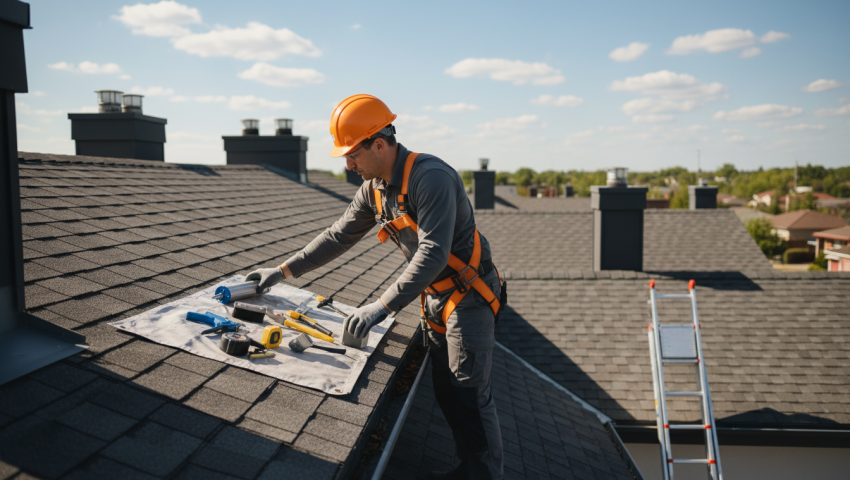
Expert Insight: Regular roof maintenance can extend your roof’s lifespan by 5-10 years and prevent 85% of emergency repairs. Most Denver homeowners wait until damage is visible, missing early warning signs.
You probably don’t think about your roof until water starts dripping into your living room or a windstorm tears off shingles. Most Denver homeowners treat their roof like a ‘set it and forget it’ system, assuming it’ll handle Colorado’s intense weather without any help. Unfortunately, this reactive approach often turns minor maintenance issues into major replacement projects that cost tens of thousands of dollars.
Regular roof maintenance isn’t just about fixing problems after they happen. It’s about catching small issues before they become expensive disasters, especially in Denver’s challenging climate with hail, UV exposure, and dramatic temperature swings. You’ll learn exactly when to schedule maintenance, what warning signs demand immediate attention, and how simple preventive steps can save you from premature roof replacement.
Key Takeaways
- Timing Matters: Schedule professional inspections twice yearly in Denver, ideally after spring storms and before winter to catch weather damage early and prepare for seasonal challenges.
- Cost Prevention: Regular maintenance typically costs $300-800 annually but prevents emergency repairs averaging $3,000-8,000 by addressing issues before they escalate into structural problems.
- Warning Signs: Three critical indicators separate minor repairs from major replacements: multiple leak points, widespread granule loss, and sagging roof sections requiring immediate professional assessment.
- Debris Impact: Seasonal debris removal timing directly affects roof lifespan, with fall cleaning being most critical to prevent ice dam formation and spring cleaning essential after storm damage.
- Insurance Benefits: Documented maintenance records strengthen insurance claims and may qualify you for premium discounts, while proper upkeep helps prevent claim denials for ‘neglect-related’ damage.
Why Most Homeowners Wait Too Long for Their First Professional Roof Inspection
Here’s what happens in most Denver neighborhoods: homeowners buy a house, get comfortable with their monthly routine, and completely forget about the roof until something goes wrong. They’ll spend weekends maintaining their lawn, cleaning gutters they can see from the ground, and touching up exterior paint, but the roof remains invisible until it fails. This ‘out of sight, out of mind’ mentality costs Denver homeowners millions in preventable repairs every year.
The problem isn’t laziness or ignorance. Most people genuinely don’t know when roof problems start developing or what early warning signs look like from ground level. By the time you notice interior water stains, curling shingles visible from your driveway, or granules washing down your gutters, the damage has often progressed beyond simple maintenance into repair or replacement territory. Professional inspections reveal issues 2-3 years before they become visible to untrained eyes.
Here’s how inspection timing affects the types of issues typically discovered and their repair costs:
| Inspection Timing | Common Issues Found | Typical Repair Cost |
|---|---|---|
| Year 1-3 | Installation defects, loose fasteners | $150-400 |
| Year 4-7 | Minor seal failures, flashing gaps | $300-800 |
| Year 8-12 | Moderate wear, shingle replacement | $800-2,500 |
| Year 13+ | System deterioration, major repairs | $2,500-8,000 |
Inspection Benefits
- Early Detection: Professional inspectors identify loose flashing, minor seal failures, and granule loss patterns before they cause leaks or structural damage.
- Cost Savings: Catching issues early typically costs $200-500 to fix versus $2,000-5,000 for repairs after water intrusion damages decking or interior spaces.
- Weather Preparation: Pre-winter inspections ensure your roof can handle snow loads and ice formation, while post-storm checks document any hail or wind damage.
- Warranty Protection: Many manufacturer warranties require documented annual inspections, and skipping them can void coverage for premature material failures.
- Insurance Documentation: Regular inspection records provide evidence of proper maintenance if you need to file storm damage claims or dispute coverage denials.
The sweet spot for first professional inspections is 3-5 years after installation for new roofs, or immediately after purchase for existing homes. Don’t wait for obvious problems to develop. In Denver’s climate, roofs age faster than in milder regions, and early intervention makes the difference between a 15-year roof and a 25-year roof. Schedule that first inspection before you think you need it.
The Three Warning Signs That Separate Minor Repairs from Major Replacements
Not all roof problems are created equal, and knowing the difference between a minor repair and a major replacement can save you from making costly mistakes. Many Denver homeowners panic at the first sign of trouble and assume they need a complete reroof, while others ignore serious warning signs until small problems become catastrophic failures. The key is understanding which issues can be fixed with targeted repairs and which indicate systemic problems requiring full replacement.
Three specific warning signs consistently separate repairable issues from replacement scenarios, and they’re not always what you’d expect. A single leak doesn’t automatically mean replacement, but multiple leak points often indicate widespread failure. Similarly, visible granule loss might look alarming but could be normal aging, while certain patterns of granule loss signal imminent shingle failure across the entire roof system.
Critical Indicators
- Multiple Leak Points: Two or more active leaks in different roof areas typically indicate systemic failure rather than isolated problems, especially if they’re not near penetrations.
- Widespread Granule Loss: Granule loss covering more than 30% of visible shingle surfaces suggests UV degradation has compromised the entire roof’s protective layer.
- Structural Sagging: Any visible sagging in roof lines indicates potential decking failure or structural issues that require immediate professional evaluation and often full replacement.
- Age Plus Damage: Roofs over 15 years old with multiple repair needs often cost more to fix piecemeal than to replace entirely, especially with insurance coverage.
- Failed Flashing Systems: When flashing around chimneys, vents, and roof transitions shows widespread rust, separation, or improper installation, it often indicates poor workmanship throughout the system.
The decision between repair and replacement isn’t always obvious, and it’s worth getting professional opinions before committing to either approach. However, these three warning signs consistently indicate when you’ve moved beyond the maintenance phase into replacement territory. When in doubt, document everything with photos and get multiple professional assessments before making major financial decisions.
How Seasonal Debris Removal Timing Can Make or Break Your Roof’s Lifespan
Most people think of debris removal as a simple cleanliness issue, but timing your seasonal cleanings can literally add years to your roof’s life or subtract them. Leaves, pine needles, and organic matter don’t just sit harmlessly on your roof. They create moisture traps, block drainage paths, and provide perfect conditions for algae and moss growth that can damage shingles and compromise your roof’s protective barriers.
In Denver’s climate, the timing of debris removal becomes even more critical because of our dramatic seasonal transitions. Fall debris that’s left through winter creates ice dam conditions, while spring debris mixed with snowmelt can cause ponding and accelerated deterioration. The difference between cleaning at the right time versus the wrong time can mean 5-7 years of additional roof life or premature replacement.
Seasonal Priorities
- Fall Cleaning Critical: Remove all leaves and organic debris by mid-November to prevent ice dam formation and ensure proper drainage during winter freeze-thaw cycles.
- Spring Storm Follow-up: Clean debris within 2-3 weeks after major spring storms to prevent moisture retention and identify any hail or wind damage while it’s fresh.
- Pine Needle Management: Clear pine needles monthly during shedding season, as they create acidic conditions that accelerate shingle granule loss and metal corrosion.
- Gutter Coordination: Time roof debris removal with gutter cleaning to prevent cleaned debris from clogging gutters and creating backup issues during the next rain event.
- Professional Assessment: Use seasonal cleanings as opportunities for professional inspection, as debris patterns often reveal drainage problems or structural issues before they cause visible damage.
The investment in properly timed seasonal debris removal pays for itself many times over through extended roof life and prevented repairs. Don’t treat this as a cosmetic issue or something you can put off until convenient. In Denver’s climate, debris removal timing directly impacts your roof’s ability to handle our intense weather patterns and seasonal moisture cycles.
What Your Insurance Adjuster Looks for During Post-Storm Roof Assessments
Understanding what insurance adjusters look for during roof assessments gives you a significant advantage in getting fair coverage for storm damage. Most Denver homeowners have no idea what constitutes ‘insurance-worthy’ damage versus normal wear and tear, leading to either inflated expectations or accepted claim denials that shouldn’t have been accepted. Adjusters follow specific protocols and look for particular types of evidence that prove storm damage occurred.
The key insight most people miss is that adjusters aren’t just looking for obvious damage like missing shingles or visible holes. They’re trained to identify subtle impact patterns, age-related deterioration, and maintenance-related issues that can affect coverage decisions. Knowing what they’re evaluating helps you document damage properly and understand whether your claim has merit before filing.
Assessment Focus
- Impact Patterns: Adjusters look for consistent hail strike patterns, directional wind damage, and fresh impact marks that indicate recent storm activity rather than gradual deterioration.
- Age Verification: They compare damaged areas to undamaged sections to determine if deterioration is storm-related or age-related, using granule loss patterns and material condition as evidence.
- Maintenance Records: Well-documented maintenance history strengthens claims by proving the roof was properly cared for before storm damage occurred, preventing ‘neglect’ denials.
- Collateral Damage: Adjusters examine gutters, siding, and landscaping for corresponding damage that supports roof damage claims and helps establish storm severity and direction.
- Repair Urgency: They assess whether damage requires immediate temporary repairs to prevent further deterioration, which can affect coverage for secondary damage if not addressed promptly.
The best time to understand this process is before you need it, not after storm damage occurs. Document your roof’s condition with photos during regular maintenance, keep detailed maintenance records, and know what constitutes legitimate storm damage versus normal aging. This preparation makes the difference between smooth claim processing and lengthy disputes with your insurance company.
The Gutter Maintenance Step That Prevents 80% of Roof Edge Damage
Here’s something most people don’t realize: the majority of roof edge damage doesn’t start with the roof itself. It starts with clogged gutters that cause water to back up under shingles, freeze against fascia boards, and create ice dams that tear off entire gutter systems. The single most important gutter maintenance step isn’t cleaning out leaves and debris, though that’s important. It’s ensuring proper water flow and drainage slope throughout your entire gutter system.
In Denver’s climate, this becomes absolutely critical because our freeze-thaw cycles turn minor drainage problems into major structural damage. Water that can’t flow freely through gutters will find somewhere else to go, and that somewhere is usually under your shingles, behind your fascia, or into your roof decking. One overlooked drainage issue can cause thousands of dollars in roof edge damage within a single winter season.
Drainage Essentials
- Slope Verification: Check that gutters maintain 1/4 inch slope per 10 feet toward downspouts, as improper slope causes standing water that leads to ice formation and overflow.
- Downspout Capacity: Ensure downspouts can handle your roof’s water volume, typically requiring one downspout per 600-800 square feet of roof area in Denver’s intense rainfall patterns.
- Fastener Security: Verify gutter hangers are secure and spaced properly every 24 inches, as loose gutters pull away from fascia and create gaps where water penetrates roof edges.
- End Cap Sealing: Inspect and reseal gutter end caps annually, as these failure points allow water to run behind gutters and rot fascia boards and roof decking.
- Extension Positioning: Position downspout extensions to carry water at least 6 feet from foundation walls, preventing basement flooding and foundation settling that affects roof structure.
This one maintenance step prevents more roof edge damage than any other single action you can take. It’s not glamorous work, and the results aren’t immediately visible, but proper gutter drainage is absolutely essential for roof longevity in Denver’s climate. Address drainage issues immediately when you find them, as they accelerate exponentially once freeze-thaw cycles begin.
Why DIY Roof Cleaning Actually Accelerates Shingle Deterioration
The internet is full of DIY roof cleaning advice that sounds reasonable but actually damages your roof faster than leaving it alone. Pressure washing, harsh chemicals, and aggressive scrubbing techniques remove protective granules, force water under shingles, and create conditions for premature failure. What looks like helpful maintenance often shortens your roof’s lifespan by 3-5 years compared to professional cleaning methods or strategic neglect.
The problem isn’t that roofs don’t need cleaning. Algae, moss, and organic buildup absolutely affect roof performance and appearance. The issue is that most DIY cleaning methods focus on immediate visual results rather than long-term roof health. Professional roof cleaning uses specific techniques, appropriate chemicals, and proper safety equipment that clean effectively without damaging the underlying roofing materials.
Here’s how different cleaning methods affect shingle lifespan and warranty coverage:
| Cleaning Method | Granule Loss Risk | Warranty Impact | Typical Cost |
|---|---|---|---|
| Pressure Washing | High – removes 20-30% granules | Often voids warranty | $200-400 DIY |
| Harsh Chemicals | Moderate – chemical burning | May void warranty | $150-300 DIY |
| Professional Low-Pressure | Minimal – <5% granule loss | Warranty preserved | $400-800 |
| No Cleaning | None from cleaning | Warranty intact | $0 |
Damage Mechanisms
- Pressure Damage: High-pressure washing removes protective granules from shingles, exposing the underlying asphalt to UV damage and accelerating deterioration by 2-3 years.
- Chemical Burns: Household bleach and harsh cleaners can chemically burn shingle surfaces, cause color fading, and weaken the material bonds that hold granules in place.
- Water Intrusion: Aggressive cleaning forces water under shingles and into roof decking, creating moisture problems that lead to rot, mold, and structural damage over time.
- Safety Risks: DIY roof cleaning often involves unsafe ladder practices and improper safety equipment, leading to falls and injuries that far outweigh any cleaning benefits.
- Warranty Voids: Many shingle manufacturers specifically void warranties for damage caused by pressure washing or improper cleaning chemicals, leaving you without recourse for premature failure.
If your roof needs cleaning, invest in professional services that use appropriate low-pressure techniques and roof-safe chemicals. The money you save doing it yourself often gets spent multiple times over on premature roof replacement. When in doubt, consult with roofing professionals about whether cleaning is necessary and what methods won’t damage your specific roofing materials.
How Proper Attic Ventilation Maintenance Cuts Your Roof Replacement Timeline in Half
Most Denver homeowners focus on the visible parts of their roof and completely ignore the ventilation system that actually controls how long their roof lasts. Proper attic ventilation isn’t just about comfort or energy efficiency. It’s the single most important factor in preventing premature roof failure, ice dam formation, and moisture-related damage that forces early replacement. A well-maintained ventilation system can extend your roof’s life from 15 years to 25-30 years.
The science is straightforward: attic ventilation controls temperature and moisture levels that directly affect your roofing materials. In summer, inadequate ventilation creates superheated attic spaces that literally cook your shingles from underneath. In winter, poor ventilation allows warm air to melt snow on your roof, which refreezes at the eaves and creates ice dams that tear off gutters and damage shingles. Both scenarios dramatically shorten roof life.
Ventilation Maintenance
- Intake Clearing: Keep soffit vents clear of insulation, debris, and paint to ensure adequate cool air intake, aiming for 1 square foot of intake per 150 square feet of attic space.
- Exhaust Verification: Check ridge vents and exhaust fans for proper operation and clear airflow, ensuring balanced ventilation that prevents moisture buildup and temperature extremes.
- Insulation Management: Maintain proper insulation levels while preventing insulation from blocking ventilation pathways, using baffles to maintain airflow channels in rafter spaces.
- Seal Air Leaks: Identify and seal air leaks between living spaces and attic to prevent warm, moist air from entering the attic and creating condensation problems.
- Temperature Monitoring: Monitor attic temperatures during extreme weather to verify ventilation effectiveness, targeting attic temperatures within 10-15 degrees of outside temperature in winter.
Ventilation maintenance is invisible work that produces invisible results until something goes wrong. Most people only discover ventilation problems after ice dams form or energy bills skyrocket, but by then the damage is often already done. Make attic ventilation inspection part of your regular roof maintenance routine, and address any airflow problems immediately when you find them.
Protecting Your Denver Roof Investment
Regular roof maintenance isn’t optional in Denver’s challenging climate. It’s the difference between a roof that lasts 15 years and one that serves you well for 25-30 years. The strategies we’ve covered, from proper inspection timing to ventilation maintenance, work together to prevent the costly emergencies that force premature replacement. Most importantly, they give you control over your roof’s performance rather than leaving you at the mercy of Colorado’s intense weather patterns.
Start with a professional inspection if you haven’t had one recently, then establish a maintenance routine that includes seasonal debris removal, gutter drainage verification, and annual ventilation checks. Document everything with photos and keep detailed records for insurance purposes. When maintenance needs arise, address them promptly rather than waiting for problems to worsen. If you need help developing a maintenance plan or addressing current roof concerns, we can provide the expertise to keep your roof performing at its best for decades to come.
Author
JJ Hedden has spent 15 years helping Denver homeowners maximize their roof investments through strategic maintenance and timely interventions. His experience with over 6,000 roofing projects has shown him exactly which maintenance steps prevent costly replacements and which warning signs demand immediate attention. JJ’s approach focuses on practical, cost-effective strategies that work specifically in Colorado’s challenging climate conditions.