
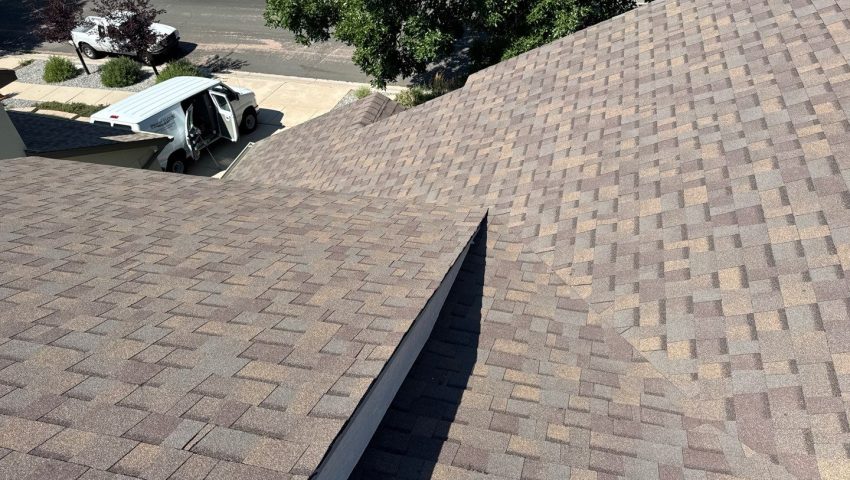
Homeowners often wonder whether their policy will foot the bill after a storm damages their roof. The answer isn’t always straightforward, and many miss key details that can make or break a claim.
In this guide we’ll walk through the real factors insurers use, the common pitfalls that delay payment, and practical steps you can take to protect your budget.
Most policies cover sudden damage, but scope, deductible, and documentation dictate payout. Knowing the insurer’s criteria helps you avoid surprise expenses.
If you live in Denver, Aurora, or Englewood, you’ve likely faced hail or wind that left your roof in need of repair. The frustration of a denied claim can be overwhelming, especially when you’re already dealing with a leaky ceiling.
What follows is a clear, step‑by‑step look at why insurers sometimes push back, which damage patterns truly merit a full claim, and how you can position yourself for a smoother approval process.
Why Insurance Adjusters and Roofers Rarely Agree on Repair Scope
When a storm hits Denver or Aurora, the first call often goes to an adjuster who makes a quick visual assessment. Roofers, especially those familiar with local hail patterns, see nuances that the adjuster may overlook. This mismatch creates tension and can leave homeowners stuck between a lowball offer and a costly out‑of‑pocket repair.
The reality is that adjusters work under strict timelines and rely on standardized checklists, while roofers base their scope on material performance and long‑term durability. Understanding both perspectives helps you navigate the conversation and protect your investment.
Key Points of Disagreement
- Scope Definition: Adjusters often count only visible damage, whereas roofers consider hidden deck deterioration that can lead to future leaks.
- Material Costs: Roofers factor in local price fluctuations for impact‑resistant shingles, a detail many adjusters miss when quoting a flat rate.
- Labor Hours: Adjusters use average labor tables, but complex roof geometry in Englewood can add significant time, which roofers document in their estimates.
- Warranty Impact: Roofers aim to preserve manufacturer warranties, requiring specific installation methods that adjusters may deem unnecessary.
- Risk Assessment: Adjusters balance claim frequency, while roofers prioritize long‑term performance, especially after severe hail events.
In practice, the best outcome comes from presenting a well‑documented, itemized estimate that references local standards such as the NRCA Roofing Manual. When both parties see the same data, the gap narrows and you move closer to a fair settlement.
The Three Roof Damage Patterns That Actually Justify a Full Insurance Claim
Not every dent or missing shingle qualifies for a full claim; insurers look for patterns that indicate systemic damage. In the Front Range, three patterns consistently meet the threshold for a comprehensive payout, especially when the damage aligns with local hail and wind statistics.
Identifying these patterns early can save you months of back‑and‑forth with the insurer and help you avoid costly partial repairs that don’t address the root issue.
Claim‑Qualifying Damage Types
- Extensive Granule Loss: Widespread granule erosion reduces UV protection and often signals underlying shingle fatigue, a condition insurers treat as total loss in hail‑prone zones.
- Structural Deck Damage: When water infiltrates the decking, rot or warping can occur, requiring replacement of the substrate, a cost that insurers typically cover under “structural damage.”
- Compromised Flashing Systems: Repeated wind uplift can detach flashing at valleys and eaves, leading to water intrusion that exceeds normal wear and tear thresholds.
The International Code Council outlines that such damage must be repaired to meet local building codes, reinforcing the insurer’s responsibility to fund the work. Documenting each pattern with photos and professional assessments strengthens your claim.
What Your Deductible Really Means When Only Part of Your Roof Needs Repair
A deductible can feel like a hidden tax, especially when a repair only covers a fraction of the roof. In Denver’s market, where repair costs vary widely by material, the deductible may outweigh the benefit of a claim.
Understanding the math behind your policy helps you decide whether to file a claim or handle the repair yourself, preserving your premium rates and avoiding claim‑related rate hikes.
Deductible Decision Factors
- Repair Cost vs. Deductible: If the estimate for a localized repair is less than or only slightly above your deductible, paying out of pocket often makes more financial sense.
- Future Claims Impact: Filing a claim can increase premiums for up to three years, so weigh the long‑term cost against the immediate repair expense.
- Coverage Limits: Some policies cap the payout for partial repairs, meaning you could still be responsible for a sizable portion of the bill after the deductible is applied.
A practical rule of thumb is to request a detailed estimate from a local roofer and compare it to your deductible. If the gap is narrow, consider a cash‑out repair; otherwise, proceed with the claim to leverage the full policy benefit.
How Matching Discontinued Shingles Turns a Simple Repair Into a Coverage Battle
Manufacturers occasionally discontinue a shingle line, leaving homeowners with a mix of old and new materials after a repair. Insurers often view the mismatch as a cosmetic issue, while roofers know it can compromise the roof’s integrity.
In the Denver area, where hail can quickly degrade shingles, using a discontinued product can lead to premature failure, making the repair a potential liability.
Challenges of Discontinued Materials
- Warranty Gaps: New shingles may not match the old product’s warranty terms, causing insurers to deny coverage for the replacement portion.
- Aesthetic Inconsistency: A mismatched roof can lower curb appeal, which insurers consider when evaluating the overall value of the property.
- Performance Differences: Older shingles may lack the impact resistance of newer Class 4 options, leading to future claims that could have been avoided.
When faced with a discontinued line, reference the manufacturer’s technical sheet from ASTM International to demonstrate performance equivalence. A well‑supported argument can persuade adjusters to approve the higher‑quality replacement.
The Documentation Window Most Homeowners Miss After Storm Damage
After a hailstorm, the clock starts ticking on the documentation window that insurers use to evaluate loss. Many homeowners wait too long, assuming the insurer will still honor the claim, only to find their evidence rejected as “stale.”
In Denver, where hail can strike multiple times in a season, acting quickly is essential to capture the true extent of damage before repairs begin.
Here is a side‑by‑side view of the typical documentation timeline versus common delays:
| Action | Ideal Window | Typical Delay |
|---|---|---|
| Photo Capture | Within 24 hours | Up to 72 hours |
| Professional Inspection | Within 5 days | 1‑2 weeks |
| Claim Submission | Within 10 days | 30‑45 days |
Critical Documentation Steps
- Immediate Photography: Capture high‑resolution images of all visible damage within 24 hours, focusing on granule loss, dented panels, and compromised flashing.
- Professional Inspection: Schedule a roof inspection within five days; a qualified roofer can produce a detailed report that aligns with NRCA standards.
- Preserve Samples: Keep a few damaged shingles and pieces of flashing as physical evidence for the adjuster’s review.
The BBB Scam Alert warns that delayed documentation can be exploited by unscrupulous contractors. Acting promptly protects you from that risk.
When a Roof Repair Actually Lowers Your Home’s Resale Value
A repair that looks good on the surface can hide underlying issues that deter buyers. In markets like Aurora and Centennial, buyers often scrutinize roof age and repair history during the appraisal process.
Understanding how certain repair choices affect perceived value helps you avoid hidden costs that could reduce your home’s selling price.
Factors Reducing Resale Appeal
- Mismatched Shingles: Using a different color or profile can signal a patchwork roof, prompting buyers to negotiate a lower price.
- Improper Flashing Installation: Poorly sealed flashings may cause water stains in the attic, a red flag for inspectors and potential buyers.
- Low‑Quality Materials: Opting for cheap underlayment to save money now can lead to premature leaks, diminishing confidence in the home’s durability.
A well‑executed repair that follows the International Residential Code and uses high‑grade materials preserves both performance and market perception, keeping your property’s value intact.
Why We Tell Some Clients to Pay Out of Pocket Instead of Filing
Filing a claim isn’t always the smartest move. In some scenarios, the cost of the claim process, deductibles, premium hikes, and potential coverage limits, outweighs the benefit of insurance reimbursement.
This is especially true for minor repairs in Englewood or Littleton where the repair cost is modest and the homeowner’s deductible is relatively high.
Comparison of typical out‑of‑pocket versus claim scenarios:
| Scenario | Cost to Homeowner* | Impact on Premium |
|---|---|---|
| Repair $1,200, Deductible $1,000 | $1,200 (cash) | No change |
| Repair $3,500, Deductible $1,000 | $3,500 (cash) | Potential 5‑10% increase |
| Repair $8,000, Deductible $1,000 | $1,000 (deductible) + claim | May raise rates by 12‑15% |
*Illustrative, actual amounts may vary.
When Out‑of‑Pocket Wins
- Low Repair Cost: If the estimate is only slightly above the deductible, paying directly avoids a claim that could raise future premiums.
- Fast Resolution: Cash payments enable immediate repairs, preventing further damage that could compound costs over time.
- Preserve Claims History: Keeping a clean claims record maintains lower rates and reduces the likelihood of claim denial for larger future events.
In these cases, a clear, itemized invoice from a reputable local roofer, referencing the NRCA guidelines, provides the homeowner with a transparent cost breakdown and peace of mind.
Securing Your Roof Repair Claim
Navigating insurance for roof repair in Denver, Aurora, and Englewood can feel like a maze, but knowing the adjuster’s language, documenting promptly, and weighing deductible impact empowers you to make informed choices. By applying the strategies outlined, you reduce the chance of surprise expenses and keep your home protected.
If you’re ready to assess your roof’s condition or need a detailed estimate that aligns with local standards, reach out to a trusted professional. A clear, documented approach will help you secure the coverage you deserve.
Author
JJ Hedden is the owner of Peak To Peak Roofing, a seasoned expert in roof repair across Denver and surrounding Colorado communities. With over fifteen years of hands‑on experience, he guides homeowners through insurance challenges and ensures durable, code‑compliant repairs.