
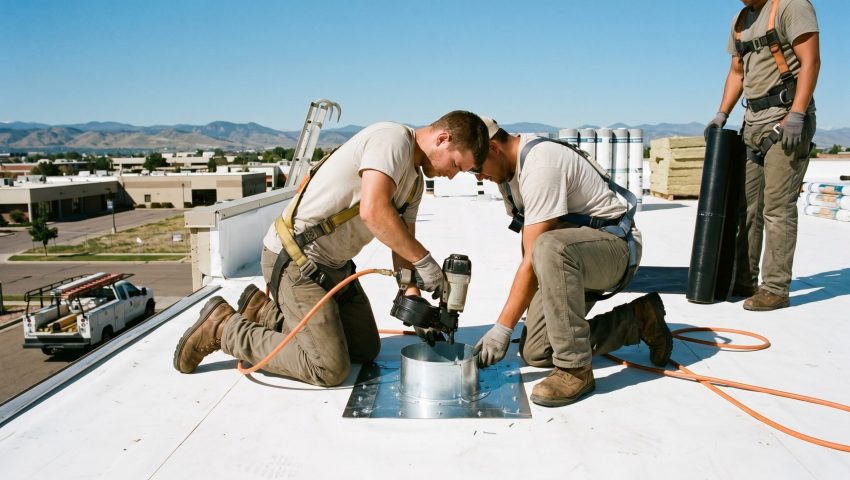
Most owners focus on price alone, yet aligning technical specs with local code saves far more over a roof’s life. Understanding the right contract language lets you control risk and schedule.
Many commercial owners assume the lowest bid wins the project, but that mindset often leads to hidden costs and compliance gaps. In Denver’s hail‑prone climate, a cheap bid can mean a membrane that fails under UL 2218 Class 4 impact, forcing premature repairs. The reality is that the contract language, performance metrics, and material choices matter far more than the headline price. Ignoring these details usually ends in change orders and insurance headaches.
This guide flips the script by treating the negotiation as a technical checklist rather than a price‑only discussion. You’ll see how to embed ASCE 7‑16 wind loads, FM Global uplift ratings, and energy‑code R‑values directly into the scope. By the end, you’ll feel confident demanding clear warranties, schedule guarantees, and compliance proofs from any contractor serving Denver, Aurora, or Castle Pines.
Step 1: Define Scope and Performance Benchmarks
You probably start by asking for a total cost, yet most owners overlook the need to spell out performance criteria up front. Without clear benchmarks, a contractor can substitute a lower‑grade TPO for a PVC membrane that meets FM 1‑90 uplift, leading to future warranty disputes. This step forces you to lock in design loads, fire class, and SRI values that match Denver’s snow load of 30 psf and high UV exposure.
Watch for vague language like ‘industry standard’ that hides the actual standards you need. Successful completion looks like a written scope that cites ASCE 7‑16 wind pressure, UL 790 Class A fire rating, and a minimum SRI of 78 for cool‑roof performance. In practice, the issue is usually not the material choice itself but the missing reference to the National Roofing Contractors Association guidelines.
Key Elements
- Performance Specs: List required wind uplift (FM 1‑90), fire rating (UL 790 Class A), and solar reflectance index (≥78) to meet local code and energy goals.
- Material Equivalency: Allow alternate membranes like EPDM or PVC only if they meet the same FM and UL criteria, referencing ASTM D6878 for TPO and D6694 for PVC.
- Warranty Terms: Demand a non‑decreasing liability (NDL) warranty of at least 20 years, with clear triggers for wind, hail, and puncture events.
By cementing these benchmarks, you eliminate ambiguity and set a solid baseline for every bid. The next step translates this baseline into a structured request for proposals that forces contractors to compare apples‑to‑apples. You’ll also have a documented reference to show insurers and the Denver Building Code officials.
Step 2: Create a Detailed Request for Proposal
Most owners send a simple email asking for a quote, but that approach invites wildly different scopes and hidden fees. A structured RFP forces contractors to break down costs, labor, and materials in a comparable format, reducing the chance of surprise escalation. In Denver’s market, where hail‑resistant assemblies are essential, the RFP should explicitly call for FM‑approved edge metal and ES‑1 compliant flashings.
Common pitfalls include omitting unit‑price schedules for insulation or fasteners, which later become negotiation leverage points. A well‑crafted RFP includes a clear escalation clause, a schedule for weather‑day allowances, and a requirement for shop drawings that reference the NRCA installation manual.
RFP Essentials
- Scope Definition: Break the project into demolition, deck repair, insulation (LTTR ≥ 0.45 per inch), and membrane installation with unit‑price tables.
- Technical Requirements: Cite FM 1‑28 roof‑deck securement, ES‑1 edge metal, and UL 2218 Class 4 hail resistance for all membrane options.
- Schedule Controls: Include a weather‑day allowance of 5 days per 10 °F temperature swing and a penalty for missed milestones.
- Documentation: Require shop drawings, product data sheets from manufacturers like Carlisle SynTec, and a safety plan meeting OSHA Subpart M.
- Evaluation Criteria: Score proposals on cost, compliance, warranty length, and past performance verified through references.
With a detailed RFP in hand, you’ll receive bids that speak the same language, making it easier to spot true cost differences. The next phase moves into the analysis of those bids, where you’ll compare technical equivalency and pricing line‑by‑line. This structured approach also gives you leverage when discussing change orders later.
Step 3: Analyze Bids for Technical Equivalency
It’s tempting to pick the lowest dollar amount, yet many owners miss the hidden cost of a membrane that doesn’t meet the required FM uplift rating. When a bid lists a 45‑mil TPO without FM 1‑90 certification, you risk a warranty that won’t cover wind damage in Denver’s Chinook events. This step ensures every proposal meets the same performance thresholds before price becomes the deciding factor.
Watch for “or equivalent” language that masks lower‑grade products; successful analysis results in a side‑by‑side matrix showing membrane thickness, fire class, and impact rating for each vendor.
Comparison Points
- Membrane Thickness: Verify 45,60,or 80 mil TPO or PVC, noting that thicker membranes improve puncture resistance per ASTM D6878.
- Fire Rating: Ensure UL 790 Class A or higher; a lower rating can affect insurance premiums under the Denver Green Buildings Ordinance.
- Impact Rating: Confirm UL 2218 Class 4 or FM Very Severe Hail approval, critical for the region’s hail‑alley storms.
After this technical vetting, you’ll have a shortlist of bids that truly meet your performance criteria. The next step focuses on cost breakdowns and identifying where value engineering can be applied without sacrificing quality. You’ll also be prepared to discuss specific allowances and alternates with confidence.
Step 4: Negotiate Pricing, Allowances, and Change Orders
Many owners assume price is fixed once a bid is submitted, but most commercial contracts include allowances for unforeseen conditions like deck repair or insulation upgrades. In Denver, freeze‑thaw cycles often reveal deck movement, so an allowance for deck reinforcement can prevent costly change orders later. This step teaches you how to lock in unit prices for common items and set clear thresholds for change‑order approvals.
Typical mistakes involve accepting vague “price‑plus‑materials” language that leaves you exposed to escalation. Successful negotiation results in a detailed schedule of values, a capped escalation percentage, and a written process for approving any scope changes.
Negotiation Levers
- Unit Pricing: Set fixed rates for insulation (e.g., polyiso at $2.50 per sq ft) and fasteners, referencing current market data from the Roofing Alliance.
- Allowance Limits: Define a maximum $5,000 allowance for deck repair, with any excess requiring a written change order signed by both parties.
- Escalation Clause: Cap material price escalation at 3 % annually, tied to the Consumer Price Index to avoid surprise hikes.
- Warranty Alignment: Tie warranty extensions to on‑time completion, ensuring the contractor’s NDL warranty remains in force only if the schedule is met.
With clear pricing and allowance structures, you reduce the risk of surprise costs and keep the project on budget. The next step moves to finalizing the contract language, embedding all the technical and financial terms you’ve negotiated. This preparation also simplifies the permitting process with Denver’s building officials.
Step 5: Finalize Contract Language and Compliance Checks
A common misstep is signing a contract that lacks explicit references to the standards you demanded earlier, leaving room for interpretation. By inserting direct citations to ASCE 7‑16, FM 1‑90, and the National Roofing Contractors Association guidelines, you create a legally enforceable framework that protects your investment. This step also ensures the contract complies with the International Building Code as adopted by Denver.
Watch for missing insurance endorsements or OSHA fall‑protection clauses; a complete contract will list the contractor’s liability coverage and safety plan requirements.
Contract Essentials
- Standard References: Include clauses that require compliance with ASCE 7‑16 wind loads, FM 1‑90 uplift, and UL 790 fire class.
- Insurance Requirements: Mandate a minimum $5 million commercial general liability policy and workers’ comp coverage, with certificates provided before mobilization.
- Safety Protocols: Cite OSHA 29 CFR 1926 Subpart M for fall protection and require a site‑specific safety plan approved by the owner.
- Warranty Documentation: Attach the manufacturer’s warranty data sheet, ensuring the NDL warranty mirrors the specified performance metrics.
The contract now reflects every technical, financial, and safety requirement you need for a successful roof project in Denver and surrounding areas. The final step will guide you through the pre‑construction meeting and the handoff to the installation team, keeping everything on track.
Step 6: Conduct Pre‑Construction Walk‑Through and Mobilization
Even with a perfect contract, many owners skip the final walk‑through, only to discover site constraints like limited crane access or unexpected utility locations. In Denver’s dense commercial districts, confirming crane paths and temporary dry‑in plans can prevent costly delays. This step ensures the contractor’s mobilization plan aligns with your operational schedule and local permitting timelines.
Common oversights include not verifying the contractor’s compliance with the Denver Green Buildings Ordinance for cool‑roof reflectivity. A successful walk‑through results in a signed mobilization checklist, a clear timeline, and agreed‑upon weather‑day allowances.
Walk‑Through Checklist
- Site Access: Confirm crane placement, material storage areas, and traffic control plans that meet Denver’s municipal regulations.
- Weather Planning: Agree on a maximum of 5 weather‑day allowances per 10 °F temperature swing, with documented daily weather logs.
- Safety Review: Verify that the contractor’s fall‑protection system complies with OSHA Subpart M and that all workers have proper PPE.
- Documentation Handover: Collect shop drawings, product data sheets, and the insurance certificates before work begins.
With the walk‑through completed, you’ve minimized risk, secured compliance, and set clear expectations for the installation crew. The roof replacement can now proceed on schedule, and you’ll have a documented trail to reference if any issues arise during the warranty period.
Putting the Negotiation Plan Into Action
You’ve now built a negotiation framework that turns a vague price discussion into a detailed, standards‑driven contract. By defining performance metrics, structuring the RFP, vetting technical equivalency, locking in pricing, finalizing legal language, and confirming site logistics, you protect your commercial property against Denver’s hail, wind, and temperature extremes. This approach reduces surprise costs, streamlines permitting, and gives you confidence that the roof will perform for decades.
Next, schedule a pre‑construction meeting with your chosen contractor and walk through the mobilization checklist one more time. Keep a copy of the signed contract and all supporting documents on site, and plan periodic inspections to verify compliance during installation. When the roof is complete, you’ll have a solid warranty foundation and peace of mind for your business.
Author
JJ Hedden is the owner of Peak To Peak Roofing & Exteriors, a Denver‑based firm that has overseen thousands of commercial roof projects across Colorado. His 15 years of hands‑on experience give him a practical perspective on contract language, material performance, and local code compliance. He brings this field‑tested insight to help business owners secure reliable, long‑lasting roofing solutions.