Hail Damage Documentation Services
Our trained specialists document storm damage using on-roof inspection protocols, NOAA hail verification, and photo evidence that meets carrier standards for claim approval and scope reconciliation.


Most homeowners file a roof insurance claim without documentation of pre-storm condition, which gives adjusters room to deny hail damage as pre-existing wear. Peak To Peak Roofing in Denver handles residential roofing insurance claims by coordinating the adjuster meeting, supplementing underpaid scopes with code-required items like ice barrier and drip edge, and walking homeowners through ACV versus RCV payout timing. The process includes permit pulls and city inspections, which matter because most carriers won't release recoverable depreciation without a signed-off final inspection and invoice.
Certified, Accredited, And Reviewed






A storm claim has a set order. Knowing who is responsible at each step keeps the file moving and keeps you from signing something you should not.
| Stage | Who does it | What happens in plain words | Typical timing |
|---|---|---|---|
| Damage inspection | Roofing contractor | A contractor documents the roof with photos and measurements so you know whether a claim is worth filing. | Same week as the storm in most cases. |
| File the claim | Homeowner | You, the policyholder, open the claim with your carrier. A contractor cannot file it for you. | As soon as damage is confirmed. Policies carry deadlines for prompt notice. |
| Adjuster inspection | Insurance carrier | The carrier sends an adjuster to inspect and write an estimate. Your contractor should be on the roof at the same time. | Usually one to three weeks after filing, longer after a large regional storm. |
| Scope agreement | Contractor and adjuster | The two sides reconcile line items that were missed, such as flashing, drip edge, ventilation and code required items. | Days to a few weeks depending on carrier response. |
| Approval and first payment | Insurance carrier | The carrier issues actual cash value first, holding back depreciation until the work is done. | After scope is agreed. |
| Build the roof | Contractor | Materials ordered, permit pulled, roof replaced to the approved scope and to code. | Typically one day of tear off and install on most homes, weather permitting. |
| Depreciation release | Insurance carrier | Final invoice and completion documents are submitted, and the withheld amount is released. | After final invoice and inspection. |
| Deductible | Homeowner | You pay your deductible. Colorado law prohibits a roofing contractor from paying, rebating or waiving it for you. | At completion. |
Colorado Revised Statutes 6-22-103 requires a residential roofing contract to disclose that the contractor cannot pay, waive or rebate any portion of the insurance deductible, and gives the property owner the right to rescind the contract within 72 hours after being notified the carrier denied the claim in whole or in part. Timelines above are typical field ranges, not guarantees, and vary by carrier and storm volume.
Most claim denials stem from incomplete supplements and missing storm verification, not actual coverage gaps. Carriers approve what the scope documents with code citations and NOAA correlation. Everything else becomes a negotiation the homeowner loses.
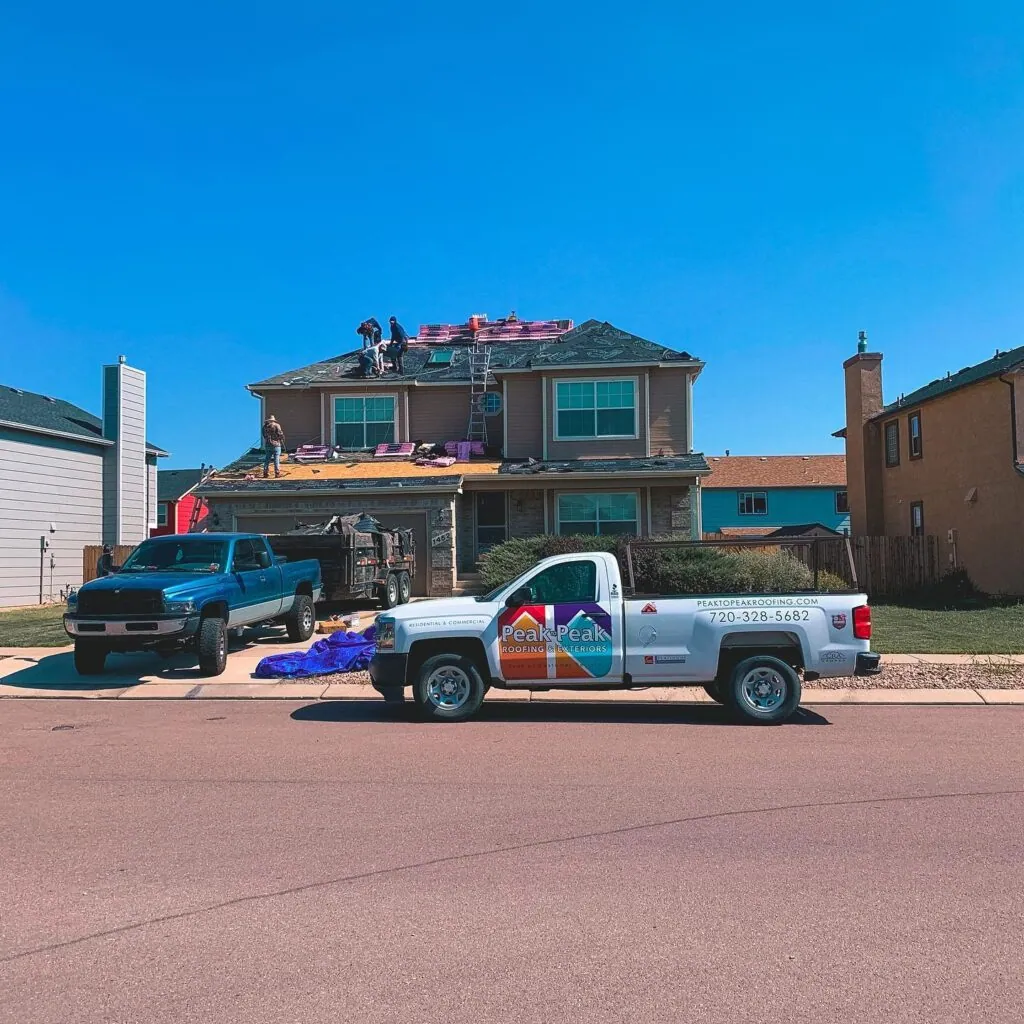
Navigating a roofing insurance claim in Denver requires a contractor with verified credentials and a track record of carrier collaboration. Peak To Peak Roofing maintains industry certifications, top-tier manufacturer partnerships, and consistently high ratings across hundreds of completed residential roofing claims.
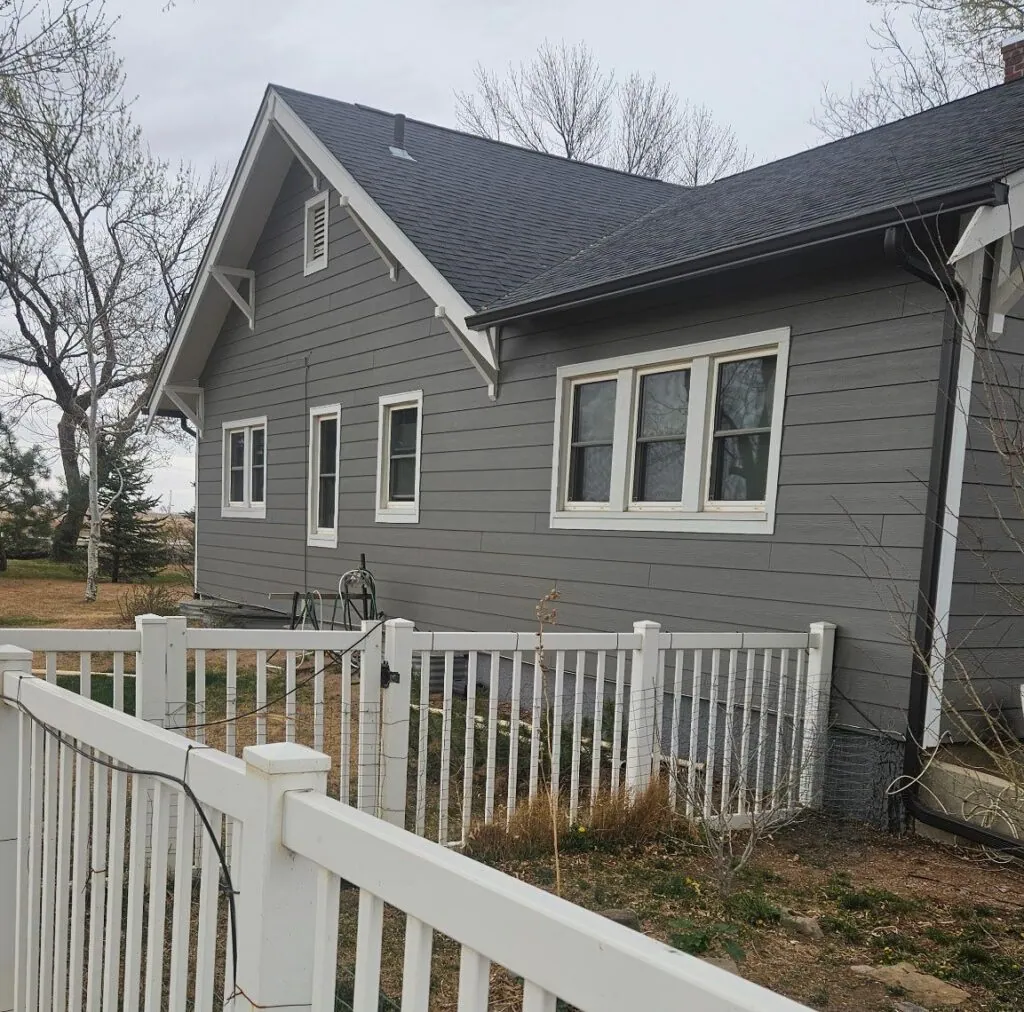
For Dan, we coordinated solar panel removal and reinstallation during a full roof and garage replacement, completing both structures in one day with thorough cleanup and nail sweeping. When Mary Jo called about adding attic ventilation before insulation work, we confirmed her roof already met code from our earlier installation and advised against eyebrow vents that typically leak, saving unnecessary expense. Most homeowners discover the real value of claim assistance after the adjuster meeting, when supplements for code upgrades either get approved with proper documentation or denied without it.
Our trained specialists document storm damage using on-roof inspection protocols, NOAA hail verification, and photo evidence that meets carrier standards for claim approval and scope reconciliation.
We manage adjuster meetings with detailed Xactimate scopes, EagleView measurements, and code-cited supplement preparation that aligns your claim with Denver CPD permit requirements and IRC R905 standards.
Our qualified team identifies required upgrades including drip edge installation, ice barrier coverage at eaves and valleys, and ventilation corrections that carriers authorize as code-compliant scope additions.
We handle the full roof replacement with Class 4 impact-resistant shingles, synthetic underlayment, and complete flashing systems using manufacturer-specified nail counts and NRCA best practices that protect warranty coverage and long-term performance.
Our experienced contractors provide final inspection documentation, permit closeout records, and mortgagee endorsement coordination that helps homeowners recover withheld depreciation from RCV policies without delay.
We evaluate wind creasing, blown-off tabs, and uplift damage through brittleness testing and ASTM D7158 rating review to determine whether repair or full replacement meets structural and warranty requirements.
Carriers reject supplements when the documentation does not match their internal damage thresholds. The photo shows hail bruising, but the adjuster sees blistering or mechanical wear instead, and the claim stalls until someone produces a test square with intact granule adhesion and mat integrity.
UL 2218 Class 4 Specification: Impact resistance verified through manufacturer certification.
ASTM D7158 Wind Rating: Class F performance documented in estimate.
IRC R905 Code Compliance: Drip edge and ice barrier included.
Xactimate Line-Item Accuracy: Scope matches adjuster measurement and NRCA standards.
When Rose needed a roof leak repair and tile replacement, we documented the rotting decking with photos that showed moisture content above nineteen percent, which justified the wood replacement line in the supplement. For Denver Calvary, we replaced a church building section using the same documentation discipline that keeps commercial claims from getting kicked back during final review.
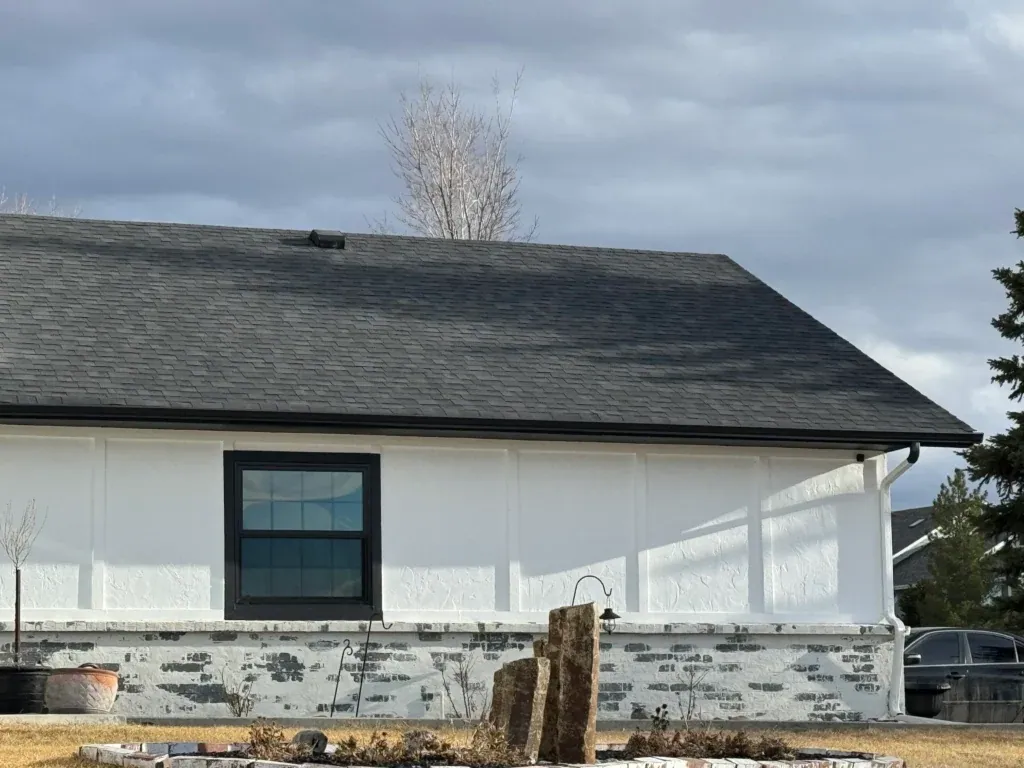
Claims that close without supplement rounds are rare. The first scope misses code upgrades, underestimates decking damage, or omits flashing replacement because the adjuster did not reference manufacturer instructions or IRC R905. Supplement quality determines whether you recover full RCV or settle for partial ACV.
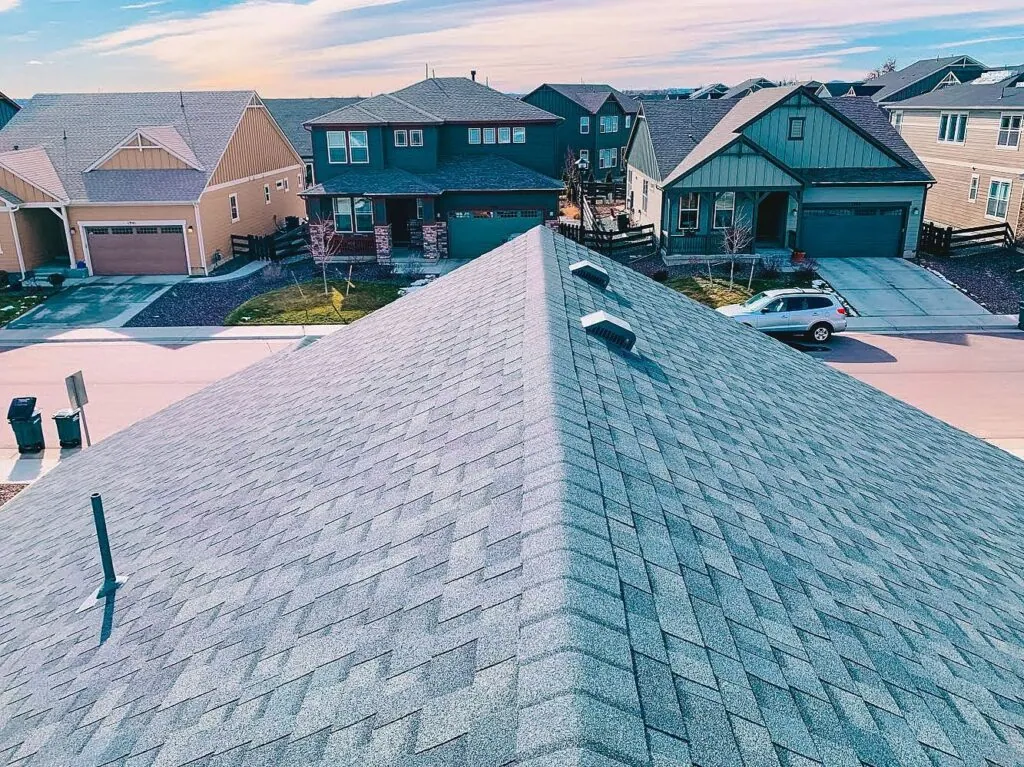
Peak To Peak Roofing serves homeowners throughout Denver and surrounding areas, providing roofing insurance claim assistance directly at their properties. The service area covers Denver, Aurora, Littleton, and Castle Pines, accessible via I-25, I-70, and C-470, and serving communities including Cherry Creek, Highlands, Central Park, and Greenwood Village. Technicians respond quickly to requests throughout the area, offering convenient scheduling that works around customers' availability in Denver and beyond.
Peak To Peak Roofing offers flexible scheduling throughout Denver and surrounding areas, with inspections available directly at your location on timelines that align with carrier deadlines.

JJ Hedden
Founder & Owner
Meet The Owner
JJ Hedden founded Peak to Peak Roofing & Exteriors so Front Range property owners would have a roofer who is still reachable after the truck pulls away. He came up through inspections, claims and installations, so the standards our crews work to are the ones he set on roofs himself.
He meets adjusters on the complicated Front Range claims himself. Scopes are written in the same estimating language the carrier uses, supplements are backed with photos and code references, and you always hear the honest read on what the policy will and will not cover.
We document damage to the standard carriers expect, meet the adjuster on site, and make sure the approved scope matches what your roof actually needs.




4.9/5 from happy homeowners
● Claim Reviews Available Today
We review your scope, photos, and deadlines before you sign anything.
"Peak to Peak was great, they helped me with a repair on my roof. Helped me to extend the life of my roof."
- Luke Howard
Free inspection, same day answers