
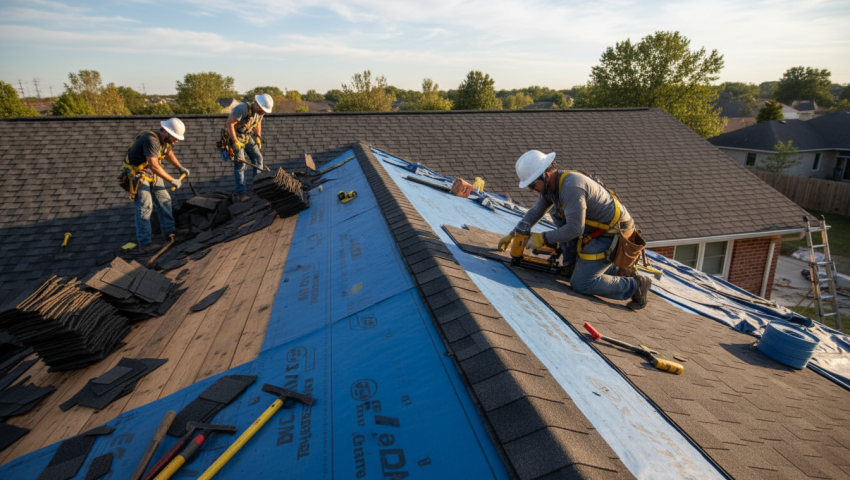
Expert Insight: Most roofing failures happen during the first 48 hours of installation, not years later. Understanding each stage prevents costly mistakes and ensures lasting performance.
You’re watching contractors strip your roof down to bare wood, and suddenly it hits you: what if it rains tonight? This moment of vulnerability captures exactly why understanding roofing installation stages matters so much for Denver homeowners. Every stage builds on the last, and a single misstep during tear-off, decking repair, or weatherproofing can compromise your entire investment.
The difference between a roof that lasts 30 years and one that fails in five often comes down to execution during these critical phases. From the initial tear-off that reveals hidden damage to the final cleanup that shows contractor standards, each stage tells you something important about quality and long-term performance. Here’s what actually happens during a professional roofing installation and why timing, weather, and attention to detail make all the difference.
Key Takeaways
- Tear-Off Timing: Weather windows determine project success, with Denver’s afternoon storms making morning starts essential for protecting exposed decking from moisture damage.
- Decking Assessment: Hidden structural damage discovered during tear-off can double project timelines, making thorough pre-inspection crucial for accurate scheduling and budgeting.
- Underlayment Selection: Synthetic underlayment outperforms felt in Denver’s UV exposure and temperature swings, providing better secondary protection during installation delays.
- Installation Speed: Rushing shingle placement compromises sealant activation and fastener penetration, leading to premature failures in Colorado’s wind and hail conditions.
- Final Inspection: Professional cleanup and magnetic nail sweeps reveal contractor standards and prevent future property damage from overlooked debris and fasteners.
Why Most Roofing Projects Fail During the Tear-Off Phase
The tear-off phase looks straightforward from the ground, but it’s where most roofing disasters begin. Contractors who rush this stage or ignore weather forecasts create problems that haunt the entire project. In Denver’s unpredictable climate, you’ll see crews scrambling to cover exposed decking when afternoon thunderstorms roll in unexpectedly, turning a controlled demolition into an emergency waterproofing situation.
What separates professional tear-off from amateur work isn’t just speed, it’s systematic exposure management. Quality contractors work in sections, never exposing more roof area than they can weatherize in two hours. They coordinate tear-off timing with manufacturer installation guidelines and monitor weather radar constantly, because once that old roof comes off, you’re committed to finishing that section regardless of conditions.
Critical Failures
- Weather Exposure: Leaving large roof sections exposed overnight invites water damage that can cost thousands in structural repairs and delay completion by weeks.
- Deck Damage: Aggressive tear-off techniques damage good sheathing, creating unnecessary replacement costs and extending project timelines beyond original estimates.
- Debris Control: Poor containment during removal damages landscaping, clogs gutters, and creates safety hazards that lead to liability issues and cleanup costs.
- Material Disposal: Inadequate dumpster planning forces multiple hauls, increasing costs and creating scheduling delays when containers overflow during peak removal phases.
- Safety Protocols: Skipping fall protection setup during tear-off creates OSHA violations and puts workers at risk during the most dangerous project phase.
The tear-off phase sets the tone for everything that follows. Contractors who treat it as a race to bare wood usually create more problems than they solve. Smart homeowners watch for systematic approaches, proper tarping procedures, and crews that stop work when weather threatens rather than pushing through and hoping for the best.
The Decking Inspection That Determines Your Project Timeline
Once the old roofing comes off, the real truth about your roof’s condition becomes visible. This inspection moment determines whether you’re looking at a three-day installation or a two-week reconstruction project. Experienced contractors can spot potential deck issues before tear-off begins, but Denver’s freeze-thaw cycles and occasional hail damage often hide problems that only become apparent when old materials are removed.
The decking inspection isn’t just about finding obvious holes or rot. Professional roofers check for proper fastening, adequate thickness, and structural integrity that meets current building codes. They’re looking at detailed installation procedures to ensure the deck can support new materials and withstand Colorado’s wind loads. What they find during this phase determines material orders, timeline adjustments, and final project costs.
Here’s how different deck conditions impact your project timeline and budget:
| Deck Condition | Timeline Impact | Cost Factor |
|---|---|---|
| Solid with minor repairs | No delay | Original estimate |
| Scattered soft spots | 1-2 days added | 15-25% increase |
| Section replacement needed | 3-5 days added | 30-50% increase |
| Major structural issues | 1-2 weeks added | 75-100+ increase |
Inspection Points
- Fastener Withdrawal: Loose or missing deck fasteners compromise the entire roof system’s wind resistance and must be addressed before new materials go down.
- Moisture Damage: Water stains, soft spots, or delaminated OSB indicate leaks that require immediate replacement to prevent future structural failures.
- Span Requirements: Inadequate deck thickness for rafter spacing creates deflection issues that telegraph through new shingles and void manufacturer warranties.
- Edge Conditions: Damaged fascia boards or inadequate drip edge support require carpentry work that extends timelines and increases material costs significantly.
- Ventilation Assessment: Blocked or inadequate soffit ventilation discovered during inspection requires coordination with HVAC considerations and code compliance updates.
The deck inspection phase is where realistic timelines get established and change orders get written. Contractors who rush through this evaluation or downplay discovered issues usually create bigger problems later. Smart homeowners want thorough documentation of deck conditions and clear explanations of any recommended repairs before work continues.
How Weather Windows Control Every Installation Decision
Denver’s weather doesn’t follow installation schedules, and smart contractors plan every phase around realistic weather windows rather than optimistic forecasts. You’ll see quality crews checking radar multiple times per day and making go or no-go decisions based on precipitation timing, not just daily forecasts. The difference between professional and amateur weather management shows up in how crews handle the inevitable afternoon storm that wasn’t supposed to arrive until evening.
Weather windows aren’t just about avoiding rain during shingle installation. Temperature affects sealant activation, wind impacts safety protocols, and humidity influences adhesive performance. Professional installations follow comprehensive roofing procedures that account for Denver’s elevation, UV intensity, and rapid weather changes that can turn a perfect installation day into an emergency weatherization situation.
Weather Factors
- Temperature Ranges: Shingle installation requires temperatures between 45°F and 85°F for proper sealant activation and prevents cracking during handling and placement.
- Wind Thresholds: Sustained winds above 25 mph make shingle installation unsafe and can damage materials before they’re properly fastened to the deck.
- Precipitation Timing: Even light rain on exposed underlayment can cause adhesion failures and moisture entrapment that leads to long-term performance issues.
- UV Exposure: Denver’s high altitude intensifies UV radiation, requiring faster installation of UV-sensitive materials and limiting exposure times for synthetic underlayments.
- Humidity Levels: Low humidity affects sealant curing and can cause premature material drying that impacts long-term adhesion and weather resistance.
Weather window management separates professional installations from rushed jobs that create future problems. Contractors who respect weather limitations and plan accordingly deliver better long-term performance than those who push through marginal conditions. Smart scheduling around Denver’s weather patterns prevents most weather-related installation failures.
The Underlayment Choice That Separates Good Roofers From Great Ones
The underlayment decision reveals more about contractor quality than any other material choice. You’ll see average contractors default to basic felt because it’s cheap and familiar, while quality professionals choose synthetic materials that perform better in Denver’s extreme conditions. This choice affects everything from installation speed to long-term weather resistance, and the cost difference is minimal compared to the performance benefits.
Synthetic underlayment handles Denver’s UV exposure, temperature swings, and occasional installation delays far better than traditional felt. When weather forces installation stops, synthetic materials can remain exposed for months without degradation, while felt starts failing in weeks. Professional contractors understand these performance differences and choose materials based on industry installation standards rather than just upfront cost considerations.
Compare how different underlayment types perform in Denver’s challenging climate conditions:
| Underlayment Type | UV Exposure Limit | Temperature Range | Cost Factor |
|---|---|---|---|
| Basic Felt | 2-4 weeks | Limited flexibility | Lowest cost |
| Synthetic Standard | 6-12 months | Wide temperature range | 20% premium |
| Premium Synthetic | 12+ months | Extreme temperature stable | 40% premium |
Material Differences
- UV Resistance: Synthetic underlayment withstands Denver’s intense high-altitude UV exposure for months, while felt degrades in weeks when left exposed during delays.
- Tear Strength: Synthetic materials resist tearing during installation and high winds, preventing gaps that compromise the secondary water barrier protection system.
- Temperature Stability: Synthetic underlayment maintains flexibility in cold weather and doesn’t become brittle like felt during Denver’s winter temperature extremes.
- Moisture Management: Advanced synthetic materials include vapor permeability features that prevent moisture entrapment while maintaining water resistance during weather exposure.
- Installation Speed: Lighter weight and better handling characteristics allow faster installation with fewer wrinkles and better coverage around penetrations and complex details.
Underlayment choice reflects contractor priorities and long-term thinking. Quality professionals invest in synthetic materials because they understand the performance benefits outweigh the modest cost increase. This decision often indicates how contractors approach other material choices throughout the project.
Why Shingle Installation Speed Actually Hurts Long-Term Performance
Fast shingle installation looks impressive, but it often sacrifices the details that ensure long-term performance. You’ll see crews racing to finish before weather arrives, but proper shingle installation requires attention to fastener placement, sealant activation, and alignment that can’t be rushed. In Denver’s wind and hail environment, installation shortcuts show up as premature failures within the first few years.
Quality shingle installation follows specific patterns and procedures that take time to execute properly. Each shingle needs proper fastener penetration, correct exposure, and adequate sealant contact for wind resistance. Professional installers understand that rushing through these steps creates weak points that Colorado’s severe weather will find and exploit long before the warranty period ends.
Installation Details
- Fastener Placement: Proper nail placement in the nailing zone ensures wind resistance, while rushed installation often results in overdriven or misplaced fasteners that fail.
- Sealant Activation: Shingle sealant strips require proper alignment and pressure to activate, which rushed installation often compromises, reducing wind resistance significantly.
- Exposure Consistency: Maintaining proper shingle exposure across the entire roof requires careful measurement and adjustment that speed-focused crews often skip or estimate.
- Valley Integration: Complex valley details require precise cutting and sealing that takes time to execute properly and prevents the most common leak locations.
- Ridge Ventilation: Proper ridge vent installation requires careful cutting and sealing that affects both ventilation performance and weather resistance long-term.
Installation speed that compromises quality creates problems that show up years later as premature failures and warranty claims. Professional contractors balance efficiency with quality, understanding that proper installation techniques prevent future callbacks and protect their reputation. Smart homeowners watch for crews that take time with details rather than racing to finish.
The Flashing Details That Cause 80% of Future Leak Calls
Flashing installation separates amateur work from professional craftsmanship more than any other roofing phase. You’ll see average contractors use generic flashing approaches that work in mild climates but fail in Denver’s freeze-thaw cycles and severe weather. Professional flashing requires understanding water flow patterns, thermal movement, and integration details that prevent the leak sources responsible for most future service calls.
The critical flashing locations around chimneys, skylights, and wall intersections require custom fitting and multi-layer protection that can’t be rushed or standardized. Each penetration presents unique challenges that require proper material selection, overlap sequences, and sealant application. Poor flashing work might not leak immediately, but Denver’s weather will find every weakness within a few seasons.
Failure Points
- Chimney Integration: Inadequate step flashing and counter-flashing around chimneys creates the most common and expensive leak source that often requires masonry work to repair.
- Skylight Details: Poor skylight flashing integration allows water infiltration that damages ceilings and creates mold issues before leaks become visible to homeowners.
- Valley Construction: Improper valley flashing installation creates debris collection points and water backup that leads to underlayment failure and deck damage.
- Wall Intersections: Inadequate flashing where roofs meet walls allows water penetration into wall systems that causes structural damage and expensive repairs.
- Penetration Sealing: Poor sealing around vents, pipes, and other penetrations creates immediate leak sources that compromise the entire roof system’s integrity.
Flashing details require time, skill, and attention that rushed installations rarely provide. Quality contractors understand that proper flashing work prevents most future problems and protects their reputation. These details often determine whether a roof performs well for decades or starts leaking within the first few years.
What Final Cleanup Reveals About Your Contractor’s Standards
The final cleanup phase reveals contractor standards and attention to detail better than any other project aspect. You’ll see quality contractors perform systematic debris removal, magnetic nail sweeps, and property protection that goes far beyond basic cleanup requirements. Poor cleanup often indicates corners cut throughout the entire project, while thorough cleanup suggests attention to detail in all phases.
Professional cleanup isn’t just about appearance, it’s about safety and long-term property protection. Missed nails damage tires and lawn equipment years later, while inadequate debris removal clogs gutters and creates maintenance issues. Quality contractors understand that cleanup standards reflect their overall professionalism and protect both property and reputation.
Cleanup Standards
- Magnetic Sweeping: Professional magnetic nail collection prevents property damage and safety hazards that can persist for years after installation completion.
- Debris Containment: Systematic debris collection and disposal protects landscaping and prevents gutter clogs that create drainage and ice dam problems.
- Property Protection: Careful removal of protective materials and restoration of disturbed landscaping shows respect for property and attention to detail throughout.
- Documentation Review: Final walkthrough with photo documentation ensures all work meets standards and provides reference for future maintenance and warranty claims.
- System Testing: Final inspection of gutters, downspouts, and ventilation ensures all components function properly and integration details perform as designed.
Cleanup standards often predict long-term contractor reliability and responsiveness to future service needs. Contractors who take pride in final cleanup usually maintain the same standards throughout the entire installation process. This attention to detail often indicates the quality level you can expect if warranty issues arise later.
Planning Your Denver Roof Installation
Understanding roofing installation stages helps Denver homeowners make informed decisions and recognize quality work when they see it. Each phase builds on the previous one, and shortcuts during any stage create problems that compound over time. Weather window management, material selection, and attention to installation details determine whether your roof performs well for decades or requires premature replacement.
The best contractors in Denver understand that proper installation takes time and can’t be rushed through challenging weather or unrealistic deadlines. They choose quality materials, respect weather limitations, and maintain high standards throughout every phase from tear-off to final cleanup. If you’re planning a roofing project and want to work with professionals who understand these critical installation stages, we’re here to help you navigate the process and ensure quality results that protect your home for years to come.
Author
JJ Hedden is the owner of Peak to Peak Roofing with 15 years of hands-on experience managing roofing installations across Denver’s challenging climate conditions. His perspective on installation stages comes from overseeing thousands of projects where weather timing, material selection, and installation quality directly impact long-term performance. JJ’s approach emphasizes systematic installation procedures that account for Colorado’s unique environmental challenges and building requirements.