
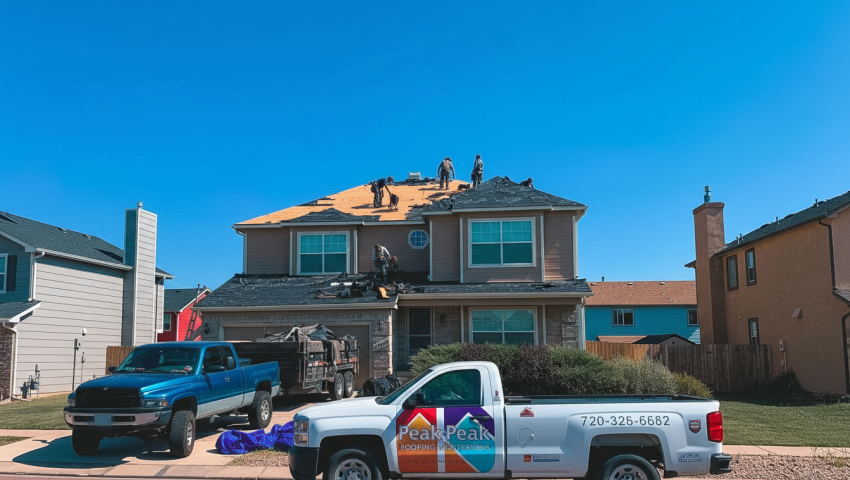
Key Insight: Eco‑friendly roofs often carry higher upfront price tags, yet their long‑term savings can outweigh the initial spend, especially in Denver’s variable climate.
Quick Take: Understanding material lifespans, maintenance needs, and local weather patterns helps you decide whether the premium is justified.
Eco‑friendly roofs cost more at install but can lower energy bills and extend service life, while traditional roofs stay cheaper upfront but may need more frequent repair.
When you compare a green roof to a conventional shingle system, the numbers aren’t just about dollars and cents; they reflect durability, climate resilience, and future repair frequency.
In the Denver metro area, where hail, snow, and UV exposure are common, the choice between sustainable and standard roofing can change the repair schedule and overall ownership cost.
Why Most Roof Repairs Fail Within Two Years of the Original Fix
Improper flashing, rushed fastener placement, and ignoring local wind uplift standards cause many early‑stage failures, especially after Denver’s hail storms.
In Denver, a roof repair that looks solid today can start leaking within months if the underlying issues aren’t addressed. The reality is that many contractors focus on the visible damage and overlook hidden vulnerabilities.
What you’ll see in practice is a pattern: a quick patch, a short‑term fix, and then a repeat call for service. Understanding why this happens helps you demand a lasting solution.
The table below highlights common failure triggers and their typical impact on repair longevity:
| Trigger | Typical Cause | Repair Longevity Impact |
|---|---|---|
| Improper flashing | Mismatched material or missing sealant | Fails within 6‑12 months |
| Insufficient fasteners | Using short nails or wrong spacing | Shingles lift after wind events |
| Skipped underlayment | Skipping synthetic barrier under shingles | Water infiltration within weeks |
| Ignoring wind uplift rating | Not meeting local wind speed requirements | Uplift damage after storms |
| Hail‑impact neglect | Using non‑Class 4 shingles in hail zone | Granule loss leading to leaks |
Key Failure Factors
- Flashing Gaps: Gaps at roof‑wall intersections let water slip in, especially during Denver’s spring thaw, causing hidden deck rot.
- Fastener Corrosion: Galvanized nails can rust in high‑altitude humidity, loosening over time and exposing shingle edges.
- Underlayment Exposure: Synthetic underlayment left exposed to UV degrades faster, compromising its water barrier function.
- Wind Uplift Miscalculations: Ignoring the IBC wind speed maps leads to under‑engineered roofs that lift in gusts.
- Hail‑Impact Overlook: Not using UL 2218 Class 4 shingles in hail‑prone zones invites premature granule loss and leaks.
When you see a repair that doesn’t address these hidden factors, you’re likely to face another call for service. Insist on a thorough inspection that includes flashing, fasteners, and underlayment to protect your investment.
When Patching a Damaged Section Costs More Than Partial Replacement
If damage exceeds 30 % of roof area, replacing the entire panel often saves labor and material costs compared with repeated patches that fail under Denver’s extreme weather.
A small patch may seem like a quick fix, but in Denver’s hail‑heavy climate, a compromised area can quickly spread. The cost of a single patch can balloon when the surrounding shingles lift or the flashing fails.
Experienced roofers often find that when a damaged zone is larger than a few square feet, a partial roof replacement is more economical. This approach restores structural integrity and reduces future repair calls.
Comparison of patch versus partial replacement costs:
| Repair Type | Average Labor Hours | Material Cost Range* | Total Estimated Cost* |
|---|---|---|---|
| Patch (≤10 sq ft) | 2‑4 | $150‑$300 | $350‑$600 |
| Partial Replacement (10‑30 sq ft) | 5‑8 | $500‑$900 | $1,200‑$1,800 |
| Full Panel Swap (≥30 sq ft) | 10‑12 | $1,200‑$1,800 | $2,500‑$3,500 |
*Illustrative, actual amounts may vary.
When to Replace
- Extent of Damage: If more than a third of a roof plane shows cracks or granule loss, a full panel swap prevents future leaks.
- Material Compatibility: Mixing old and new materials can create differential expansion, leading to early failure.
- Hidden Deck Issues: Patching often hides deck rot; replacement forces inspection and repair of the underlying wood.
- Warranty Concerns: Many manufacturers void warranties if patches are used on damaged sections beyond a certain size.
- Future Maintenance: A clean, uniform surface simplifies future inspections and reduces long‑term labor costs.
By weighing the hidden labor and material expenses, you’ll see that a strategic partial replacement often pays for itself, especially when Denver’s weather can quickly turn a minor patch into a major leak.
How Different Roofing Materials Change What ‘Repairable’ Actually Means
Material choice dictates repair methods, lifespan, and cost; eco‑friendly options may need specialized techniques, while traditional shingles allow quicker fixes.
Not all roofs are created equal, and the term “repairable” varies dramatically between material families. In Denver, where temperature swings and hail are common, each material reacts differently to stress.
Understanding the nuances helps you set realistic expectations. For example, a metal panel may survive hail but require precise seam welding, whereas a synthetic underlayment might need full replacement after water intrusion.
Material‑Specific Repair Traits
- Metal Panels: Excellent hail resistance, but seams demand expert welding; a small crack often means panel replacement.
- Impact‑Resistant Shingles: UL 2218 Class 4 rating reduces hail damage, yet granule loss still requires shingle replacement after severe storms.
- Cool‑Roof Coatings: Low‑slope membranes need full re‑coating if punctured; spot repairs rarely hold under UV exposure.
- Synthetic Underlayment: Highly water‑resistant, but tears during installation can cause leaks that demand complete underlayment swap.
- Traditional Asphalt Shingles: Easy to patch, but frequent repairs may indicate underlying deck issues or improper fastener spacing.
Choosing a material that aligns with your maintenance willingness and budget can simplify future repairs. In Denver’s climate, pairing a durable roof with proper installation minimizes surprise repair costs.
The Hidden Deck Damage That Turns a Simple Repair Into a Major Project
Undetected deck rot or moisture intrusion can transform a minor shingle fix into a full‑scale structural overhaul, especially after Denver’s freeze‑thaw cycles.
A roof repair that looks straightforward on the surface may hide deeper problems in the deck. In high‑altitude Denver, repeated freeze‑thaw cycles expand and contract wood, exposing rot that spreads silently.
When a contractor only replaces the visible shingles, the underlying deck can continue to deteriorate, leading to costly structural repairs down the line.
Deck‑Related Red Flags
- Moisture Staining: Dark spots on the underside of the deck indicate water intrusion that often requires deck replacement.
- Soft Wood: Spongy feel under a hammer suggests rot; this condition can’t be fixed by a shingle patch alone.
- Mold Growth: Visible mold on the attic floor points to chronic moisture, requiring ventilation and deck repair.
- Sagging Areas: Any dip in the roof line may signal compromised joists needing reinforcement.
- Fastener Pull‑Out: Loose nails or screws often reveal deck weakening, demanding a full deck assessment.
A thorough deck inspection before any repair not only prevents surprise expenses but also extends the life of the entire roof system, keeping Denver homeowners out of the repair loop.
Why Asphalt Shingle Repairs Look Easy But Fail Faster Than Metal Patches
Asphalt shingles are quick to replace, yet they are more vulnerable to UV, hail, and wind uplift, leading to a higher frequency of repeat repairs compared with metal solutions.
The appeal of asphalt shingles lies in their low cost and easy installation. However, in Denver’s hail‑dense environment, these benefits can become liabilities.
Metal patches, while initially pricier, often survive the same storms without cracking, making them a smarter long‑term investment for many homeowners.
Shingle vs. Metal Longevity
- UV Degradation: Asphalt granules break down after years of sun exposure, reducing water resistance faster than metal.
- Hail Impact: Even impact‑resistant shingles can lose granules, whereas metal panels typically bounce hail with minimal damage.
- Wind Uplift: Shingles lift more easily under high winds, while metal panels stay securely fastened.
- Thermal Expansion: Asphalt expands and contracts, leading to cracks; metal’s predictable expansion reduces seam stress.
- Repair Frequency: Homeowners often need shingle repairs every 5‑7 years, while metal roofs may go 15‑20 years without major work.
If you’re looking for a roof that requires fewer visits from the repair crew, metal may be the answer, especially in Denver’s volatile weather.
What a $800 Roof Repair Quote Should Include Beyond Materials and Labor
A transparent $800 estimate should cover disposal, permits, inspection, and warranty protection, ensuring no hidden fees appear later in Denver’s market.
When you receive a modest $800 quote, it’s tempting to assume everything is covered. In reality, many essential items are often omitted, leading to surprise charges after the work begins.
A comprehensive quote protects you from hidden costs and ensures the repair meets Denver’s building code and safety standards.
Essential Quote Components
- Permit Fees: Denver requires a permit for repairs exceeding 200 sq ft; the cost should be itemized in the estimate.
- Disposal Costs: Proper removal and recycling of old shingles or underlayment add to the total expense.
- Inspection Fees: A post‑repair inspection guarantees the work meets code and manufacturer warranty requirements.
- Warranty Coverage: A written warranty on labor and materials protects you against future failures.
- Safety Measures: Fall protection equipment and OSHA‑compliant practices are essential for crew safety and liability.
Demanding a detailed breakdown before signing helps you compare offers fairly and avoid unexpected fees, a practice especially important for homeowners across Denver, Aurora, and Englewood.
The One Roofing Material Where DIY Repairs Void Your Warranty Immediately
Attempting DIY fixes on metal roofing systems typically breaches manufacturer warranties, leaving you responsible for full replacement costs.
Many homeowners think a quick nail or sealant job won’t hurt, but with certain materials, even a small DIY mistake can void the entire warranty. In Denver, where roof longevity matters, this risk is significant.
Understanding which material carries this risk helps you decide when to call a professional rather than tackle the job yourself.
Warranty‑Sensitive Material
- Metal Roofing: Manufacturers require factory‑installed seams and specific fastener types; any deviation can nullify the warranty.
- Specialty Coatings: Applying a sealant not approved by the coating brand often leads to premature failure and loss of coverage.
- Impact‑Resistant Shingles: DIY removal of damaged sections without proper flashing can breach the warranty terms.
- Cool‑Roof Membranes: Cutting or patching membranes without certified installers typically voids the product guarantee.
- Solar‑Integrated Tiles: Any alteration to the integrated wiring or mounting system invalidates the warranty.
When a roof component is covered by a strict warranty, it’s usually best to let trained technicians handle repairs, especially in Denver’s demanding climate.
Balancing Cost and Longevity
Choosing between eco‑friendly and traditional roofing isn’t just about the initial price tag; it’s about how each option performs under Denver’s hail, snow, and UV exposure, and how that performance translates into repair frequency and total ownership cost.
By understanding hidden deck issues, material‑specific repair limits, and the full scope of a repair quote, you can make a confident decision that protects your home and wallet for years to come.
Author
JJ Hedden is the owner of Peak To Peak Roofing, bringing 15 years of hands‑on experience with roof repair across Denver and surrounding communities. His deep knowledge of both eco‑friendly and traditional roofing systems helps homeowners navigate cost‑effective, long‑lasting solutions.