
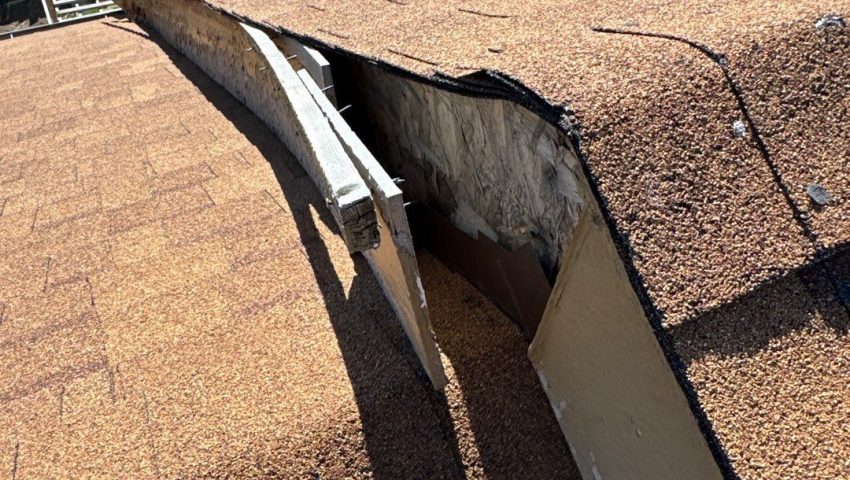
When a storm leaves a dented shingle or a dripping ceiling, the first question is often,how much will this fix cost? The answer isn’t a single number; it depends on material, labor, and local code requirements.
In this guide we break down the typical repair scenario, explain why prices vary, and give you clear steps to avoid surprise bills.
Most roof repair costs revolve around material choice, labor hours, and local permitting. Understanding the hidden factors helps you budget realistically and avoid costly overruns.
A broken shingle or a small leak can feel overwhelming, especially when you’re juggling daily life in Denver, Aurora, or Englewood. The frustration is real, but the good news is that a clear picture of what’s involved makes the process far less stressful.
We’ll walk through the most frequent repair type, the price range you’ll see in Colorado’s Front Range, and the key decisions that keep your home protected without draining your wallet.
What That $500 Roof Repair Estimate Actually Includes (and What It Doesn’t)
A $500 estimate often sounds appealing, but it usually covers only the basics. In Denver and surrounding areas, the quote typically includes material cost for a few shingles, labor for removal and replacement, and a basic debris cleanup.
What many homeowners miss is the exclusion of hidden labor, disposal fees, and any necessary code‑compliant upgrades. Those extra items can push the final bill well beyond the initial figure, especially when dealing with older roofs or multiple layers.
Breakdown of a $500 Quote
- Materials: A limited number of shingles, nails, and a small roll of underlayment, enough for a patch of about 10 sq ft.
- Labor: Two technicians working for roughly two hours, focusing on removal of damaged sections and installation of the new patch.
- Disposal: Basic removal of old shingles and packaging for a single dumpster load, often covered in the estimate.
- Travel: Minimal travel cost assuming the job site is within the Denver metro area, which is typical for local service zones.
- Exclusions: No roof deck inspection, no flashing replacement, and no permit fees, all of which can add $200‑$800 depending on scope.
When you receive a $500 estimate, ask the contractor to itemize each component. Knowing exactly what’s covered prevents surprise charges later, especially if the roof deck needs reinforcement or if local permits become required.
Why Small Leaks Cost More to Fix Than Homeowners Expect
A tiny drip from a corner of the roof can quickly turn into a costly repair if the underlying cause isn’t addressed. In the Front Range, freeze‑thaw cycles often hide moisture behind shingles, making detection harder.
Most homeowners assume a simple sealant job will stop the leak, but the reality is that water can travel along rafters, damaging insulation and wood decking before it becomes visible.
Hidden Costs of Small Leaks
- Inspection: Professional infrared thermography can reveal hidden moisture, which may add $150‑$250 to the job but saving thousands in future damage.
- Flashing Replacement: Leaks often stem from deteriorated flashing; replacing it can add $300‑$600 compared to a quick sealant job.
- Deck Repair: Water intrusion may rot roof decking, requiring panel replacement at an estimated $2‑$4 per square foot, a cost many overlook.
- Mold Remediation: Persistent dampness can lead to mold growth, which may require specialized cleaning and testing, costing an estimated $500‑$1,200.
- Code Updates: Denver’s code may require an ice‑and‑water shield in certain areas, an extra $0.75 per square foot that isn’t included in a simple leak fix.
Understanding that a small leak can mask larger issues helps you budget for a thorough repair rather than a quick patch. Insisting on a full inspection and proper flashing replacement protects your home and wallet in the long run.
The Hidden Labor Costs That Separate $300 Patches from $1,200 Repairs
Labor is the biggest variable in any roof repair, and it’s not just about the number of nails driven. In Denver’s high‑altitude climate, crews must take extra precautions to ensure proper adhesion and safety.
A $300 patch often involves a single technician and minimal prep, while a $1,200 repair includes comprehensive deck work, multiple crew members, and safety measures that meet OSHA standards.
Labor Factors Explained
- Crew Size: Larger jobs require a crew of three to four, increasing labor rates but allowing faster, safer completion.
- Safety Setup: Fall protection systems, scaffolding, and harnesses can add $200‑$400 to the total, especially on steep‑slope roofs.
- Deck Preparation: Removing old underlayment, cleaning debris, and priming the deck can double labor time compared to a simple shingle swap.
- Weather Delays: In winter, crews must heat materials and work in shorter windows, which can add $150‑$250 for extra labor.
- Quality Assurance: Post‑repair inspections and documentation, required by Denver’s building department, add time and cost but ensure compliance.
When evaluating a quote, compare the labor breakdown. A higher upfront labor cost often reflects a more thorough, code‑compliant approach that prevents future failures.
How Your Roof’s Age Changes What You Should Pay for Repairs
Roof age is a silent driver of repair cost. A roof installed in the early 2000s will have different needs than a brand‑new system, especially under Denver’s harsh sun and hail storms.
Older roofs often have multiple layers, which can trap moisture and reduce the effectiveness of new repairs. Understanding the age helps you decide whether a patch or a full replacement makes sense.
Age‑Related Cost Implications
- Multiple Layers: Removing existing layers before a repair can add $0.50‑$0.75 per square foot for disposal and labor.
- Material Degradation: Asphalt shingles lose flexibility after 15‑20 years, increasing the risk of cracking during repair, which may require additional sealant.
- Warranty Gaps: Older roofs may be out of manufacturer warranty, meaning you’ll bear the full cost of material failures.
- Structural Wear: Roof decking can sag over time; reinforcing it can add an estimated $1‑$2 per square foot, a cost often missed in simple estimates.
- Code Evolution: Denver’s current code requires higher wind ratings than older codes; upgrading to meet current standards can add $300‑$600.
Assessing roof age early allows you to weigh the long‑term benefits of a full replacement against a targeted repair. In many cases, investing a bit more now avoids larger expenses down the road.
When a $2,000 Repair Quote Means You Actually Need a $15,000 Replacement
A $2,000 quote can feel like a bargain, but sometimes it signals deeper issues that only a full roof replacement can solve. In Denver’s climate, repeated hail and freeze‑thaw cycles accelerate wear.
If the estimate includes extensive decking work, multiple layer removal, or major flashing upgrades, you may be looking at a roof that’s nearing the end of its service life.
Red Flags in a $2,000 Quote
- Extensive Deck Work: When the quote lists deck repairs, it often means the underlying structure is compromised.
- Multiple Layers: Removing two or more layers can double labor and disposal costs, indicating the roof is older and may need replacement.
- High‑Impact Materials: Recommending Class 4 shingles suggests the existing roof can’t handle hail, a sign of aging.
- Permit Requirements: A quote that includes a permit fee signals work over 200 sq ft, often a threshold for larger projects.
- Warranty Gaps: If the contractor mentions a new warranty for the repair, they may be covering a broader scope than a simple patch.
When these signs appear, ask for a full roof assessment. A professional inspection can confirm whether a $15,000 replacement is the smarter investment, protecting your home for the next two decades.
The Material Markup Most Roofing Companies Won’t Explain Upfront
Material costs are transparent, but the markup applied by contractors can be opaque. In the Denver market, the difference between a manufacturer’s price and what you pay can be significant.
Understanding typical markup percentages helps you negotiate a fair price and avoid paying extra for brand‑name products you may never need.
Typical Markup Breakdown
- Base Material Cost: Manufacturer price for standard asphalt shingles runs an average of $90‑$120 per square, before any labor.
- Contractor Markup: Most local firms add 20‑30 % for handling, storage, and profit, bringing the cost to an estimated $110‑$160 per square.
- Premium Options: Class 4 impact‑rated shingles can carry a 40‑50 % markup due to limited availability and higher demand in hail‑prone areas.
- Underlayment Choices: Synthetic underlayment may be marked up 25 % compared to felt, reflecting durability but also profit margins.
- Fasteners and Sealants: Small items often have a 35‑45 % markup, a hidden cost that adds up on larger jobs.
Ask your contractor for a detailed material list and compare it with manufacturer pricing. Transparency in markup ensures you’re paying for quality, not just profit.
Why Emergency Roof Repairs Cost Double (and How to Avoid Paying It)
Emergency repairs, like a sudden roof collapse after a hailstorm, often come with a premium. The urgency forces crews to work outside normal hours, and the need for immediate materials drives up prices.
In Denver, the combination of high altitude, rapid weather changes, and strict code enforcement can make emergency work especially expensive.
Factors Driving Emergency Costs
- After‑Hours Labor: Night or weekend work adds a 50‑75 % premium to hourly rates.
- Expedited Materials: Same‑day delivery of impact‑rated shingles or flashing can increase material cost by 20‑30 %.
- Safety Setup: Rapid deployment of fall protection and scaffolding under time pressure raises safety expenses.
- Permit Rush: Denver may issue expedited permits for a higher fee, often $150‑$300 extra.
- Inspection Delay: Emergency jobs may skip a thorough deck inspection, leading to hidden damage that later requires costly repairs.
To avoid double‑price emergency work, schedule regular roof inspections and address minor issues before they become crises. A preventive maintenance plan can keep your roof in shape and your budget intact.
Smart Choices for Roof Repair Costs
Understanding the true scope of a roof repair, materials, labor, permits, and hidden factors, gives you confidence when negotiating with contractors in Denver, Aurora, or Englewood. By recognizing red flags early, you can decide whether a patch or a full replacement makes financial sense.
Take the next step by scheduling a professional inspection, asking for a detailed, itemized quote, and comparing material options. A well‑informed homeowner protects their investment and enjoys peace of mind for years to come.
Author
JJ Hedden is the owner of Peak To Peak Roofing, bringing 15 years of hands‑on experience with roof repair across the Denver metro area. His deep knowledge of local codes and weather challenges helps homeowners make smart, cost‑effective decisions.