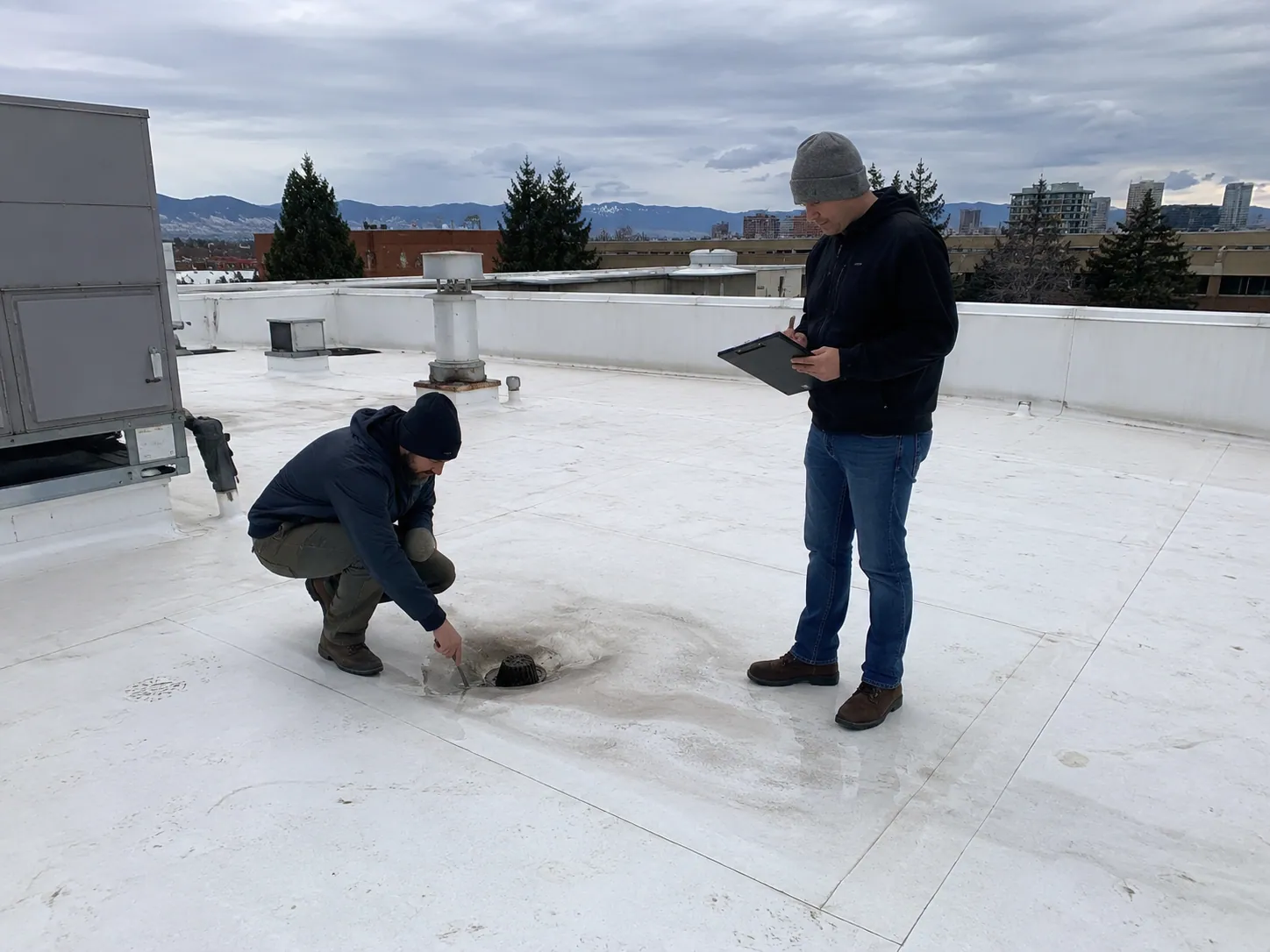
The hidden wear often builds up between inspections, not during the big weather events.
Understanding those quiet failures can save you money and stress. This guide walks you through the most overlooked maintenance steps and how to spot trouble before it escalates.
Most roof damage accumulates between professional inspections, especially in Denver’s variable climate. Spotting early signs and following a seasonal checklist keeps your roof healthy longer.
If you live in Denver, Aurora, Littleton, Parker, or Centennial, you already know the weather can be extreme. From hail in summer to snow in winter, each season tests your roof in different ways.
This article shows you why those tests matter, what to look for, and how a simple routine can extend the life of your roof while protecting your home’s value.
Why Most Roof Damage Happens Between Inspections, Not During Storms
Homeowners often assume that the biggest roof threats arrive with the next thunderstorm, yet the real culprits are tiny gaps and worn seals that develop over months. In Denver’s high‑altitude climate, freeze‑thaw cycles quietly pry apart flashing and mortar joints long before a wind gust arrives.
When a storm finally hits, the roof may already be compromised, so the damage appears sudden even though the decay started weeks earlier. Recognizing this pattern lets you intervene early and avoid costly emergency repairs.
Below is a quick comparison of common hidden problems versus their typical visible symptoms:
| Hidden Issue | Typical Symptom | Recommended Action |
|---|---|---|
| Flashing fatigue | Water stains near roof‑wall junction | Replace or reseal flashing during inspection |
| Granule loss | Granules in gutters, faded shingles | Apply protective coating or replace affected shingles |
| Vent blockage | Moldy attic odor, higher energy bills | Clean vents and ensure proper airflow |
| Sealant shrinkage | Small cracks around penetrations | Reapply high‑quality sealant |
| Snow load stress | Sagging roof line after heavy snow | Re‑fasten loose shingles, add snow guards |
Key Inspection Gaps
- Flashing Fatigue: Over time, metal flashing around chimneys and vents can develop micro‑cracks from thermal expansion, allowing water to seep in during rain.
- Granule Loss: Hail and UV exposure strip protective granules from shingles, reducing water resistance and accelerating underlying asphalt breakdown.
- Vent Blockage: Dust and debris can clog ridge or soffit vents, trapping moisture and encouraging mold growth inside the attic.
- Sealant Shrinkage: Silicone and tar sealants contract with temperature swings, creating gaps that let wind‑driven rain infiltrate the roof deck.
- Snow Load Stress: Accumulated snow adds weight that can lift loose shingles, especially on older roofs that haven’t been re‑nailed recently.
In practice, these hidden issues show up as small stains on ceilings or occasional drip spots, not as dramatic roof collapse. By scheduling regular professional inspections, you catch the early signs before they become visible leaks. This proactive approach is especially valuable for homes in Denver’s snow‑prone neighborhoods where winter stress is a constant factor.
The Three Roof Zones That Fail First Without Seasonal Maintenance
Every roof has hot spots that wear out faster than the rest. In the Denver metro area, three zones consistently show early signs of fatigue: the ridge line, the eaves, and the flashing around roof‑to‑wall transitions.
Targeting these zones with a seasonal checklist prevents larger failures and keeps your roof performing at peak efficiency throughout the year.
Priority Zones
- Ridge Line: Exposed to constant wind uplift and UV, the ridge often loses granules first, leading to cracked shingles that let water run down the roof deck.
- Eaves and Gutters: Ice dams form here when warm attic air melts snow, then refreezes at the eave, pushing water back under shingles.
- Wall Flashing: The junction between roof and walls is a frequent leak source, especially where flashing was installed without proper underlayment.
- Vent Boots: These rubber boots around vent pipes shrink in cold weather, creating gaps that let moisture infiltrate the attic.
- Roof Deck Edges: Over time, the deck can warp from repeated freeze‑thaw cycles, reducing the support for edge shingles.
Addressing these zones before they deteriorate saves money and prevents interior damage. A simple visual check each season, followed by a targeted repair, can extend your roof’s service life by several years, especially in high‑altitude locations like Denver and its surrounding suburbs.
How to Spot the Difference Between Surface Wear and Structural Decline
Not every cracked shingle means your roof is about to fail. Surface wear, such as granule loss, is often cosmetic, while structural decline involves the deck or supporting layers.
Learning to tell the two apart helps you prioritize repairs and avoid unnecessary replacements, a crucial skill for homeowners in areas with frequent hail and UV exposure.
Diagnostic Signs
- Granule Accumulation: If you find granules in gutters but the shingles still sit flat, it’s likely surface wear that can be addressed with a protective coating.
- Sagging Deck: Noticeable dips in the roof line indicate deck rot or compromised rafters, requiring structural reinforcement.
- Cracked Shingles: Small cracks that don’t spread are usually surface issues; large, jagged splits that expose the underlayment signal deeper damage.
In practice, a quick tap with a screwdriver can reveal softness under the shingle, indicating deck rot, while a visual inspection of granule loss points to surface wear. Understanding this distinction lets you allocate budget wisely, fixing only what truly threatens your home’s envelope.
What a Professional Roof Inspection Actually Includes (Versus a Free Estimate)
A free estimate often focuses on price and basic visual checks, whereas a professional inspection dives deep into structural integrity, moisture intrusion, and code compliance.
For homeowners in Denver, Aurora, or Littleton, the difference can mean catching a hidden leak before the next snowstorm hits.
Inspection Components
- Thermal Imaging: Detects hidden moisture behind shingles, especially useful after hail events that may not leave obvious surface damage.
- Flashings Review: Examines all roof‑to‑wall and vent flashings for sealant degradation, a frequent source of leaks in high‑wind areas.
- Ventilation Assessment: Measures airflow in the attic to ensure proper ventilation, preventing ice dam formation during winter.
- Material Sampling: Takes small samples of shingle or membrane to test for UV degradation or polymer breakdown, following ASTM standards.
- Code Verification: Checks that the roof meets local IBC and IRC amendments for wind uplift and snow load, essential for insurance compliance.
The result is a detailed report with prioritized recommendations, not just a price quote. Homeowners who act on these findings typically see fewer emergency repairs and lower long‑term maintenance costs.
The Maintenance Tasks Homeowners Can Handle and the Ones They Shouldn’t
Some roof tasks are safe for a DIY approach, while others demand professional tools and expertise. Knowing where to draw the line protects both your roof and your safety.
In the Denver metro area, the mix of hail, snow, and UV creates unique challenges that make certain tasks riskier than they appear.
DIY vs. Pro
- Cleaning Gutters: Homeowners can clear debris and ensure proper drainage, but must use a stable ladder and avoid over‑reaching on steep roofs.
- Replacing Shingles: Small, isolated shingle replacements are doable with a ladder and proper safety gear; however, large‑area replacements should be left to professionals to maintain warranty coverage.
- Sealing Flashing: Applying sealant around vents is a quick fix, yet long‑term flashing repair requires experienced installers to prevent future leaks.
- Inspecting for Damage: Visual checks after a hailstorm are safe, but using a drone or climbing onto the roof for a detailed inspection should be performed by trained technicians.
Balancing DIY efforts with professional help ensures you address easy tasks promptly while avoiding costly mistakes on complex repairs. This approach keeps your roof in top shape without compromising safety.
Why Fall Roof Maintenance Matters More Than Spring Cleaning
Many homeowners treat fall and spring as interchangeable cleaning seasons, but the timing of roof maintenance dramatically influences its effectiveness. In Denver, the transition from summer heat to winter cold creates a critical window for preventative work.
Addressing issues now prevents ice dam formation and wind uplift damage that are far harder to fix after a heavy snowfall.
Comparison of seasonal maintenance focus areas:
| Season | Primary Concern | Key Action |
|---|---|---|
| Fall | Prevent ice dams | Seal vents, add insulation |
| Winter | Manage snow load | Remove excess snow, check for uplift |
| Spring | Repair hail damage | Inspect granule loss, replace damaged shingles |
Fall Priorities
- Clear Debris: Remove leaves and branches that can trap moisture, reducing the risk of rot during winter freeze‑thaw cycles.
- Check Flashing: Inspect and reseal all roof‑to‑wall flashings before snow adds weight, ensuring water cannot seep in at the seams.
- Upgrade Insulation: Adding attic insulation now helps keep the roof deck warmer, preventing ice dams caused by warm air melting snow on the roof.
- Seal Vents: Replace cracked vent boots to stop warm air from escaping and creating melt‑refreeze patterns on the eaves.
- Trim Overhanging Limbs: Branches that brush the roof can damage shingles during wind events common in early fall.
By tackling these tasks before the first snow, you reduce the chance of water intrusion and structural stress. A well‑maintained roof in fall sets the stage for a dry, stable winter and a smoother spring inspection.
When Proactive Maintenance Stops Making Sense and Replacement Becomes the Better Investment
Even the best maintenance schedule has limits. After a certain age or damage level, repairing a roof becomes less cost‑effective than a full replacement, especially in a market with high UV and hail exposure like Denver.
Understanding the tipping point helps you budget wisely and avoid endless patchwork.
Replacement Triggers
- Age Over 20 Years: Asphalt shingles typically lose their protective granule layer after two decades, making them vulnerable to leaks.
- Multiple Storm Hits: Repeated hail and wind events can thin the membrane, leading to frequent repairs that add up financially.
- Structural Damage: Visible sagging or rot in the roof deck indicates that repairs would be temporary at best.
- Energy Inefficiency: Older roofs often have poor R‑values, increasing heating costs in Denver’s cold winters.
When these signs appear, a professional assessment can calculate the cost‑benefit ratio of repair versus replacement. In many cases, a new roof, especially a metal system, offers longer life, better energy performance, and peace of mind.
Roof Maintenance Mastery for Colorado Homes
You’ve learned why hidden wear matters, which roof zones need extra attention, and how to differentiate surface wear from structural issues. By following a seasonal checklist and knowing when to call a professional, you can keep your roof resilient against Denver’s hail, snow, and UV challenges.
Ready to protect your home? Schedule a detailed roof inspection with Peak To Peak Roofing and take the first step toward a longer‑lasting roof.
Author
JJ Hedden is a veteran roofing specialist with over fifteen years of hands‑on experience in Colorado’s high‑altitude market. His work with Peak To Peak Roofing gives him a practical perspective on how seasonal maintenance can extend roof life and protect homeowners from costly repairs.