Quick Take: When a storm hits, the clock starts ticking on roof damage. Acting within hours can save your home from water intrusion and costly structural repairs.
Quick Take: This guide walks you through the most common pitfalls, the right temporary fixes, and how to choose a trustworthy crew across Denver and surrounding Colorado towns.
Emergency roof repairs demand immediate action; a quick tarp can stop leaks, but proper documentation and a qualified contractor are essential for insurance and long‑term safety.
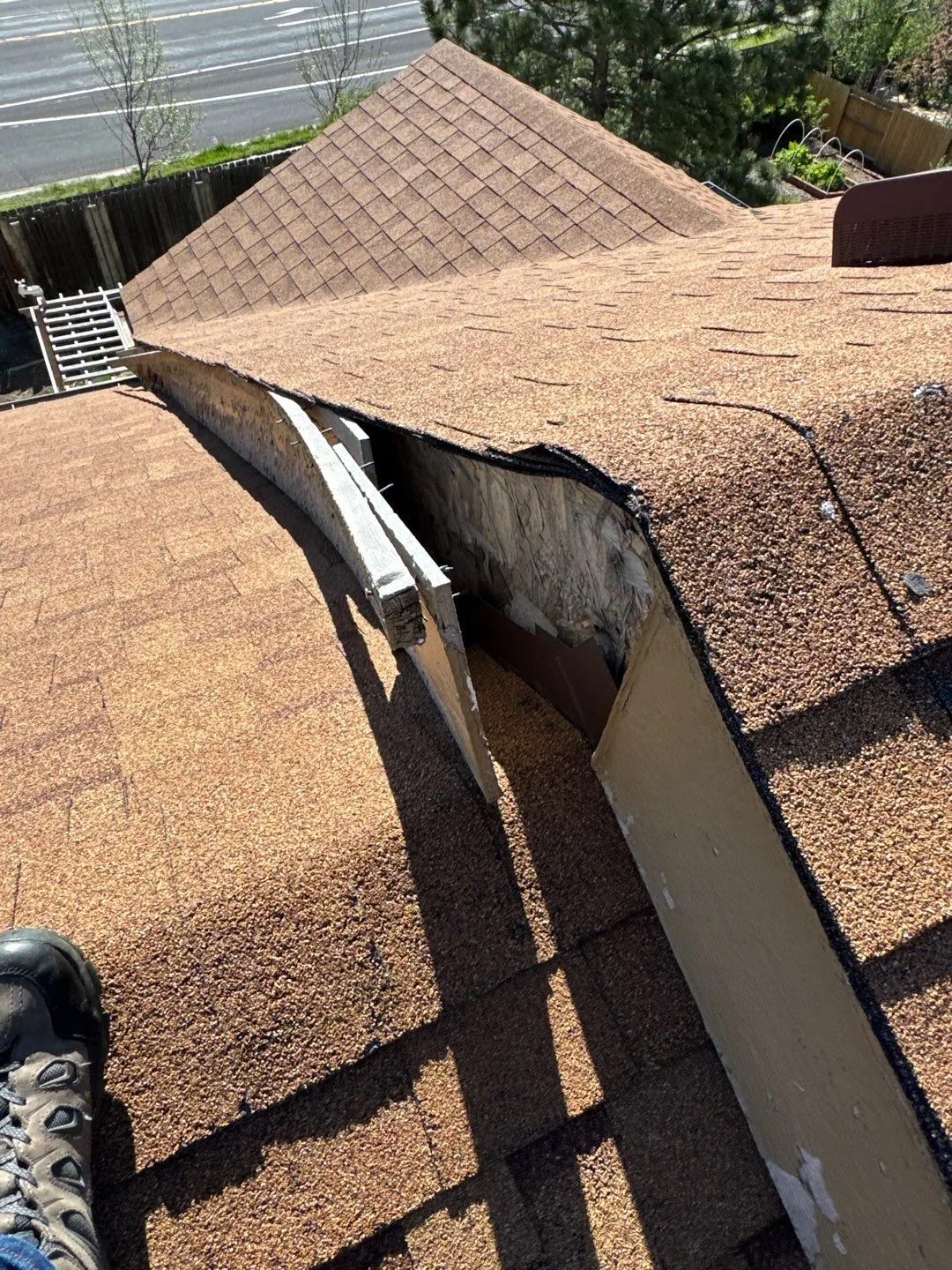
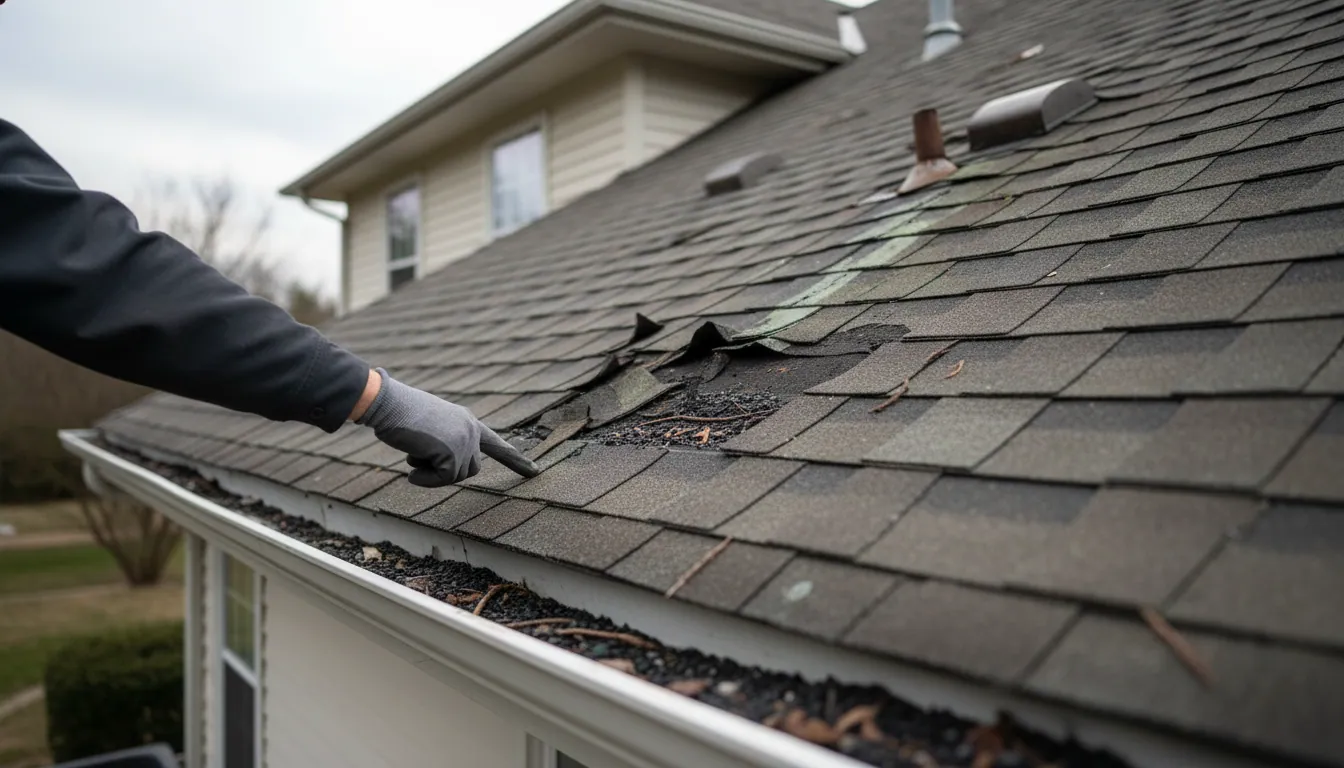
If a hailstorm or wind gust leaves a hole in your roof, the first 24 hours are critical. Water can seep into insulation, rot wood, and even cause mold if not halted promptly.
In this article you’ll discover why early intervention matters, what temporary measures actually protect, and how to navigate insurance paperwork without getting stuck in a cycle of repeat patches.
Why Most Storm Damage Gets Worse in the First 24 Hours
When a storm drops hail or drives wind into your roof, the initial breach lets water rush in. Within minutes the moisture spreads across decking, soaking insulation and weakening fasteners.
If the leak isn’t sealed quickly, freeze‑thaw cycles in the Colorado evenings can expand cracks, and wind uplift can pry loose shingles further, turning a small puncture into a structural issue.
A quick look at how exposure time affects damage severity:
| Exposure Time | Typical Water Intrusion | Potential Structural Impact |
|---|---|---|
| 0‑6 hours | Limited to localized wet spot | Minimal, mostly cosmetic |
| 6‑12 hours | Water spreads to adjacent joists | Risk of wood rot begins |
| 12‑24 hours | Moisture reaches insulation layer | Increased chance of mold and fastener corrosion |
Key Factors That Accelerate Damage
- Moisture Migration: Water follows gravity and capillary action, moving from the breach into hidden cavities, which can double the repair cost if left unchecked.
- Temperature Fluctuation: Nighttime freezes expand trapped water, pushing seams apart and creating new entry points for later storms.
- Wind Uplift: Unsecured edges act like sails; gusts over 30 mph can lift tarps or loose shingles, exposing fresh wood to the elements.
- Material Degradation: UV exposure on temporary patches weakens polymers, making them prone to tearing within days.
Because the damage compounds so fast, the best defense is a rapid, well‑executed temporary seal. That buys you time to arrange a permanent fix while keeping the interior dry and the structure stable.
The Three Roof Emergencies That Can’t Wait Until Morning
Not every roof issue can be postponed until daylight. Some conditions pose immediate safety risks or threaten the building envelope.
Understanding which scenarios demand an instant response helps you prioritize calls and avoid costly delays, especially during Colorado’s unpredictable spring storms.
Urgent Scenarios
- Active Leak During Rain: Water pouring inside can ruin flooring, electronics, and personal items within minutes, requiring a dry‑in to stop further loss.
- Compromised Structural Support: A sagging ridge or broken truss indicates load failure; postponing repair could lead to a partial roof collapse.
- Severe Wind Uplift: When shingles are visibly lifted, the roof can act like a sail, pulling more material off and exposing the deck to the elements.
If any of these signs appear, call a qualified crew right away. A quick on‑site assessment and temporary protection can prevent a minor incident from becoming a full‑scale disaster.
What Temporary Tarping Actually Protects (and What It Doesn’t)
A tarp is the go‑to solution for stopping water, but it’s not a cure‑all. Knowing its limits ensures you don’t rely on it longer than it’s designed for.
In Denver’s hail corridor, a well‑secured tarp can hold off rain for weeks, yet it won’t address underlying structural cracks or damaged flashing.
Tarp Benefits vs. Gaps
- Water Barrier: Properly overlapped and fastened tarps stop most rain, protecting interior finishes and personal belongings.
- Wind Resistance: When anchored with straps and weighted edges, a tarp can survive gusts up to 40 mph, but extreme winds may still lift it.
- Thermal Insulation: Tarps add no R‑value; they won’t keep heat in during winter or reduce cooling loads in summer.
Treat a tarp as a short‑term shield. Schedule a permanent repair as soon as conditions allow, and use the tarp only to keep the interior dry while you arrange the next steps.
How Insurance Adjusters Evaluate Emergency Repair Documentation
Insurance companies look for clear proof that the damage was sudden and that you acted quickly. Missing paperwork can stall claims and reduce payout.
Adjusters compare your temporary repair photos, receipts, and a written assessment against policy language to confirm the loss qualifies as an emergency.
Typical documentation checklist and why it matters:
| Document | Purpose | Common Pitfall |
|---|---|---|
| Photos of damage | Shows extent before repair | Blurry or low‑light images |
| Tarp installation receipt | Proves immediate action | Missing date stamp |
| Written repair log | Details materials and labor | Vague descriptions |
| Insurance claim form | Links loss to policy | Incomplete sections |
Adjuster Priorities
- Timeliness: Adjusters favor repairs completed within 48 hours of the event, indicating you mitigated further loss.
- Material Quality: Using industry‑standard tarps and sealants demonstrates a good‑faith effort rather than a cut‑corner fix.
- Professional Credentials: A licensed contractor’s report carries more weight than a DIY note, even if you didn’t hire a big brand.
- Detailed Photos: Clear before‑and‑after shots help adjusters visualize the problem and verify that the tarp stopped water intrusion.
- Accurate Billing: Itemized invoices with labor hours and material costs simplify the adjuster’s verification process.
By assembling a complete, well‑organized packet, you streamline the adjuster’s review and increase the likelihood of a full reimbursement for both the emergency work and the eventual permanent repair.
The Hidden Cost of Choosing the Wrong Emergency Roofing Contractor
A low‑ball quote may look appealing, but hidden fees and sub‑par workmanship can quickly outweigh any upfront savings.
In the Denver metro area, a contractor who cuts corners on fasteners or uses cheap tarps can cause water to seep back in, leading to repeat calls and higher total expense.
Red Flags to Watch
- Unclear Scope: Vague estimates that don’t list materials, labor, and timeline often hide extra charges later.
- No Written Warranty: Without a guarantee, you may be stuck paying again if the temporary fix fails under wind or snow.
- Lack of References: Contractors who can’t provide recent client feedback may be inexperienced with Denver’s hail and wind conditions.
- Missing Insurance Proof: Working with an uninsured crew puts you at risk for liability if an accident occurs on your property.
Investing in a reputable, transparent contractor may cost a little more upfront, but it prevents the cascade of hidden expenses that arise from repeated emergency fixes.
Why Peak To Peak Keeps Materials Staged for After‑Hours Calls
When a storm strikes after dark, the ability to start work immediately can make the difference between a dry attic and a flooded living room.
Peak To Peak Roofing maintains a stocked inventory of tarps, sealants, and fasteners at each service hub, so crews can roll out to Denver, Aurora, Littleton, Parker or Centennial within the hour.
Benefits of Staged Supplies
- Rapid Response: Materials are pre‑positioned, eliminating the need for a separate supply run that could add hours to the repair timeline.
- Quality Assurance: Stocked items meet industry standards, ensuring the temporary fix holds up against Colorado’s high winds and hail.
- Cost Control: Bulk purchasing reduces per‑unit cost, allowing the crew to pass savings onto the homeowner without compromising safety.
- Reduced Downtime: With everything on hand, the crew can complete the dry‑in and move on to permanent repairs without waiting for deliveries.
- Local Knowledge: Staging locations are chosen based on traffic patterns and storm tracks, so the nearest hub is always within a short drive.
This logistical advantage translates into less water damage, lower insurance claims, and peace of mind for homeowners across the Front Range.
When a Full Replacement Makes More Financial Sense Than Emergency Patches
Repeated patches can add up quickly, especially when each repair requires a new tarp, sealant, and labor. At some point, a full roof replacement becomes the smarter investment.
In Denver’s hail zone, a roof that has been patched three or more times often shows hidden damage that a simple patch can’t address.
Signs It’s Time to Replace
- Multiple Leak Sites: More than two distinct leak locations suggest widespread membrane failure beyond a single patch.
- Age Over 20 Years: Older roofs have exhausted their designed lifespan, and new materials can offer better hail resistance.
- Structural Deterioration: Visible sagging or cracked decking indicates that the roof’s load‑bearing capacity is compromised.
- Insurance Premium Rise: Insurers may increase rates if they see repeated emergency claims on the same property.
- Cost‑Benefit Threshold: When total patch expenses exceed 30 percent of a new roof’s price, replacement offers a longer‑term solution.
Evaluating the long‑term costs versus short‑term fixes helps homeowners make a financially sound decision, especially in areas prone to frequent hail and wind events.
Smart Steps After a Roof Emergency
You now have a clear picture of why swift action, proper documentation, and a qualified crew are essential in Denver, Aurora, Littleton, Parker and Centennial. From rapid tarp deployment to knowing when a full replacement pays off, each step reduces damage and protects your investment.
If you spot a leak, call a trusted emergency repair team, document everything, and plan for a permanent fix before the next storm hits. Taking these steps today saves money, prevents mold, and keeps your home safe.
Author
JJ Hedden is the owner of Peak To Peak Roofing and brings fifteen years of hands‑on experience handling emergency roof repairs across the Denver metro area. His background in managing storm‑damage projects gives him a practical perspective on what works fast and what can cost homeowners down the line.