




Colorado Springs Roofing in Denver by Peak to Peak Roofing
Colorado Springs Roofers

Colorado Springs Roofing Company Built for Pikes Peak Wind and Severe Hail

Colorado Springs roofing starts with the address, the existing roof and the way weather reaches that property. An older Old Colorado City bungalow needs a different assessment from a newer Wolf Ranch two-story or a hillside Broadmoor home. Peak to Peak Roofing has worked as a Denver and Colorado Springs roofing company since 2008.

  • Repair or replacement based on condition. We connect visible damage with the deck, flashing and surrounding material rather than treating every storm as a reason to replace the entire roof.
  • Documentation tied to your property. Photos, roof details and the applicable permit scope help explain the difference between an isolated leak, widespread hail damage and an aging assembly.
(720) 893-3823
4.9/5 average from 427 Google reviews

Certified, Accredited, And Reviewed

Peak to Peak Roofing certified contractor badge
C12 Business Forums member badge
A+ Better Business Bureau rating badge
Owens Corning Platinum Preferred Contractor badge
Google customer review rating badge
Peak to Peak Roofing accreditation badge

Roof Findings, Communication and Follow-Through

Larry Young Sr. explicitly describes an inspection at his Colorado Springs home. The other reviews cover related roof work without identifying a Colorado Springs job. Quotes are excerpted without changing their wording.

  • Inspection in Colorado Springs

    "In my case, he did not find any problems with my 10 years plus roof and pointed out a couple of potential problem areas in the siding which were primarily cosmetic."

    This Colorado Springs reviewer describes findings that did not call for roof replacement.

    Larry Young Sr., Google review, September 2021. Read it on Google (review by Larry Young Sr.)

  • Answered after hours, on site the next day

    "Peak To Peak answered the phone after normal business hours and got Luke Howard out to take another look within a day: and we're 90 minutes away from Denver! ... He emailed me a full report and charged me nothing."

    This reviewer describes an after-hours call followed by an inspection and report.

    Daniel McVicker, Google review, August 2022. Read it on Google (review by Daniel McVicker)

  • Replacement after the May 2024 hail

    "Luke, who went up on the roof to do the estimate, educated us on shingle types and what insurance would cover and responded immediately to all our questions."

    This reviewer describes how material choices and carrier communication were explained.

    Allen Staver, Google review, April 2025. Read it on Google (review by Allen Staver)

  • Being told it can wait

    "I appreciated the honesty in letting me know the job could wait, rather than simply signing a new customer for the sake of a sale."

    This reviewer describes being told the work could wait.

    Jeannie Olvera, Google review, March 2025. Read it on Google (review by Jeannie Olvera)

  • Skylight inspection

    "Thank you Damen for coming by today to inspect our skylights."

    This reviewer describes a visit focused on skylight inspection.

    C Mavros, Google review, February 2026. Read it on Google (review by C Mavros)

What Colorado Springs Weather Reveals About Your Roof

Hail, wind, strong sun and winter moisture can affect the same roof in different ways. The useful question is not simply whether a storm crossed Colorado Springs. It is whether that event damaged your particular roof, whether older wear contributed to the problem and how far the affected area extends.

Hail marks need context, not assumptions
Across Briargate, the northern growth corridor and the open east side, hail can leave bruised shingles, displaced granules and dents in exposed metal. Those observations need to be recorded by slope and component.
Wind damage can begin at the edges
Rockrimmon, the Broadmoor area and properties near Cheyenne Mountain bring mountain-facing roof settings into the assessment. Lifted tabs, disturbed ridge caps and separated flashing can give wind-driven moisture an opening even when the main roof field appears serviceable.
A ceiling stain may not sit below the entry point
Older Broadmoor and Old Colorado City homes can combine thicker roof coverings, aging flashing and previous repairs. Water may follow the deck or framing before appearing indoors, so the stain is evidence rather than a reliable map of the opening. We connect the interior report with exterior valleys, walls, chimneys and penetrations.
Sun exposure and winter moisture can overlap
High-altitude sun and freeze-thaw cycling matter across Colorado Springs, including steep older roofs near Downtown and Shooks Run. Granule loss, brittle shingles and worn seals may reflect aging rather than a single recent storm. Meanwhile, snowmelt and ice dams at the eave can expose drainage or flashing weaknesses that remained unnoticed in dry weather.

You do not need to climb onto the roof to prepare for an assessment. Share when the problem appeared, which room is affected, whether it changes with rain or snowmelt and any photos taken safely from the ground. When the source of a Colorado Springs leak is still unclear, a professional roof leak repair service paired with a complete roof inspection and condition report helps separate the symptom from the cause.

Colorado Springs Roofing project in Denver by Peak to Peak Roofing

A Local Assessment Before a Roofing Decision

Colorado Springs includes several generations of housing and very different roof settings within a short distance. The strongest recommendation connects the roof's actual condition with that setting.

  • Older Westside and Old Colorado City roofs may conceal plank decking beneath the covering. The condition and spacing of that deck need review before a replacement specification is treated as complete. We separate observed conditions from work that can only be confirmed after tear-off, so an estimate does not imply that hidden decking is already known.
  • Newer homes in Wolf Ranch and Banning Lewis Ranch often have OSB decking, engineered trusses and more complex rooflines. Valleys, intersecting slopes and ventilation paths still need individual attention. A newer construction date does not establish that every roof detail is suitable or that storm damage is limited to the most visible slope.
  • Hillside homes around Broadmoor, Cheyenne Cañon, Skyway and Rockrimmon raise questions about wind, snow movement and wildland exposure. We identify the questions that apply to the address rather than assigning the same elevation, fire or structural requirement to every home on the west side.
  • Insurance-related work needs a clear distinction between roof findings and coverage decisions. We can document damage and explain construction items in the scope, while the insurer determines coverage under the policy. Local permit requirements should be supported by the requirements that actually apply to the project, not added as automatic claim upgrades.
  • Material selection includes the roof's shape and neighborhood setting. Standing seam, stone-coated steel and impact-resistant asphalt are options to evaluate rather than universal answers. Where an HOA reviews colors, profiles or material changes, that review should be checked before ordering, along with applicable permit and manufacturer requirements.

The result should be a roof plan you can understand: the condition found, the reason for the recommendation, the items included and any questions still open. Local knowledge is useful when it makes those distinctions clearer, not when it becomes a promise that every Colorado Springs roof needs the same system. After a Colorado Springs storm, our hail damage and insurance claim process covers the assessment, the adjuster meeting and the claim paperwork together.

Peak to Peak Roofing crew completing colorado springs roofing in Denver

One Roof Plan From Inspection to Completed Work

A leak, storm inspection or material-change inquiry can lead to different scopes. We keep the findings connected so the repair, insurance documentation and replacement options describe the same property rather than becoming separate, conflicting proposals. Colorado Springs owners weighing a material change can compare standing seam metal roofing systems with a full roof replacement plan.

01

Inspect the roof and its setting

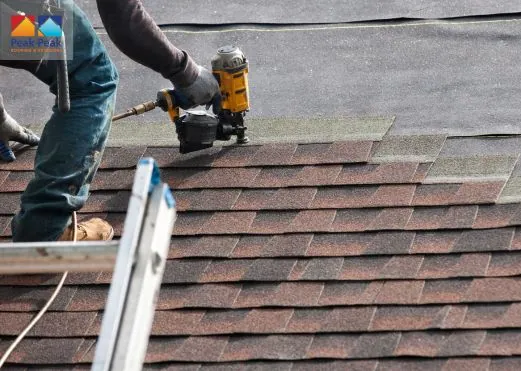
We review the covering, flashing, penetrations, visible deck concerns and ventilation conditions alongside the homeowner's report. Older Westside access, a steep Broadmoor roof or a multi-gable Wolf Ranch layout can change how the assessment is approached.
02

Define the repair or replacement

For a contained leak or limited storm damage, the scope should explain the affected area and how replacement materials meet the surrounding roof. When damage or deterioration is more extensive, the replacement proposal should address tear-off, deck review, underlayment, flashing and ventilation.

03

Connect photos with claim questions

When insurance is involved, dated photos and a clear description of affected slopes help relate the construction estimate to the reported event. We can explain differences between the observed roof conditions and an insurer's scope.

04

Check permits and neighborhood review

Pikes Peak Regional Building Department is the regional permitting reference for Colorado Springs. We confirm the authority and requirements for the actual address and proposed work. If an HOA reviews roof appearance, the owner should check that process before a material change.

05

Match materials to the roof

Impact-resistant asphalt can be considered for hail exposure, while standing seam and stone-coated steel bring different appearance and detailing choices. Pitch, transitions, thermal movement and snow movement all matter when comparing metal systems.

06

Document the completed scope

Closeout should connect the installed work with the agreed scope, applicable permit inspections and relevant product documentation. For an insurance project, construction records may also help the owner respond to the insurer's completion requirements. Ask what records are included for your project and which policy-related items remain your responsibility.

Roof Details That Matter Across Colorado Springs

Material names and impact ratings tell only part of the story. A roof also depends on a suitable deck, compatible underlayment, correctly integrated flashing and details that fit the selected product. Colorado Springs adds a mix of older housing, exposed subdivisions and foothill properties that makes address-specific review important.

What the Written Scope Should Explain

  • Decking and concealed conditions: Older plank decks around the Westside and Old Colorado City need assessment for condition and suitability beneath the proposed covering. Newer OSB decks can also have localized moisture damage.

  • Flashing at changes in the roof: Tile, slate, asphalt and metal do not use identical transition details. On older Broadmoor homes, the thickness of the covering and the condition of wall or chimney intersections can shape a repair. On newer multi-gable roofs, valleys and intersecting slopes need the same attention as the open shingle field.

  • Underlayment, slope and winter exposure: Lower-slope asphalt roofs can carry special underlayment considerations. Applicability should be checked against the current requirements and chosen product. Ice-barrier coverage also needs project-specific review; a neighborhood name or a broad foothill description does not establish the elevation or assembly required at a particular address.

  • Ventilation and moisture: A replacement is an opportunity to review existing intake, exhaust and visible moisture concerns rather than automatically adding vents. Older homes and newer engineered roof structures can have different airflow paths. The scope should explain any proposed ventilation change and how it fits the roof.

  • Metal movement and snow: Standing seam panels need a compatible approach to thermal movement, attachment and transitions. Snow movement also deserves consideration near entries, walkways and lower roof sections.

  • Fire and neighborhood constraints: For properties near Cheyenne Mountain and other foothill edges, check applicable wildland exposure and assembly requirements with the responsible authority. HOA appearance review, where applicable, is a separate check.

Ask for the reason behind each significant item. A good local scope explains why a detail belongs on your roof and what confirms it. Product ratings, current regional requirements and the roof's observed condition should support the specification without unsupported service-life claims, state license claims or promises about insurance savings. Single-family owners in Colorado Springs can explore our residential roofing systems and materials, while building owners can review commercial and low-slope roofing options.

Denver home served by Peak to Peak Roofing

How to Move Forward After a Leak or Storm

The next step depends on what you know already. A homeowner with a ceiling stain has a different starting point from someone comparing a metal roof with asphalt after widespread hail. Sharing the address, roof history and current concern lets the assessment focus on the questions that matter rather than restarting the same conversation for each service.

Start with the property and the symptoms
Tell us the neighborhood, approximate home or roof age, material if known and the location of any interior moisture. Old Colorado City owners can mention previous decking work or restricted side access. Wolf Ranch and Briargate owners can share prior storm repairs and any HOA information.
Review the findings before choosing the scope
The assessment should distinguish isolated defects, broader storm damage and ordinary aging. Ask which slopes or details support the recommendation and whether surrounding material can accommodate a repair. If a replacement is proposed, ask what makes a partial approach less suitable.
Keep construction and insurance questions separate
If you have an open claim, share the relevant roof estimate and the insurer's requested documentation. We can compare construction items with the observed conditions and explain differences. Questions about coverage, deductibles, claim deadlines and payment belong with the insurer and policy.
Confirm approvals before committing to a change
A switch from asphalt to metal may raise appearance, detailing and approval questions that a like-for-like repair does not. Check HOA review where applicable, and confirm permitting and any address-specific requirements before materials are ordered. For foothill properties, ask whether wind, snow or wildland exposure calls for additional review.
Finish with records that match the work
Keep the agreed scope, documented changes, relevant inspection records and product information together. This is particularly useful when an older roof reveals concealed deck repairs or a storm project includes work beyond the insurer's original estimate. Ask which warranty documents apply to the actual products and workmanship provided.

Hillside access, heavier coverings, multiple roof sections and concealed decking can change a Colorado Springs estimate. Compare measured quantities and included transition work rather than a regional price shortcut. Agree on the documentation and approval process for additional work before removal begins.

Peak to Peak Roofing crew working in Denver

Service Area Coverage

Our Colorado Springs coverage includes older central neighborhoods, northeast subdivisions, the Powers Corridor and west-side hillside communities. The neighborhood table connects those areas with useful project details rather than suggesting that every home within a ZIP code has the same roof.

  • Downtown, Old Colorado City and Shooks Run bring older housing, steep pitches and possible legacy decking into the conversation. Previous reroof records and known repairs can help explain what may be beneath the current covering.
  • Briargate, Cordera, Wolf Ranch and Pine Creek include production homes and complex rooflines exposed to northern wind and Front Range hail. Prior storm scopes, material information and applicable HOA review are useful details to share.
  • Springs Ranch, Stetson Hills and Village Seven sit within the Powers Corridor and east-side cluster. Open exposure, existing fastening details and any low-slope roof sections help shape the inspection and material discussion.
  • Broadmoor, Cheyenne Cañon, Rockrimmon and Skyway include hillside custom homes and tile-roofed properties. Roof access, snow movement, transitions between coverings and any applicable wildland requirements deserve address-specific attention.

For nearby El Paso County and foothill properties, provide the address rather than assuming the same approval path applies throughout the region. Neighborhood labels are useful context, but they do not establish jurisdiction, elevation, a wind design requirement or HOA approval. For official requirements, see the Pikes Peak Regional Building Department reroof guidelines and the Pikes Peak Regional Building homeowner roofing questions.

Colorado Springs Roofing by Neighborhood

Older decks, open hail exposure and hillside conditions shape local roof assessments.

Area & Neighborhoods

Downtown / Old Colorado CityOld Colorado City, Downtown, Shooks Run

Target ZIP Codes

80903, 80904, 80905

Typical Homes & Roof Setting

Victorians and brick bungalows face UV and freeze-thaw exposure.

Details to Share

Share previous decking repairs and narrow access conditions.

How It Shapes the Roof Work

Older decking and flashing influence repair and replacement scopes.

Local Rule or Constraint

Confirm current regional reroof requirements with PPRBD.

Area & Neighborhoods

Northeast / BriargateBriargate, Cordera, Wolf Ranch, Pine Creek

Target ZIP Codes

80920, 80921, 80924

Typical Homes & Roof Setting

Production two-stories face hail and open north-side wind.

Details to Share

Share storm dates, roof history and any HOA information.

How It Shapes the Roof Work

Slope-specific findings guide hail documentation and material comparisons.

Local Rule or Constraint

Check regional underlayment requirements for lower-slope asphalt sections.

Area & Neighborhoods

Powers Corridor / East SideSprings Ranch, Stetson Hills, Village Seven

Target ZIP Codes

80915, 80916, 80922

Typical Homes & Roof Setting

Ranches and newer two-stories face open hail and wind.

Details to Share

Identify leaks and any existing low-slope roof sections.

How It Shapes the Roof Work

Damage patterns help distinguish targeted repairs from broader replacement.

Local Rule or Constraint

Confirm manufacturer fastening requirements and applicable regional inspections.

Area & Neighborhoods

Westside / BroadmoorBroadmoor, Cheyenne Cañon, Rockrimmon, Skyway

Target ZIP Codes

80906, 80907, 80919

Typical Homes & Roof Setting

Hillside homes and tile roofs face downslope wind and snow.

Details to Share

Share covering type, hillside access and prior flashing repairs.

How It Shapes the Roof Work

Transitions and snow movement shape repair and metal-roof planning.

Local Rule or Constraint

Check applicable fire-assembly and wildland exposure requirements.

Serving You From Our Denver Headquarters

Located at 4155 E Jewell Ave #1100, Denver, CO 80222. Our team provides storm damage assessments and Xactimate insurance documentation across every Colorado Springs ZIP code.

Call (720) 893-3823

Nearby Communities We Also Serve

Same crews, same permit process, dispatched across the Front Range.

Frequently Asked Questions

JJ Hedden, founder and owner of Peak to Peak Roofing & Exteriors

JJ Hedden

Founder & Owner

Meet The Owner

JJ Hedden, Founder & Owner

JJ Hedden is the founder and owner of Peak to Peak Roofing & Exteriors, a Denver-based company serving Front Range property owners since 2008. His professional profile and the company story are linked below.

For your Colorado Springs property, ask the team to connect the inspection findings with the proposed repair or replacement, explain access limits and identify the approvals still needed. The recommendations on this page help you compare roofing work without treating a neighborhood name or a storm report as a diagnosis.

  • Founder & owner: JJ Hedden
  • Serving the Front Range since 2008
  • Property-specific roof assessment
  • Repair and replacement decisions

Credentials You Can Check Yourself

  • BBB Accredited, A+ rating

    Peak to Peak Roofing and Exteriors, LLC has been BBB Accredited since January 2010.

    View the BBB business profile
  • Colorado Roofing Association member

    Listed as a contractor member, with JJ Hedden named as owner.

    View the CRA member listing
  • Liability and workers' comp on file

    General liability and workers' compensation are two separate policies. Ask for a current certificate of insurance before work starts.

    See coverage dates on the CRA listing
  • Local contractor licensing

    Colorado has no statewide roofing license. Licensing and permits are set by each city or county, so ask which applies to your address.

Colorado Springs Roofing

Get a Clear Plan for Your Colorado Springs Roof

Tell us whether you are dealing with a leak, recent hail, an insurance estimate or a planned material change. We will use the roof's condition and local setting to discuss the appropriate assessment and next steps.

Repair and Replacement OptionsProperty-Specific Documentation
Happy Peak to Peak Roofing homeownerHappy Peak to Peak Roofing homeownerHappy Peak to Peak Roofing homeownerHappy Peak to Peak Roofing homeowner

4.9/5 from happy homeowners

Limited Time Offer!

● Inspectors Available Today in Colorado Springs

Request a Roof Assessment

Share your address, the roof concern and any existing photos or scope documents.

OR CALL DIRECTLY
(720) 893-3823
G

"Peak to Peak was great, they helped me with a repair on my roof. Helped me to extend the life of my roof."
- Luke Howard

Free inspection, same day answers

Call Now