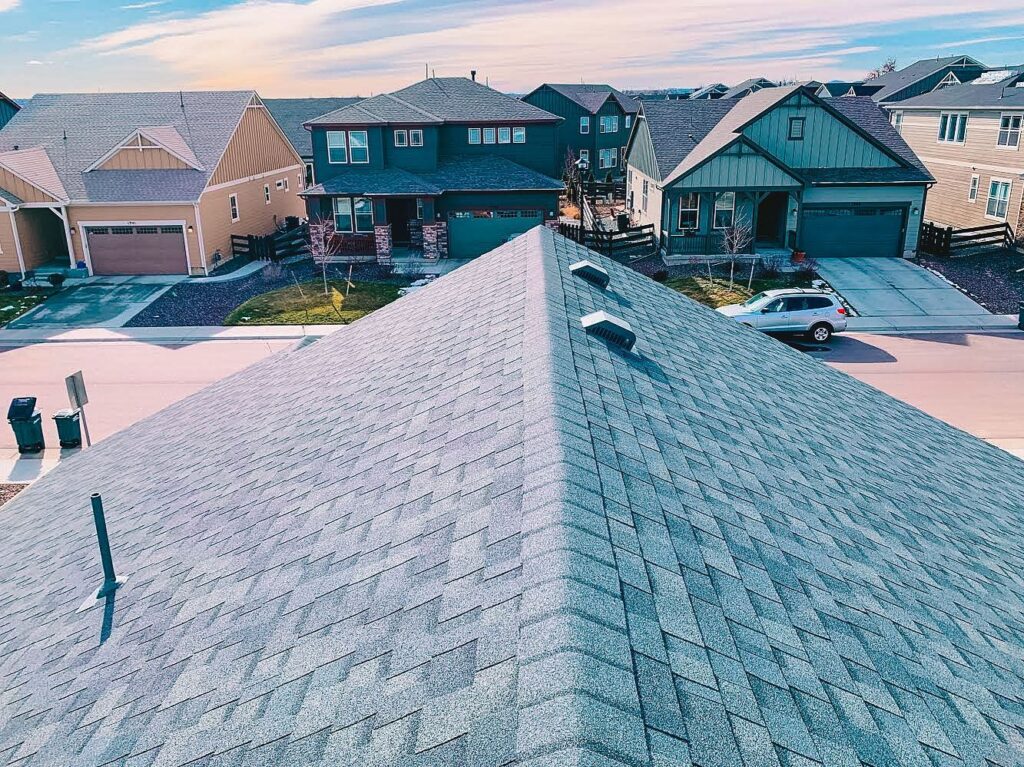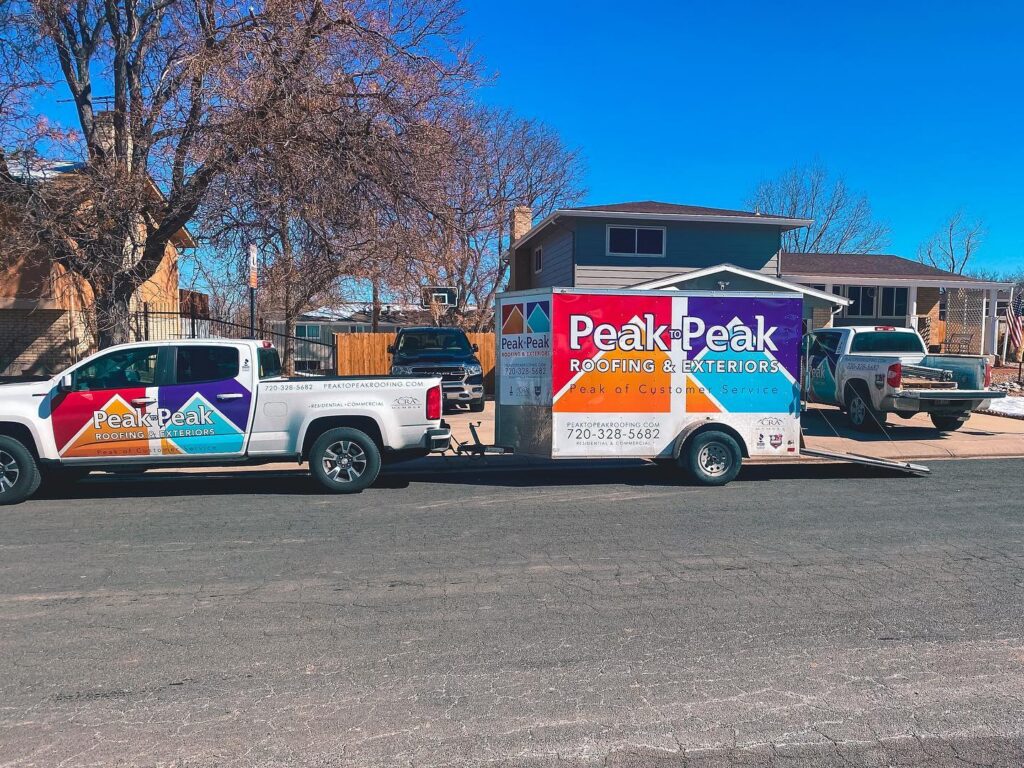






Peak To Peak Roofing documents hail impact on Denver roofs using test squares, drone surveys, and collateral metal checks. We prepare claim-ready scopes aligned with IRC R905 requirements and coordinate adjuster meetings throughout the metro area.
4.9/5 average rating from 500+ locals
Most homeowners can’t tell the difference between cosmetic granule loss and actual mat bruising that will leak. We use test squares on multiple roof planes, photograph dented vents and flashing, and compare findings to NOAA hail swath data for the storm date. The goal is documentation that holds up during adjuster review and supports a compliant replacement scope.
Insurance carriers approve claims based on documentation, not guesswork. We measure, photograph, and cross-reference storm data because that’s what survives desk review. The process isn’t complicated, it just needs to be thorough enough that the adjuster has no reason to question the findings.
“Chris is super solid and will do the best he can to ensure your roof is taken care of well. He doesn’t cut corners and cares about his customers long-term satisfaction.” — Dr. Brandy Victory
A shingle that survives a hailstorm in Houston may fail within two years here. Denver’s elevation intensifies UV degradation, and our 40-degree temperature swings crack already-compromised mat fibers. We see this pattern consistently: hail creates the initial fracture, then Colorado’s climate finishes the job.
Ultraviolet radiation is 25 percent stronger at Denver’s elevation than at sea level. Hail-bruised shingles lose granule adhesion faster under this exposure, leaving the asphalt mat vulnerable to thermal cycling and moisture intrusion within 18 to 24 months.
Denver experiences 90 to 110 freeze-thaw cycles per year. Water penetrates hail-fractured mats, freezes overnight, and expands. That cycle repeats through winter and spring, progressively widening cracks until the shingle delaminates or tears along the impact point.
A 50-degree drop from afternoon to evening is common along the Front Range. Thermal contraction stresses already-bruised shingle mats, accelerating bond failure between the fiberglass scrim and asphalt layers. The damage compounds with each swing.
Denver’s average relative humidity hovers around 30 percent. Dry air pulls moisture from asphalt, making hail-damaged shingles brittle. Chinook winds then lift edges and tabs, especially where granule loss has reduced surface friction and adhesive integrity.
We had a client in Highlands Ranch where visible granule loss looked minor, but test squares revealed mat fractures across 60 percent of the south slope, adjuster approved full replacement once we documented the bruising pattern and photographed dented ridge vents as corroborating evidence.
Date-stamped photos of every roof plane, close-ups of suspect areas, and NOAA hail swath overlay establish event timing and impact zone.
Test squares reveal mat bruising; dented vents, flashing, and gutters corroborate impact force; infrared scans detect hidden moisture intrusion.
Line-item estimate in Xactimate format, code-required upgrades flagged, and photo documentation indexed to match adjuster’s inspection sequence.
You just heard the weather alert ping on your phone, walked outside, and saw quarter-sized ice scattered across the driveway. Now you’re staring up at the roof, wondering if those dark spots are shadows or actual damage. Most hail impact isn’t visible from the ground, and waiting six months to investigate often means secondary water damage by the time you file a claim.
The longer you wait after a hail event, the harder it becomes to separate storm damage from normal wear. If you noticed dented gutters or damaged siding after the last storm, your roof likely took the same impact, and the clock on your claim window is already running.
Repair versus replacement depends on impact density, shingle age, and whether the damage meets your insurance carrier’s threshold. We measure hits per test square, assess remaining shingle life, and compare findings to policy language. The honest answer is that most hail events severe enough to dent metal components also fracture enough shingle mats to justify full replacement under a standard policy.
We’ve walked enough roofs to recognize when repair makes sense and when it’s just delaying the inevitable. When the math supports replacement and the policy covers it, we document accordingly. It’s not the flashy part of the work, but getting the scope right the first time means you’re not back on the phone with your carrier six months later.
“They were able to uninstall and reinstall my solar panels and get all needed inspections taken care of. Both roof and detached garage were completed in a day.” — Dan Kreppein
Inspection and documentation typically run $300 to $600 in Denver, depending on roof size and access complexity. Full replacement costs range from $8,000 to $28,000 for standard asphalt shingle systems, with impact-resistant upgrades adding $1,500 to $3,500. These figures run 10 to 15 percent higher than Kansas City or Dallas due to Denver’s permitting requirements, higher labor rates, and the need for cold-weather installation materials.
We provide itemized estimates in Xactimate format so you can compare line items directly with your adjuster’s scope. Final cost depends on your insurance settlement, deductible, and any out-of-pocket upgrades you choose. Quotes are valid for 30 days from the inspection date.
Denver hailstorms can leave behind bruised shingles, granule loss, cracked roof components, and damage that is not always visible from the ground. Peak To Peak Roofing helps homeowners document roof hail damage, understand the condition of their roof, and take informed next steps with their insurance claim.
Peak To Peak Roofing serves homeowners throughout Denver and the surrounding metro area. Our team regularly works in Aurora, Littleton, Castle Pines, Parker, Brighton, Thornton, Arvada, and Erie. We schedule inspections around your availability and coordinate adjuster meetings at times that work for your claim timeline. No physical office visits required, we come to you.
We coordinate inspection timing with storm dates and adjuster availability throughout the Denver metro area.
Roof inspections should happen within a few days of a hailstorm, before wind-driven rain exploits compromised shingle seals. Insurance claim windows and contractor availability both tighten quickly after widespread storm events.
We’ve found that waiting more than a week creates problems most homeowners don’t anticipate. Hail fractures the protective granule layer and weakens the adhesive seal on asphalt shingles, but the leak doesn’t show up immediately. It takes rain. By then, you’re documenting water damage instead of just roof damage, and insurance adjusters start questioning timelines. After a major hail event, qualified inspectors book out fast, sometimes two to three weeks deep. If your claim gets delayed because you couldn’t schedule documentation in time, you’re stuck negotiating from a weaker position.
Peak To Peak Roofing inspects shingle integrity, flashing condition, and granule loss patterns to determine repair scope. Damage severity depends on hail size, roof age, and material type, which dictate whether spot repairs or full replacement makes sense.
We’ve found that most homeowners focus on visible dents, but the real story lives in the granule displacement and mat fractures you can’t spot from the ground. Peak To Peak Roofing starts by documenting impact patterns across all roof planes, checking valleys and transitions where water flow accelerates wear. We look for bruising on shingle tabs (soft spots that haven’t cracked yet but will), seal strip damage that lets wind under the edge, and whether flashing around chimneys or vents took direct hits. One thing that consistently surprises clients is how much damage hides on north-facing slopes, where moss or shade obscures the bruising until you’re standing on the deck with a camera. We also pull a few shingles to check the underlayment, since punctures there turn into leaks long before the surface shingle fails.
If your roof took a beating in the last storm and you’re not sure whether it’s cosmetic or structural, Peak To Peak Roofing will walk the deck and show you exactly what needs attention. We document everything with photos and explain which damage your insurer will cover before you file a claim.
Hail damage creates entry points for water infiltration that accelerate deterioration of underlayment and decking. Severity increases when moisture cycles through freeze-thaw periods common in Denver’s climate.
Hail damage doesn’t heal itself, and what starts as surface-level granule loss or minor cracking can escalate into structural problems once moisture finds a way in. We’ve found that roofs inspected within weeks of a storm often show contained damage, while those left untreated through a winter season reveal rot, mold growth, and compromised sheathing that wasn’t visible from the ground. Denver’s temperature swings make this worse. Water seeps into cracks during afternoon warmth, then expands when it freezes overnight, widening the original impact zone.
How Untreated Hail Damage Progresses Over Time:
The honest answer is that hail damage rarely stays static. It compounds. A roof that could have been repaired with targeted shingle replacement in August might require full decking sections replaced by February if moisture worked its way through unnoticed. If your roof took a hit during the last storm and you’re still weighing whether to act, contact a qualified inspector to document what’s there now before another weather cycle makes the decision for you.
Hail measuring one inch or larger can crack asphalt shingles and dent metal flashing, though damage severity depends on wind speed during impact, shingle age, and roof pitch. Smaller hail rarely penetrates intact roofing materials.
One thing that consistently surprises homeowners is that hail smaller than a quarter often leaves no lasting damage on a roof in decent condition. Once stones hit an inch or larger, you start seeing granule loss, mat fractures, and flashing dents. Wind matters more than most realize. A golf ball-sized stone driven sideways at 60 mph does far more harm than the same hail falling straight down in calm air.
Peak To Peak Roofing documents damage with detailed photo evidence and material specifications, then requests a supplemental review when initial assessments miss concealed granule loss or bruising patterns. Most carriers approve supplements when documentation shows impact density across multiple roof planes.
We’ve found that adjusters working from the ground or using desktop reviews tend to miss damage that only becomes visible during close-range inspection, especially on darker shingles where bruising doesn’t photograph well. Peak To Peak Roofing addresses this by creating a comprehensive damage map with GPS-tagged photos showing impact density, granule displacement patterns, and any compromised seal strips. We also pull manufacturer spec sheets to demonstrate that the observed damage exceeds the shingle’s rated impact resistance. When the initial estimate comes in low, we submit a supplement request with annotated imagery and a written narrative explaining why the damage qualifies for replacement rather than repair. The honest answer is that most carriers will approve a revised scope once they see documentation that contradicts the original assessment, but it requires someone willing to walk the adjuster through the roof section by section.
If your claim was denied or undervalued and you’re seeing visible hail strikes that weren’t acknowledged, contact Peak To Peak Roofing for a second inspection. We’ll document what the adjuster missed and build the case for a supplemental review with the evidence your carrier actually needs to see.
Denver storms are relentless. Get a comprehensive roof inspection today. Zero cost. Zero pressure. 100% peace of mind.
Detailed Photo Report
Insurance Claim Help




4.9/5 from happy homeowners
Plus, get a free upgraded underlayment on any full replacement.
— Luke Howard
Three reasons Colorado homeowners trust us with their roof.
Straight answers backed by 400+ five-star reviews. No upsells. Ever.
Certified inspectors who know insurance requirements and what truly lasts in our climate.
7x Owens Corning Excellence winner. Proud CRA member with industry-leading certifications.
No obligation. Just clarity on your roof’s health.