Photograph Damage and Weather Evidence
We capture multi-angle shots of each slope, valleys, ridges, and soft metals from ground level using telephoto lenses.


Peak To Peak Roofing guides Denver homeowners through the full insurance claim process after hail or wind damage. We document damage with test squares and photos, coordinate adjuster meetings, reconcile scopes, and handle permit requirements through final RCV release.
Claim documentation for homeowners across the City and County of Denver.
Certified, Accredited, And Reviewed






Most Denver claim workflows run $0 out-of-pocket for inspection and adjuster coordination when the claim is approved, since those services are bundled into the final project scope. If the claim is denied and you choose to appeal or pay for repairs directly, inspection fees typically range from $300 to $600 depending on roof size and complexity. Compared to Boulder, where inspection fees can run $100 higher due to stricter code enforcement and longer permit cycles, Denver's costs are moderate but still require careful scope reconciliation to avoid underpayment.
| Item | What it means in Denver | Typical figure or timing |
|---|---|---|
| Initial contractor inspection | Documents damage with photos, test squares, and measurements before the carrier is contacted. | Same week as the storm in most cases; free when you proceed with the approved claim scope. |
| Adjuster inspection | Carrier sends an adjuster to inspect and write an estimate. | Five to seven days after filing in most cases. |
| Filing window | Carriers expect prompt notice; some policies specify 30 to 90 days. | File within two weeks of the storm while evidence is fresh. |
| ACV payment (actual cash value) | First check issued, with depreciation withheld until work is completed. | Issued after scope agreement, before repairs begin. |
| RCV release (replacement cost value) | Withheld depreciation released after final invoice and inspection. | 30 to 90 days from filing depending on supplement rounds. |
| Supplement rounds | Missed items such as starter strips, ridge caps, soft metals, or flashing added to the approved scope. | Highlands Ranch example added $8,400 to the approved scope after re-inspection. |
| Deductible | Homeowner pays it; a contractor cannot legally pay, waive, or rebate it. | Due at completion. |
| Denied-claim inspection fee | Applies if the claim is denied and you pursue repairs or an appeal outside insurance. | $300 to $600 in Denver, roughly $100 higher in Boulder. |
| Ordinance and law coverage | Separate line items for code upgrades like drip edge, ice barrier, and ventilation. | Itemized during scope reconciliation, not automatic. |
| Permit and inspection fees | Denver requires permits for most replacements. | Confirm who pays before work starts; not always covered by the carrier. |
Timelines and figures above are typical field ranges reported for Denver-area claims, not guarantees, and vary by carrier, storm volume, and roof complexity. Colorado Revised Statutes 6-22-103 requires a residential roofing contract to disclose that the contractor cannot pay, waive, or rebate any portion of the insurance deductible, and gives the property owner the right to rescind the contract within 72 hours after being notified the carrier denied the claim in whole or in part.
Most homeowners wait too long after a storm, assuming visible damage means an automatic approval. The honest answer is that carriers require forensic evidence, not just photos of missing shingles. We've found that claims filed without test squares, soft metal spatter documentation, and weather correlation often stall in supplement rounds or get denied outright. Start by documenting the storm date and pulling NOAA reports that confirm hail size and wind speed in your ZIP code. Schedule a contractor inspection before you call your carrier, most adjusters respect a detailed scope when it's already on file. File within two weeks of the event while evidence is fresh, and expect the adjuster to visit within five to seven days. If the initial estimate misses components like soft metals or underlayment, submit a supplement with test square photos and material invoices. We are the contractor documenting your roof, not a public adjuster, so we do not interpret your policy language for you, but we do build the Xactimate-format file your adjuster works from. The process isn't complicated, but it does reward preparation over optimism.
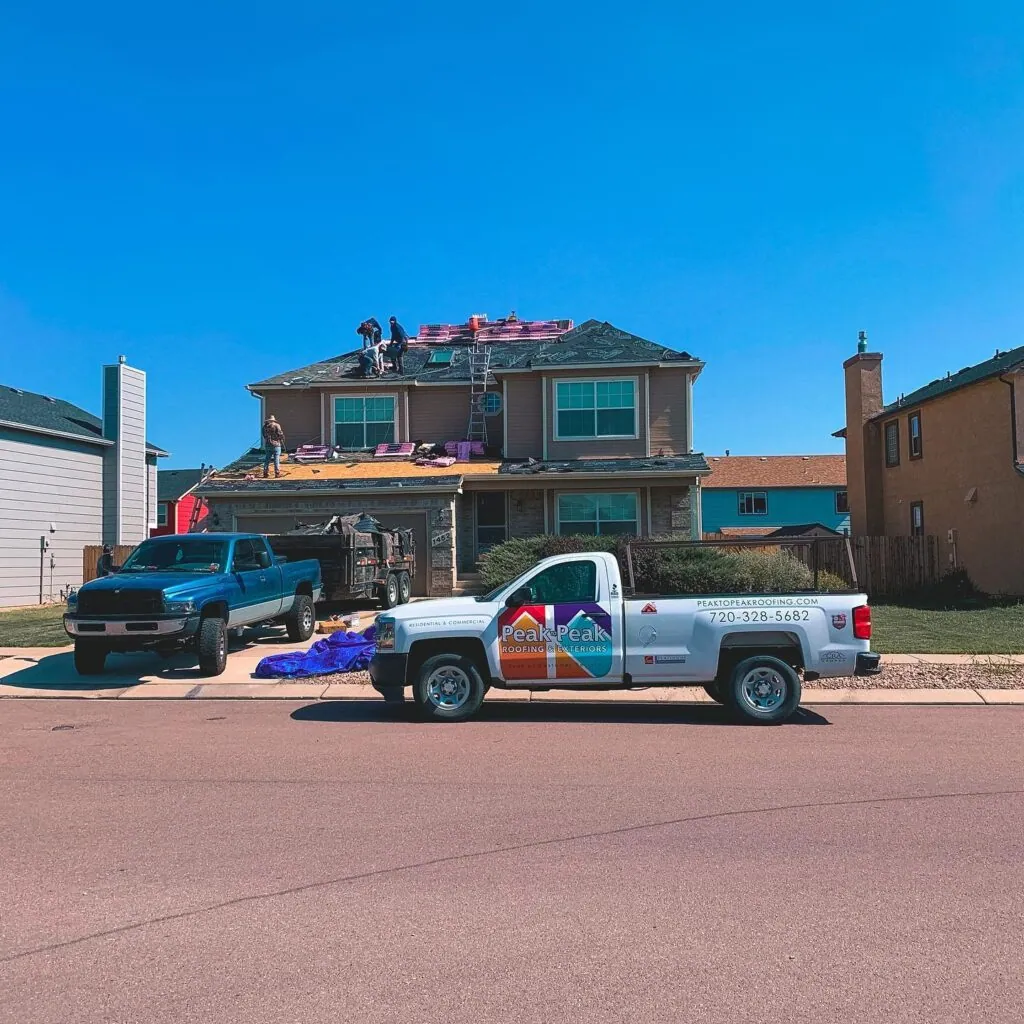
Denver sits in a hail corridor where convective storms drop Class 4 impact events multiple times per season. Adjusters expect to see corroborating evidence across the roof system, not just shingle bruising, because wind and UV aging can mimic storm damage. Once a claim is approved, the repair or replacement still has to be permitted through Denver Community Planning and Development, which is a separate step from the claim itself.
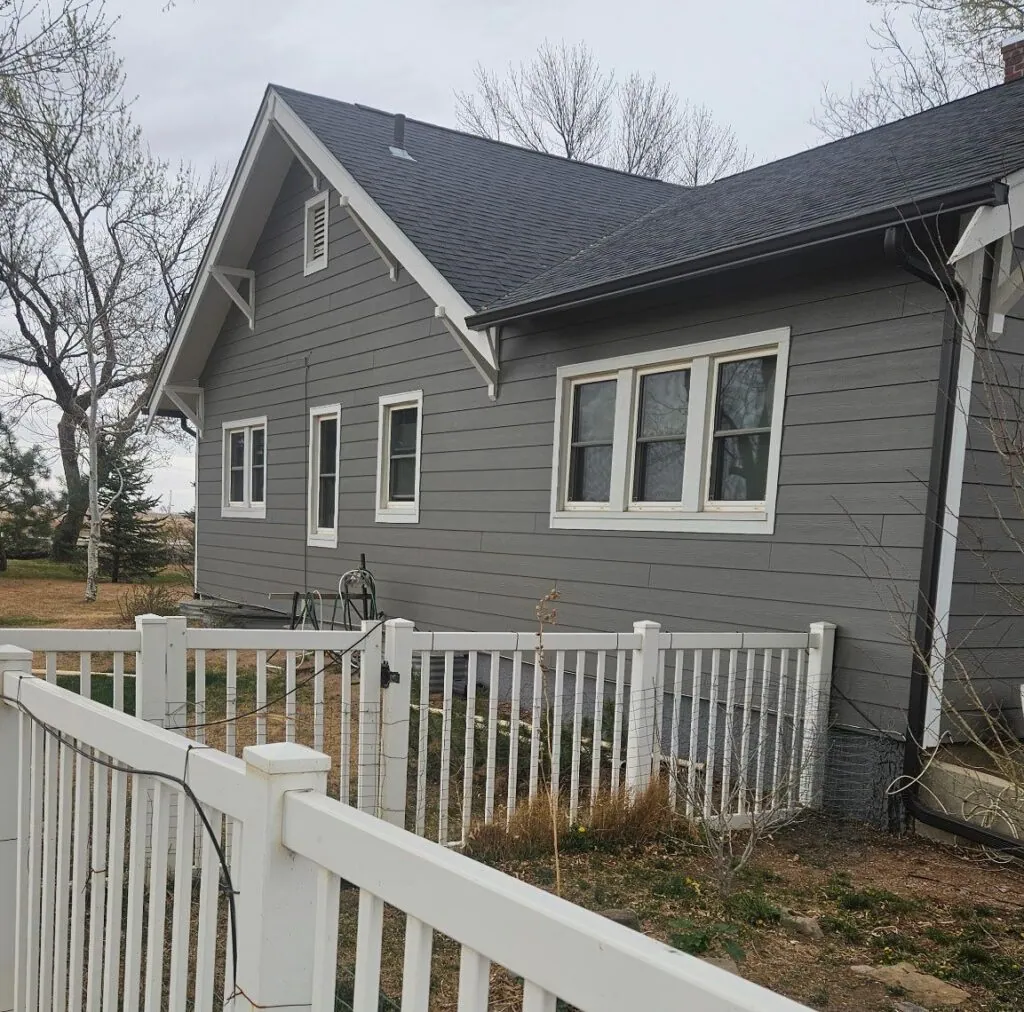
We had a client in Highlands Ranch where the adjuster initially wrote only ridge and valley replacement, missing widespread granule loss across the field. We requested a re-inspection with test squares and soft metal photos, which added $8,400 to the approved scope and released the full RCV payout.
We capture multi-angle shots of each slope, valleys, ridges, and soft metals from ground level using telephoto lenses.
A written report documents hail bruising, granule loss, wind uplift, and any code deficiencies requiring upgrade under ordinance coverage.
We attend the adjuster meeting on-site, walk the system together, and reconcile line items in real time to avoid supplement delays.
Peak To Peak Roofing helps Denver homeowners gather clear roof-condition photos, understand repair findings, review the proposed scope of work, and take organized next steps with their insurance company or adjuster.
Each slope, valley, and penetration is cataloged with specific findings so the claim file has depth instead of a few phone photos and a verbal description.
Chalk marks, close-ups, and local weather alerts tie visible damage to a verified date and hail size, which reduces denial risk when the file reaches underwriting review.
Carriers deny or underpay claims when the evidence package lacks depth. A few phone photos and a verbal description rarely survive underwriting review. We build a forensic file that includes written inspection reports, test square photos, weather correlation, and material specifications so your claim moves through approval without stalling in supplement rounds.
Written inspection report with damage mapping: each slope, valley, and penetration is cataloged with specific findings.
Test square photos showing granule displacement: chalk marks and close-ups prove impact rather than aging wear.
NOAA storm data and local weather alerts: date and hail size correlation ties visible damage to events.
When your file lands on the underwriter's desk, they're looking for reasons to reduce the payout or request more information. A thin package with missing weather data or vague damage descriptions gives them that opening. If your contractor submits test squares, material specs, and corroborating storm reports up front, the claim moves to approval without a second review. The difference between a smooth payout and a six-month dispute often comes down to what you submitted in the first 72 hours.
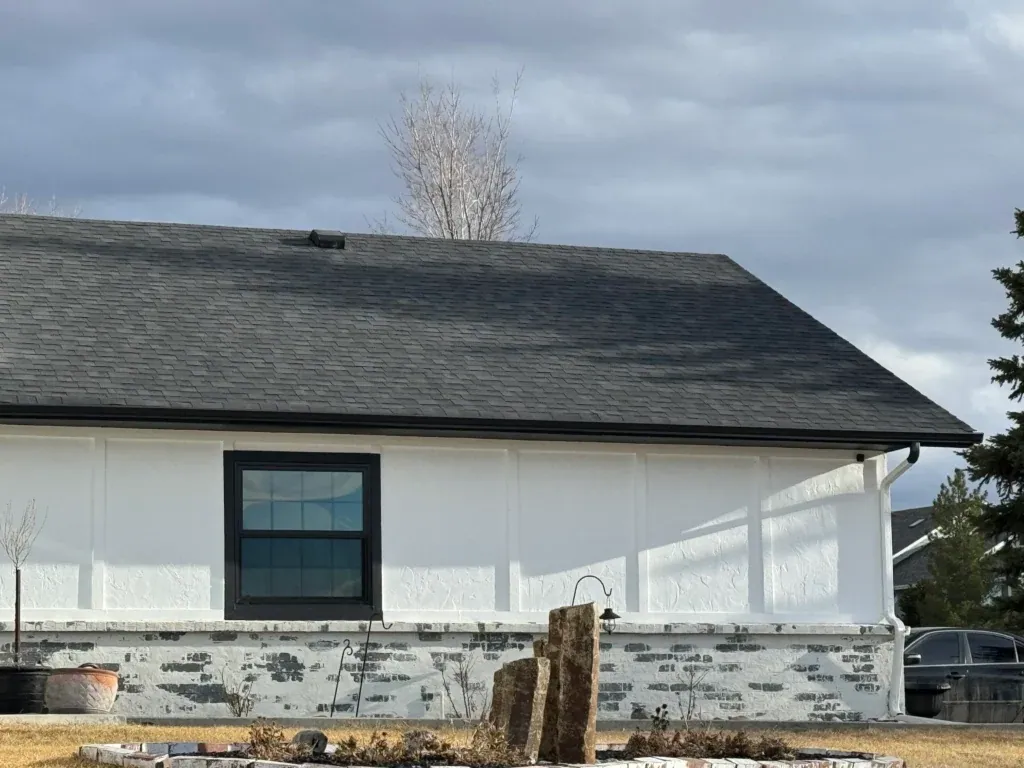
Most people assume their deductible is the only out-of-pocket cost, but code upgrades, permit fees, and depreciation holdbacks can add thousands. Understanding ACV versus RCV mechanics, ordinance and law coverage, and supplement timelines prevents surprises when the first check arrives. We explain each line item so you know what to expect at every stage.
Peak To Peak Roofing serves homeowners throughout Denver and the greater metro area, including Aurora, Littleton, Castle Pines, Parker, Brighton, Boulder, Thornton, Arvada, and Erie. Our team regularly travels to neighborhoods along the Front Range corridor, from Highlands Ranch to Broomfield, coordinating adjuster meetings and permit inspections across multiple jurisdictions. We schedule inspections around your availability and work with local building departments to ensure compliance at every stage.
We coordinate flexible inspection and adjuster meeting schedules throughout Denver and the surrounding metro area, and we track which Denver permit step applies once a scope is agreed on. You can browse everything we do across the Front Range on our Peak to Peak Roofing Denver.
What we document for a carrier in each part of Denver, and the code-required items that commonly appear in a Denver roof scope.
Location & Neighborhoods
Target ZIP Codes
Local Landmarks & Housing Styles
Claim Documentation Focus
Code Items in the Scope
Location & Neighborhoods
Target ZIP Codes
Local Landmarks & Housing Styles
Claim Documentation Focus
Code Items in the Scope
Location & Neighborhoods
Target ZIP Codes
Local Landmarks & Housing Styles
Claim Documentation Focus
Code Items in the Scope
Location & Neighborhoods
Target ZIP Codes
Local Landmarks & Housing Styles
Claim Documentation Focus
Code Items in the Scope
Location & Neighborhoods
Target ZIP Codes
Local Landmarks & Housing Styles
Claim Documentation Focus
Code Items in the Scope
Dispatched Directly From Our Denver Headquarters
Located at 4155 E Jewell Ave #1100, Denver, CO 80222. Our licensed inspectors provide zero-cost storm damage assessments and full Xactimate insurance support across every Denver ZIP code.
Same crews, same permit process, dispatched across the Front Range.
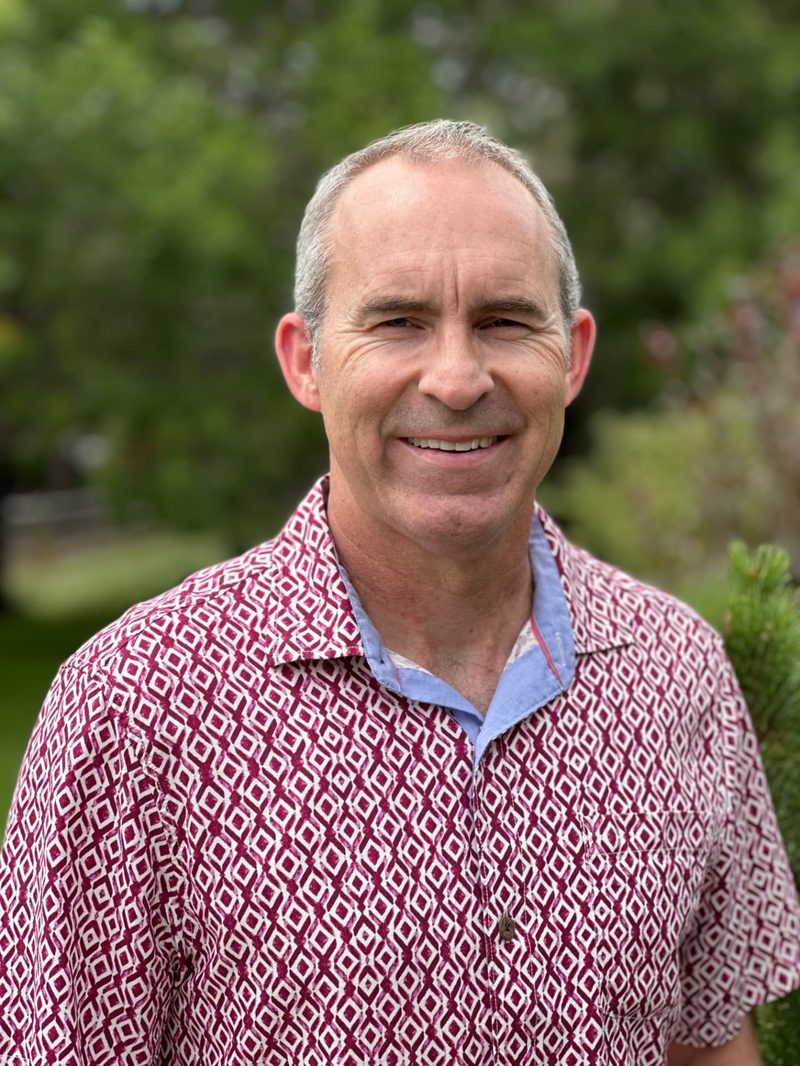
JJ Hedden
Founder & Owner
Meet The Owner
JJ Hedden founded Peak to Peak Roofing & Exteriors so Denver property owners would have a roofer who is still reachable after the truck pulls away. He came up through inspections, claims and installations, so the standards our crews work to are the ones he set on roofs himself.
He meets adjusters on the complicated Denver claims himself. Scopes are written in the same estimating language the carrier uses, supplements are backed with photos and code references, and you always hear the honest read on what the policy will and will not cover.
Denver storms are relentless. Get a comprehensive roof inspection today. Zero cost. Zero pressure. 100% peace of mind.




4.9/5 from happy homeowners
● Inspectors Available Today in Denver
Plus, get a free upgraded underlayment on any full replacement.
"Peak to Peak was great, they helped me with a repair on my roof. Helped me to extend the life of my roof."
- Luke Howard
Free inspection, same day answers