Document Roof Conditions with Photos
We photograph every slope, ridge, valley, and penetration to create a dated visual record for insurance and future reference.


Peak To Peak Roofing delivers comprehensive roof condition assessments across the Denver metro, documenting shingle integrity, flashing performance, and attic ventilation using photo grids and moisture meters. Licensed contractors provide written reports within 48 hours, supporting insurance claims and permit applications.
Documented roof inspections across the City and County of Denver.
Certified, Accredited, And Reviewed






An inspection is not a walk around the yard. Every item below is a place water gets in, and each one has a specific code or documentation requirement behind it.
| Inspection point | What it checks | Code or standard reference | Why it matters |
|---|---|---|---|
| Shingle mat and granule loss | Fractures and granule loss across all slopes, not just the front elevation. | IRC R905.2, ASTM D3161/D7158 wind ratings. | Bruised mats fail early even when granules still look intact from the ground. |
| Flashing at chimneys and penetrations | Rust, gaps, or missing sealant at every wall and roof intersection. | IRC R903.2, flashing required at wall and roof intersections. | Flashing failure, not the shingle field, is the most common leak source. |
| Ice barrier at eaves | Self-adhered membrane presence along the eave and in areas subject to ice damming. | IRC R905.1.2, ice barrier required in areas subject to ice damming. | Front Range freeze-thaw cycles push water back under shingles at the eave without it. |
| Attic ventilation balance | Net free area at soffit intake and ridge exhaust, plus insulation depth. | 1:150 net free area ratio (IRC ventilation minimums). | Poor balance drives attic temperatures above 150°F in summer and traps moisture in winter. |
| Drainage at valleys and eaves | Debris, slope, and shingle lift at the highest water-volume points on the roof. | Manufacturer installation instructions and NRCA best practices. | Valleys move more water per square foot than any other part of the roof. |
| Documentation and reporting | Timestamped photo grids, moisture meter readings, and written condition notes. | Adjuster and permit documentation standards. | Vague descriptions get insurance claims denied. Measured findings move approvals forward. |
Standards referenced: International Residential Code sections R903.2 (flashing), R905.1.2 (ice barrier), R905.2 (shingles), and the 1:150 attic ventilation ratio. Local amendments vary by jurisdiction along the Front Range, so we verify the adopted code for your address.
Most homeowners call after noticing a leak or missing shingles, but by then the damage often extends into decking or insulation. We document every slope with high-resolution photos, probe suspect areas for hidden moisture, and cross-reference findings against Denver's adopted IRC ventilation ratios, because guessing at structural conditions rarely ends well for anyone's budget.
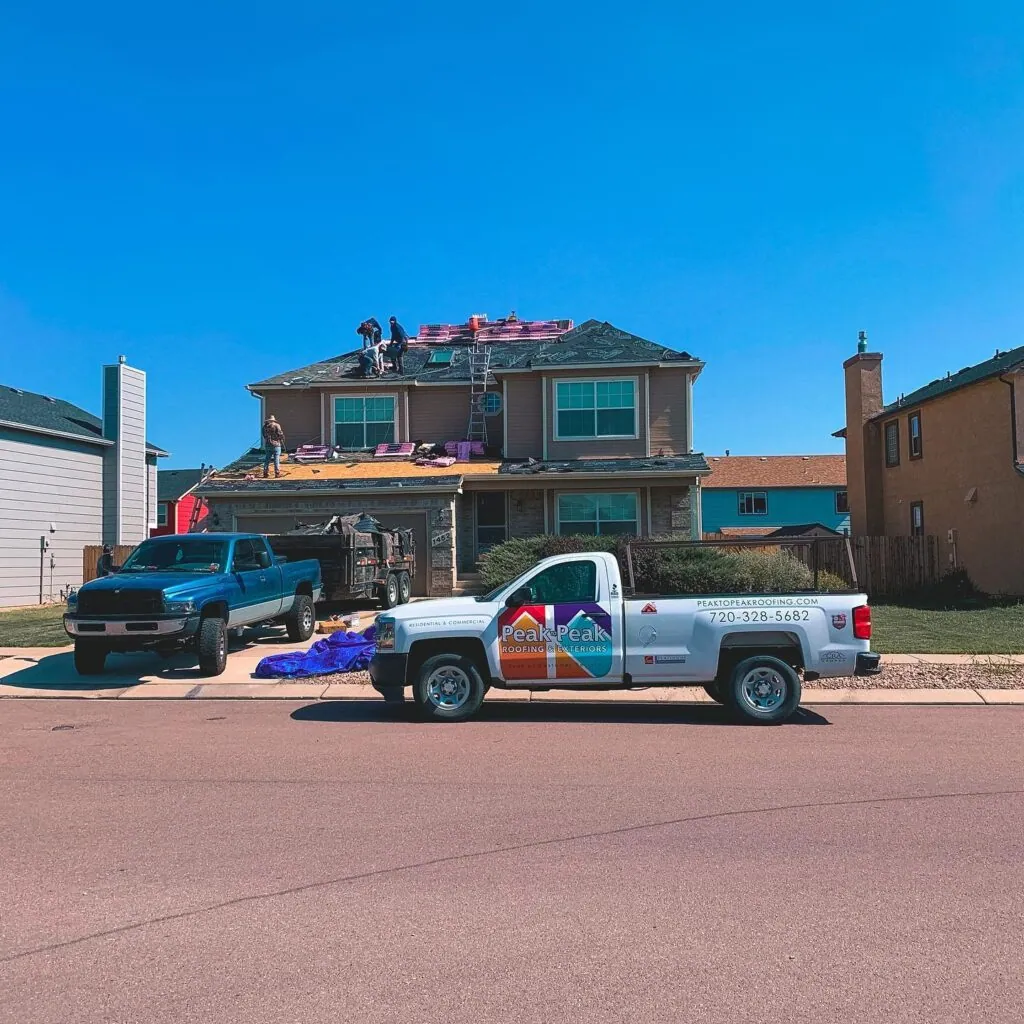
Denver's hail season runs April through September, and impact damage doesn't always show up immediately. Shingles can look intact from the ground while the mat underneath is fractured, leading to premature failure once UV exposure and temperature swings take hold.
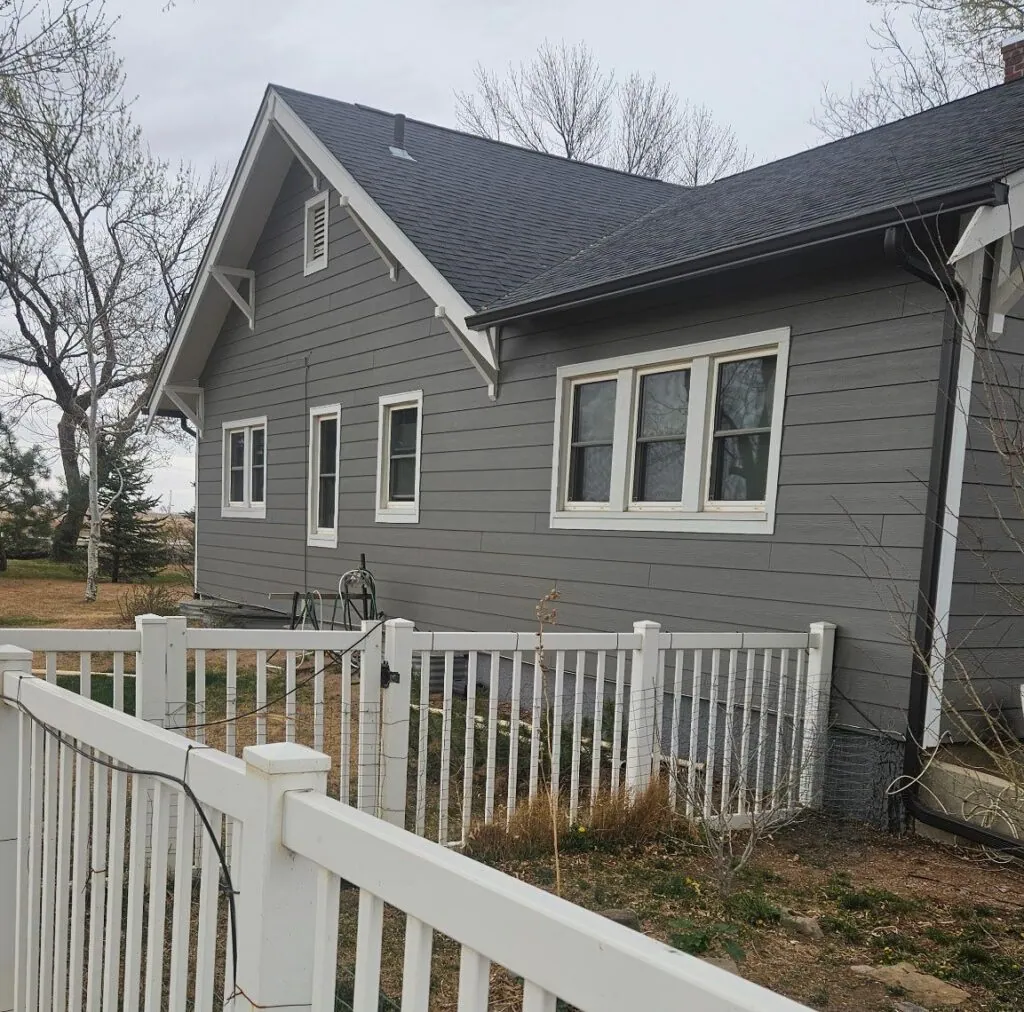
We had a client in Highlands Ranch where visible shingles looked fine, but moisture readings in the attic showed active leaks from corroded step flashing behind the siding. A complete assessment goes beyond walking the roof. We access the attic to verify ventilation pathways, measure insulation depth, and scan decking for moisture that hasn't yet caused visible stains. Exterior work includes probing every flashing joint, checking fastener patterns on ridge caps, and documenting drainage flow at valleys and eaves.
We photograph every slope, ridge, valley, and penetration to create a dated visual record for insurance and future reference.
Each shingle is checked for mat fractures, granule loss, and lifting. Flashing is probed for rust or gaps.
Capacitance meters scan decking for elevated moisture. We note ventilation obstructions and insulation depth against Denver code minimums.
Loose or improperly nailed shingles fail in moderate wind.
Cracked pipe boots and open nail holes are common leak sources.
Clogged gutters overflow onto fascia and cause rot. Warped or stained wood indicates water intrusion or ventilation failure.
Every inspection targets the same failure points: shingle mat integrity, flashing seals, ventilation balance, and drainage function. We use a consistent checklist to ensure nothing is missed, whether the roof is five years old or twenty. The goal is to identify problems before they require emergency tarps or interior repairs.
Shingle surface and mat condition across all slopes: granule loss and fractures indicate impact or age-related wear.
Flashing seals at chimneys, walls, and penetrations: rust, gaps, or missing sealant allow water entry into walls.
Attic ventilation and insulation compliance with Denver code: inadequate airflow accelerates shingle aging and promotes ice dams.
The difference between a routine inspection and an emergency call usually comes down to catching a failed pipe boot or open counter-flashing before the next three-day rain event rolls through the Front Range.
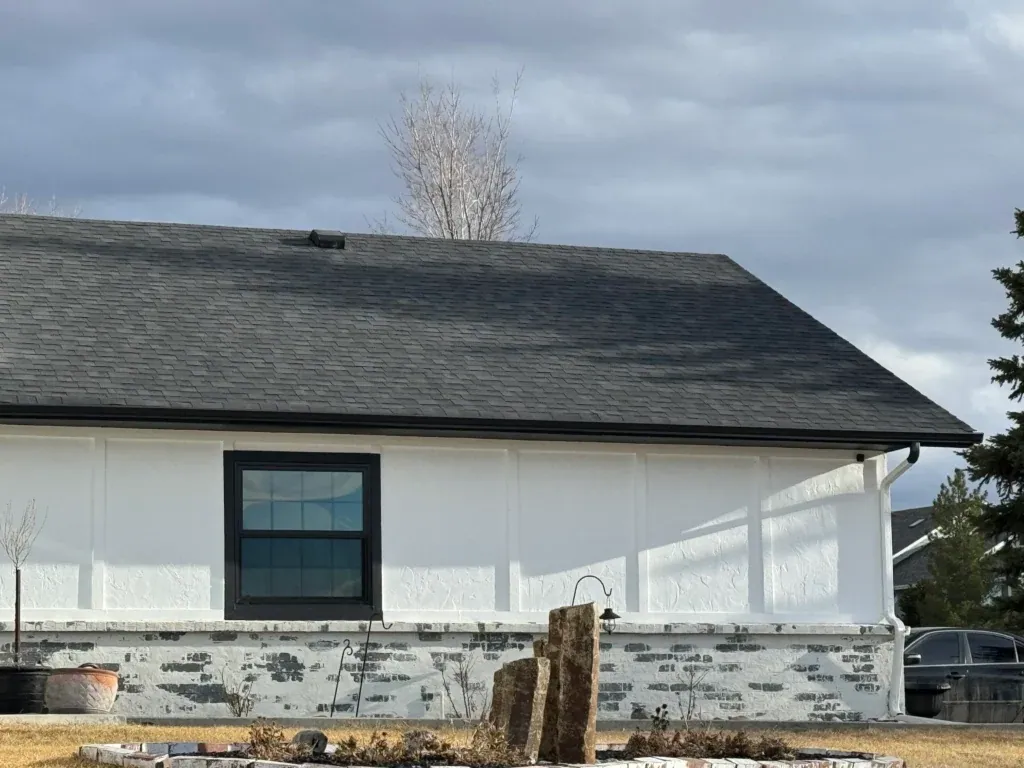
Most Denver roof inspections run $150 to $350, depending on roof size, pitch, and access difficulty. This is slightly higher than Kansas City's $150 to $300 range, largely because Denver's hail exposure and altitude-related material stress require more detailed documentation for insurance claims and code compliance. Prices increase for commercial properties, complex multi-level roofs, or forensic inspections tied to legal disputes. We provide upfront pricing after a brief phone discussion about your roof's size and condition. Most inspections are completed in one visit, with the written report delivered within 48 hours.
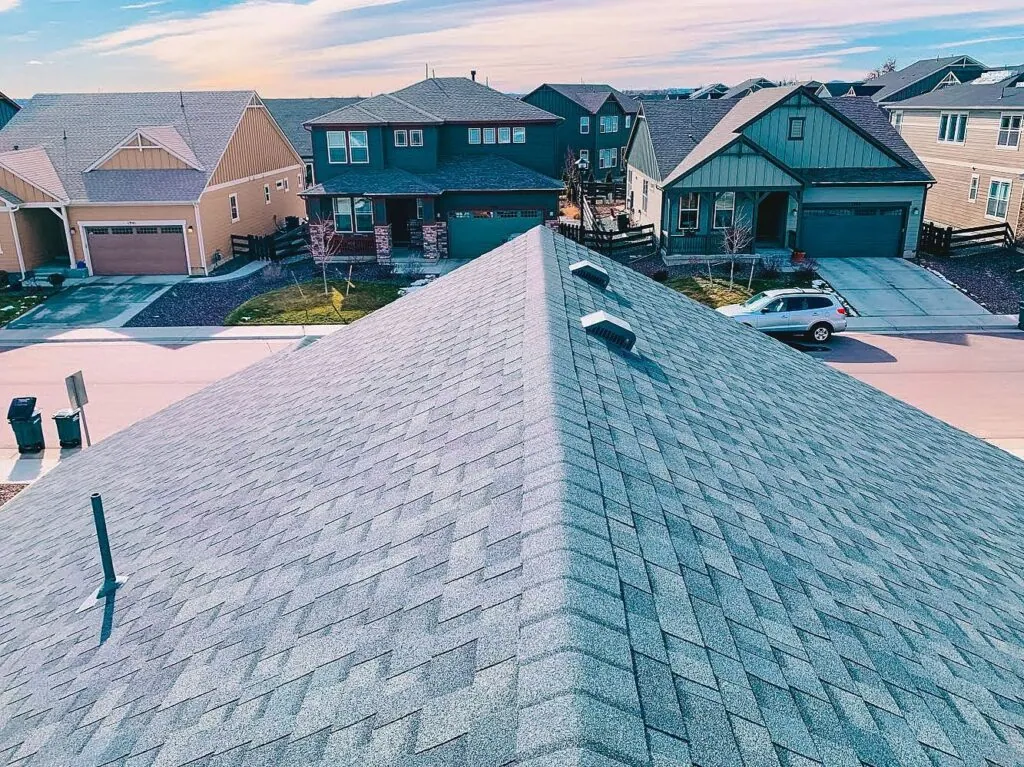
Peak To Peak Roofing serves homeowners throughout Denver and the surrounding metro area, including Aurora, Littleton, Castle Pines, Parker, Brighton, Boulder, Thornton, Arvada, and Erie. Our team travels to your property with all necessary equipment, and we schedule inspections around your availability. Same-week appointments are often possible, and we provide written reports within 48 hours of the visit.
We schedule inspections throughout Denver and surrounding communities, with flexible appointment times to fit your schedule. You can browse everything we do across the Front Range on our Peak to Peak Roofing Denver.
What our inspectors look at first in each part of Denver, and the code items verified before a permit is signed off.
Location & Neighborhoods
Target ZIP Codes
Local Landmarks & Housing Styles
Inspection Focus Points
Code & Permit Checks
Location & Neighborhoods
Target ZIP Codes
Local Landmarks & Housing Styles
Inspection Focus Points
Code & Permit Checks
Location & Neighborhoods
Target ZIP Codes
Local Landmarks & Housing Styles
Inspection Focus Points
Code & Permit Checks
Location & Neighborhoods
Target ZIP Codes
Local Landmarks & Housing Styles
Inspection Focus Points
Code & Permit Checks
Location & Neighborhoods
Target ZIP Codes
Local Landmarks & Housing Styles
Inspection Focus Points
Code & Permit Checks
Dispatched Directly From Our Denver Headquarters
Located at 4155 E Jewell Ave #1100, Denver, CO 80222. Our licensed inspectors provide zero-cost storm damage assessments and full Xactimate insurance support across every Denver ZIP code.
Same crews, same permit process, dispatched across the Front Range.

JJ Hedden
Founder & Owner
Meet The Owner
JJ Hedden founded Peak to Peak Roofing & Exteriors so Denver property owners would have a roofer who is still reachable after the truck pulls away. He came up through inspections, claims and installations, so the standards our crews work to are the ones he set on roofs himself.
Inspections are where he started. Every Denver roof gets walked slope by slope with photos of granule loss, soft metal hits and flashing gaps, and when the honest answer is that the roof has years left, that is the answer you get.
Denver storms are relentless. Get a comprehensive roof inspection today. Zero cost. Zero pressure. 100% peace of mind.




4.9/5 from happy homeowners
● Inspectors Available Today in Denver
Plus, get a free upgraded underlayment on any full replacement.
"Peak to Peak was great, they helped me with a repair on my roof. Helped me to extend the life of my roof."
- Luke Howard
Free inspection, same day answers