Denver & Front Range Roofers

Denver Roof Repair Built for High-Altitude Climate Stress

Peak To Peak Roofing repairs storm-damaged shingles, flashing failures, and leak sources throughout Denver’s metro neighborhoods. Licensed and insured with two decades of local work, we diagnose before recommending replacement.

4.9/5 average rating from 500+ locals

Fast Response Team Crews active in Denver area
High Storm Demand Only 2 inspection spots left today
Recent Hail Reported Free damage assessments available

Customer Testimonials

Signs Your Roof Needs Attention in Denver

Most homeowners notice the ceiling stain or the shingles in the gutter and assume the damage just happened. Usually, it’s been leaking for months, you’re just seeing it now. Granule loss, lifted flashing, and cracked sealant around vents are the tells that matter, the ones that let you fix a $400 problem before it becomes a $4,000 one.

What We Look For During Every Inspection

  • Granule displacement patterns from hail impacts: Bare spots accelerate UV aging and water infiltration
  • Step flashing separation at wall intersections: Common failure point after freeze-thaw cycling in valleys
  • Cracked pipe boot seals and vent collars: Rubber degrades faster at altitude under intense sun

Catch these early and you’re looking at targeted repairs. Wait until the drywall is soft and you’re into decking replacement, insulation work, and interior finishes. Schedule the inspection.

“Chris is super solid and will do the best he can to ensure your roof is taken care of well. He doesn’t cut corners and cares about his customers long-term satisfaction.” — Dr. Brandy Victory

Why Denver Roofs Fail Faster Than Lower-Elevation Markets

Denver sits at 5,280 feet, where UV radiation is roughly 25 percent stronger than at sea level. That alone shortens asphalt shingle lifespan by several years. Add in temperature swings of 40 degrees in a single day, hail seasons that cluster between April and August, and you have a climate that punishes every roofing material faster than manufacturer warranties assume.

UV Degradation at Elevation

Asphalt shingles lose granules and flexibility faster under intense high-altitude sun. Sealant strips dry out, adhesion weakens, and wind-lift resistance drops within 10 to 12 years instead of the rated 15 to 20.

Hail Impact Frequency

Front Range storms produce hail large enough to fracture shingle mats and dent metal flashing. Even Class 3 impact-rated shingles show bruising after repeated 1-inch hail events, and insurance adjusters look for collateral damage on vents and gutters to confirm claims.

Thermal Cycling Stress

Fasteners expand and contract daily, loosening over time. Ice-and-water shield adhesive can fail in valleys when temperatures swing from 20°F at night to 65°F by afternoon, creating leak paths that only show up during spring snowmelt.

Dry Climate and Sealant Brittleness

Low humidity causes caulk and butyl sealants around penetrations to crack within five years. Pipe boots, chimney counterflashing, and skylight curbs all require re-sealing on a shorter cycle than coastal or humid climates.

How We Trace and Fix Roof Leaks in Denver Homes

We had a client in Wash Park where ceiling stains pointed to a skylight, but the actual leak was step flashing at a dormer wall 8 feet away. Water travels along rafters before it drips, so visual inspection alone misses the source every time.

1. Inspect Roof and Document Damage

We photograph every suspect area, measure slope, note flashing condition, and map granule loss patterns for insurance documentation.

2. Trace Leak Sources Before Repair

Water testing with hose or infrared scanning isolates the breach point; we follow the flow path back to the entry.

3. Replace Compromised Materials and Seal

Damaged shingles, flashing, and underlayment are removed; new ice-and-water shield and step flashing installed per manufacturer spec.

Trusted Repair Methods for Colorado Weather Damage

Storm chasers flood Denver after every hail event, offering free inspections and pushing full replacements even when targeted repairs would suffice. We’ve been here for over 20 years, and our reputation depends on honest scoping. If your roof has 10 years of life left and only needs flashing work and a dozen shingles, we tell you that.

How We Approach Repair vs Replacement Decisions

  • Shingle mat integrity and remaining granule coverage: Bruising without fractures can be monitored; full breaks require replacement
  • Decking condition and fastener withdrawal resistance: Soft spots or nail pops indicate structural issues beyond surface repair
  • Insurance adjuster alignment and claim documentation: We scope to match carrier line items and provide photo evidence

A crew rolled through our neighborhood last June offering free roof replacements if we’d just sign the insurance paperwork. Three houses down took the deal. Turns out their roof had another decade left, and now they’re fighting claim denials. Sometimes the boring answer, repair what’s broken, leave what works, is the one that saves you money and hassle.
What Does Roof Repair Involve for Denver Homes?

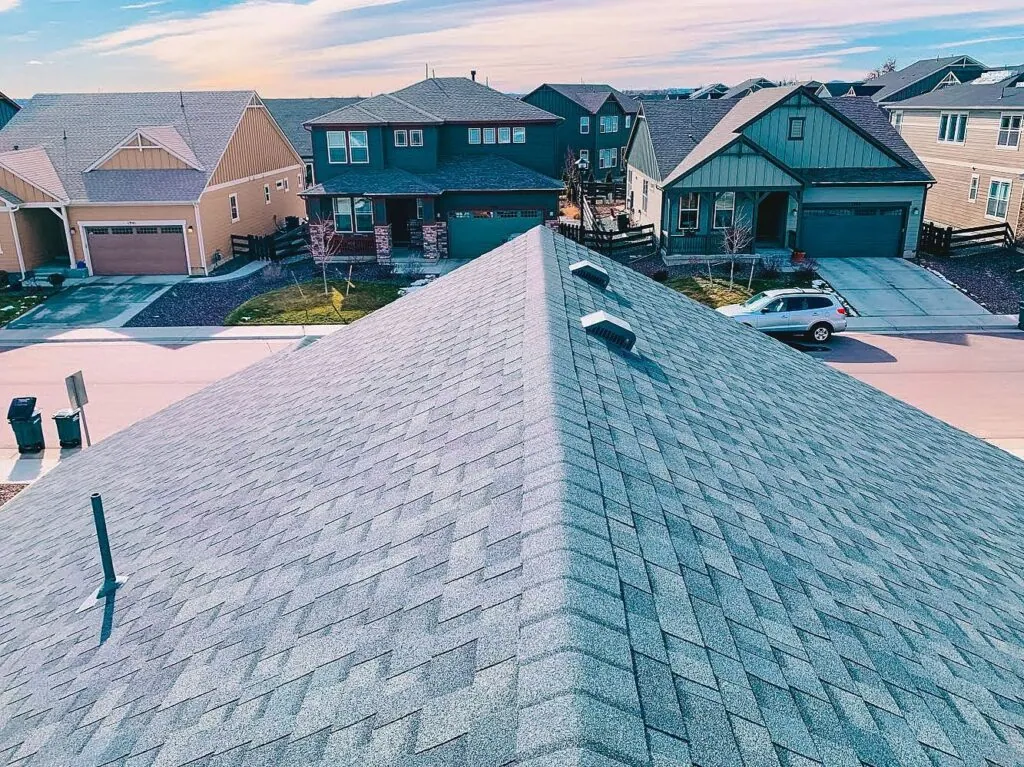
You’re staring at a ceiling stain the morning after a spring storm, wondering if this is a $300 fix or a $15,000 replacement. The scope depends on how long the leak has been active, whether the decking is compromised, and what caused the breach in the first place. Most repairs we complete in Denver fall between $600 and $2,500 and take one to three days, including permit inspection if the jurisdiction requires it.
Typical Repair Scenarios and Material Requirements

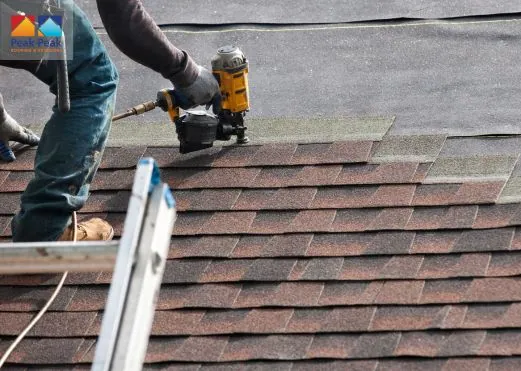
  • Localized shingle replacement after hail or wind: Match existing color and profile; replace underlayment in affected area
  • Flashing rebuild at chimneys, walls, and valleys: Remove old step flashing, install new counterflashing, seal with butyl tape
  • Penetration re-sealing and boot replacement: Pipe boots, vent collars, and skylight curbs re-caulked or replaced entirely

We’ve repaired roofs on century-old bungalows in Curtis Park and new builds in Stapleton. The work varies, but the standard doesn’t. Every repair gets the same attention to flashing detail, fastener placement, and sealant application that we’d use on our own homes. That’s the part we’re particular about.

“They were able to uninstall and reinstall my solar panels and get all needed inspections taken care of. Both roof and detached garage were completed in a day.” — Dan Kreppein

Denver Roof Repair for Leaks, Storm Damage and Failing Roof Components

Roof damage can start with missing shingles, lifted flashing, cracked pipe boots, or a small leak around vents and valleys. Peak To Peak Roofing helps Denver homeowners identify the source of the issue, understand their repair options, and restore roof protection for Colorado weather.

What Roof Repair Costs in Denver

Most roof repairs in Denver range from $600 to $2,500, depending on damage extent, material type, and access difficulty. Colorado Springs sees slightly lower pricing, typically $550 to $2,300 for comparable work, driven by lower labor rates and less stringent permitting. Denver’s higher cost reflects metro wage scales, stricter code enforcement, and the frequency of hail-related claims that require detailed insurance documentation.

What Affects the Price in Denver

  • Damage scope and material replacement volume: A dozen shingles and one flashing section cost far less than valley rebuild and decking repair across multiple slopes.
  • Roof pitch and access constraints: Steep slopes require additional fall protection, scaffolding, or roof jacks, which add labor hours and safety equipment costs.
  • Permit fees and inspection coordination: Denver and Aurora charge permit fees and require inspections for structural repairs, adding $150 to $400 to the total.

Every job is different. We provide a written estimate after inspecting your roof, mapping the damage, and confirming material availability. No hidden fees, no pressure to replace when repair will work.

Serving Denver and Surrounding Areas

Peak To Peak Roofing serves homeowners throughout Denver and the surrounding metro area, including Aurora, Littleton, Castle Pines, Parker, Brighton, Thornton, Arvada, and Erie. Our team travels to your property with all necessary tools, materials, and safety equipment. We schedule repairs around your availability, including evenings and weekends when needed, and coordinate permit inspections with local building departments.

Service Area

  • Our crew regularly works in Highlands Ranch, Roxborough Village, and Lone Tree neighborhoods.
  • Clients near the Denver Tech Center and Dry Creek Business Park corridor rely on us.
  • Full coverage across the greater Denver metro area and Front Range communities.

We coordinate flexible scheduling throughout Denver and handle all permit filings with local jurisdictions.

Frequently Asked Questions

Shingle replacement involves tearing off damaged layers down to the decking, inspecting for hidden water damage or rot, then installing new underlayment and architectural shingles rated for hail and wind. The process typically takes one to three days depending on roof size and weather delays.

We strip everything down to the plywood deck, which is where most homeowners realize their attic ventilation has been quietly rotting things out for years. After replacing any soft decking sections, we roll out synthetic underlayment (far better than felt paper in Colorado’s freeze cycles), then nail down shingles in overlapping courses. One thing that consistently surprises clients is how much noise the tear-off creates. It’s loud. If your crew finishes a full reroof in under six hours without finding a single issue, someone cut corners.

Peak To Peak Roofing evaluates structural integrity, remaining shingle lifespan, and leak patterns during inspection. Repair makes sense when damage is localized and the roof has useful years left, while widespread deterioration usually points toward replacement.

Peak To Peak Roofing walks every roof before making a recommendation, and the honest answer is that most homeowners expect the verdict to be binary when it’s actually situational. We’ve found that a roof with isolated storm damage across 15% of its surface and ten years of expected life remaining is almost always a repair candidate, while the same percentage of damage on a roof already past its warranty period tends to tip toward replacement. One thing that consistently surprises clients is how much weight we put on the decking condition beneath the shingles. You can patch surface damage all day, but if the plywood is soft or the fasteners are pulling through, repair becomes a short-term patch rather than a durable fix. We also look at whether prior repairs were done correctly, since stacked bandaids often mean the underlying issue was never addressed.

If you’re getting conflicting opinions from other contractors, Peak To Peak Roofing will walk the roof with you and explain what we’re seeing in plain terms. We’ll show you photos of the decking, the flashing condition, and any areas where water has tracked under the surface so you understand exactly what you’re paying to fix.

Immediate repair is needed when water stains appear indoors, multiple shingles are missing, or flashing separates from penetrations. Routine maintenance suffices for minor granule loss or isolated cracks without active leaks.

One thing that consistently surprises homeowners is how quickly a minor roof issue can escalate in Denver’s climate. A small gap around a chimney flashing that seems harmless in July can turn into interior water damage after one heavy spring snowmelt. The honest answer is that distinguishing between “schedule this soon” and “call today” comes down to whether water has already breached the underlayment or if structural components are compromised. We’ve found that homeowners who wait to address active leaks often face repair costs that triple within a single season, not because contractors inflate prices, but because water finds new pathways once it gets past the first barrier.

Conditions That Require Urgent Attention:

  • Interior Water Stains or Dripping: Any visible moisture inside the home means the underlayment is already compromised and further exposure will rot decking.
  • Lifted or Missing Flashing: When metal flashing around chimneys, vents, or valleys pulls away, wind-driven rain enters directly into the roof assembly during storms.
  • Sagging Roof Deck: A visible dip or sag in the roofline indicates structural damage to rafters or decking, often from prolonged moisture exposure.
  • Multiple Shingles Gone After Wind Events: Losing three or more shingles in a cluster exposes felt paper that degrades rapidly under UV and precipitation.
  • Granule Loss Exposing Black Asphalt: When the protective granule layer wears through to bare asphalt, that section becomes vulnerable to cracking within weeks of sun exposure.

A common mistake we see is homeowners treating all roof damage as equally urgent or equally deferrable. If you’re seeing daylight through the attic boards or noticing new ceiling discoloration after a rainstorm, that’s not a maintenance issue. If you’re unsure whether damage crosses into emergency territory, having a qualified roofer inspect from both the exterior and attic usually clarifies the timeline within an hour.

Peak To Peak Roofing addresses bruised or fractured shingles, cracked flashing, and dented metal components after hail events. Repair scope depends on impact severity and whether underlying decking absorbed moisture before detection.

We’ve found that hail creates three distinct damage patterns on Denver roofs. Asphalt shingles show bruising that compromises granule adhesion, metal flashing around chimneys develops stress cracks that leak slowly, and ridge vents get dented in ways that trap water. The honest answer is that surface damage you can photograph doesn’t always match what’s happening at the decking level. If shingles stayed compromised through a wet season before you called Peak To Peak Roofing, we sometimes find rot that requires more than shingle replacement. Bring us out within a few weeks of a storm and repair stays straightforward.

Roof repair in Denver costs a fraction of full replacement when damage is localized, but total expenses depend on material availability, extent of underlying deck damage, and whether matching shingles are still manufactured.

We’ve found that repair jobs addressing isolated wind damage or a few missing shingles run substantially less than tearing off and replacing thousands of square feet of material. The honest answer is that cost comparison breaks down when the damaged area exceeds about 30% of the roof surface, since labor setup, material ordering, and inspection fees start adding up quickly. One thing that consistently surprises homeowners is the hidden cost of matching discontinued shingle lines. If your roof was installed twelve years ago and the manufacturer changed their product line, we sometimes end up replacing an entire slope just to avoid a patchwork appearance. That’s not upselling, it’s physics. Mismatched shingles age at different rates and create weak points where water intrusion accelerates.

A common mistake we see is homeowners delaying a repair estimate because they assume replacement is inevitable. Most hail damage, flashing failures, and storm tears are repairable if caught before water reaches the decking. If you’re seeing interior stains or missing granules after a storm, get a roof inspection before the next weather cycle turns a fixable problem into structural rot.

Securing Denver Homes Since 2008

Don't Wait For A Leak To Tell You It's Time.

Denver storms are relentless. Get a comprehensive roof inspection today. Zero cost. Zero pressure. 100% peace of mind.


Detailed Photo Report

Insurance Claim Help

4.9/5 from happy homeowners

● Inspectors Available Today in Denver

Limited Time Offer!

Claim Your Free Inspection

Plus, get a free upgraded underlayment on any full replacement.

OR CALL DIRECTLY

"Peak to Peak was great, they helped me with a repair on my roof. Helped me to extend the life of my roof."

— Luke Howard

Trusted by 400+ Homeowners

Honest Inspections. Zero Pressure.

Three reasons Colorado homeowners trust us with their roof.

Honest, Pressure-Free Inspections

Straight answers backed by 400+ five-star reviews. No upsells. Ever.

Decades of Colorado Expertise

Certified inspectors who know insurance requirements and what truly lasts in our climate.

Award-Winning & Certified

7x Owens Corning Excellence winner. Proud CRA member with industry-leading certifications.

Get Your Free Inspection

No obligation. Just clarity on your roof’s health.