Professional Roof Inspection Before Insurance Contact
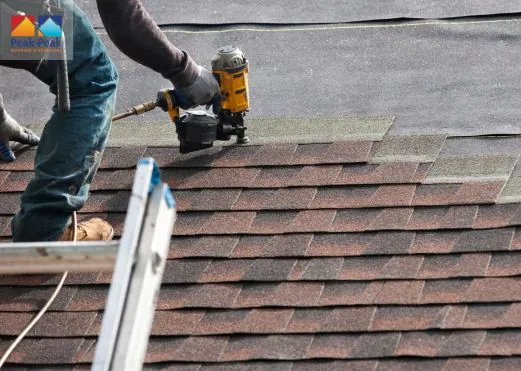
We climb every slope with calibrated tools to map hail hits, measure granule loss, and photograph damage from multiple angles.


Peak To Peak Roofing guides Aurora homeowners through every step of the insurance claims process after hail and wind events. We document damage, coordinate adjuster meetings, and file supplements to recover full replacement cost coverage.
Certified, Accredited, And Reviewed






Most Aurora claim workflows run $0 out-of-pocket for inspection and adjuster coordination when the claim is approved, since those services are bundled into the final project scope. If the claim is denied and you choose to appeal or pay for repairs directly, inspection fees typically range from $300 to $600 depending on roof size and complexity. Aurora's storm-season claim volume can push adjuster inspection windows a few days longer than in less hail-prone Front Range suburbs, which makes early documentation even more important.
| Item | What it means in Aurora | Typical figure or timing |
|---|---|---|
| Initial contractor inspection | Documents damage with photos, test squares, and measurements before the carrier is contacted. | Same week as the storm in most cases; free when you proceed with the approved claim scope. |
| Adjuster inspection | Carrier sends an adjuster to inspect and write an estimate. | Five to ten days after filing during peak hail season. |
| Filing window | Carriers expect prompt notice; some policies specify 30 to 90 days. | File within two weeks of the storm while evidence is fresh. |
| ACV payment (actual cash value) | First check issued, with depreciation withheld until work is completed. | Issued after scope agreement, before repairs begin. |
| RCV release (replacement cost value) | Withheld depreciation released after final invoice and inspection. | 30 to 90 days from filing depending on supplement rounds. |
| Supplement rounds | Missed items such as ridge caps, soft metals, or flashing added to the approved scope after tear-off. | Filed with photo evidence within days of discovering hidden damage. |
| Deductible | Homeowner pays it; a contractor cannot legally pay, waive, or rebate it. | Due at completion. |
| Denied-claim inspection fee | Applies if the claim is denied and you pursue repairs or an appeal outside insurance. | $300 to $600 in the Aurora area. |
| Ordinance and law coverage | Separate line items for code upgrades like drip edge, ice barrier, and ventilation. | Itemized during scope reconciliation, not automatic. |
| Final inspection and permit closeout | City of Aurora permit closeout is required before carriers release final depreciation. | Confirm who pays permit fees before work starts; not always covered by the carrier. |
Timelines and figures above are typical field ranges reported for Aurora-area claims, not guarantees, and vary by carrier, storm volume, and roof complexity. Colorado Revised Statutes 6-22-103 requires a residential roofing contract to disclose that the contractor cannot pay, waive, or rebate any portion of the insurance deductible, and gives the property owner the right to rescind the contract within 72 hours after being notified the carrier denied the claim in whole or in part.
Most homeowners discover their adjuster's initial estimate missed critical line items only after signing a contractor agreement. The difference between a partial payout and full replacement cost coverage often hinges on documentation submitted within the first 72 hours after inspection. We've found that claims filed without contractor review typically leave 15 to 30 percent of recoverable damage undocumented. The adjuster works for the carrier, not for you. We work for you, and that distinction matters when line items get disputed or hail damage turns up after tear-off. Colorado Revised Statutes 6-22-103 also governs what a contractor can and cannot do with your deductible, and we walk every Aurora client through that disclosure before any contract is signed.
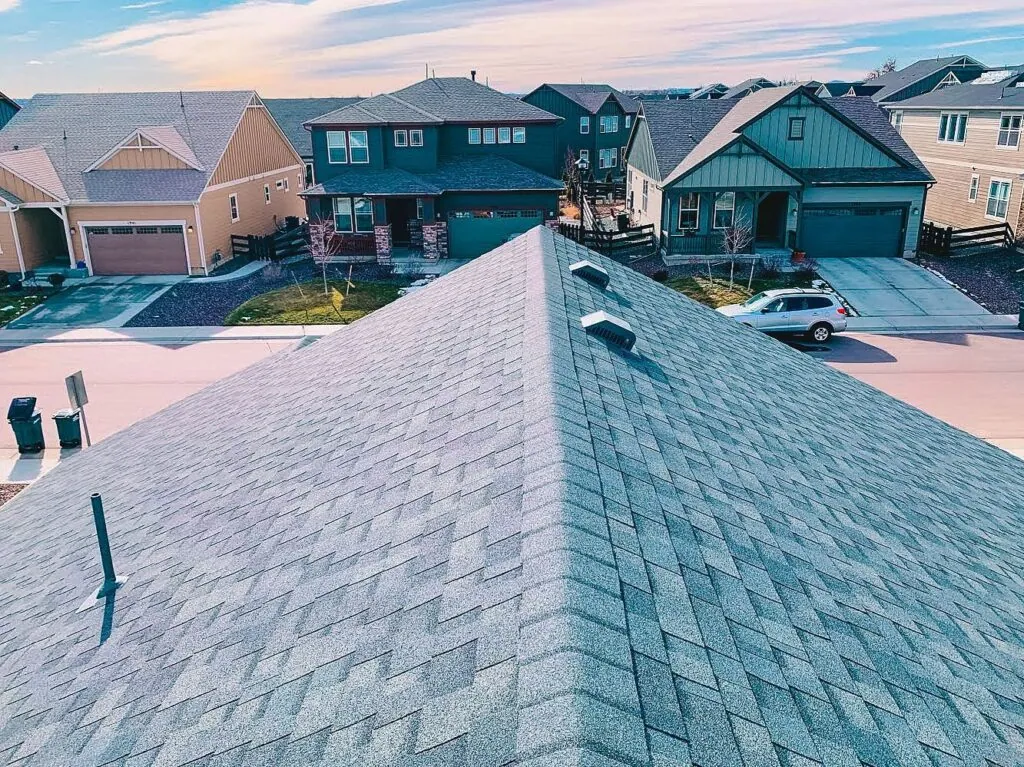
Aurora sits in a hail belt where May through August storms produce widespread damage across entire subdivisions in a single afternoon, and subdivisions built in different decades file differently: older Original Aurora claims tend to center on wear-and-tear disputes, while newer Southlands and Painted Prairie claims more often hinge on code upgrade line items tied to current permit requirements. When hundreds of claims file simultaneously, adjuster backlogs stretch inspection timelines from days into weeks, and homeowners who wait lose documentation windows.
We had a client whose adjuster approved only partial replacement because our initial photo set missed ridge cap bruising visible only from ladder height. Requesting a re-inspection with full slope photos and test squares recovered the missing scope.
We climb every slope with calibrated tools to map hail hits, measure granule loss, and photograph damage from multiple angles.
Our Xactimate line items include code-driven supplements for ice barrier, drip edge, and ventilation corrections the adjuster may overlook.
After tear-off, hidden decking rot and flashing failures often emerge; we document and submit change orders with photo evidence immediately.
Ridge, valley, and penetration photos are cataloged together so the claim file shows depth instead of a handful of ground shots.
Chalk-marked test squares and local weather alerts tie visible hail hits to a verified storm date and size.
We file with Aurora Building Division early so permit backlogs do not delay your depreciation release.
Carriers deny or underpay claims when documentation fails to prove storm causation, when repair costs exceed policy limits, or when homeowners miss filing deadlines. The gap between what an adjuster sees from the ground and what exists on the roof often determines whether you receive actual cash value or full replacement cost. Most denials stem from incomplete damage mapping in the first 30 days after the storm.
Ground-level photos miss ridge and valley hail impacts: adjusters who don't climb often approve only partial replacement scope.
Missing storm date correlation with weather service records: carriers require NOAA hail reports matching your claim timeline exactly.
No test square documentation of hail density: without hits-per-square counts, carriers can dispute whether full replacement is warranted.
Late permit filing with the City of Aurora: depreciation release stalls until final inspection certificates are issued.
When your file lands on the underwriter's desk, they're looking for reasons to reduce the payout or request more information. A thin package with missing weather data or vague damage descriptions gives them that opening. If your contractor submits test squares and corroborating storm reports up front, the claim moves to approval without a second review, as explained more on our Peak to Peak Roofing Aurora.
Most people assume their deductible is the only out-of-pocket cost, but code upgrades, permit fees, and depreciation holdbacks can add thousands. Understanding ACV versus RCV mechanics, ordinance and law coverage, and supplement timelines prevents surprises when the first check arrives.
Peak To Peak Roofing serves homeowners throughout Aurora, including Southlands, Saddle Rock, Tallyn's Reach, Murphy Creek, and the Buckley area. Our crews travel the E-470 and I-225 corridors regularly, coordinating adjuster meetings and permit inspections with the City of Aurora at every stage.
We coordinate flexible inspection and adjuster meeting schedules throughout Aurora, and you can learn more about our full service area on our Peak to Peak Roofing Aurora.
What we photograph and measure across Aurora, and the code items that belong in the scope your adjuster reviews.
Location & Neighborhoods
Target ZIP Codes
Local Landmarks & Housing Styles
What We Document Here
Code Items in the Scope
Location & Neighborhoods
Target ZIP Codes
Local Landmarks & Housing Styles
What We Document Here
Code Items in the Scope
Location & Neighborhoods
Target ZIP Codes
Local Landmarks & Housing Styles
What We Document Here
Code Items in the Scope
Location & Neighborhoods
Target ZIP Codes
Local Landmarks & Housing Styles
What We Document Here
Code Items in the Scope
Dispatched Directly From Our Denver Headquarters
Located at 4155 E Jewell Ave #1100, Denver, CO 80222. Our licensed inspectors provide zero-cost storm damage assessments and full Xactimate insurance support across every Aurora ZIP code.
Same crews, same permit process, dispatched across the Front Range.

JJ Hedden
Founder & Owner
Meet The Owner
JJ Hedden founded Peak to Peak Roofing & Exteriors so Aurora property owners would have a roofer who is still reachable after the truck pulls away. He came up through inspections, claims and installations, so the standards our crews work to are the ones he set on roofs himself.
He meets adjusters on the complicated Aurora claims himself. Scopes are written in the same estimating language the carrier uses, supplements are backed with photos and code references, and you always hear the honest read on what the policy will and will not cover.
Aurora storms are relentless. Get a comprehensive roof inspection today. Zero cost. Zero pressure. 100% peace of mind.




4.9/5 from happy homeowners
● Inspectors Available Today in Aurora
Plus, get a free upgraded underlayment on any full replacement.
"Peak to Peak was great, they helped me with a repair on my roof. Helped me to extend the life of my roof."
- Luke Howard
Free inspection, same day answers