How Can We Help You On Your Roofing Needs?

What Are Commercial Flat Roof Systems?

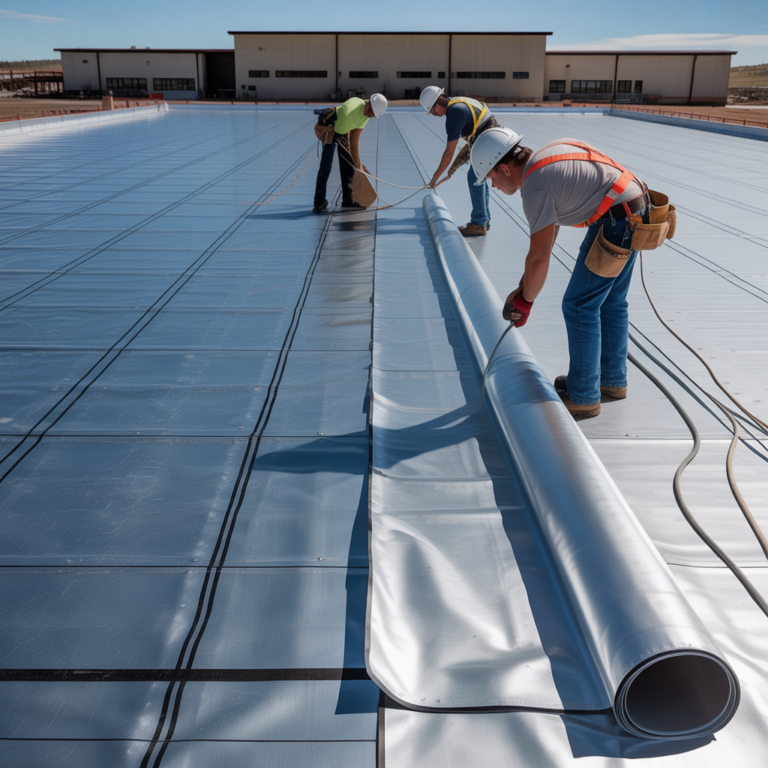
Commercial flat roof systems are low-slope roofing solutions built for business properties, warehouses, and industrial facilities. Unlike the steep pitch you see on residential roofs, these systems use minimal slope to handle water drainage. They layer waterproof membranes, insulation, and protective coatings together to form durable, weather-resistant barriers that shield your building and everything inside it.

Core Components That Define Modern Flat Roofing

  • Membrane Layer: This waterproof barrier keeps moisture from getting through.
  • Insulation System: Good thermal protection cuts down on energy use in a big way.
  • Drainage Design: Smart water management keeps pooling from causing damage to your property.

Understanding these fundamental components helps you make informed decisions about your commercial property. Flat roof systems need to match your specific building requirements and local weather conditions. A thorough evaluation of your structure reveals which solution offers the most effective long-term protection and performance for your situation.

Essential Benefits of Flat Roofing Durability

Durability Value: Flat roofing systems hold up well because they use weather-resistant materials and seamless construction methods. That means you spend less on maintenance over time while getting decades of solid protection for your commercial building.

Long-Term Performance Advantages That Protect Your Investment

  • Weather Resistance: Modern membranes handle the temperature extremes and strong sun exposure that come with the local climate throughout the year.
  • Reduced Maintenance Burden: With fewer seams and joints in the system, there are simply fewer spots where leaks can develop over time. That translates to lower repair costs down the road and less hassle dealing with unexpected problems.
  • Storm Damage Protection: The continuous construction method helps resist wind uplift and keeps water from getting in when severe weather hits.
  • Predictable Performance: The material performs the same way year-round, which means no unexpected issues when temperatures shift. Facilities can plan maintenance budgets more accurately when they know exactly how surfaces will hold up across seasons.

Service Coverage Across Regional Commercial Areas

Commercial flat roof services handle office buildings, retail centers, warehouses, and industrial facilities across the region. Coverage runs south through Castle Rock and Colorado Springs, north into Fort Collins and Loveland, and east through Aurora and the surrounding metro area.

Crews handle commercial flat roof installations and repairs throughout Denver, Aurora, Colorado Springs, Fort Collins, Lakewood, Thornton, and Westminster on a regular basis. Working across this region means the team can respond quickly when projects come up while keeping installation quality consistent no matter which area they’re serving.

Peak To Peak Roofing & Exteriors, LLC handles commercial flat roof systems throughout the Front Range, working with property owners in Denver, Aurora, Colorado Springs, Fort Collins, Lakewood, Thornton, Westminster, and other Colorado metro communities.

Frequently Asked Questions

Flat roofs struggle with water pooling since gravity doesn’t naturally drain precipitation away like on sloped surfaces. This standing water accelerates membrane deterioration, creates leak vulnerabilities, and promotes vegetation growth. Additionally, flat roofs accumulate debris more readily, require more frequent inspections to catch punctures or seam failures, and experience greater thermal stress from direct sun exposure without the air circulation benefits that sloped designs naturally provide.

TPO, EPDM, and PVC membranes each bring distinct advantages to warehouse and industrial applications, but PVC stands out for superior durability in harsh environments. PVC membranes resist chemical exposure, grease, and oils common in manufacturing facilities while maintaining flexibility across temperature extremes. EPDM rubber membranes provide excellent weather resistance at a lower initial investment, making them popular for budget-conscious projects. TPO membranes balance cost and performance with strong heat-welded seams and reflective properties that reduce cooling demands. The right choice depends on your building’s specific exposure to chemicals, foot traffic patterns, and regional climate conditions rather than a one-size-fits-all solution.

Selecting the appropriate membrane requires evaluating your facility’s operational demands alongside environmental factors. Consulting with roofing professionals who understand industrial applications ensures you match material properties to your building’s unique requirements, maximizing your investment while minimizing future repair needs and operational disruptions.

Quick Answer: Building codes have evolved to address water accumulation issues that cause structural damage and premature roof failure. Enhanced drainage prevents ponding water, protects building integrity, and reduces liability risks for property owners.

Water management has become a central focus in commercial roofing regulations as municipalities recognize the costly consequences of inadequate drainage. Flat roofs face unique challenges because even minor imperfections in slope or drainage infrastructure can lead to standing water that degrades roofing materials, compromises structural elements, and creates safety hazards. Modern building codes reflect decades of insurance claims data and structural failure analysis, pushing property owners toward more robust drainage solutions that protect their investments and occupants.

Critical Drainage Requirements Driving Code Changes:

  • Ponding Water Prevention: Codes now mandate that water must drain within 48 hours of rainfall, as standing water accelerates membrane deterioration, adds excessive weight loads, and creates breeding grounds for algae and mosquitoes that pose health concerns.
  • Secondary Drainage Pathways: Regulations require backup drainage systems including scuppers, overflow drains, or emergency roof drains positioned at elevations above primary drains to prevent catastrophic water accumulation if main systems become blocked or overwhelmed during heavy storms.
  • Structural Load Calculations: Updated codes require engineers to account for maximum water depth scenarios when calculating roof load capacity, ensuring the building structure can safely support water weight during extreme weather events without risking collapse or permanent deflection.
  • Tapered Insulation Systems: Many jurisdictions now encourage or mandate positive drainage slopes created through tapered insulation boards rather than relying solely on structural deck slope, providing more reliable water flow toward drain locations and eliminating low spots where water collects.

Property owners planning roof replacements or new construction should work with roofing professionals who understand current drainage requirements in their jurisdiction. Compliance with enhanced drainage codes not only avoids permit issues and inspection failures but also protects the building from water damage that could lead to expensive repairs, business interruptions, and potential liability claims from tenants or visitors injured by roof leaks or structural problems.

Insurance underwriters scrutinize flat roofs more intensively because water pooling creates higher claim risks. They examine installation quality, membrane type, drainage adequacy, and maintenance records before determining premiums. Properties with documented inspection schedules and proactive repairs receive better rates, while deferred maintenance or outdated materials trigger coverage restrictions or policy exclusions that can complicate financing and property transactions.

Commercial flat roofs can conceal serious structural problems beneath their surface membranes, making regular monitoring essential for property protection. Ponding water that appears minor might indicate sagging roof decking or compromised structural supports underneath. Interior ceiling stains often signal membrane breaches that have existed for months, allowing water infiltration into insulation layers and creating hidden mold growth. Bubbling or blistering on the roof surface suggests trapped moisture within the roofing system, potentially weakening adhesion and structural integrity. Soft spots when walking the roof indicate deteriorating decking materials that could lead to catastrophic failure if left unaddressed.

Property managers should conduct visual roof inspections after severe weather events and document any changes in surface conditions. Professional assessments can identify problems invisible to untrained observers, including thermal imaging to detect moisture intrusion and structural evaluations to measure load-bearing capacity. Early detection prevents minor issues from escalating into expensive emergency repairs or complete roof replacement projects.

Quick Answer: Retrofitting older commercial buildings requires careful structural assessment, code compliance updates, and strategic planning to integrate modern flat roofing technology with existing building frameworks while minimizing operational disruption.

Older commercial buildings present distinct challenges when upgrading to contemporary flat roof systems. The existing structure may have been designed for different load requirements, outdated drainage configurations, or materials that don’t integrate well with modern roofing technology. Peak To Peak Roofing & Exteriors, LLC works with property managers to navigate these complexities, ensuring that retrofit projects address both immediate roofing needs and long-term building performance. Understanding what’s involved before starting a retrofit project helps avoid costly surprises and ensures the new system performs as intended.

Critical Considerations for Successful Flat Roof Retrofits:

  • Structural Load Capacity: Older buildings may require reinforcement before installing modern roofing systems, particularly if upgrading to heavier materials or adding insulation layers that weren’t part of the original design specifications.
  • Drainage Redesign: Buildings constructed decades ago often lack adequate drainage infrastructure for current building codes, necessitating new scupper locations, internal drain installations, or complete reconfiguration of water management systems.
  • Insulation Integration: Retrofitting provides an opportunity to dramatically improve energy performance, but requires careful planning around existing HVAC penetrations, parapet heights, and door thresholds that may need adjustment when adding insulation thickness.
  • Phased Installation Options: Large commercial buildings can often accommodate section-by-section roof replacement, allowing businesses to continue operations while spreading project costs across multiple budget cycles without compromising the building envelope.

Peak To Peak Roofing & Exteriors, LLC approaches retrofit projects with thorough pre-construction assessments that identify potential complications before work begins. This proactive planning helps property managers make informed decisions about material selection, project timing, and budget allocation while ensuring the finished roof system delivers reliable protection and improved building performance for years ahead.

Ponding water creates persistent stress on roofing membranes through freeze-thaw cycles, UV degradation of standing moisture, and biological growth that compromises waterproofing integrity. Peak To Peak Roofing & Exteriors, LLC addresses ponding through strategic tapered insulation systems and drain modifications that redirect water flow before membrane damage occurs, extending roof lifespan while preventing the costly structural problems that develop when water remains stagnant for extended periods after rainfall events.

Temperature fluctuations create constant movement in commercial flat roofing materials, causing membranes to expand during heat and contract in cold conditions. This cyclical stress particularly affects seams, fasteners, and penetration points where different materials meet. Single-ply membranes can pull away from attachment points, while built-up roofing systems may develop cracks as layers shift at different rates. Metal components like flashing and edge trim expand more rapidly than surrounding materials, creating gaps where water infiltration begins. Buildings in climates with extreme temperature swings face accelerated wear, as daily cycles compound seasonal changes.

Addressing thermal movement requires proper material selection matched to local climate patterns and building design. Expansion joints, flexible sealants, and mechanically attached systems accommodate movement without compromising waterproofing integrity. Regular inspections after extreme weather events help identify stress points before minor separation becomes catastrophic failure requiring emergency repairs or premature replacement.