Conduct exterior hail damage inspection
We walk every slope, checking shingles for bruising, granule loss, and mat fractures using standardized test-square protocols.

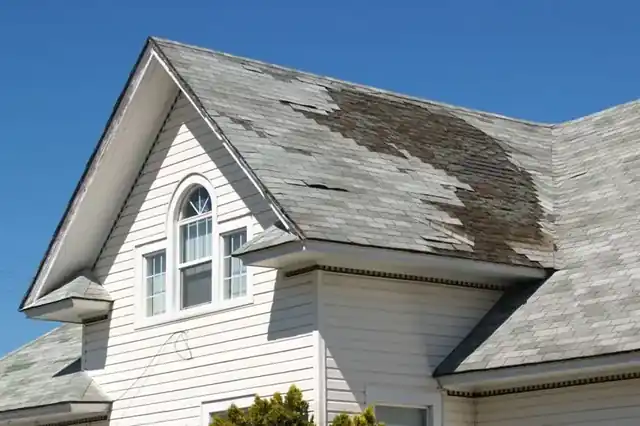
Peak to Peak Roofing provides forensic hail damage assessment for Lakewood homes after Front Range storm events. We document bruising, granule loss, and mat fractures with slope-by-slope photo mapping and prepare claim-ready scopes aligned with Jefferson County permit requirements.
Certified, Accredited, And Reviewed






Forensic hail inspections in Lakewood typically run $0-$250 depending on whether the assessment is tied to a repair estimate or insurance claim. Full hail damage repairs range from $8,000-$18,000 for a standard 2,000-square-foot home, comparable to Denver pricing but influenced by Lakewood's permit fees and Jefferson County inspection scheduling. The main cost driver is whether the scope includes code-required upgrades like ice barrier, drip edge, and ventilation balancing.
| Scope or factor | Typical cost or specification | What drives the price | Code or standard reference |
|---|---|---|---|
| Isolated slope hail repair | $625 to $1,525 | Number of damaged planes, shingle availability and soft metal replacement. | IRC R905.2 shingle application. |
| Full replacement after an approved claim | $11,525 to $24,000 | Roof size, pitch, layers removed and whether an impact-rated upgrade is selected. | Xactimate scope agreed with the carrier. |
| Impact-resistant Class 4 upgrade | $950 to $2,400 | Upgrade cost over standard architectural shingles, often offset by a premium discount. | UL 2218 Class 4 impact rating. |
| Emergency tarping after a storm | $325 to $725 | Tarp area, anchoring method and how quickly a crew has to be on the roof. | OSHA 1926.501 fall protection during temporary work. |
| Your out-of-pocket deductible | Typically 1% to 2% of dwelling coverage | On a $350,000 to $450,000 dwelling limit that is roughly $3,500 to $9,000. | Colorado SB 38 prohibits a contractor paying your deductible. |
| Permit and final inspection | $150 to $375 | Lakewood permits every full replacement and inspects before the claim closes. | Local building department permit schedule. |
| Adopted building code | City of Lakewood building code baseline | Sets minimum requirements for ice barrier, drip edge, and ventilation on every reroof. | 2021 IRC adoption |
| Impact rating | Steel-ball drop test resistance | Qualifies shingles for insurer hail-resistance discounts in the Front Range hail corridor. | UL 2218 Class 4 impact rating |
Figures are typical hail damage repair ranges for Lakewood in 2026, benchmarked against published Denver metro roofing cost data and adjusted for local permit fees and access. Code references point to the International Residential Code as adopted locally, UL 2218 impact testing, ASCE 7 wind loads and OSHA fall protection rules. Your written estimate follows an on-site inspection.
Most homeowners notice obvious shingle damage but miss the bruising and mat fractures that lead to leaks months later. We use test-square impact-density counts and collateral-surface checks to separate cosmetic scuffing from functional damage requiring replacement. You can see everything we handle locally on our Lakewood roofing page.
"Even though we didn't end up moving forward with the project, the invaluable advice and insights he shared were incredibly helpful.", Steve Behbahany
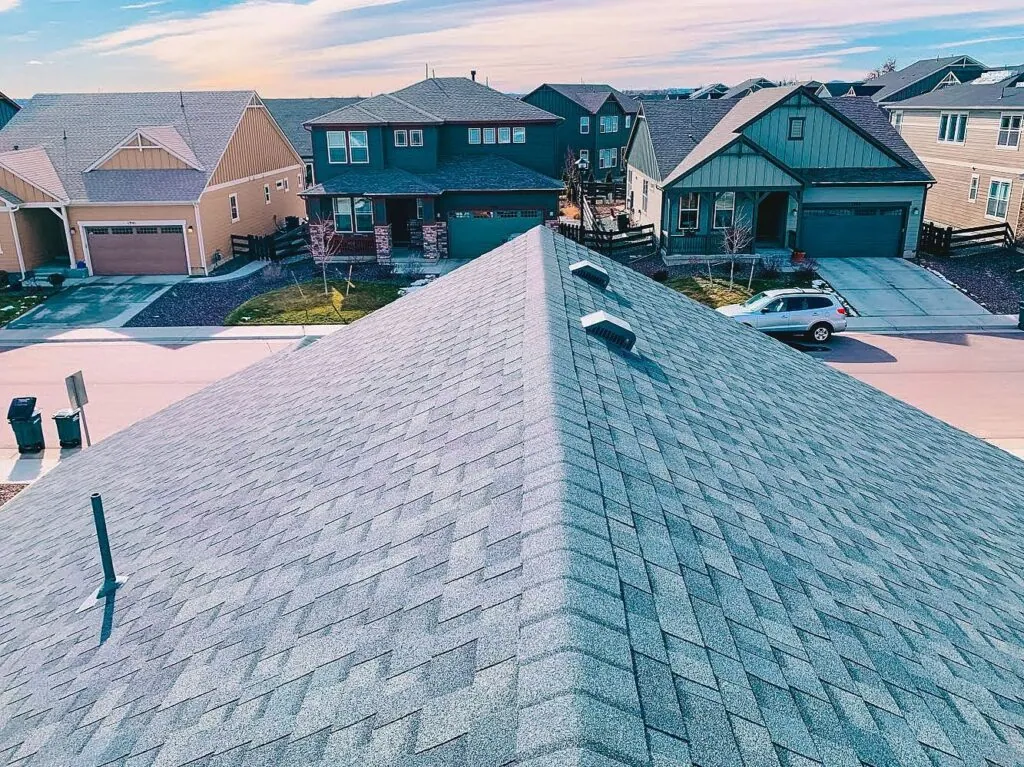
Lakewood residents expect hail inspections that distinguish real damage from cosmetic marks and prepare scopes that survive adjuster scrutiny. We deliver forensic documentation, Jefferson County permit coordination, and Class 4 upgrade options backed by manufacturer certifications and a 4.9-star track record across 415 verified reviews.
"He even worked around my busy schedule and came by on a holiday.", D Clarke
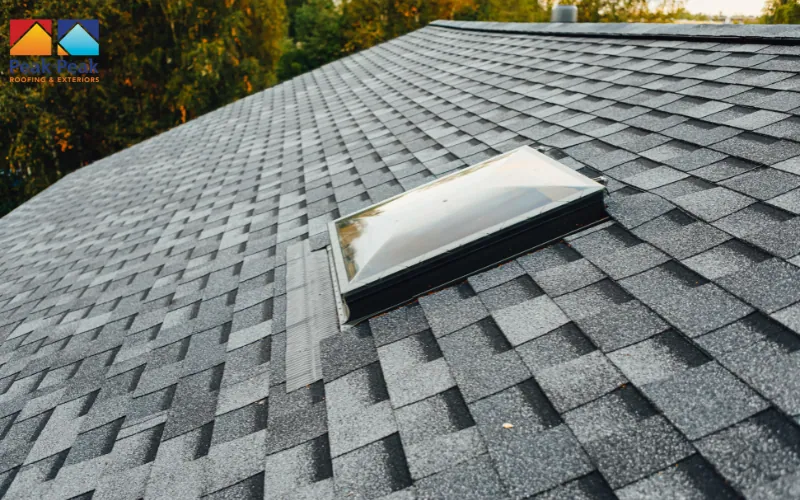
Every Lakewood project runs on the same documented sequence, from first inspection through the city's final sign-off.
We walk every slope, checking shingles for bruising, granule loss, and mat fractures using standardized test-square protocols.
Each damaged zone is photographed with close-ups and wide shots, tagged by slope and orientation for claim clarity.
Moisture meters and attic inspections reveal hidden water intrusion from compromised underlayment or flashing before interior damage appears.
Xactimate line items include code upgrades, ice barrier requirements, and ventilation balancing to meet Jefferson County permit standards.
You just heard the hail hit, walked outside, and now you're staring at dented gutters and what looks like gravel scattered across the driveway. That's granule loss, and it means the protective layer on your shingles took a beating.
Asphalt Shingle Fractures: Hail 1.0-1.5 inches causes significant granule loss and mat fracture requiring replacement.
Metal Roofing Denting: Hail 1.5-2.0 inches creates pronounced dents on standing seam and stone-coated steel.
Flashing and Penetration Damage: Pipe boots, chimney counterflashing, and valley metals often crack or separate after impact.
Underlayment Compromise: Ice and water shield can tear beneath fractured shingles, invisible until moisture testing.
We repaired a leak for one Lakewood client, replaced damaged tile, and addressed rotting wood with a detailed estimate explaining materials and costs. One thing most contractors won't mention: 1.25-inch hail can fracture self-adhered underlayment at valley seams without leaving visible shingle damage, and those slow leaks don't surface until spring thaw. Once damage spreads across several slopes, a full roof replacement costs less over time than paying for repeat patches.

Lakewood sits in Colorado's hail-prone Front Range corridor where recurring storm events, freeze-thaw cycles, and downslope winds create compounding roof stress requiring impact-resistant materials and code-compliant installation. When a storm caused the damage, our roof insurance claims team handles the adjuster meeting and the supplement paperwork with you.
Every Lakewood roof hail damage scope we hand over lists the materials, the code items that apply, and the photos behind each line.
Peak to Peak Roofing serves residents throughout Lakewood and the greater Jefferson County area. Our team regularly works in Highlands Ranch, Littleton, and the Denver Tech Center corridor, with flexible scheduling to accommodate post-storm inspection demand. We coordinate permits through Lakewood's building division and handle mid-roof and final inspections across the entire service area.
We dispatch crews based on storm path and permit queue, so response times vary by neighborhood demand. Lakewood's permit requirements differ slightly from unincorporated Jefferson County, and we track those distinctions to avoid inspection delays. Nearby crews cover the same work in Arvada roof hail damage and Littleton roof hail damage. See every community we cover on the areas we serve page, all backed by Peak to Peak Roofing Lakewood.
How storms hit different parts of Lakewood, the damage patterns we find, and the systems we rebuild with.
Location & Neighborhoods
Target ZIP Codes
Local Landmarks & Housing Styles
Damage Patterns Here
Rebuild Systems
Location & Neighborhoods
Target ZIP Codes
Local Landmarks & Housing Styles
Damage Patterns Here
Rebuild Systems
Location & Neighborhoods
Target ZIP Codes
Local Landmarks & Housing Styles
Damage Patterns Here
Rebuild Systems
Location & Neighborhoods
Target ZIP Codes
Local Landmarks & Housing Styles
Damage Patterns Here
Rebuild Systems
Dispatched Directly From Our Denver Headquarters
Located at 4155 E Jewell Ave #1100, Denver, CO 80222. Our licensed inspectors provide zero-cost storm damage assessments and full Xactimate insurance support across every Lakewood ZIP code.
Same crews, same permit process, dispatched across the Front Range.

JJ Hedden
Founder & Owner
Meet The Owner
JJ Hedden founded Peak to Peak Roofing & Exteriors so Lakewood property owners would have a roofer who is still reachable after the truck pulls away. He came up through inspections, claims and installations, so the standards our crews work to are the ones he set on roofs himself.
After a Lakewood storm he still checks the test squares and impact mapping himself, because hail documentation either holds up in front of an adjuster or it does not. Nothing gets written up as storm damage unless the photos support it.
Front Range hail season runs April through August, with the highest storm frequency in May, June, and July. We document impact evidence, verify storm data, and prepare claim-ready scopes that meet Jefferson County permit standards. Call today to protect your home before the next freeze-thaw cycle accelerates post-hail failure.




4.9/5 from happy homeowners
● Inspectors Available Today in Lakewood
No obligation, no pressure, and a written scope you can keep.
"Peak to Peak was great, they helped me with a repair on my roof. Helped me to extend the life of my roof."
- Luke Howard
Free inspection, same day answers