




How Can We Help You On Your Roofing Needs?

Fill-in the form & request your free home inspection.
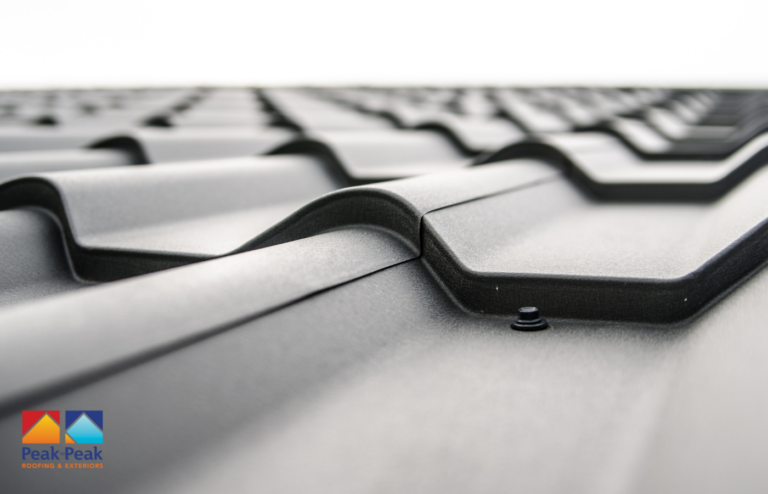
Your property deserves expert care — whether it’s a home, business, or multifamily unit. Our experienced contractors understand the unique needs of both residential and commercial roofing projects. We install and replace all types of roofing materials, including asphalt shingles, tile, and metal systems.
As a trusted Lakewood roofing company, we focus on high-quality craftsmanship, timely service, and long-lasting results. No matter the size or complexity of your project, we’re committed to restoring your property to peak condition with care and precision.
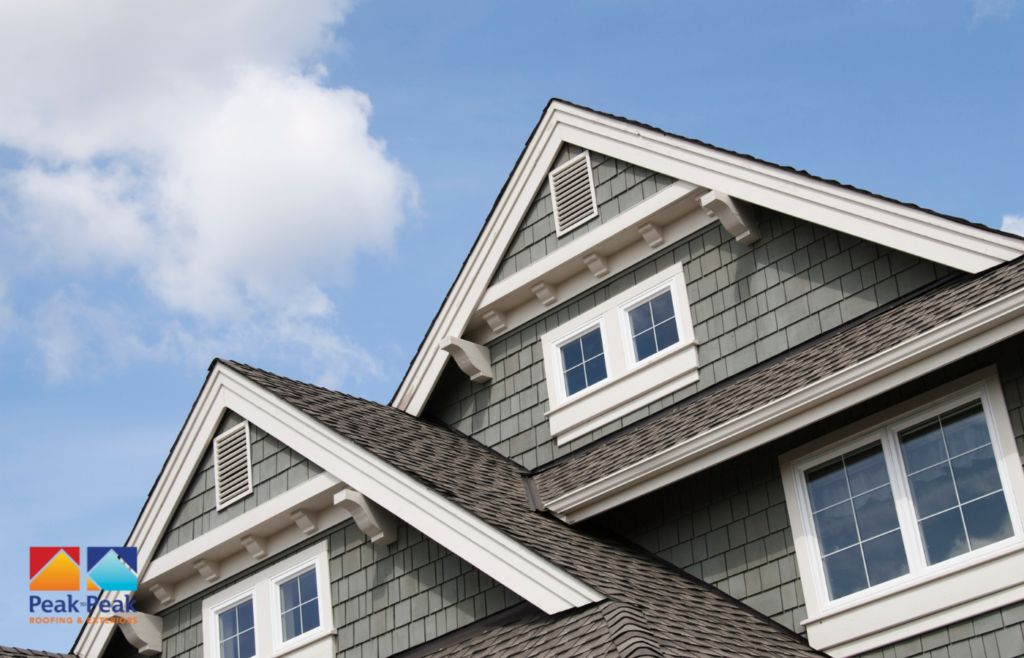
Severe weather is no stranger to Lakewood. Between wind gusts, hailstorms, and heavy snow, your roof faces year-round exposure to the elements. Even minor damage can lead to costly repairs if left unaddressed.
Peak to Peak Roofing & Exteriors is prepared to handle storm-related roof damage quickly and efficiently. Our team is trained to identify common issues like missing shingles, torn flashing, and structural concerns that might not be visible from the ground.
We provide reliable storm restoration services for homes and businesses throughout Lakewood. Whether you need spot repairs or a full roof replacement, we’re here to make sure your property is safe, secure, and fully protected.
Navigating an insurance claim after a storm can be confusing — but you don’t have to do it alone. Our Insurance Claim Specialists will walk you through every step, from assessing damage to working directly with your insurance company. We’ll advocate for the coverage you’re entitled to and help ensure every issue is addressed — not just the roof, but siding, gutters, windows, and more. Give us a call today. Let us simplify the process and help you restore your home or business without added stress.
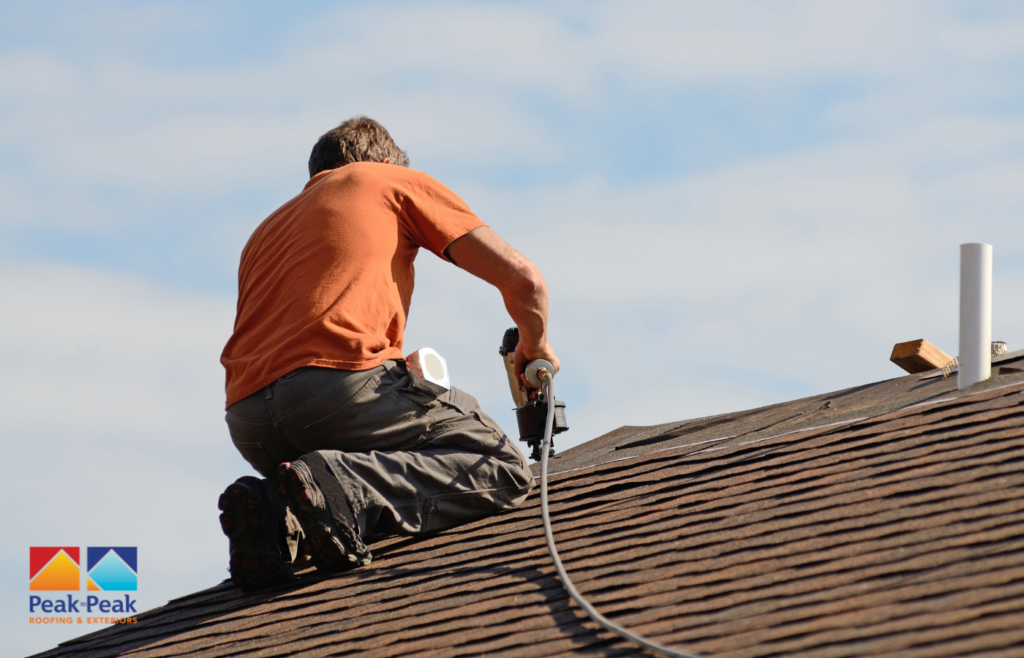
We have installed and serviced hundreds of roofs, building our reputation on honesty, quality, and customer service. We strive to exceed our customers’ expectations and want to be your Lakewood roofing contractor for life.
The cost of a roof replacement in Lakewood, Colorado depends on several key factors: the size of your residential or commercial property, the roofing materials used, and the complexity of the roofing project. For example, asphalt shingles are one of the most affordable options, ranging from $3.50 to $5.50 per square foot. Premium options like metal or tile can push the cost up to $15 per square foot or more.
Most Lakewood homeowners can expect to pay between $8,000 and $20,000 for a new roof, depending on whether additional work—such as structural repairs, insulation upgrades, or gutters—is required. Labor, weather conditions, and the time of year can also influence pricing. At Peak to Peak Roofing & Exteriors, our roofing contractors offer free roof inspections and detailed, written estimates so you know exactly what to expect.
As a locally owned roofing company with a strong reputation in the Denver area, we take pride in delivering quality roofing services. We offer financing options and help coordinate with your insurance company when needed. Whether you’re a homeowner or managing a commercial roofing project, we make the entire process simple, clear, and budget-friendly.
Storm damage from hail is a frequent issue for Lakewood roofers, particularly in the spring and summer months. Hail can crack shingles, dent flashing, dislodge tiles, and severely impact the underlying structure. Even if your roof appears intact, hidden hail damage can lead to leaks, wood rot, or costly repairs down the line.
Many homeowners don’t notice damage until it’s too late. That’s why we strongly recommend a free roof inspection from experienced roofing contractors after a hailstorm. At Peak to Peak Roofing & Exteriors, we inspect the full roofing system, including shingles, vents, gutters, and flashing, to identify all needed repairs—even the ones other companies may overlook.
We work directly with insurance adjusters and guide you through the insurance claim process, ensuring you get the coverage you deserve. Our roofing company uses only the best materials and offers both roof repair and full roof replacement depending on the extent of the damage. If your Lakewood property was affected by hail, don’t wait—early action protects your investment and helps avoid more serious issues later.
Spring and fall are often the best times to start a roofing project in Lakewood, thanks to milder temperatures and more predictable weather. During these seasons, the installation process is safer for crews and more efficient, and roofing materials adhere better, which improves overall performance and longevity.
That said, storm damage doesn’t follow a calendar. Our Lakewood roofers work year-round to meet the roofing needs of homeowners and business owners across Colorado. We’re equipped for emergency roof repair, winter installations, and even mid-summer projects when your property can’t wait.
If you’re replacing a roof due to age, damage, or for curb appeal, our roofing contractors offer fast scheduling, transparent timelines, and expert project management. Off-season work may also come with added access to materials or scheduling flexibility. No matter the time of year, our team delivers quality roofing services that meet or exceed industry standards.
Whether you’re dealing with unexpected repairs or planning ahead for a full roof replacement, we’re here to help. Call us to schedule your free inspection, discuss material options, and map out a timeline that fits your life.
The lifespan of a roof in Lakewood, CO depends on your roofing materials, maintenance history, and how well the original installation was completed. Most asphalt shingle roofs last around 20–25 years with proper care. Metal roofing may last 40 years or more, while clay or tile roofs can exceed 50 years—though all of them are susceptible to storm damage, particularly from hail and snow.
High UV exposure, freeze-thaw cycles, and temperature swings make Colorado a demanding environment. Even newer roofs can suffer damage from a single storm or improper ventilation. That’s why roofing companies like Peak to Peak Roofing & Exteriors offer regular roof inspections and maintenance packages to help extend your roof’s lifespan.
Our roofing contractors are trained to spot early warning signs like curling shingles, sagging, soft spots, or clogged gutters. Whether you need simple repairs or a full replacement, we’ll recommend the best path forward based on your roof’s age, condition, and your goals as a homeowner or commercial property owner.
Don’t wait for major leaks or damage. Be proactive and protect your investment with the help of a trusted roofing company that understands the unique demands of the Lakewood climate.
When selecting a roofing company in Lakewood, it’s important to look for a contractor that is licensed, insured, and well-reviewed by other homeowners and business owners. A company’s reputation within the community speaks volumes about the quality of their work. At a minimum, the company should offer free roof inspections, clear estimates, and written contracts before starting your roofing project.
You’ll also want a team with proven experience handling insurance claims and working with insurance adjusters, especially in hail-prone areas like Colorado. Look for Lakewood roofers that specialize in both residential and commercial roofing services and offer a complete range of roofing services, from roof repair to full replacement, siding, and gutters.
Peak to Peak Roofing & Exteriors is proud to be a locally owned and operated roofing company with a strong track record throughout the Denver metro area. We’re known for our responsive service, expert craftsmanship, and financing options that make your roofing needs more manageable. As a top-rated contractor, we work hard to earn your trust and provide five-star service on every job, whether it’s storm damage, a new roof, or ongoing maintenance.